$49.90
Free delivery · 7–14 days
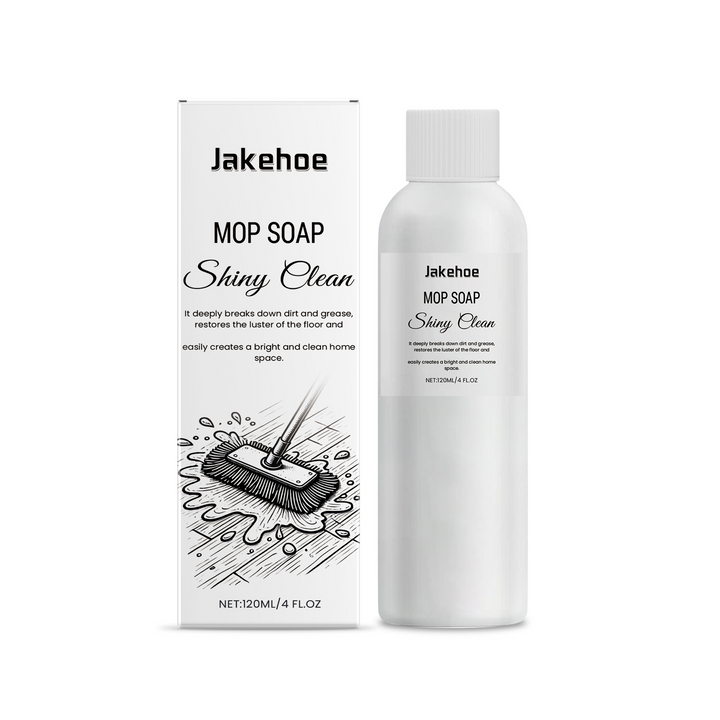
Jakehoe Floor Cleaner Concentrate for Hardwood & Tile Shine


Find practical floor brushes and cleaning solutions for tile, hardwood, bathrooms, and other hard-floor surfaces. This category includes a telescopic brush with squeegee, a tile-cleaning spray, and a hardwood-and-tile cleaner concentrate to help with scrubbing, rinsing, and everyday floor care.
Start with the floor surface and the type of dirt you need to remove. Tile and grout can usually handle a firmer floor scrub brush, while hardwood needs controlled moisture and a softer approach to help protect the finish. A long-handle floor scrub brush is useful for bathrooms, kitchens, and large areas because you can work upright instead of kneeling. For wet cleaning, choose a floor brush scrubber with a squeegee so you can pull excess water toward a drain or collection point. Pair the brush with a suitable tile spray or hardwood-and-tile cleaning concentrate, and always follow the flooring manufacturer’s care instructions before applying a new product.
A stiff bristle floor brush is suited to textured tile, grout lines, entryways, and stuck-on residue. A softer brush is better for routine cleaning on smooth tile or finished hardwood, where aggressive scrubbing may leave marks or dull the surface. A telescopic 2-in-1 brush and squeegee combines scrubbing and water removal in one tool, making it practical for showers, glass, tile walls, and bathroom floors. Spray cleaners are convenient for spot treatment, while a concentrated floor cleaner can be diluted for broader cleaning when the label permits. Consider brush width, handle reach, and storage space as well as bristle firmness.
For a floor brush heavy-duty enough for frequent cleaning, check the handle connection, brush-head stability, bristle density, and resistance to water and cleaning products. A secure joint helps the head stay flat when you apply pressure to grout or textured tile. A telescopic handle should adjust smoothly and lock firmly at the working height. A squeegee edge is helpful after rinsing because it moves standing water without requiring a separate tool. Look for a head shape that reaches corners and along baseboards, but avoid choosing stiffness based only on the word heavy-duty. Hardwood floors generally need less aggressive brushing than tile and grout, so surface compatibility matters most.
Remove loose dirt first by sweeping or vacuuming, then apply a compatible tile spray or diluted floor-cleaning solution according to its directions. Work in small sections so the solution does not dry on the surface. Use overlapping strokes with a floor scrub brush with handle, concentrating on grout, edges, and visible buildup rather than pressing excessively. On hardwood, use only the amount of moisture recommended for the flooring and avoid leaving puddles. After scrubbing, use the squeegee side to pull water away on suitable surfaces, then wipe or allow the area to dry as directed. Rinse the brush head after use and store it where it can dry fully.
One common mistake is using the same aggressive brush on every surface. Hard bristles can be unsuitable for finished hardwood, while a soft brush may not remove buildup from textured tile or grout. Applying too much cleaner can leave residue, so use the product’s stated dilution or application guidance instead of assuming more is better. Do not let spray or solution dry on the floor unless the label specifically allows it. Avoid forcing a telescopic handle at an angle, which can reduce contact between the brush and floor. Finally, clean the brush after each use; trapped grit and old residue can spread dirt during the next session.
A floor scrubber brush with squeegee is useful for homeowners who clean tile bathrooms, kitchens, utility rooms, shower areas, or other water-tolerant surfaces. The long handle helps with upright cleaning, while the squeegee supports faster water removal after rinsing. It can also suit renters or small-space households that want one tool for tile floors, glass, and walls. For hardwood owners, the brush is most useful when the head and cleaning method are compatible with the floor finish and moisture limits. If you mainly need quick daily dust removal, a vacuum or dry mop may be simpler. If you regularly tackle grout, spills, or bathroom residue, a dedicated floor brush offers more scrubbing control.
The best brush depends on the surface and the soil. Choose firmer bristles for textured tile and grout, and a softer brush with controlled moisture for finished hardwood. A telescopic brush with a squeegee is a versatile option for water-tolerant floors and bathroom surfaces.
For home use, look for a manageable brush head, a handle that locks securely, and bristles suited to your flooring. A 2-in-1 brush and squeegee can be practical for tile bathrooms because it scrubs and helps remove rinse water. Use a compatible cleaning spray or concentrate rather than relying on the tool alone.
For tile and grout, a firm, stable brush can provide useful scrubbing action. For hardwood, choose a gentler head and limit moisture according to the floor manufacturer’s care guidance. The best choice is the one that matches the surface without requiring excessive pressure.
Use a floor brush with bristles appropriate for the flooring, paired with a compatible cleaner. Tile may benefit from a tile-cleaning spray and firmer brush, while hardwood generally calls for a suitable cleaner, light moisture, and gentler agitation. Test any unfamiliar product or method in a small, inconspicuous area first.
Cleaning routines vary, but useful tools commonly include a brush or mop suited to the surface, a vacuum or broom for loose dirt, and a compatible floor cleaner. For tile and bathrooms, a long-handle scrub brush with a squeegee can make detailed cleaning and water removal easier. The method matters as much as the tool: use the right dilution and avoid over-wetting hardwood.
A floor scrub brush can clean more effectively than a standard mop when dirt is lodged in grout, textured tile, corners, or along edges. A brush agitates stuck-on residue, while a squeegee can help remove rinse water on suitable surfaces. For routine dust and light soil, however, a mop or vacuum may be faster and more convenient.