
$64.90
Free delivery · 7–14 days
Car Interior Restoration Spray With Protective Finish

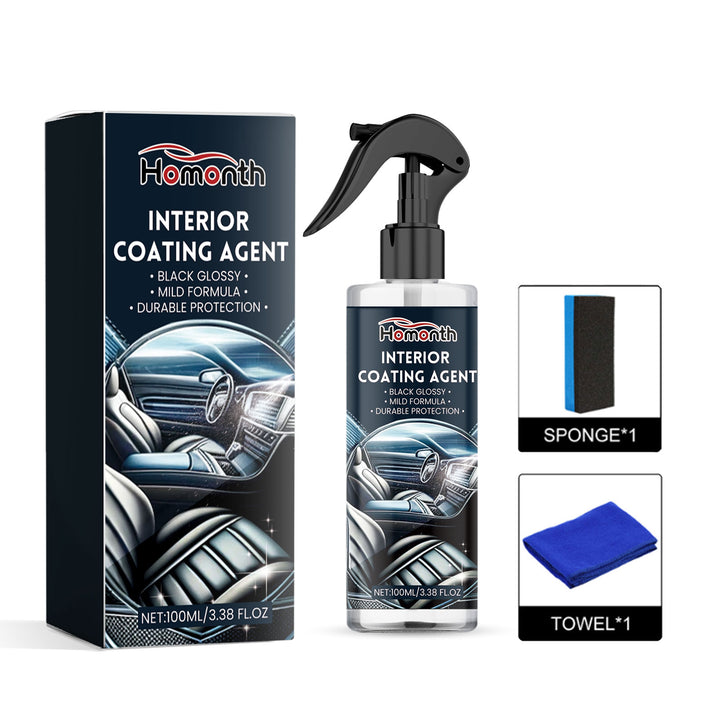


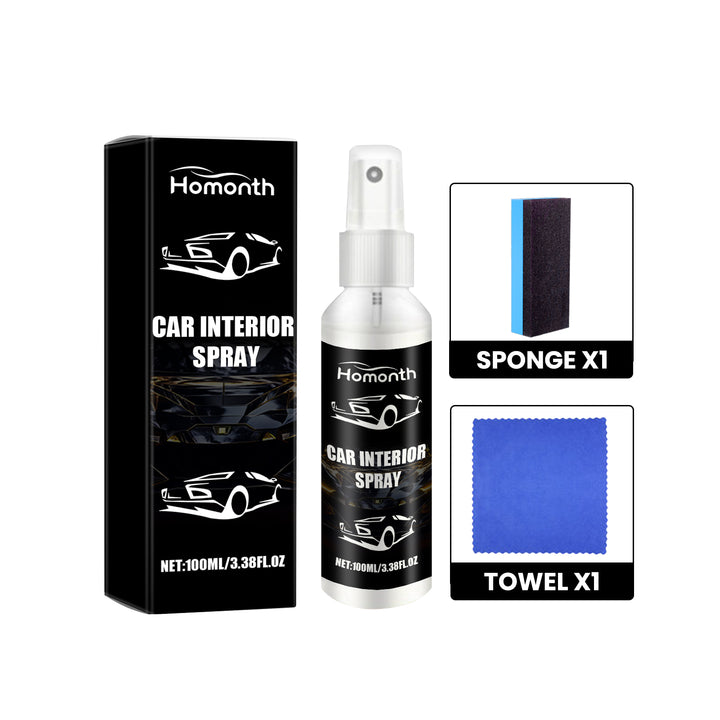
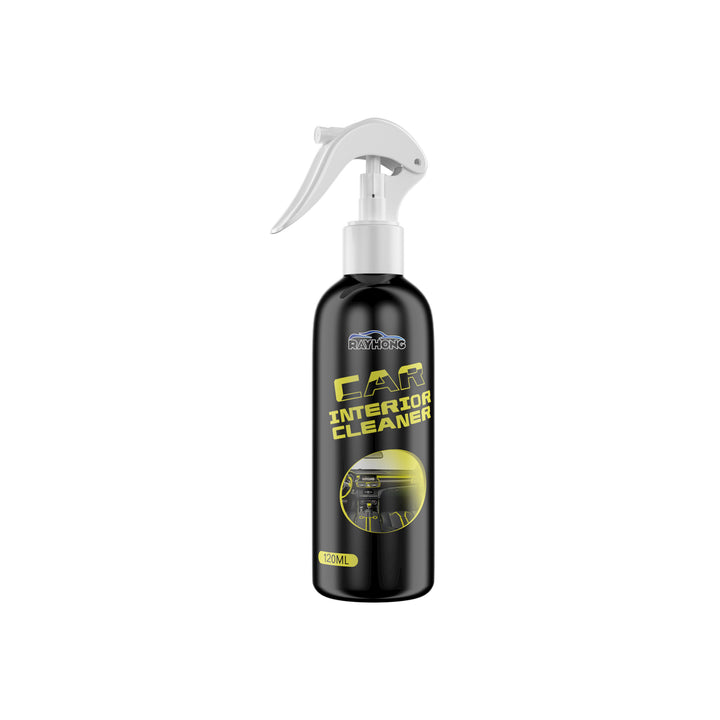


Auto interior care products help you clean seats, dashboards, door panels, consoles, and other cabin surfaces between professional details. This category includes foam cleaners, spray cleaners, stain removers, leather cleaning cream, and matte-finish protectants so you can match the product to the material and mess.
Start by identifying the surface you need to clean. Leather seats and leather-trimmed panels are best matched with a leather cleaning cream, while fabric seats and carpets may benefit from a foam cleaner or targeted stain remover. For dashboards, door panels, center consoles, and other hard surfaces, choose an interior cleaner spray or a cleaner with protectant. Check whether you want a matte finish or a more refreshed appearance before buying. A foam formula can help hold product on a stain, while a spray is convenient for broad wipe-downs. If your cabin has several materials, choose separate products rather than using one formula everywhere. Always read the product directions and test an inconspicuous area first.
Foam cleaners are designed for targeted application and can be useful on stubborn stains, fabric seating, and textured interior surfaces when used as directed. Spray cleaners are convenient for routine cleaning across dashboards, consoles, door panels, and other compatible areas. Stain remover sprays focus on fast treatment of visible marks rather than general cabin maintenance. Leather cleaning cream is intended for leather seats and interior trim, where a cream format can support controlled application. Cleaner-and-protectant formulas combine cleaning with a finish intended to help maintain a matte appearance. Compare the product description with your vehicle’s materials, because upholstery, vinyl, plastic, faux leather, and genuine leather may require different care.
Look for clear surface guidance, application instructions, and a finish that suits your preferences. A matte-finish cleaner and protectant can be a practical choice for dashboards and trim if you want to avoid a glossy look. For visible marks, choose a stain remover or foam cleaner that can be applied directly to the affected area. If you are cleaning leather seats, select a product specifically described for leather rather than relying on a general-purpose interior spray. Consider the size and shape of the areas you clean most often: a spray is efficient for large panels, while foam or cream can offer more controlled placement. A product that wipes away cleanly is also useful for regular maintenance.
Remove loose dust and debris first so you do not rub grit across the surface. Apply a small amount of cleaner to a microfiber cloth or directly to the surface only when the instructions allow it; avoid soaking seats, seams, switches, screens, and electronic controls. Work in small sections, gently agitate stains with a suitable cloth, then wipe away residue with a clean, dry towel. Leather cleaning cream should be spread lightly and evenly, while foam should be given only the recommended working time. Use a separate cloth for dirty areas and finish work. Test every product on a hidden spot, allow the area to dry, and check the result before treating the rest of the cabin.
Do not assume a product is safe for every interior material. Using leather cream on fabric, a strong stain treatment on delicate trim, or an unsuitable cleaner on screens can leave marks or damage the finish. Avoid saturating cushions and upholstery, especially around stitching, seams, controls, and vents. Spraying directly onto dashboards or electronic components can spread liquid into gaps, so applying product to a cloth is often more controlled. Do not scrub aggressively, since friction can spread a stain or affect the surface appearance. Mixing different cleaners is another mistake; remove the first product fully before using another. Finally, do not skip the hidden-area test or leave residue behind after wiping.
These products suit drivers who want to maintain a cleaner cabin between professional services, prepare a vehicle for sale, or handle everyday marks from food, dust, passengers, and pets. A spray cleaner is practical for frequent dashboard and console wipe-downs, while foam products are useful when stains need more focused treatment. Leather cleaning cream is a better fit for vehicles with leather seats or leather interior trim. Cleaner-and-protectant formulas may suit shoppers who want a refreshed, matte-looking finish during routine care. Home detailers can use these products as part of a larger cleaning routine, but they should not expect a consumer cleaner to replace repairs, upholstery restoration, or professional treatment for severe damage. Choose according to your vehicle’s materials and cleaning goals.
The price varies by vehicle size, cabin condition, local labor rates, and whether the service is a basic clean or a full detail. Consumer auto interior care products provide a lower-cost option for routine cleaning, spot treatment, and maintenance at home. For a precise service price, compare local detailers and ask what surfaces and tasks are included.
Dealerships may use a combination of vacuuming, interior sprays, foam cleaners, stain treatments, microfiber towels, and material-specific products. The exact products and process vary by dealership and vehicle condition. At home, use a cleaner that is explicitly suitable for the surface, such as leather cream for leather or an interior spray for compatible hard surfaces.
The best choice depends on the material and the type of dirt. Use an interior spray for routine cleaning of compatible hard surfaces, foam or stain remover for targeted marks, and leather cleaning cream for leather seats and trim. Always follow the directions, use a clean microfiber cloth, and test an inconspicuous area first.
Interior detailing can be worthwhile if the cabin has embedded dirt, widespread staining, odors, or areas that need more time and equipment than a routine wipe-down. For regular upkeep and small messes, home cleaning products can help maintain the interior between professional appointments. The value depends on your vehicle’s condition, available time, and whether you are preparing it for sale or continued use.
Professional detailing costs more than cleaning the interior yourself and may require leaving the vehicle with a service provider. Some aggressive techniques or unsuitable products can affect delicate materials, so it is important to ask what methods will be used. Home cleaning also has risks if you oversaturate upholstery, scrub too hard, or apply a product to the wrong surface.
Tipping practices vary by location, service quality, and personal preference, and a tip is not always required. If you are pleased with the work, you can choose an amount that reflects the effort and service provided rather than following a fixed rule. Check whether gratuity is already included and consider asking the business about its tipping policy.