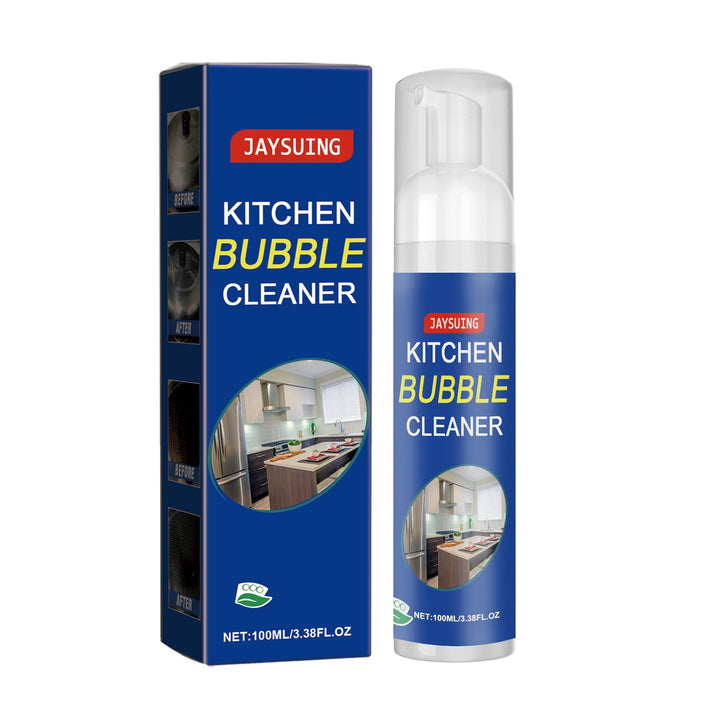
$49.90
Free delivery · 7–14 days
Kitchen Cleaning Foam — Cuts Heavy Grease Fast


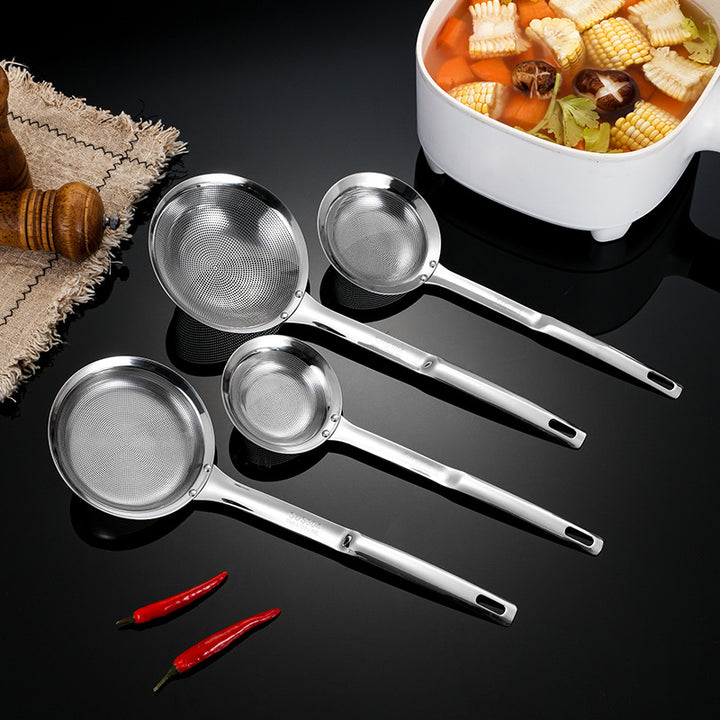
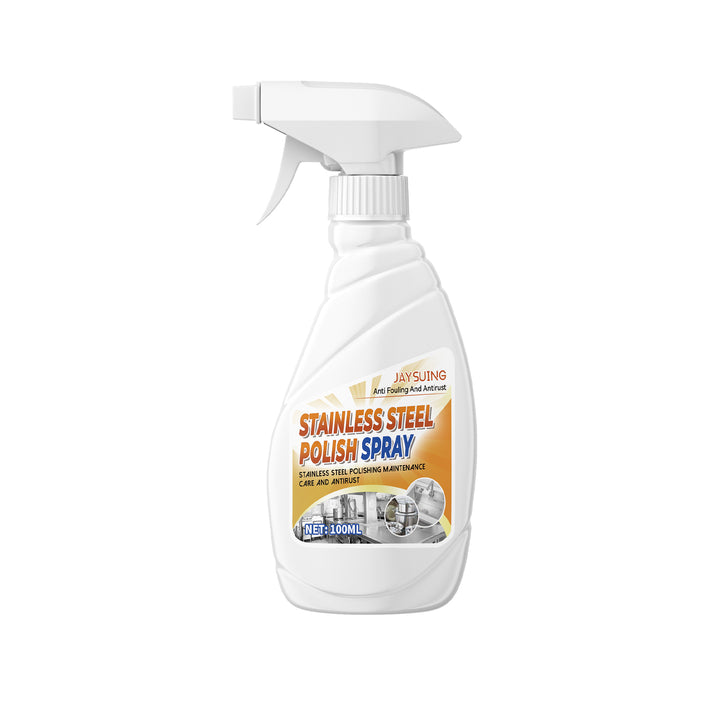
Microfiber cleaning cloths are reusable towels designed to pick up dust, fingerprints, grease, and light spills with less lint than many ordinary cotton cloths. Use this guide to compare cloth types, choose the right texture, and care for towels used on kitchens, glass, stainless steel, and delicate surfaces.
Start with the surfaces you clean most often. For counters, appliances, and general dusting, choose a medium-weave microfiber cloth that can absorb moisture and lift everyday grime. For mirrors, screens, and a microfiber cloth for glasses, select a smooth, low-lint cloth reserved for delicate surfaces. If you clean kitchens frequently, keep separate towels for grease, polishing, and glass so residue does not transfer. Reusable sets are useful when you want enough cloths for different rooms or cleaning tasks. When comparing the best microfiber cleaning cloths, check the weave, edging, care instructions, and intended use rather than relying only on color or package size. Shoppers comparing microfiber cleaning cloths online, in stores, or through wholesale listings should also confirm whether the cloths are washable and whether fabric softener is discouraged.
Different weaves perform better on different surfaces. Plush or higher-pile cloths are useful for dusting, wiping spills, and applying or removing mild cleaning products. Waffle-weave towels can hold moisture while remaining practical for kitchen and bathroom wiping. Smooth glass or lens cloths are better for mirrors, windows, eyeglasses, and other surfaces where lint or visible streaks are a concern. Suede-like microfiber is commonly chosen for screens, lenses, and polished finishes because it has a flatter surface. A scrubby or textured cloth can help with stuck-on residue, but it should be used cautiously on easily scratched finishes. Keep a microfiber cloth for glasses separate from kitchen towels, and label cloths by task if several people share the cleaning supplies.
Look for tightly finished edges, an even weave, and a surface suited to the job. A cloth should feel substantial enough to hold moisture without leaving loose fibers behind. For stainless steel, glass, and polished surfaces, smooth construction and clean edges matter because trapped grit can cause marks. For grease and spills, absorbency and a washable design are more important than an especially soft finish. Neutral or task-specific colors can help you separate bathroom, kitchen, glass, and utility cloths. Review the washing instructions before buying: many microfiber towels should be washed separately from lint-producing fabrics and should not be treated with fabric softener. Whether you search for microfiber cleaning cloths near me, compare a microfiber cloth Walmart listing, or review microfiber cleaning cloths Amazon results, inspect the product details for intended surfaces and care guidance.
Remove loose dust and grit before wiping polished, glass, or painted surfaces. For routine cleaning, lightly dampen the cloth rather than soaking it; excess water can spread residue and create streaks. Fold the towel into sections so you can switch to a clean face as dirt builds up. Use a separate dry, smooth cloth to buff glass, mirrors, stainless steel, or screens after cleaning. Apply cleaner to the cloth when the surface or product instructions call for it, and avoid mixing residues from different cleaners. On stainless steel, wipe with the finish direction instead of making circular strokes. Rinse or replace the cloth when it becomes greasy. After use, wash microfiber towels according to their care label, dry them fully, and store them away from dusty or oily tools.
The most common mistake is using one cloth for every task. A towel used on greasy cookware should not be used immediately on glasses or polished stainless steel. Avoid wiping gritty surfaces with a dry cloth when particles could scratch the finish; remove loose debris first. Do not overload a cloth with cleaning spray, since heavy product buildup can leave streaks and reduce absorbency. Fabric softener and some laundry additives can coat microfiber fibers, so follow the care label and use a suitable wash routine. Do not use a rough or contaminated cloth on screens, lenses, glossy finishes, or delicate coatings. Finally, do not assume every microfiber towel is lint-free under every condition. Wash it before first use when recommended, inspect it for trapped debris, and retire cloths that stay greasy or shed fibers.
Microfiber cleaning cloths suit households, renters, vehicle owners, office teams, and professional cleaners who want washable towels for repeat cleaning tasks. They are especially practical for kitchens, stainless steel appliances, mirrors, windows, dusting, and light-detailing work. They can also be useful for glasses and screens when the cloth is specifically made for delicate surfaces and kept free of grit. Buyers who clean often may prefer multipacks with separate colors for different rooms or jobs. Wholesale shoppers can benefit from consistent cloth types for routine maintenance, but should still assign separate towels to greasy, dusty, and delicate work. If you mainly need a heavy scrubber for baked-on residue, a microfiber towel may work best as the wiping and finishing step rather than as the only cleaning tool.
Avoid using a dirty or textured microfiber cloth on delicate coatings, lenses, screens, and easily scratched polished surfaces. Do not use the same towel for greasy kitchen work and glasses or mirrors without washing it first. Remove grit before wiping any surface where particles could cause marks.
They can be useful because they are reusable, low-lint, and available in textures suited to dusting, wiping, polishing, and glass cleaning. They are not automatically better for every task; the right weave, clean condition, and appropriate cleaner still matter.
The best choice depends on the surface and task rather than brand name alone. Compare the weave, edge construction, absorbency, care instructions, and whether the cloth is intended for glass, lenses, kitchens, or general cleaning.
Microfiber cloths require careful washing because lint-producing fabrics, fabric softener, and residue can reduce performance. They can also spread grease or scratch-sensitive surfaces if they are reused while dirty. Keeping separate cloths for different jobs helps avoid these problems.
Professional cleaners commonly use different microfiber textures and colors for separate tasks, such as glass, dusting, bathrooms, and kitchens. The exact selection varies, but clean, durable, washable cloths with clear task separation are more useful than using one towel everywhere.
A small amount of dish soap may be suitable for some greasy cleaning tasks when the surface and product instructions allow it. Rinse the cloth thoroughly so soap and grease do not remain in the fibers, and follow the cloth's care label before laundering. Do not use kitchen-cleaning residue on glasses, screens, or other delicate surfaces.