
$64.90
Free delivery · 7–14 days
Glue Remover Spray for Cars, Glass & Home Surfaces


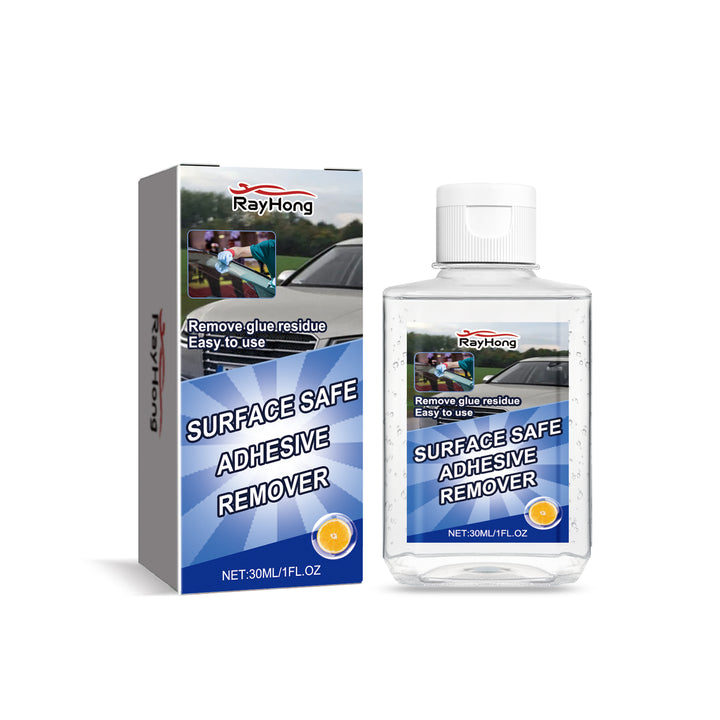


Find an adhesive remover for lifting sticker residue, tape glue, labels, tar marks and other sticky buildup from glass, cars, plastic, tile and household surfaces. Choose a spray, wipe, scraper-assisted kit or specialist cleaner based on the residue, surface and amount of cleanup required.
Start with the surface, then match the remover to the residue. For car paint, dashboards and trim, choose an automotive adhesive remover that is intended for vehicle surfaces. For windows, mirrors and household glass, a general glue remover spray or scraper kit can help loosen labels and sticker residue. Plastic needs extra care because some strong solvents can dull, soften or discolor it, so check the product directions and test a hidden area first. For small jobs, adhesive remover wipes are convenient and help control the amount applied. If the residue is thick or baked on, choose a formula paired with a scraper. Avoid treating skin, clothing or delicate finishes unless the label specifically allows that use.
Sprays are useful for covering broad areas such as car doors, glass panels and worktops, while wipes suit small marks, label edges and quick cleanup. A remover with a scraper is designed for stubborn sticker residue that needs both softening and lifting. Automotive formulas focus on glue, decals and tar marks on suitable vehicle surfaces. Car interior cleaners are better for sticky grime and residue on dashboards, consoles and trim when the product is intended for interior materials. General surface removers work across selected household materials, but compatibility varies. Bathroom water-stain remover is a separate option for mineral marks on glass, tile and tubs; it should not be assumed to dissolve glue. Adhesive remover for clothes or skin requires a product specifically labeled for those uses.
Look for clear surface guidance covering the material you plan to clean, such as glass, painted metal, plastic, tile, laminate or automotive trim. A controlled spray helps with larger areas, while a wipe is practical for localized residue. If you are removing old decals or thick labels, a scraper can reduce rubbing, but the tool should be used carefully to avoid scratching. Check whether the formula is designed for car exterior paint, car interior surfaces, tar marks or general household cleanup. Instructions should explain dwell time, wiping and whether rinsing is needed. Always check warnings about unfinished wood, soft plastics, painted surfaces and fabrics. For an adhesive remover 3M-style application or any branded tape residue, focus on the surface compatibility rather than assuming one formula fits every adhesive.
Remove loose paper or label material first, then apply a small amount of remover to the residue or to a cloth, following the product directions. Allow it to work for the stated time instead of immediately scrubbing. Lift softened glue with a clean cloth or suitable scraper, keeping the tool flat and using light pressure on glass. Wipe away remaining product and residue, then clean the surface as directed. On a car, work in a shaded area on a cool surface and avoid letting the formula dry in place. For plastic, painted trim, tile or laminate, test an inconspicuous spot before treating the visible area. Use ventilation and protective gloves when the label recommends them, and never apply a surface cleaner to skin unless it is specifically made for skin use.
Do not begin with an aggressive solvent simply because the residue looks difficult. A strong formula can damage plastic, paint, coatings or printed surfaces. Avoid scraping with knives, metal blades or excessive pressure, especially on acrylic, appliance finishes and car interiors. Do not flood seams, switches, upholstery or electronics with spray. Leaving remover on longer than directed can create a new cleanup problem, while wiping too soon may spread softened glue. Skipping a hidden-area test is another common mistake, particularly with plastic, painted surfaces and fabric. Household options such as WD-40, dish soap or vinegar may help with some marks but are not universal adhesive removers; residue type and surface compatibility still matter. Keep products intended for surfaces away from skin, food-contact areas and clothing unless the label says otherwise.
Choose a glass and home-surface spray for renters, households and DIY users removing labels from windows, mirrors, appliances or hard surfaces. Automotive sprays suit drivers and detailers handling decals, tape residue or tar marks on compatible exterior surfaces. A car interior cleaner is more appropriate for sticky buildup on dashboards, consoles and trim. Choose a scraper-assisted remover when old stickers have hardened and need lifting after softening. Wipes are convenient for offices, retail displays, moving cleanup and small repairs. If you need adhesive remover for clothes, adhesive remover skin products or adhesive remover medical supplies, shop for those dedicated categories rather than using a general surface formula. People working with delicate materials should prioritize explicit compatibility instructions and a discreet patch test.
The best choice depends on both the adhesive and the surface. A purpose-made adhesive remover can soften sticker glue, tape residue and decals, while a scraper-assisted option helps with thick buildup. Test the product on a hidden area first, especially on plastic, paint, trim or coated surfaces.
Solvent-based adhesive removers are designed to soften many common sticker, tape and label residues, but no formula works safely on every material or adhesive. Follow the label, allow the recommended working time and confirm compatibility before treating the visible surface.
WD-40 may loosen some sticky residues, but it is not a universal solution and may leave an oily film. A dedicated adhesive remover gives you surface-specific directions and is usually easier to match to car paint, glass, plastic or household materials.
Dish soap can help remove light oily residue or the film left after adhesive has been loosened, but it may not dissolve stubborn sticker glue by itself. For hardened labels or tape residue, use a suitable adhesive remover first, then wash or wipe the surface as directed.
Vinegar may help with some light residue, but results vary by adhesive and surface. It is not a reliable substitute for a dedicated remover, and acidic cleaners may be unsuitable for certain stone, metal, coatings or finished surfaces.
The best adhesive remover is the one labeled for your surface and the type of cleanup required. Pick an automotive formula for compatible car surfaces, a glass and home-surface formula for household materials, wipes for small marks or a scraper kit for stubborn sticker residue. Always test first and follow the directions.