
$64.90
Free delivery · 7–14 days
Tanning Nasal Spray for a Streak-Free Bronze Glow

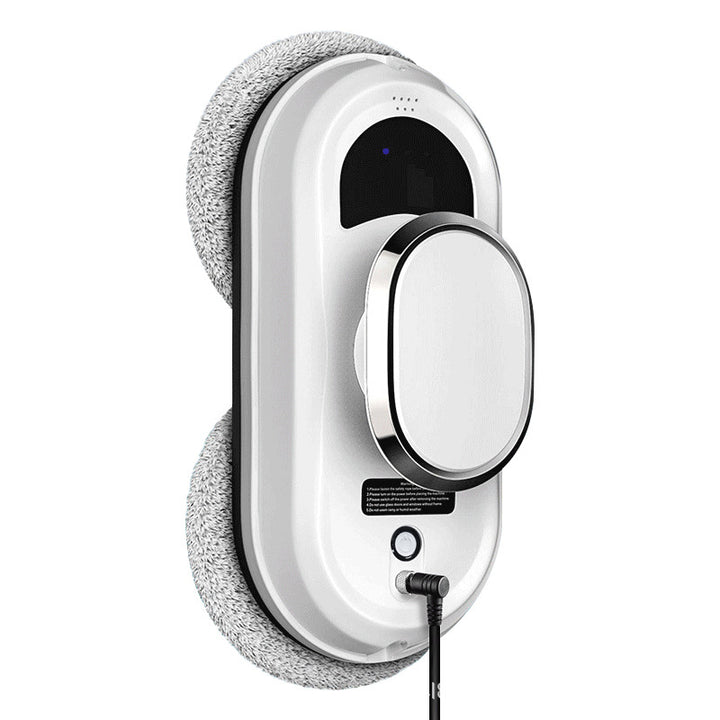


Glass wipers and window squeegees help remove water, foam and loose residue from windows, mirrors, shower screens and other smooth glass surfaces. This range includes handheld squeegees, sponge-and-squeegee tools, sprays, long-handle options and an automated window-cleaning robot, so you can choose the right format for your cleaning routine.
Start with the surface, the amount of glass and the type of residue you need to remove. A compact glass wiper suits mirrors, shower doors and small panes, while a window wiper with a long handle is more practical for high or wide windows. For dried-on marks, choose a glass cleaning wiper with sponge so you can loosen dirt before pulling water away with the blade. If you prefer a two-step routine, pair a window cleaning foam spray with a separate squeegee. For larger areas or reduced manual effort, a window cleaning robot may be worth considering. Check the product dimensions, handle length, blade material and whether replacement or washable parts are included before buying.
Traditional squeegees use a flexible blade to collect water and cleaning solution in one pass. Sponge-and-squeegee designs add a scrubbing side, making them useful for bathroom glass, tiles and surfaces with light buildup. A telescopic 2-in-1 brush and squeegee combines reach with brushing, which can help when cleaning glass and tile at different heights. Foam spray is not a wiper itself, but it can help spread cleaner across windows and screens before wiping. Automated options, such as the 5600Pa auto glass cleaner, are designed for users who want less hands-on cleaning. Clip-on wipers for glasses are a separate small-scale format for eyewear and should be chosen for lens-safe contact.
Look for a smooth, flexible blade that sits evenly against the glass without visible gaps. A comfortable, non-slip handle makes repeated strokes easier, especially when cleaning several windows. For high panes, compare the fully extended length of a telescopic handle rather than relying on general descriptions. A sponge attachment should feel secure and be easy to rinse after use. If you need glass cleaner wiper both sides performance, check whether the design reaches both sides of a pane or simply has two cleaning surfaces on one tool; these are not always the same. Also consider storage, drying and blade width. A wider blade covers more area, while a narrower one can be easier around frames, corners and small panes.
Remove loose dust first so grit does not drag across the glass. Apply a light, even amount of cleaner rather than soaking the surface, then use the sponge side where extra agitation is needed. Hold the wiper at a consistent angle and pull in overlapping strokes from top to bottom or across the pane. Wipe the blade after each pass with a clean glass wiper cloth or lint-free cloth; trapped water and dirt can create lines. Finish the edges and corners separately, where liquid often collects. Avoid cleaning hot glass in direct sun because the solution may dry before you complete the pass. Rinse and dry the blade after use, then store it away from grit and heat.
Using a dirty blade is one of the quickest ways to leave streaks, so rinse it regularly and inspect the edge for trapped particles. Do not press excessively hard; steady contact is usually more effective than force. Avoid using rough cloths or abrasive pads on glass, screens or eyewear, as they may mark delicate surfaces. A long handle can improve reach, but keep the tool controlled and follow the product’s guidance for height and angle. Do not assume a product made for windows is suitable for glasses, coated lenses or electronic screens. Check compatibility first, especially when using foam spray. Finally, do not leave water sitting around frames and seals after cleaning, since it can run onto nearby surfaces.
A long-handle window glass cleaning wiper suits homes with tall windows, conservatories, shower walls or hard-to-reach tiles, particularly when you want to clean from floor level. The telescopic 2-in-1 brush and squeegee is useful when a surface needs brushing before the final wipe. A compact handheld tool is better for mirrors, smaller windows and quick daily touch-ups. Consider a window cleaning robot if you have broad glass areas and prefer an automated approach, while checking the operating instructions and surface requirements before use. A glasses cleaner wiper or clip-on wiper for glasses is intended for eyewear rather than household panes. For a simple spray-and-wipe routine, the window cleaning foam spray can complement any suitable squeegee.
A glass wiper is commonly called a squeegee, window squeegee or window wiper. It has a flexible edge that pulls water and cleaning solution from smooth surfaces.
Windshield wipers for vehicles are a separate product category from household glass wipers. For household windows, choose a squeegee with an even flexible blade, a comfortable handle and a width suited to your glass; always check that the product is intended for the surface you plan to clean.
A window wiper is also known as a window squeegee or glass squeegee. Some designs add a sponge, brush or telescopic handle for scrubbing and reaching higher panes.
A telescopic 2-in-1 brush and squeegee is a practical option when you need extra reach for windows, glass and tile. Compare its extended length, handle grip, blade width and whether the head can be controlled comfortably at the required height.
The best choice depends on the surface and cleaning job. Look for a smooth, flexible blade, a secure handle, easy rinsing and a width that matches your windows; choose a sponge-and-squeegee design when you also need to loosen residue.
Professional cleaners generally choose squeegees for blade consistency, comfortable handles, suitable widths and easy maintenance rather than one universal format. When comparing products here, focus on those features and select a compact, long-handle, sponge or automated design according to the job.