
$64.90
Free delivery · 7–14 days
Car Glass Cleaning Wipes for Streak-Free Visibility


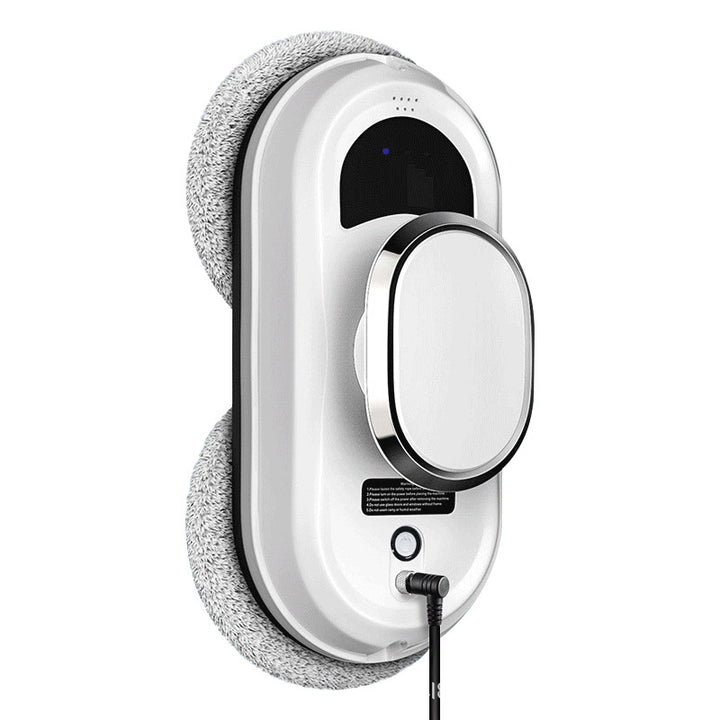
Window cleaning robots and related glass-cleaning tools help reduce the time and effort needed for routine window care. This category includes an automatic 5600Pa glass-cleaning robot, cleaning tablets, foam spray, and a 3-in-1 spray, scrape, and wipe tool for different cleaning tasks.
Start by matching the product to your windows, cleaning routine, and comfort with assisted equipment. A window cleaning robot is designed for smooth glass and can help with large panes, but you should check the product instructions for suitable surfaces, window frames, and operating conditions. The 5600Pa auto glass cleaner is the main choice here if you want robotic assistance for regular glass cleaning. For smaller windows, detailed touch-ups, or surfaces where a robot is unsuitable, foam spray, glass cleaning tablets, or the 3-in-1 tool may be more practical. Consider whether you need help reaching tall panes, how often you clean, and whether you are prepared to supervise the robot during use.
Automatic window washing robots are useful for covering smooth glass with less hands-on wiping, while manual tools give you more control over edges, corners, frames, and stubborn marks. The 5600Pa window cleaning robot suits shoppers looking for an automatic approach to broad glass surfaces. Window cleaning foam spray works well when you want to loosen everyday grime before wiping, and glass cleaning tablets offer a compact way to prepare a cleaning solution. The 3-in-1 window cleaning tool combines spraying, scraping, and wiping in one handheld format. Many households can use a robot for the main pane and a manual tool for edges or follow-up cleaning.
When comparing window cleaning robots, look beyond the word cordless and check how the product is intended to operate. Review the power arrangement, cleaning path, controls, safety instructions, and compatibility with your glass. A robot should be suitable for the window type and should not be treated as a set-and-forget appliance. Suction performance matters for maintaining contact with the pane; this category includes a model rated at 5600Pa. Also consider the shape of your windows, the amount of frame or divided glass, and how easily you can access the robot for setup and removal. For high-rise buildings, follow all supplied safety guidance and supervise use from a secure position.
Before using a window cleaning robot, remove loose dust and check the glass for grit or debris that could be dragged across the surface. Prepare the cleaning pad or solution according to the instructions, place the robot correctly, and confirm that it has a secure connection with the glass before starting. Keep hands, cords, and nearby objects clear while it works, and supervise the cleaning cycle rather than leaving the device unattended. Use a manual cloth or the 3-in-1 tool around corners, seals, and frames if the robot does not reach them. After cleaning, remove the robot as directed, wash or replace the pad when needed, and store all components dry.
A frequent mistake is using a robot on a surface that is unsuitable or too uneven for reliable contact. Excess cleaning liquid can also affect movement and leave more residue, so use only the amount recommended for the device. Dirty or worn pads may spread grime instead of removing it, while skipping the first dust-removal step can create visible marks. Do not assume a window cleaning robot can safely clean every frame, corner, skylight, or exterior pane without supervision. Avoid comparing products only by suction figures or searching for a so-called best window cleaning robot without checking your window layout. If the robot is not appropriate for a particular pane, use foam spray, tablets, or a manual scraper-and-wipe tool instead.
Window cleaning robots can suit people with large smooth windows, frequent cleaning needs, or panes that are tiring to reach by hand. They may also appeal to shoppers comparing window cleaning robots reviews and looking for a more assisted approach than traditional wiping. They are not a replacement for checking the glass, managing setup, cleaning edges, or following safety instructions. For renters, smaller homes, or occasional spot cleaning, glass cleaning tablets and foam spray may offer a simpler solution. The 3-in-1 tool is useful when you want direct control over spray, scraping, and wiping. Anyone considering use on upper-level or high-rise windows should confirm that the product is appropriate and follow every safety direction.
It can be worthwhile if you regularly clean large, smooth glass areas and want to reduce hands-on wiping. You still need to prepare the glass, supervise the robot, and handle edges or unsuitable surfaces manually, so the value depends on your windows and cleaning routine.
The best option is the one that matches your glass type, pane size, access, and preferred cleaning method. In this category, the 5600Pa auto glass cleaner is the robotic option, while foam spray, tablets, and the 3-in-1 tool provide manual alternatives or useful finishing support.
The price varies by model, features, included accessories, and seller. Check the current product listing for the latest price, and compare the total package rather than suction performance alone.
For assisted cleaning of suitable smooth glass, an automatic window cleaning robot may be convenient. For smaller panes, corners, frames, or occasional cleaning, a foam spray, tablet solution, or 3-in-1 spray, scrape, and wipe tool may be the better home choice.
Professional cleaners commonly choose tools according to the building, glass, access, and type of dirt, including cleaning solutions, applicators, squeegees, scrapers, and safety equipment. A household window cleaning robot can assist with suitable glass but should not be assumed to replace professional access methods or safety procedures.