
$36.90
Free delivery · 7–14 days
Reusable Silicone Swab Kit — 5 Ear & Makeup Cleaning Tools



Find practical window cleaning products for glass doors, interior windows, mirrors, screens, and hard-to-reach panes. This range includes sprays, combination tools, silicone wipers, and an automated glass-cleaning robot, so you can choose a setup for quick touch-ups or larger window cleaning jobs.
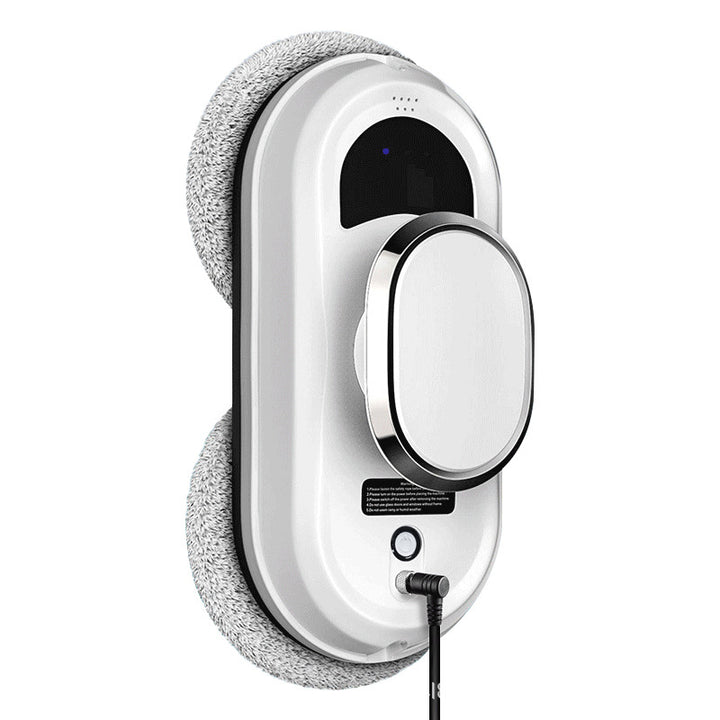
Start with the type of surface, the size of the job, and how much manual work you want to do. A foam spray is useful for fingerprints, dust, and everyday marks on glass and screens. Choose the 3-in-1 window cleaning tool when you want to spray, loosen residue with a scraper, and wipe with one handheld tool. A cloud-shaped glass wiper suits fast finishing passes on mirrors and smooth panes. For larger or elevated exterior windows, the 5600Pa window cleaning robot is designed to move across compatible glass surfaces with less hands-on wiping. Check the product instructions before use, especially for frameless, textured, wet, or unusually shaped glass. If you are comparing professional window cleaning tools, prioritize surface compatibility, reach, replacement parts, and easy cleaning after use.
Window cleaning solutions and tools work best when matched to the mess. Use the window cleaning foam spray for routine cleaning on glass and screens, then wipe with a clean, lint-free cloth or compatible wiper. The 3-in-1 tool is more versatile when panes have stuck-on spots, because its scraper can help lift residue before the wiping stage; use gentle pressure to reduce the risk of scratching. The cloud-shaped glass wiper is a compact option for mirrors, bathroom glass, and quick streak removal. The window cleaning robot is the most automated choice for suitable large panes, but it still needs correct setup and supervision. The reusable silicone swab kit is intended for small personal-cleaning tasks, not windows, mirrors, or large glass surfaces.
The best professional window cleaning tools are not defined by one feature alone. Look for a handle or body that is comfortable to hold, a wiping edge that stays in contact with the glass, and materials that rinse clean without trapping grit. For spray tools, check how the liquid is dispensed and whether the reservoir is simple to refill. For scrapers, confirm that the blade is suitable for the intended surface and keep debris away from the glass while working. If you are considering a robot, review its glass-surface requirements, power arrangements, navigation features, and safety instructions. A window cleaning tool professional users may prefer should also be easy to store and maintain. Replacement pads, washable components, and clear instructions can matter more than extra attachments.
Remove loose dust and grit first so it does not drag across the surface. Apply window cleaning spray sparingly to the glass or to a cloth, following the product directions; excessive liquid can leave runs and make drying slower. Work in manageable sections, wiping from top to bottom or in overlapping passes. Turn or rinse the cloth when it becomes damp or dirty, and finish with a dry, clean edge to reduce streaks. With the 3-in-1 tool, spray first, use the scraper only where needed, and then wipe away the loosened residue. For a silicone wiper, keep the edge clean and use steady pressure. A robot should be attached, positioned, and monitored exactly as directed, with the glass and pads prepared for use.
Avoid abrasive powders, rough scouring pads, and dirty blades because they can mark glass or leave grit behind. Do not use a scraper on a surface unless the tool instructions confirm that it is suitable, and never drag a blade over loose dirt. Strongly scented, oily, or residue-heavy household products may leave a film that creates more wiping work. Keep excess liquid away from frames, seals, electrical parts, and robot components. Do not combine cleaning products unless their instructions specifically allow it. Vinegar-based mixtures can be useful for some household cleaning tasks, but they may smell strongly, affect certain finishes, and are not automatically suitable for every frame, coating, screen, or stone surround. Test any unfamiliar solution on a small, inconspicuous area first.
Window cleaning tools suit renters, homeowners, offices, and anyone who wants to handle fingerprints, dust, splashes, and routine maintenance between professional visits. A spray and wiper are practical for small areas, while the 3-in-1 tool helps when you want fewer separate accessories. A robot may appeal to people cleaning compatible large glass surfaces who prefer reduced manual wiping, provided they can follow setup and safety instructions. For high, exterior, damaged, or difficult-to-access windows, a window cleaning service may be safer and more efficient than buying equipment. Searchers comparing window cleaning near me, window cleaning service options, or window cleaning cost should request a clear quote because prices vary with window count, size, access, condition, and location. Tools are best for reachable, suitable surfaces and regular upkeep.
There is no single average price that applies everywhere. Window cleaning cost can vary by the number and size of windows, interior or exterior access, building height, condition of the glass, and local pricing. Ask a window cleaning service for a written quote that explains what is included.
A window cleaner may price by the pane, hour, property, or scope of work. The final amount can change when windows are difficult to reach, heavily soiled, oversized, or fitted with screens. Compare quotes from local providers and confirm whether frames, screens, tracks, and travel are included.
The best solution depends on the glass, frame, coating, and type of dirt. A purpose-made window cleaning spray used sparingly is a straightforward choice for routine cleaning, followed by a clean wiper or lint-free cloth. Always follow the solution and window manufacturer instructions, particularly for treated or specialty surfaces.
A diluted mixture may work for some household glass, but it is not suitable for every window, frame, coating, screen, or surrounding material. Dish soap can leave a film if too much is used, while vinegar may affect sensitive finishes or create a strong smell. A purpose-made window cleaning spray is easier to match to the intended surface.
Vinegar can have a noticeable odor and may leave results that vary with dilution and wiping technique. It is also not appropriate for every frame, coating, seal, screen, stone surface, or electronic cleaning device. Check surface instructions and test an inconspicuous area before using it.
Avoid abrasive cleaners, rough pads, dirty cloths, and unsuitable blades because they can scratch or spread grit. Do not combine cleaning chemicals, flood frames or electrical components with liquid, or use a robot on surfaces outside its instructions. Remove loose dust first and choose a cleaner and tool made for the surface.