Skip to content

Window Cleaner & Glass Spray for Streak-Free Windows and Screens

5 products

Find the right window cleaner for everyday glass, screens, mirrors, and vehicle windows. This guide explains which formula and format to choose, how to apply it for a clear finish, and when a dedicated anti-fog spray or another product is more suitable.

How to choose a window cleaner

Start by identifying the surface you need to clean. A window cleaner spray or foam made for glass and screens is a practical choice for household windows, mirrors, glass doors, and compatible screens. For a window cleaner for cars, check that the product is intended for automotive glass and avoid applying it to painted trim, leather, or dashboard surfaces unless the directions allow it. Consider the type of dirt too: light fingerprints and dust need a different approach from greasy film, outdoor grime, or insect residue. If you want a window cleaner outdoor, choose a formula and application method suited to exterior glass, then use a clean microfiber cloth to reduce streaks.

What types of window cleaner are available?

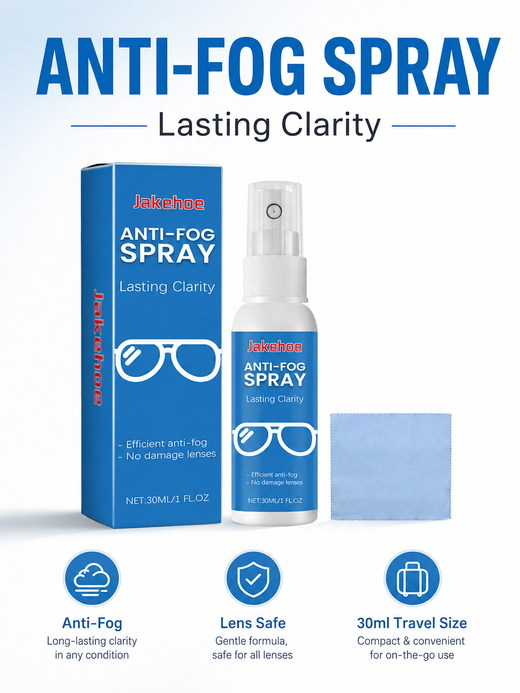
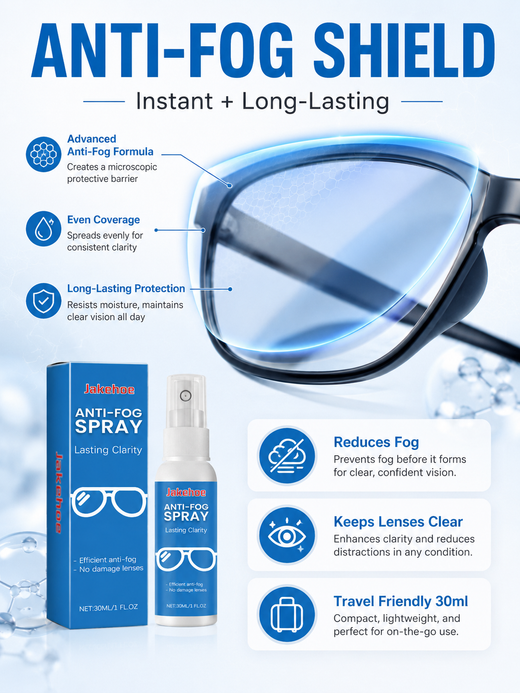
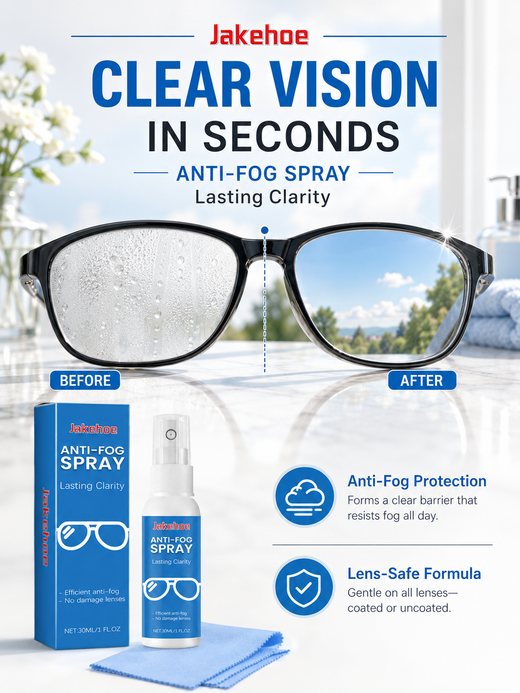
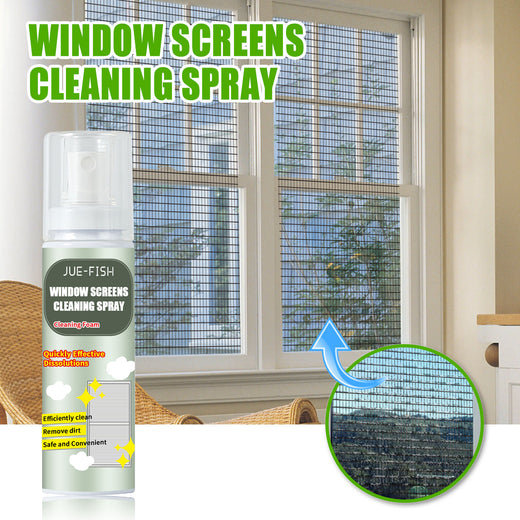
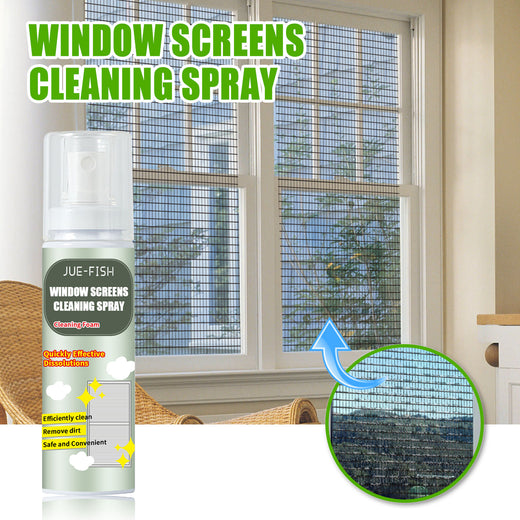
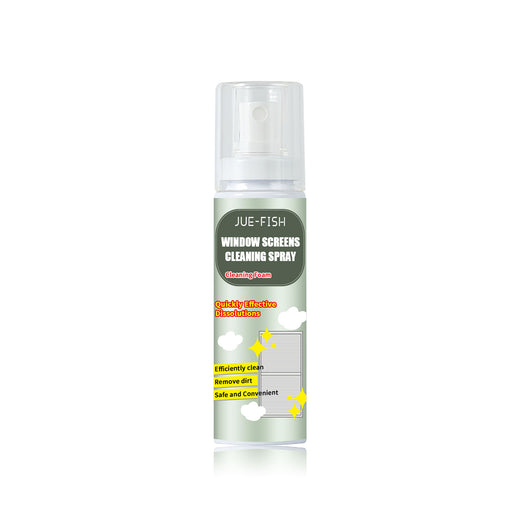
Foam sprays cling to glass and screens, helping you control where the product goes instead of creating a large puddle. Liquid window cleaner solutions can work well with a spray bottle and cloth, while concentrated formulas require careful dilution according to the label. A dedicated anti-fog spray is different from a standard window cleaner: it is designed to help reduce fogging on suitable glass or eyewear surfaces, not to replace a general cleaner. Do not confuse these products with self-tanning sprays or body creams listed in a broad beauty assortment; they are not intended for windows, mirrors, screens, or vehicle glass. Choose the product category that matches the surface and task.

What should you look for in a window cleaner spray?

Look for clear surface directions, especially if you plan to clean coated screens, tinted vehicle windows, mirrors, or other treated glass. A useful window cleaner spray should be easy to dispense, simple to wipe away, and suitable for the surfaces listed on its label. Foam can be helpful for spot cleaning because it stays visible while you work. Check whether the formula is ready to use or needs dilution, and note any warnings about painted surfaces, plastics, rubber seals, or electronics. Fragrance, ammonia, and other ingredients may matter if you are sensitive to odors or cleaning in a small room. Pair the spray with a lint-free microfiber cloth for a more even finish.

How to use window cleaner for streak-free glass

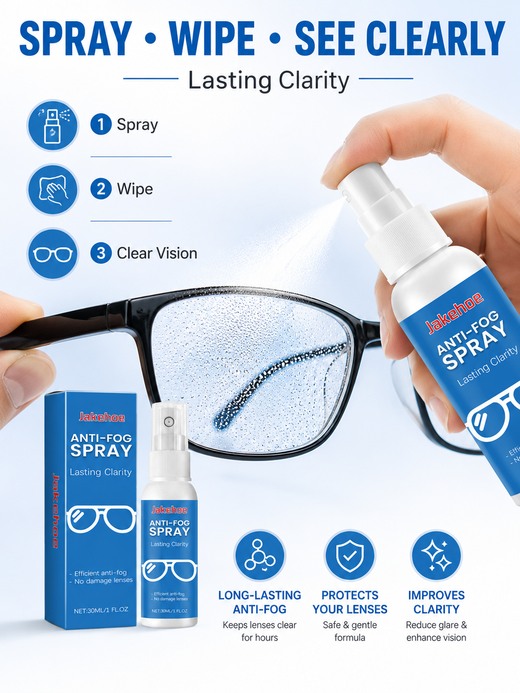
Remove loose dust and grit first so you do not drag particles across the surface. Apply a small amount of window cleaner spray or foam to the cloth or glass as directed, then wipe in overlapping strokes. Work in manageable sections, especially on large outdoor windows, and turn the cloth to a dry side for the final pass. Clean screens gently and avoid soaking edges, ports, or frames. On vehicle glass, use a separate clean cloth and keep the product away from upholstery and dashboard materials. Avoid cleaning in direct hot sunlight, where the formula can dry before you finish wiping. For an anti-fog product, clean and dry the glass first, then follow its specific application instructions.

What are common window-cleaning mistakes?

Using too much product is a frequent cause of haze and streaks; more spray does not necessarily mean cleaner glass. A dirty or fabric-softener-treated cloth can also leave lint or residue, so use a clean microfiber cloth and wash it separately from greasy household items. Do not use abrasive pads on glass or screens, and do not assume a general window cleaner is safe for every coating or plastic surface. Cleaning exterior windows with a paper towel can leave fibers behind, while wiping only in one direction may miss smears. Vinegar-based homemade solutions can be useful for some household cleaning tasks, but always test a small area and avoid mixing ingredients. Never combine cleaning products.

Who is a window cleaner suitable for?

A household window cleaner suits shoppers maintaining interior windows, glass doors, mirrors, and other compatible surfaces. A foam spray is convenient for quick touch-ups, fingerprints, and screen cleaning when the label confirms compatibility. Drivers looking for a window cleaner auto or window cleaner for cars should select a product specifically approved for automotive glass, particularly when windows are tinted or coated. Outdoor users should consider reach, wind, drying speed, and the need for a separate cloth or squeegee. If your main issue is recurring fog on glasses or other suitable glass, choose an anti-fog product rather than a general cleaner. The tanning products in this assortment are for body use and should not be used as window cleaner.

Frequently asked questions

What is the best thing to clean your windows with?

Use a window cleaner made for the specific glass or screen, together with a clean, lint-free microfiber cloth. Apply a modest amount, wipe in sections, and finish with a dry side of the cloth. For vehicle windows or coated screens, check the product directions before use.

Is vinegar and Dawn good for cleaning windows?

A diluted vinegar-and-dish-soap mixture is a commonly used homemade window cleaner, but too much soap can leave a film. Test any homemade solution on a small area first, follow the surface maker's guidance, and never mix it with bleach or other cleaning products. A ready-to-use glass spray may be easier to control and less likely to leave residue.

What is the best homemade window cleaner?

A simple diluted vinegar solution is often used for household glass, with only a small amount of dish soap if needed. Use a clean microfiber cloth and avoid applying homemade mixtures to surfaces with special coatings unless they are confirmed as compatible. Never mix vinegar with bleach, ammonia, or other cleaners.

Is Windex or vinegar better for windows?

The better option depends on the glass, the type of soil, and your preference for a ready-to-use or homemade solution. A dedicated window cleaner offers labeled directions and surface guidance, while vinegar is a household ingredient that may work for some plain glass. Whichever you choose, use a small amount and wipe it completely dry.

What do professional window cleaners use in their solution?

Professional cleaners commonly use a purpose-made glass-cleaning solution with water and tools such as microfiber cloths, washers, or squeegees. The exact formula varies by surface, soil, and equipment. For home use, a window cleaner spray or foam with clear directions can simplify the same basic process.

What works better than Windex?

No single cleaner works best for every surface or type of dirt. A foam glass cleaner may be more convenient for screens and spot cleaning, while an automotive glass formula may be better suited to car windows. Choose based on compatibility, residue control, and the application method rather than assuming one product fits every job.