
$64.90
Free delivery · 7–14 days
Waterless Car Surface Cleaner Spray for Instant Shine


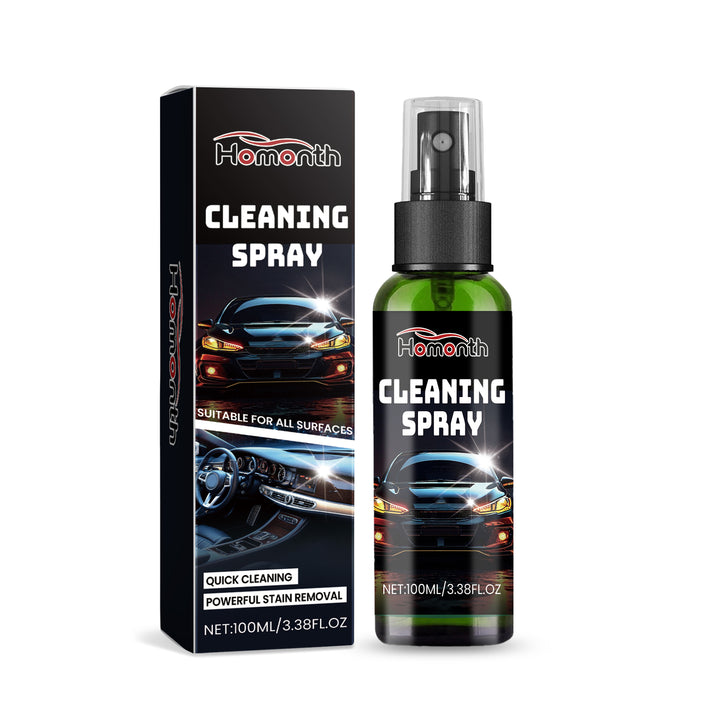


Multi-surface cleaners help simplify whole-home cleaning by handling everyday dirt, grease, stains, and odors across suitable surfaces. Choose from ready-to-use sprays, floor cleaners, concentrates, car-safe formulas, and specialty options based on where you clean and the finish you want.
Start with the surfaces you clean most often. A multi surface cleaner spray is convenient for counters, tables, sealed hard surfaces, and quick spot cleaning, while a multi-surface cleaner for floor use should be suitable for the flooring material and designed for mopping or direct application. For vehicles, choose a waterless car surface cleaner specifically intended for automotive interiors or exteriors rather than using a general household formula. Consider the mess as well: kitchen grease and odors may call for a targeted spray, while stubborn floor dirt may need a floor-focused cleaner. If you clean frequently, a concentrate can reduce packaging and let you prepare the amount you need according to the label.
Ready-to-use sprays are the simplest option for kitchens, furniture, sealed surfaces, and everyday touch-ups. Floor cleaners are made for larger areas and may be better suited to mopping or removing ground-in dirt. Concentrates require dilution and can be useful when you clean often, but the mixing instructions matter. Disinfecting cleaner sprays are intended for cleaning tasks where the label specifies use on compatible surfaces; follow the stated contact time and directions. Waterless car surface cleaners are designed for vehicle cleaning without a traditional wash. You may also find tablets for refill systems or cleaning machines, but only use them in equipment and quantities approved by the product instructions.
Check the label for compatible materials before buying. Common household surfaces can include sealed counters, finished furniture, tile, vinyl, laminate, stainless steel, and glass, but unsealed stone, unfinished wood, painted finishes, and delicate coatings may require a specialist product. Look for a formula that matches your main task, such as kitchen grease, daily dust and dirt, floor stains, odors, or fast-drying spot removal. A spray bottle is convenient for small areas, while a larger refill or concentrate may suit whole-home cleaning. If shine matters, choose a product described for the finish you want and test it in an inconspicuous area first. For disinfecting products, read the complete label rather than relying on general cleaner wording.
Remove loose crumbs and dust first so the cleaner can work on the remaining soil. Apply a multi surface cleaner spray to the cloth or surface as directed, then wipe evenly and use a clean cloth if a polished finish is desired. For floors, follow the product's dilution, application, and rinsing instructions; avoid leaving excess liquid on wood, laminate, or other moisture-sensitive materials. Concentrates should be measured and diluted exactly as stated, never mixed with other cleaners. For a disinfecting cleaner, keep the surface visibly wet for the label's required contact time before wiping, when instructed. Ventilate the area, keep products away from children and pets, and test an unfamiliar surface in a hidden spot.
Do not assume that a product suitable for one hard surface is safe for every finish. Avoid using general cleaners on unsealed stone, unfinished wood, leather, delicate fabrics, electronics, or surfaces with special coatings unless the label specifically approves them. Some floors can be damaged by excess water, residue, or unsuitable ingredients, so choose a multi-surface cleaner for floor use only when the flooring type is listed. Do not use a household formula on a car's paint, dashboard, screens, or upholstery unless it is made for that area. Never combine cleaners, especially products with different active ingredients. When uncertain, check the care instructions from the surface or appliance manufacturer and perform a small patch test.
Multi-surface cleaners suit households that want one cleaning routine for several compatible hard surfaces rather than a separate bottle for every room. A kitchen spray works well for daily messes around food-preparation areas when used as directed, while a furniture-friendly multipurpose cleaner can support cleaning on suitable finished surfaces. Families with larger hard floors may prefer a dedicated floor cleaner, concentrate, or machine-compatible tablet system. Car owners should select a waterless car surface cleaner instead of repurposing a household spray. Shoppers focused on quick maintenance may prefer fast-drying spray formulas; those tackling occasional heavy soil may want a product aimed at grease, stains, or paint residue. Match the cleaner to the surface, task, and application method.
The best option depends on the surfaces and messes you handle most often. Choose a ready-to-use spray for quick household cleaning, a floor-specific formula for hard floors, a car cleaner for vehicle surfaces, or a concentrate when you prefer to dilute your own solution. Always confirm surface compatibility on the label.
A multi-surface cleaner is a cleaning product formulated for use on several compatible surfaces, such as selected sealed hard surfaces, floors, furniture, or other areas listed on its label. It is not automatically suitable for every material, so check the instructions before applying it.
The best multi-surface floor cleaner is one that lists your flooring type and matches the cleaning method you prefer. Choose a spray or ready-to-use floor formula for convenience, or a concentrate for larger cleaning jobs. Follow dilution and moisture instructions carefully, especially on wood, laminate, and other sensitive floors.
The terms are often used for products intended to clean multiple compatible surfaces, but the approved uses can vary by formula. A multi-surface cleaner may list specific materials, finishes, or tasks such as floors, furniture, vehicles, or disinfecting. The product label is the reliable guide to where and how it can be used.
If you use a concentrate, dilute it only according to the manufacturer's instructions. Avoid creating homemade mixtures by combining commercial cleaners or adding ingredients without confirmed surface-safety guidance. For predictable cleaning and compatibility, a ready-to-use product with clearly listed applications is the safer shopping choice.
Do not use it on unsealed stone, unfinished wood, leather, delicate fabrics, electronics, vehicle surfaces, or special coatings unless the label specifically approves those materials. Avoid surfaces that the manufacturer says are moisture-sensitive or require a specialist cleaner. Test an unfamiliar surface in a hidden area and follow its care instructions.