
$36.90
Free delivery · 7–14 days
Crystal Powder — 6‑Shade Shimmer Set for Salon‑Quality Nail

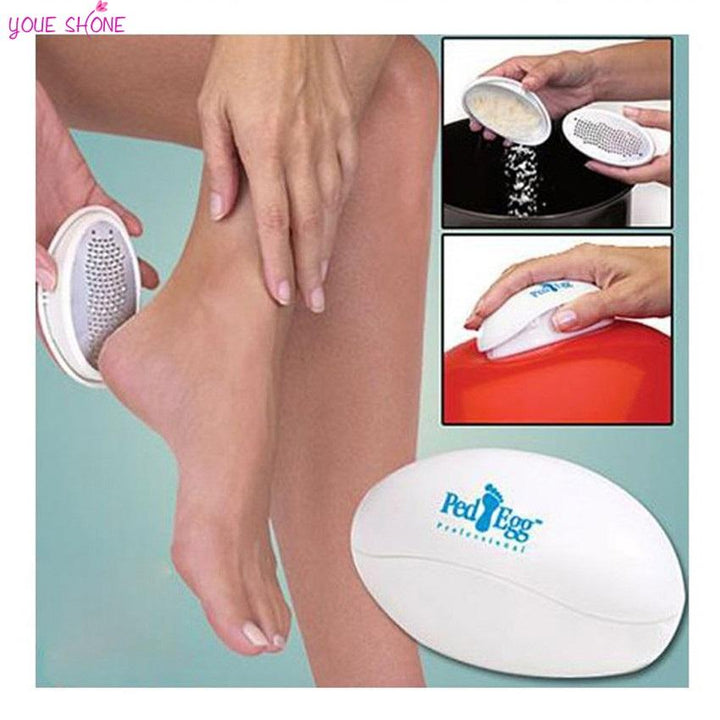


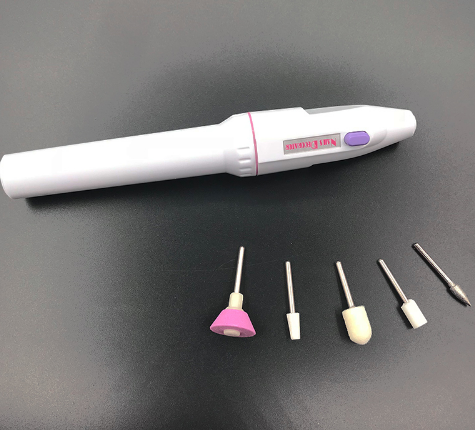


Find the right nail board for shaping fingernails, smoothing edges, refining manicures, or caring for rough skin on feet. This category includes traditional emery boards, electric nail files, foot files, manicure and pedicure kits, and related nail-care tools, so compare the surface, power source, included accessories, and intended use before buying.
Start by deciding whether you need a simple nail board for occasional shaping or a powered tool for repeated manicures. Traditional emery boards are compact, quiet, and easy to keep in a drawer or travel bag. An electric nail file drill can offer adjustable control and interchangeable bits for shaping, smoothing, and detail work, but it requires more setup and careful handling. For natural nails, choose a fine or medium surface rather than an aggressively coarse one. If you also want to work on toenails or dry skin, a manicure pedicure kit may be more versatile than a basic emery board. Check product photos and specifications for grit, bit types, handle design, and included storage.
An emery board is a flat nail file with an abrasive surface, usually intended for shaping and smoothing nail edges. A crystal file uses a textured glass surface and can be rinsed after use when the product instructions allow it. Electric nail file drills use rotating bits and are suited to shoppers who want more control over speed and attachments. Foot files and callus removers have a broader, tougher surface designed for dry skin on the feet rather than delicate nail edges. A Montessori geometric nail board is a fine-motor learning tool, not a manicure accessory. Likewise, a Sadhu nail board is a specialty acupressure-style product, not a conventional emery board for nail care.
Nail board construction affects comfort, control, and durability. Look for a firm core that does not flex excessively, an abrasive surface bonded securely to the board, and rounded ends that are easier to guide around the nail. A slim design is useful for sidewalls and travel, while a wider handle can feel steadier during pedicures. On electric models, check whether the kit includes several bits, speed control, a comfortable grip, and a suitable power connection. For foot files, compare the working surface, handle length, and cleaning instructions. If you are searching for nail board design ideas, focus on practical features such as grit contrast, easy storage, and a shape that lets you see the nail edge while filing.
Begin with clean, dry nails and choose a file surface appropriate for the job. Hold a traditional nail board lightly and move it in one direction across the edge instead of sawing rapidly back and forth. Shape gradually, checking both sides for balance. Use an electric nail file at a controlled speed with a suitable bit, keeping it moving rather than holding it in one spot. Avoid pressing hard, and stop if the tool feels hot or uncomfortable. For feet, follow the foot-file instructions and work gently on dry, rough areas without treating broken or irritated skin. Wipe or clean each tool as directed, and do not share personal nail files without proper cleaning.
The terms are often used interchangeably, but shoppers usually mean different formats. A nail file is the broad category, covering emery boards, metal files, crystal files, and electric tools. An emery board is a lightweight, disposable or replaceable abrasive board that is convenient for everyday shaping. It is a practical choice when you want low cost, simple operation, and no batteries or charging. An electric nail file may be better for frequent home manicures or detailed work, especially when multiple bits and speed settings are included. A foot file is the better match for rough skin on feet. Choose based on the surface, precision, cleanup, and learning curve you are comfortable with.
A nail board suits anyone who wants to shorten, shape, or smooth nail edges at home, from occasional users to regular manicure enthusiasts. Beginners may prefer a straightforward emery board or a complete manicure pedicure kit, while experienced users may appreciate an electric drill with several bits. If you need a temporary substitute, a clean, fine-grit household nail file designed for personal use is safer than improvised rough materials. Do not use ordinary construction sandpaper, knives, scissors, or abrasive tools that can snag or cut skin. Shoppers looking for a nail board near me or a nail board on Amazon should compare the same details online or in-store: intended use, grit, dimensions, handle comfort, included accessories, and care instructions.
A nail board is commonly called an emery board, nail file, or manicure file. The exact name depends on its material and format, such as emery, crystal, metal, foot file, or electric nail file.
Nailboards are abrasive tools used to shape and smooth fingernails or toenails. Some similarly named products, such as geometric nail boards for children or specialty acupressure boards, are not intended for manicure filing.
A Sadhu nail board is a specialty acupressure-style board with raised points, not an emery board for shaping nails. Potential uses and comfort levels vary, so follow the product instructions and avoid using it on damaged or irritated skin.
An emery board uses an abrasive surface, so it is similar in principle to sandpaper, but it is made for controlled personal nail care. Its backing, grit, size, and finish are designed for easier handling around nails.
An emery board is one type of nail file, so neither is automatically better. Choose an emery board for simple, portable shaping; choose a crystal or electric file when you want a different feel, reusable surface, or additional control.
You can use another personal nail file, such as a crystal file or a suitable fine-grit file included in a manicure kit. Avoid household sandpaper, blades, and other improvised tools because they may be too rough or difficult to control.