
$64.90
Free delivery · 7–14 days
Nail Repair Cream for Discolored Thick Toenails


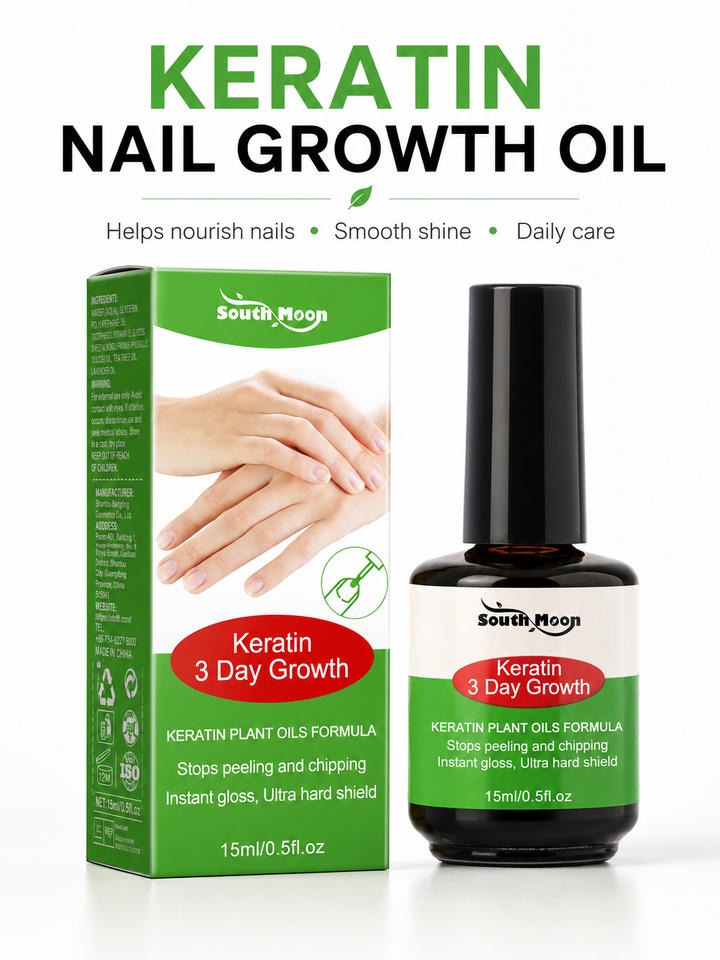


Nail repair products can help care for nails that look brittle, peeling, discolored, thick, or stressed after gel use. Choose a format and formula based on whether you are caring for a split fingernail, dry cuticles, or toenails with visible surface changes.
Start by identifying the main concern and the nail area involved. For brittle or peeling fingernails, a nail repair serum or essence is easy to apply across the nail surface. For dry cuticles and rough-looking nails, choose a cuticle oil pen. Thick or discolored toenails may suit a cream, serum, precision pen, or toenail repair set made for toenail care. If you need nail repair for broken nails, look for a targeted repair product and follow its directions rather than applying a random adhesive. Check the ingredient list, application method, and whether the product is intended for fingernails, toenails, or both. A nail repair kit can be useful when you want several care steps in one set.
Nail repair creams are suited to focused application on thick or discolored toenails, while serums offer a lighter texture for brittle, peeling, or damaged nails. An essence can be a practical choice after frequent gel manicures because it spreads easily over the nail and surrounding area. Precision nail repair pens help direct product onto a specific toenail or a small area. A toenail repair set may combine products for a more complete routine. Cuticle oil pens are best for conditioning the cuticle area and adding a neat, glossy finish. Nail repair glue is a different category: it is intended for temporary cosmetic fixes to a split or broken nail, not general nail care. Always follow the product label.
Look for a package that clearly states the intended use, nail type, and application area. A brush or pen tip can make precise application easier, especially on toenails or around the cuticles. A serum or essence may feel less heavy for daily use, while a cream can suit shoppers who prefer a richer texture. For nails affected by gel wear, choose a product specifically described for brittle or damaged gel-worn nails. If discoloration or thickness is your concern, select a formula labeled for discolored or thick toenails. Review the full directions and discontinue use if irritation occurs. Product descriptions should guide cosmetic nail care; persistent pain, swelling, severe changes, or concerns about nail health are reasons to ask a qualified healthcare professional.
Begin with clean, dry nails and remove polish if the instructions require bare nails. Apply a small amount of cream, serum, or essence directly to the nail plate and surrounding cuticle area as directed. With a precision pen, use the tip to reach the intended nail without flooding the skin. Cuticle oil pens can be brushed around the cuticle and massaged in gently. Allow the product to absorb before applying polish or covering the nail, unless the label says otherwise. Use the recommended routine consistently and avoid picking, peeling, or aggressively buffing damaged nails. For nail repair glue, use only the amount and placement specified on the package, and do not use it on irritated or broken skin.
One common mistake is choosing a toenail product for fingernails, or using a cuticle oil when the goal is to temporarily hold a broken nail together. Another is layering several formulas at once, which can make it difficult to tell what your nails tolerate. Do not use nail repair glue as a substitute for a serum or cream, and never force apart a split nail. Avoid harsh filing, repeated buffing, and peeling off gel polish, as these actions can leave nails looking thinner or more uneven. Keep applicator tips clean, close containers after use, and follow storage instructions. If a nail change is painful, spreading, or persistent, seek professional advice instead of relying only on cosmetic nail repair products.
At-home nail repair products suit shoppers who want a simple routine for brittle, peeling, dry, or cosmetically discolored nails. A serum, essence, or cuticle oil pen works well for regular maintenance, while a cream, precision pen, or toenail repair set offers more focused care. Professional nail repair may be a better option for a deep split, repeated breakage, an injury, or a nail change you cannot identify. Search results for nail repair near me may include salons, nail technicians, or healthcare providers, so check what type of service is offered before booking. Nail repair cost varies by service and location; compare the consultation, treatment, and any follow-up details. Choose home care for routine cosmetic upkeep, not as a replacement for professional evaluation.
Keep nails clean and trimmed, avoid picking or aggressive buffing, and use a nail repair serum, essence, cream, or cuticle oil according to its directions. Protect nails from repeated soaking and harsh product removal where possible. If damage is painful, severe, or does not improve, ask a qualified healthcare professional for advice.
For brittle or peeling nails, consider a nail repair serum or essence. A cuticle oil pen can condition dry cuticles, while a cream or precision pen may suit thick or discolored toenails. For a temporary cosmetic fix to a split nail, use nail repair glue only as directed on the label.
A small split may be protected temporarily with a product designed for broken nails, such as nail repair glue, if the surrounding skin is intact and the label allows that use. Keep the nail short and avoid catching it on clothing or objects. A deep, painful, bleeding, or repeatedly splitting nail should be assessed by a professional.
Nail care products can moisturize the nail and cuticle area and may make ridges look less noticeable over time, but they do not guarantee that ridges will disappear. Avoid aggressive buffing, which can weaken the nail surface. New, pronounced, or changing ridges are worth discussing with a qualified healthcare professional.
Ridges can have many possible explanations, and they do not automatically mean you are lacking a particular nutrient. Do not start supplements based only on nail appearance. If ridges are new, pronounced, or accompanied by other changes, ask a healthcare professional for an individualized evaluation.
Petroleum jelly can help reduce dryness by forming a protective layer over the nails and cuticles. Apply a small amount to clean nails and cuticles, especially when they feel dry, but it will not repair every type of nail damage or address unexplained discoloration. Stop if irritation occurs and follow any product-specific instructions when using nail repair treatments.