
$36.90
Free delivery · 7–14 days
9-Pc Nail Art Brush Set for UV Gel — Liner, Flat, Round





Nail art brushes make it easier to create fine lines, flowers, ombré effects, French tips, gel details, and other custom designs at home. This category includes brush sets, dotting and smudge tools, rhinestone applicators, a nail art printer, and silicone shields, so you can choose tools for detailed painting or faster decoration.
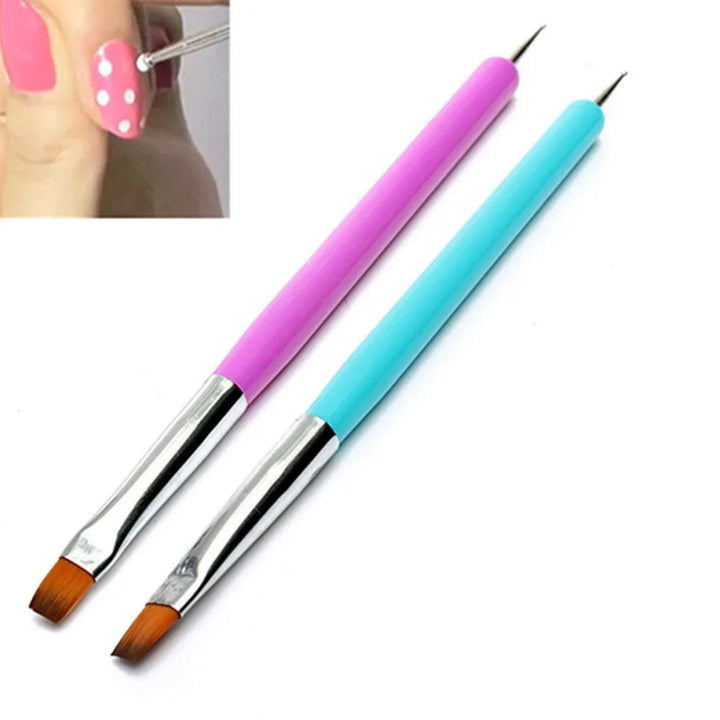
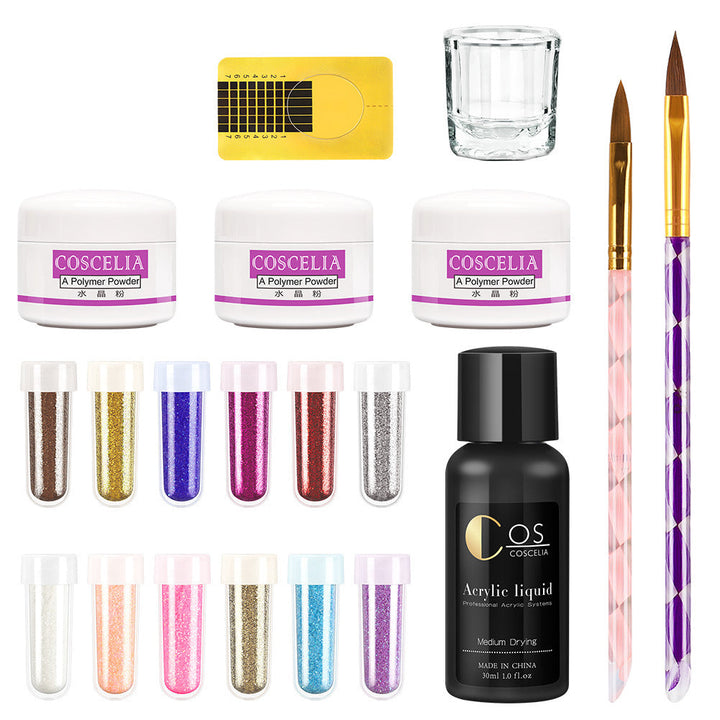
Start with the type of design you want to create. A 9-Pc Nail Art Brush Set for UV Gel includes liner, flat, and round shapes for outlining, filling, and controlled details. The Crystal Rose Gold Precision Tools set or the 5 Crystal-Handle Pens for Gel & Acrylic can suit shoppers who want a coordinated nail art brushes set for repeated designs. Beginners may prefer a smaller set with a few versatile shapes, while experienced users may want multiple fine liners and different lengths. If you mainly add dots, blends, or embellishments, consider pairing brushes with the Double-Headed Nail Smudge Stick or the 4-in-1 Art & Rhinestone Pen. Check the product description for compatible mediums, handle style, and cleaning guidance before buying.
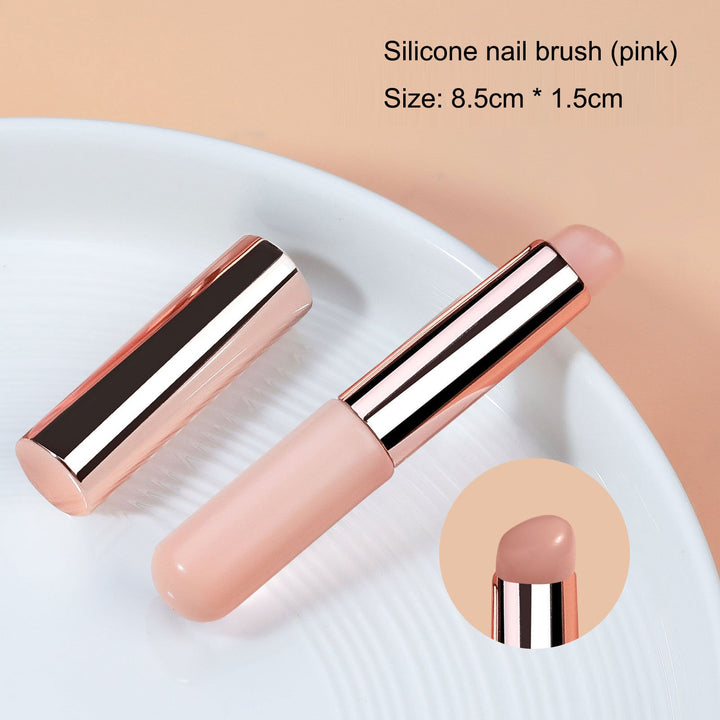
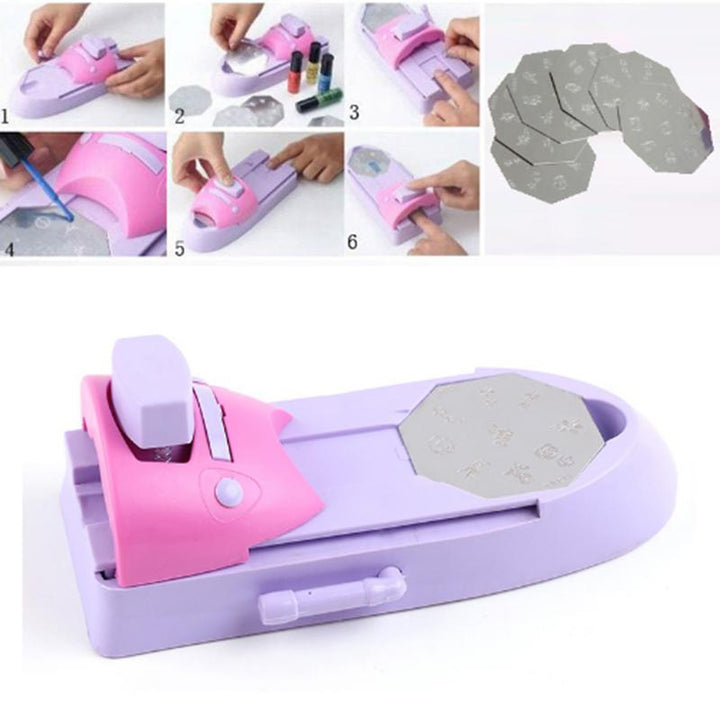
Liner brushes are useful for thin stripes, outlines, lettering, and swirls because their narrow tip helps guide small amounts of polish or gel. Flat brushes can create color blocks, angled edges, one-stroke petals, and cleaner French-tip lines. Round brushes are practical for dots, small shapes, and controlled color placement. A smudge stick is better for soft blends and precise dotting than for long painted lines, while the 4-in-1 Art & Rhinestone Pen helps combine painting, picking up decorations, and other detail work. Silicone Nail Art Shields are not brushes, but they can help frame French manicures. For quick designs without brush technique, the Nail Art Printer offers an alternative to hand painting.
When comparing professional nail art brushes, focus on control rather than the number of pieces alone. Look for clearly labeled liner, flat, and round tools so you can select the right shape quickly. A comfortable handle, secure bristles, and a tip that returns to shape can make detailed work easier. For gel users, choose tools specifically described for UV gel or gel and acrylic applications, such as the 9-Pc UV Gel set or the 5 Crystal-Handle Pens for Gel & Acrylic. Fine detailing also depends on the product you apply: thick formulas may need a firmer brush, while fluid color can spread more easily. A crystal handle may add visual appeal, but tip precision and care instructions matter more for consistent results.
Before painting, prepare a clean, dry nail and place a small amount of product on a palette or suitable surface rather than loading the entire brush. Use the narrow end of a liner for short strokes, lifting between strokes to build lines without dragging excess color. Use a flat brush for blocks and petals, and a round brush for small shapes or controlled fills. Work in thin layers and follow the curing directions for products that require a lamp. Clean the brush using the care method recommended for its formula, then reshape the tip before storage. For embellishments, use the 4-in-1 Art & Rhinestone Pen or crystal stones after the base design is ready. Silicone shields can help guide French edges.
A common mistake is choosing one brush for every task. A long liner is not the easiest option for filling a wide shape, and a flat brush may not create a delicate swirl. Applying too much polish or gel can flood the detail and make lines look uneven, so start with a small load and add more as needed. Avoid pressing hard, which can spread bristles and widen the stroke. Leaving product to dry in the bristles can permanently affect the tip, so clean tools promptly according to the listing instructions. Do not mix brushes between incompatible products without cleaning them. If hand painting feels difficult, try a smudge stick for dots, a shield for French tips, or the Nail Art Printer for faster decorative results.
Nail art brushes suit beginners learning simple lines and dots, home users building a nail art brushes set, and experienced creators who want more control over detailed gel or acrylic designs. Beginners can start with a versatile liner, flat, and round selection, then add a dotting tool or rhinestone pen as their technique develops. Shoppers creating salon-style patterns may prefer the 9-Pc UV Gel set or a precision crystal-handle collection with several brush shapes. If your priority is embellishment, the Crystal Stones Set and 4-in-1 Art & Rhinestone Pen complement painted designs. French-tip beginners may find the 26-Piece Silicone Nail Art Shields useful for guided edges. For shoppers who want finished designs with less manual painting, the Nail Art Printer provides another approach.
The best choice depends on the design. Liner brushes work well for fine lines and outlines, flat brushes suit blocks and French-tip details, and round brushes help with small shapes and controlled fills. A set containing all three gives beginners more flexibility.
There is no single best brush for every design. For a broad range of gel details, consider a set with labeled liner, flat, and round brushes, such as the 9-Pc Nail Art Brush Set for UV Gel. Choose based on tip control, handle comfort, product compatibility, and the designs you make most often.
Some Dollar Tree stores or websites may carry nail tools, but availability can vary by location and time. If you want a specific brush shape or a complete nail art brushes set, compare the listed tools and intended uses in this category before buying.
Not every brush is suitable for nail products or detailed work. A brush should have a tip and firmness appropriate for the medium, and it should be cleaned according to the product instructions. Brushes listed for UV gel or gel and acrylic are a more dependable starting point for those applications.
You can use a Double-Headed Nail Smudge Stick for dotting and soft blends, or a 4-in-1 Art & Rhinestone Pen for small decorative details and picking up embellishments. Silicone Nail Art Shields can help with French-tip edges, while the Nail Art Printer offers a brush-free way to create selected designs.
The liner brush is one of the most commonly used shapes because it handles thin lines, swirls, outlines, and lettering. Flat and round brushes are also important for filling, petals, dots, and other shapes, so a mixed set is usually more useful than relying on one style.