
$34.90
Free delivery · 7–14 days
Press‑On Nails Red French Tip — Salon Look in 10 Minutes


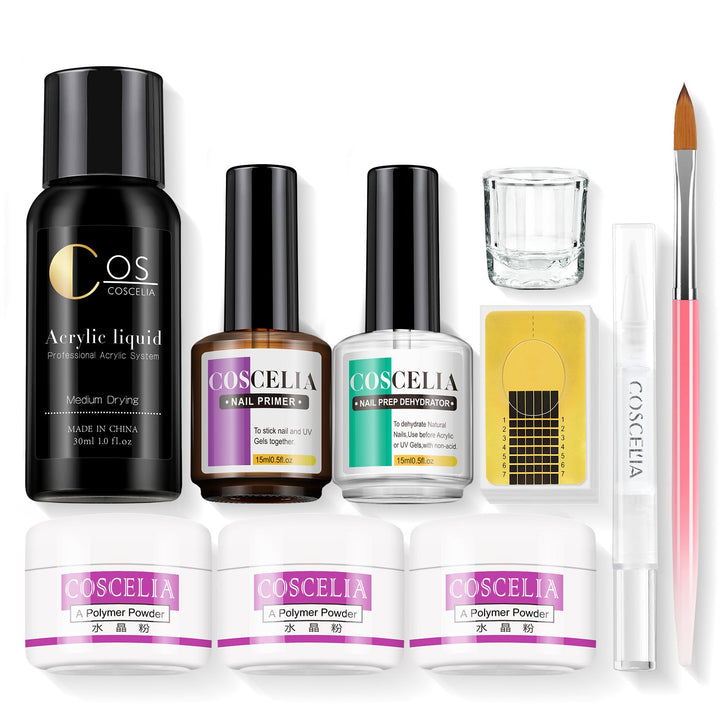
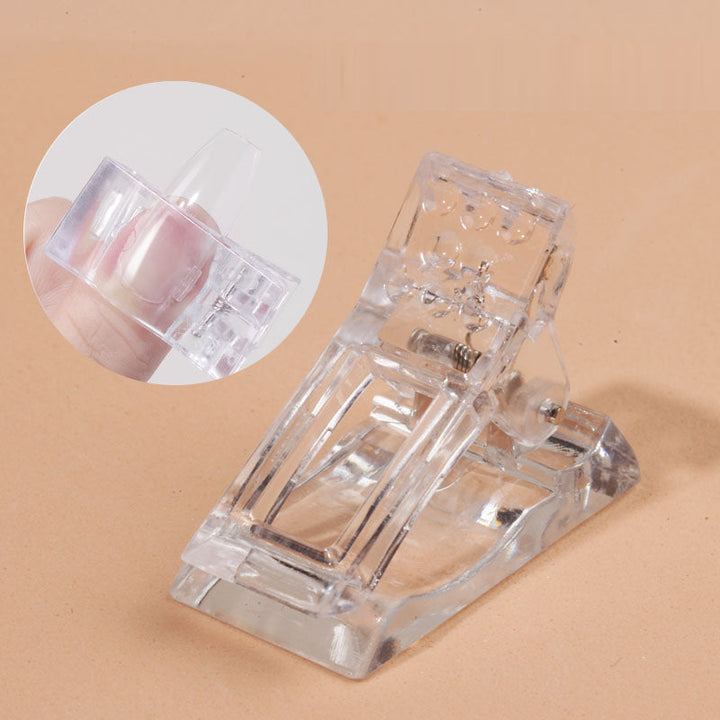


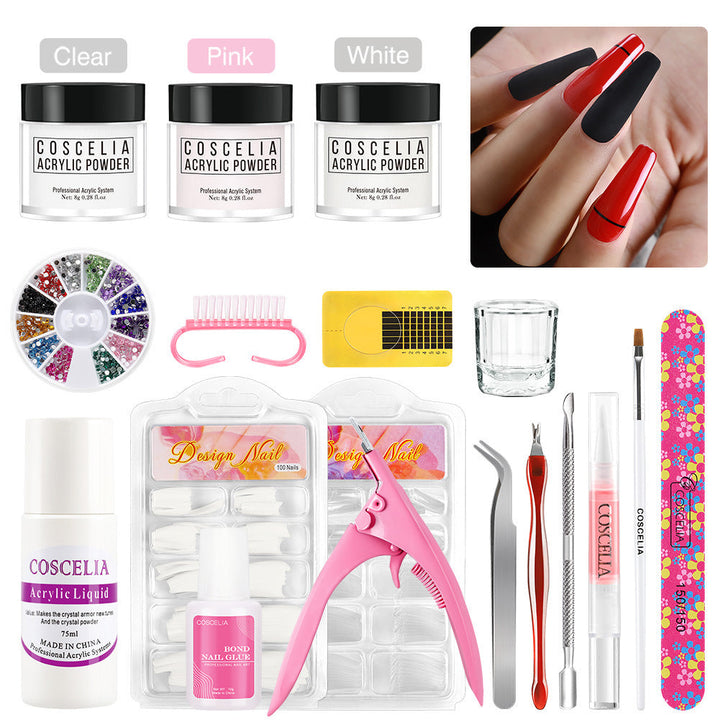


Find tools and systems for creating, maintaining, and decorating nail extensions at home, from acrylic powder kits to fiberglass strips and French manicure accessories. Compare application methods, preparation tools, and finishing details to choose a setup that matches your experience, time, and preferred look.
Start by deciding whether you want added length, reinforced natural nails, or a decorative French manicure finish. For a traditional sculpted look without a UV lamp, an acrylic nail extension kit with crystal powder or the 120g Professional Acrylic Nail Kit may suit your routine. Beginners can also look for a complete setup with clearly identified powder, liquid, tools, and instructions rather than buying separate components. Fiberglass nail extension strips offer a lightweight-looking overlay approach and can help create an ombré effect. If you mainly want color and durability without sculpting length, a dipping powder nail system may be a simpler choice. Add a manicure set for preparation and cleanup, then choose French manicure shields or rhinestones to customize the finished design.
Acrylic is a liquid-and-powder system that is shaped over the natural nail or an extension form, then allowed to set without a UV lamp. It is useful when you want noticeable length and a sculpted shape, and the category includes both a crystal powder kit and a larger 120g professional acrylic kit. Fiberglass strips are thin reinforcing materials that can be shaped over the nail for added structure or length, depending on the application system used. Dipping powder is brushed and layered over the nail, offering a color-focused alternative to traditional sculpting. Gel extensions are another option shoppers may compare, but not every nail extension kit includes gel products or a lamp. Check the contents before purchasing.
Check exactly what each product contains before starting your project. An acrylic kit should identify its powder and any required liquid or application tools; a no-UV-lamp listing is useful when you do not want to add a lamp to your setup. For at-home work, a manicure and pedicure kit can help with filing, shaping, and cuticle-area preparation. Fiberglass extension strips are worth considering when you prefer a strip-based application and an ombré finish. French manicure shields help position a clean smile line, while the 26-piece silicone shield kit gives you reusable-looking shaping aids in multiple sizes and styles. Rhinestones are a finishing accessory, not a length-building product, so use the 1440-crystal kit to decorate after the extension surface is finished.
Begin with clean, dry nails and gently shape the natural edge. Organize the powders, strips, tools, or dipping products before application, and follow the instructions supplied with your chosen system. Apply product in controlled layers, keeping the material off the surrounding skin, then shape the extension once it has set or cured as directed. Use a manicure set for filing and refining the outline rather than removing large amounts at once. French manicure shields should be positioned only after the base surface is smooth; apply the contrasting tip, then lift the shield carefully. Add rhinestones last, using an adhesive compatible with your system. Work in a well-ventilated area, avoid rushing the set time, and follow the removal directions instead of pulling or peeling extensions away.
The most common problems start with skipping preparation, choosing the wrong size, or applying too much product. Do not place an extension or fiberglass strip over oil, lotion, dust, or dampness, because the surface may not hold as intended. Avoid flooding the skin around the nail with acrylic or dipping material, and do not rely on a rhinestone kit to conceal uneven shaping. A French manicure shield cannot correct a lumpy base, so file and smooth the surface first. Beginners should practice on one or two nails before completing a full set, especially when learning powder control. Never force off a finished extension; use the removal process specified for acrylic, dipping powder, fiberglass, or gel. If a nail feels uncomfortable or looks irritated, stop the application and seek professional advice.
Acrylic nail extension kits suit shoppers who want to practice sculpting length and shaping a classic enhancement without using a UV lamp. A dipping powder system may appeal to someone who prefers layered color and a more straightforward application format. Fiberglass strips are a practical choice for shoppers interested in an ombré or strip-based design, while French manicure shields suit anyone who wants a cleaner tip guide at home. Electric manicure tools and an 18-piece rose-gold manicure and pedicure kit can support filing and grooming, but they do not replace the extension product itself. If you are completely new to nail extensions, choose one system, read its instructions, and practice before combining products. For complex shapes, repairs, or removal you are unsure about, a trained nail professional may be the better option.
Wear time depends on the product system, preparation, application, nail growth, and everyday use. Acrylic, dipping powder, fiberglass, and gel systems also have different maintenance and removal requirements, so follow the instructions for the specific kit. Replace or remove extensions when they lift, crack, catch, or become uncomfortable rather than forcing them to stay on.
A nail extension is an enhancement that adds length or structure beyond the natural nail. It may be formed with acrylic powder, gel, fiberglass strips, tips, or another extension system, then shaped and finished. Some products reinforce or decorate the nail without adding much length, so check the listing details before buying.
Acrylic is one type of nail extension, so the comparison depends on what you mean by “extension.” Acrylic suits shoppers who want a sculpted powder system and may prefer a kit that does not require a UV lamp; fiberglass or dipping powder may suit different application preferences. Compare the included products, shaping process, removal instructions, and desired finish rather than assuming one method is best for everyone.
There is no single method that is healthiest for every person or application. Nail condition, preparation, product handling, ventilation, maintenance, and removal all matter. Choose a system you can apply and remove according to its instructions, avoid contact with surrounding skin, and consider professional guidance if you have concerns about your nails.
No extension method is automatically damage-free. Damage risk can increase when nails are over-filed, products are applied incorrectly, or extensions are peeled off, so careful preparation and proper removal are important for acrylic, dipping powder, fiberglass, and gel systems. If you want to reduce unnecessary filing, compare application and removal steps before choosing a kit.
Neither acrylic nor gel is automatically worse in every situation; the result depends heavily on application, maintenance, and removal. Acrylic kits use powder and liquid, while many gel systems require a compatible lamp and curing process. Check the product instructions, avoid picking or peeling, and have difficult removal handled professionally.