$49.90
Free delivery · 7–14 days
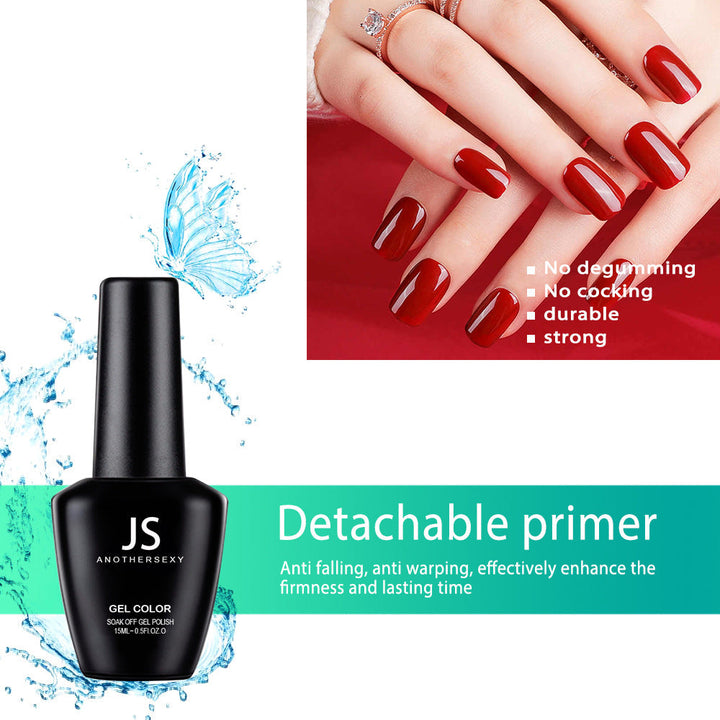
Removable Gel Nail Primer for Firm, Lasting Manicures
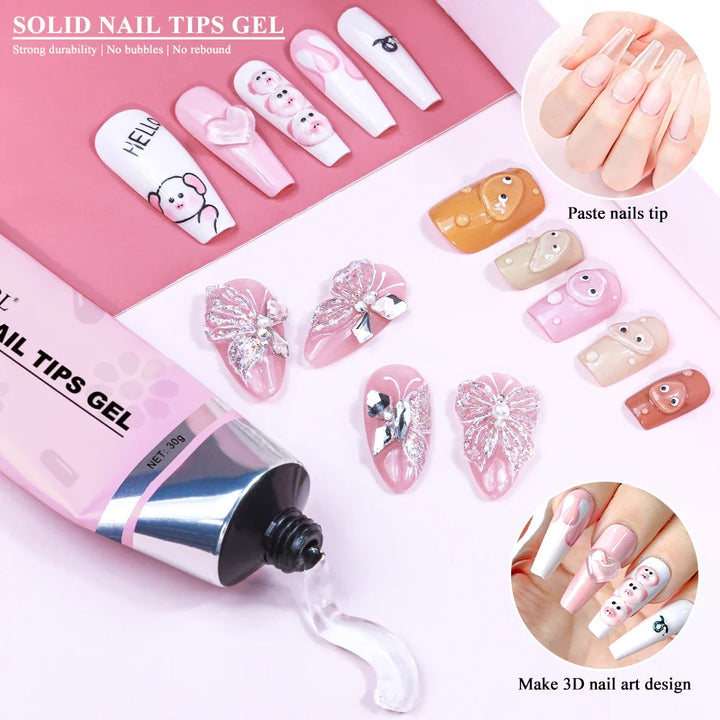


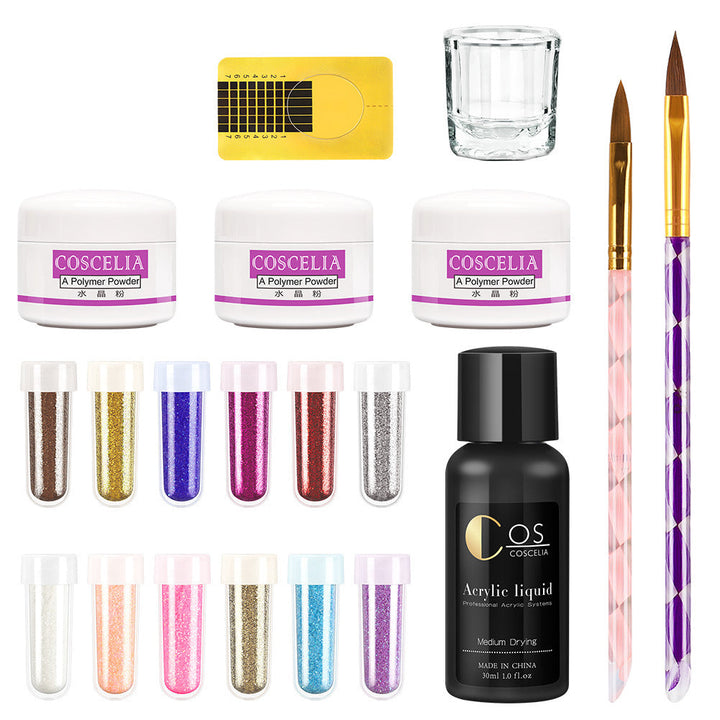
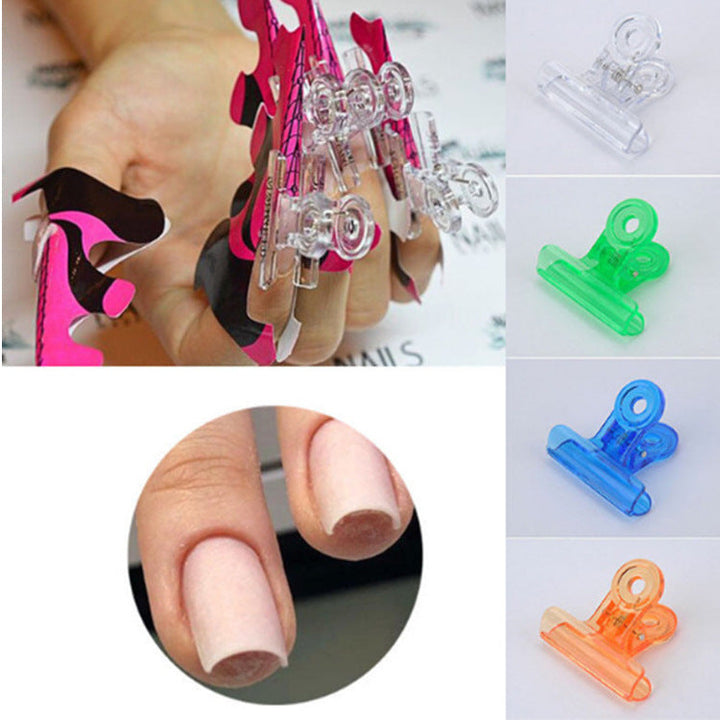


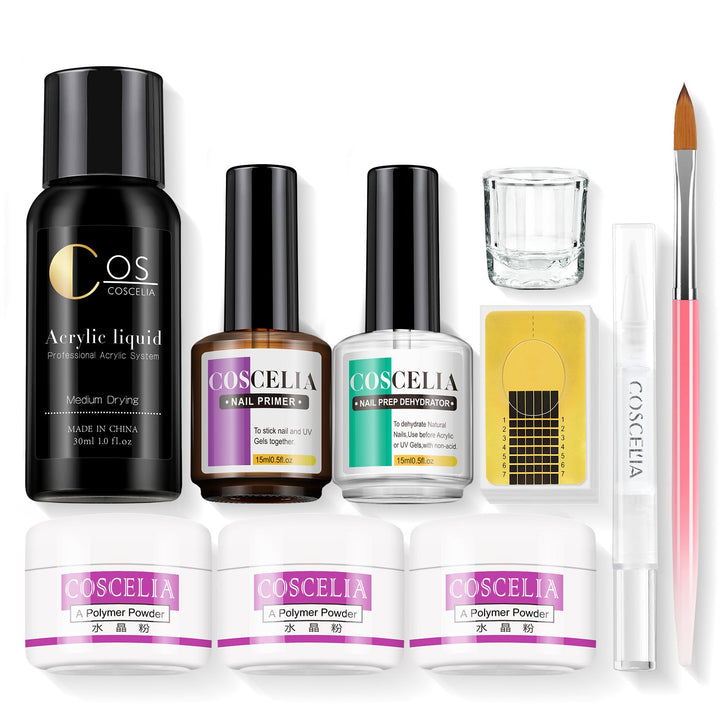


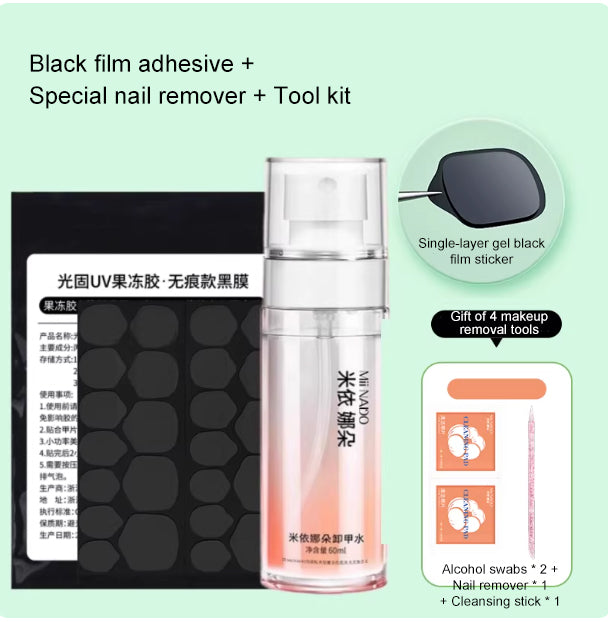


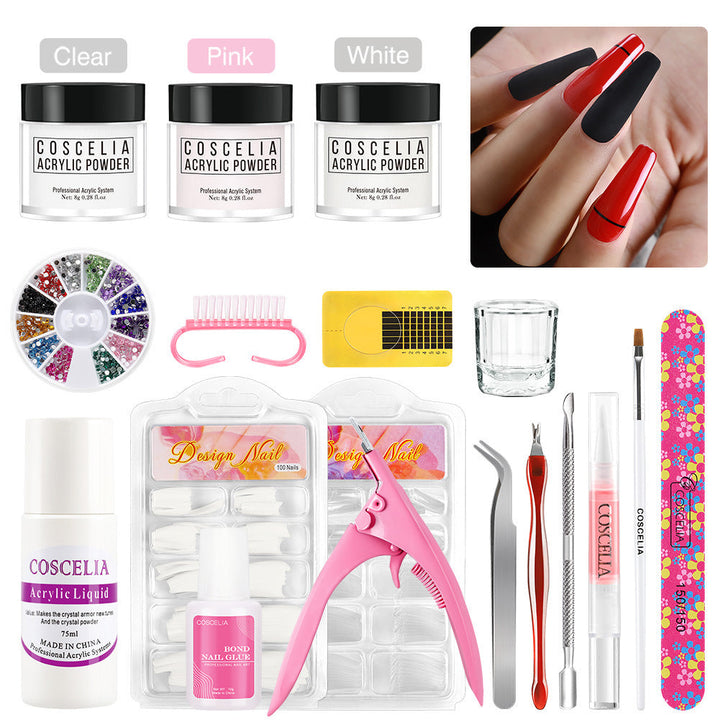

Find nail glue and gel manicure tools for press-on tips, acrylic-style extensions, builder gel overlays, and at-home nail art. Compare adhesive formats, curing needs, removal methods, and supporting tools to choose a setup that matches your manicure routine.
Start by deciding whether you need traditional adhesive, gel-based glue, or a complete extension system. Nail tip glue gel is designed for attaching tips and can help create a smooth, bubble-free application when used with the appropriate curing lamp. Removable gel nail primer is useful when you want a firm manicure with easier removal than a permanent-style adhesive. For sculpted length, poly gel builder or fiberglass extension strips may suit you better than liquid nail glue. Check whether the product requires LED or UV curing, and choose a lamp that matches the instructions. If you are shopping for nail glue near me or nail glue at Walmart, compare the ingredient list, applicator, curing requirements, and removal directions rather than relying on location alone.
Liquid nail glue is a convenient choice for attaching ready-made tips, while nail glue gel offers more control during placement because it can usually be adjusted before curing. Poly gel nail builder is thicker and better suited to shaping length or reinforcing an extension with a brush and lamp. Fiberglass nail extension strips provide a lightweight framework that can be covered with gel or builder products. A 3-in-1 gel nail pen combines color and application convenience for manicures that do not need added length. These formats are not interchangeable: traditional glue may not cure in a lamp, and gel products should not be treated as hardware glue or household superglue.
A good nail extension kit should make placement predictable and cleanup manageable. Look for a precise nozzle or brush, a consistency that does not run into the skin, and clear instructions for preparation, curing, removal, and storage. Nail tip glue gel is a practical option when you want strong attachment with time to position the tip before curing. A removable gel nail primer can help prepare the surface for a firm manicure, but it is not a substitute for nail glue when attaching every type of tip. For a salon-style setup at home, add a 5W LED UV gel nail lamp, nail art brushes, and compatible gel products. Avoid choosing solely by searches such as best nail glue or nail glue beauty secrets; compatibility matters more.
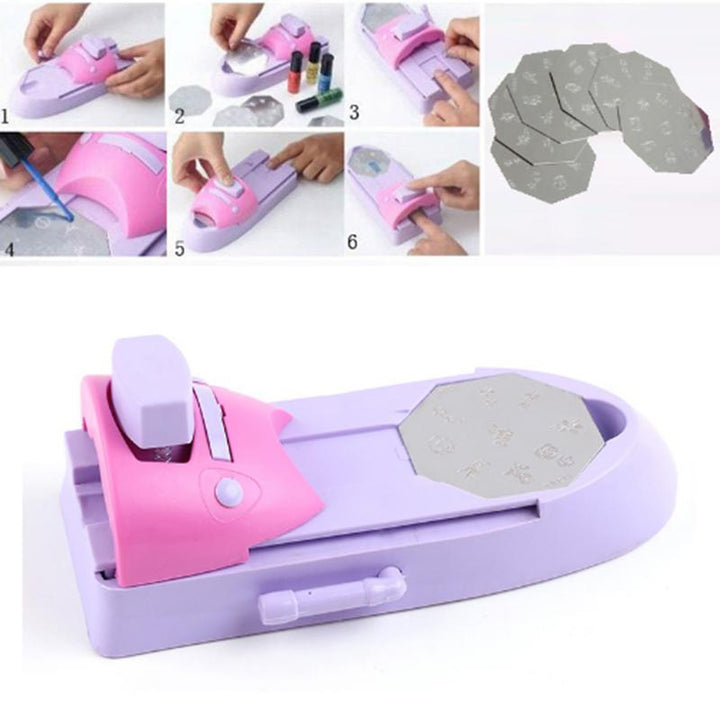
Begin with clean, dry nails and gently prepare the surface according to the product directions. Select a tip that fits from sidewall to sidewall without forcing it, then apply the recommended amount of adhesive or gel. Place the tip from one edge to the other to reduce trapped air, and wipe away excess before curing if the instructions allow. Cure nail glue gel, poly gel, or gel polish only with the specified lamp and time. Use nail art brushes for controlled shaping or detail work, and a printer for quick decorative designs after the base layers are ready. Do not let uncured product sit on surrounding skin, and remove extensions by following the product instructions rather than pulling them off.
Using too much adhesive can cause overflow, uneven tips, or visible bubbles, while too little may leave gaps beneath the extension. Another common mistake is applying gel over a damp, oily, or poorly prepared nail. Do not mix a lamp-cured nail glue gel with a lamp-free liquid adhesive unless the packaging specifically says they are compatible. Avoid curing through opaque decorations or tips that block the light from reaching the gel. A weak fit can also result from choosing the wrong tip size or filing the natural nail too aggressively. Keep nail glue away from fabrics and surfaces, and store it as directed. If you are searching for nail glue hardware, remember that hardware superglue is not a substitute for a product formulated for nail applications.
These kits suit shoppers who enjoy changing nail length, practicing gel techniques, or creating salon-inspired designs at home. Beginners may prefer a removable gel primer, ready-to-apply tips, a simple lamp, and a small brush set before moving to poly gel or fiberglass construction. Experienced users can combine fiberglass strips, poly gel builder, and nail art tools for more customized shapes. A gel nail pen is convenient for adding color across multiple looks, while an art printer can speed up detailed decoration. If you want a short-term manicure, prioritize removable systems and straightforward removal instructions. If you need only a quick repair or single tip, a small nail glue product may be more practical than a full acrylic extension kit.
The best option depends on the service you want. Use nail tip glue gel for adjustable, lamp-cured tip placement, or choose a traditional nail adhesive when the instructions call for a lamp-free formula. For sculpted extensions, poly gel builder or fiberglass strips may be more suitable than liquid glue.
Some nail adhesives use related adhesive chemistry, but household superglue and nail products can differ in formulation, viscosity, packaging, and intended use. Do not substitute hardware superglue for nail glue; follow the product directions and use an adhesive specifically labeled for nails.
Some people use a nail repair product or a small amount of nail adhesive for a temporary cosmetic fix, but glue should not be applied to broken, bleeding, irritated, or infected skin. Follow the product instructions and consider professional advice if the split is painful, deep, or recurring.
Nail glue can cause problems when it contacts skin, is used incorrectly, or is removed by force. Apply only as directed, avoid flooding the cuticle area, allow gel products to cure fully, and remove extensions according to the instructions instead of peeling or pulling.
No single product is safest for everyone. Choose a nail-specific adhesive with clear ingredients and application, curing, and removal instructions, and use it only on intact nails and as directed. Stop using it if you notice irritation and avoid contact with skin or eyes.
There is no universal healthiest option because nail condition, application technique, wear time, and removal all matter. A removable gel system or lightweight tip setup may be preferable if you want easier changes, while any extension system should be applied without over-filing and removed gently according to its instructions.