
$49.90
Free delivery · 7–14 days
Nail Polish Remover Liquid for Faster Manicure Changes




Find the right nail polish remover for quick color changes, gel cleanup, or a gentler-feeling routine. This category includes acetone and acetone-free liquid removers, gel polish removal kits, no-soak formulas, oil-based options, remover pads, and manicure tools.
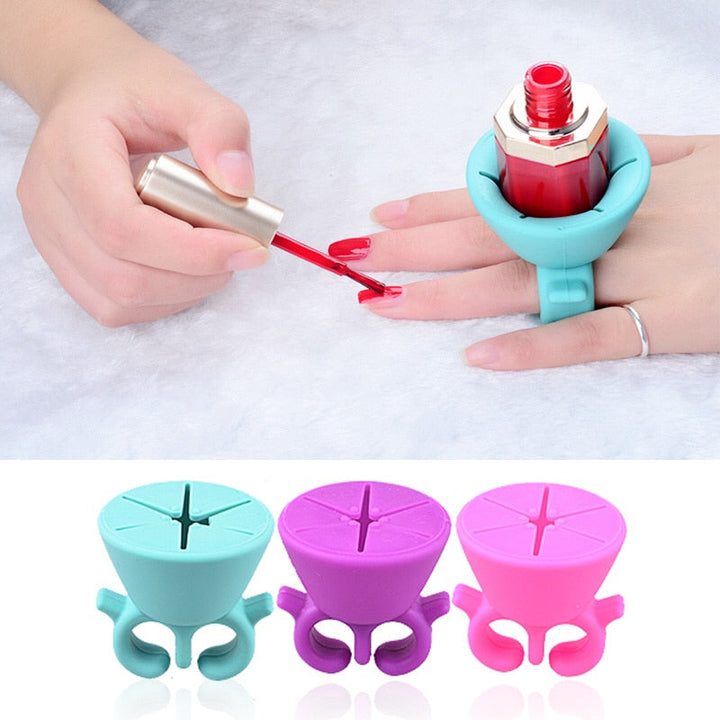
Start with the polish you want to remove and the time available. A standard liquid nail polish remover suits regular polish and faster manicure changes, while a gel nail polish remover is designed for gel-focused cleanup. If you prefer a more contained process, choose the gentle gel remover with a soak cup and brush kit. A no-soaking magic gel remover may suit shoppers who want a different removal method, but read the product directions before use. An oil-based nail polish remover is worth considering if you prefer a formula that leaves an oil finish after cleaning. For hands-free application, pair remover with the silicone nail polish holder ring. If you are searching for nail polish remover near me or nail polish remover Walmart options, compare the listed ingredients, format, and instructions rather than relying only on the label.
Acetone is a solvent commonly used in nail polish remover, including products intended to remove stubborn polish and some gel products. Acetone-free removers use other solvents instead, so they may feel different during application and can require more rubbing or repeat passes depending on the polish. Neither description alone tells you which product is best for every manicure. Check whether the formula is made for regular polish, gel polish, or both, and follow its directions. Shoppers searching for nail polish remover acetone should look for acetone in the ingredient information. Those comparing acetone and nail polish remover should know that acetone is one type of remover ingredient, while “nail polish remover” is the broader product category.
Compare the remover format, intended polish type, application method, and included accessories. Liquid remover is practical for cotton pads or controlled application, while gel removal kits can include a soak cup and brush to organize the process. A no-soak formula may appeal to shoppers who want to avoid a cup, but the product instructions should determine how long it stays on the polish and how it is removed. Oil-based remover may be a good fit if you prefer a less dry-feeling finish. Look for clear ingredient information, directions, storage guidance, and warnings about ventilation or contact with surfaces. If you are considering nail polish remover pads, check whether pads are included or whether you need to supply them separately. A silicone nail polish holder ring can help keep a pad or tool accessible during a manicure.
For regular polish, apply remover to a pad or the product’s recommended applicator, press it against the nail briefly, and wipe toward the tip. Use a fresh section of the pad as color transfers, especially for dark shades. Gel removal usually requires a different process, such as soaking, brushing, or using a no-soak gel remover; follow the exact instructions for the selected product and do not force polish from the nail. A soak cup and brush kit can help keep gel removal organized, while an oil-based formula may be followed by wiping away its residue. Work in a ventilated area, protect nearby surfaces, avoid eyes and broken skin, and wash hands after use. Keep remover closed and away from heat or flames.
A common mistake is using regular remover on gel polish and expecting the same result, or scraping gel aggressively when it does not lift. Another is choosing a no-soak or oil-based product without checking whether it is intended for the polish type you have. Applying too much remover can spread color onto surrounding skin and surfaces, while using one small pad repeatedly can move pigment from one nail to the next. Do not mix nail polish remover with household chemicals or use an unlisted nail polish remover substitute. If a formula causes discomfort, stop using it and follow the package guidance. Keep remover away from children and pets, and store bitter nail polish products separately from remover because they are nail-biting deterrents, not polish removers.
Choose a faster liquid remover if you regularly change standard polish and want a straightforward manicure cleanup. Gel users can compare the gel remover, gentle soak-cup-and-brush kit, and no-soaking option based on the removal method they prefer. An oil-based remover may suit shoppers who want an oil finish after cleaning, while pads can be convenient for travel or quick touch-ups when available. The silicone nail polish holder ring is useful for anyone who wants a hands-free place for a pad or manicure tool. Bitter nail polish for stopping nail biting is a separate category choice for shoppers seeking a bitter coating, including the listed kids’ option for the stated age guidance. Always match the product to the polish type and read the label before application.
For regular polish, a nail polish remover liquid applied with a pad is the simplest choice. For gel polish, select a product specifically labeled for gel, such as a soak-cup kit or no-soak gel remover, and follow its instructions. The best option depends on the polish type, preferred removal method, and whether you want an oil-based or acetone-free formula.
No. Acetone is a solvent that may be used as the main remover ingredient, while nail polish remover is the broader product category. Acetone-free removers use different solvents, so check the ingredient list and intended use before buying.
Use a product specifically made for removing nail polish whenever possible. Household substitutes can be unpredictable, may not remove polish effectively, and can damage surfaces or irritate skin. For convenience, consider remover pads or a gel-specific remover rather than an unlisted substitute.
Many removers use acetone as a primary solvent, while acetone-free formulas use other solvents. The exact ingredients vary by product, so check the package or online ingredient information. Gel removers may also have different directions and formulas from standard polish removers.
There is no single best option for everyone. Compare acetone and acetone-free formulas, application instructions, and ingredients, then choose a product intended for your polish type and use it as directed. An oil-based remover may appeal to shoppers who prefer an oil finish, but it still needs careful handling.
Some people avoid acetone because they prefer an acetone-free formula or do not like how acetone feels during or after removal. Others want a different removal method for their routine. Compare the product directions and ingredients, and choose a formula suited to your polish rather than assuming one type works for every manicure.