
$34.90
Free delivery · 7–14 days
Calculus Remover — Professional Dental Tartar Scraper

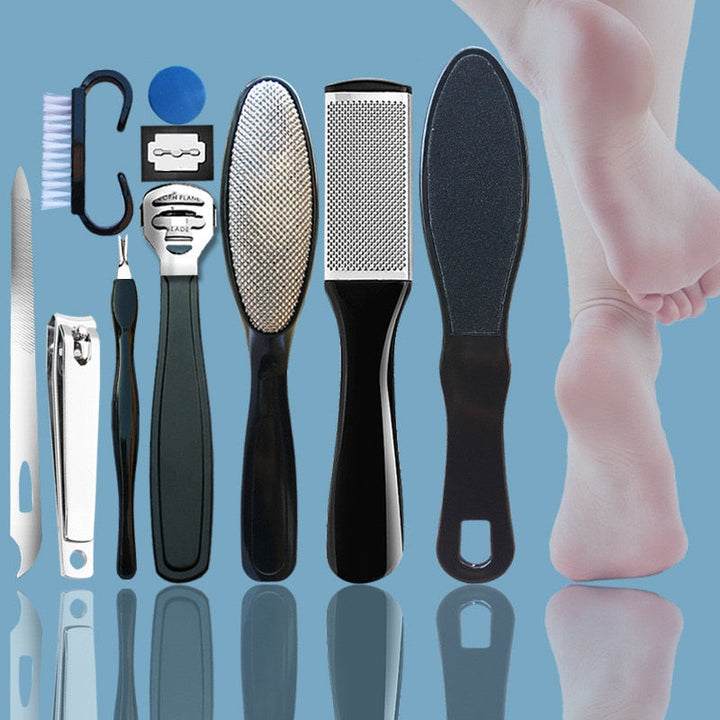


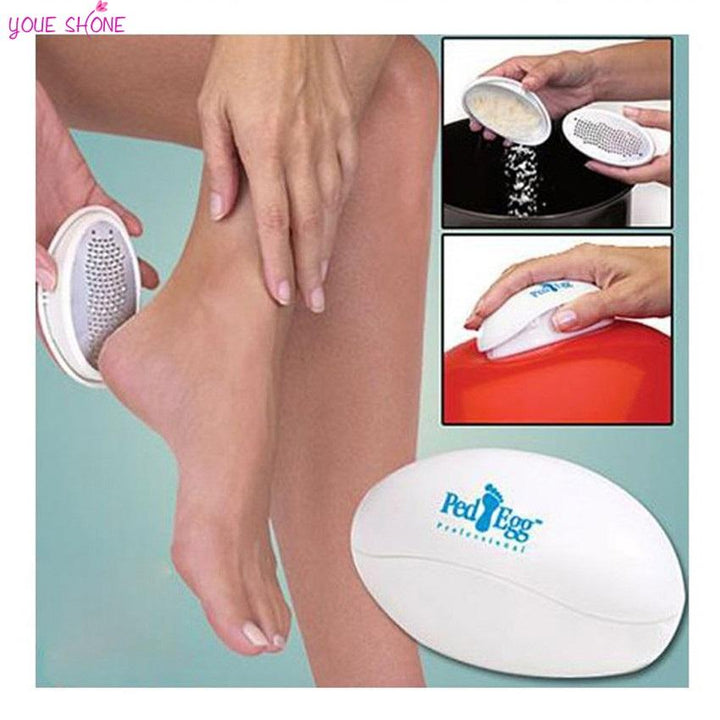

Find practical foot care tools for smoothing rough, dry skin and completing an at-home pedicure. This category includes manual foot files, electric callus removers, stainless steel grooming tools, and multi-piece pedicure kits for different levels of routine foot care.
Start with the job you want to do. For dead skin and surface roughness, choose a manual foot file such as the Ped Egg Professional Foot File or an electric callus remover. Electric models can help cover larger areas with less repeated hand motion, while manual files offer direct control over pressure and direction. If you want a complete setup, a 10-in-1 Professional Foot Care Kit or an 18-Piece Stainless Steel Nail Kit may include files, nippers, pushers, and other pedicure tools. Check the handle design, file surface, cleaning method, power source, and replacement-head details before buying. A simple file suits occasional maintenance; a broader kit suits shoppers who want several professional foot care tools for home use.
Foot files are designed to smooth hard, flaky surface skin on the heels and soles. Manual options provide gradual control, while rechargeable electric foot grinders use a powered roller or abrasive head to work across rough areas. Nail tools serve a different purpose: cuticle pushers and nippers help with nail-edge grooming, and a multi-piece set combines several pedicure tools in one case. When comparing podiatry tools for home use, separate cosmetic grooming tools from instruments intended for specialist care. A file is generally the relevant choice for surface dead skin; nail clippers or nippers are for trimming and shaping nails. Do not use a callus remover, nipper, or file for an unrelated task simply because it is included in a kit.
Look for a comfortable grip and a working surface that matches your preferred level of control. A manual foot file should be easy to hold when your hands are wet or damp, with a surface that can be rinsed or brushed clean according to its instructions. For an electric foot callus remover or rechargeable electric foot grinder, check charging requirements, switch placement, roller or head access, and how the unit is cleaned. Stainless steel nail tools should have smooth edges, firm hinges, and a finish that is easy to wipe down. A storage case is useful for keeping small pedicure tools together. Avoid choosing only by the word “professional”; compare the tool’s intended use, maintenance instructions, and comfort for your own routine.
For a manual or electric foot file, begin with clean, dry feet unless the product instructions specify another method. Use light, even passes over rough areas rather than pressing hard or staying in one spot. Stop when the skin feels smoother and follow the product directions for cleaning the file or roller afterward. Use nail nippers only for the nail or loose cuticle material they are designed to trim, and use a cuticle pusher gently without forcing it. Never share foot care tools without cleaning them properly. Avoid using a tool on broken, irritated, or painful skin, and ask a qualified healthcare professional for guidance if you have a foot concern, reduced sensation, or uncertainty about using podiatrist tools at home.
A common mistake is trying to remove deep hard skin in one session by applying heavy pressure. Overworking one area can leave the skin uncomfortable, so use gradual passes and maintain your routine instead. Another mistake is using nail nippers or sharp grooming tools as a substitute for a foot file. Those tools are intended for nails or specific grooming tasks, not broad areas of hardened skin. Skipping cleaning is also a problem: brush or rinse each file as directed and wipe stainless steel tools after use. Do not use an electric remover with a damaged roller, loose part, or low battery if it affects control. Finally, avoid comparing a home callus remover with podiatrist tools for specialized treatment; choose home tools for straightforward cosmetic maintenance.
Manual files suit shoppers who want a compact, quiet tool and precise control over small areas. An electric foot callus remover or rechargeable foot grinder may suit people who prefer powered assistance across the heels and soles, provided they are comfortable charging and cleaning the device. A 10-in-1 kit or 18-piece nail kit is useful for shoppers who want foot care tools for nails, cuticles, and general pedicure grooming in one collection. A cuticle nipper and pusher set is more focused and may be enough if nail-edge care is your main task. For ingrown toenails, persistent pain, bleeding, or skin changes, do not attempt specialist treatment with podiatry tools at home; seek advice from a qualified professional instead.
The best choice depends on the task. Use a manual or electric foot file for rough surface skin, and choose a nail kit or cuticle nipper and pusher set for nail and cuticle grooming. A multi-piece pedicure kit can be useful when you want several tools together.
A foot file is the most direct option for smoothing dead, rough surface skin. Choose a manual file for control or an electric callus remover for powered assistance. Follow the product instructions and use light pressure.
For routine foot grooming, a washable foot file can help smooth rough areas, while a nail brush or suitable tool in a pedicure kit can help clean around nails. Clean the tools themselves after use according to their care instructions, and do not share them without proper cleaning.
A manual foot file or electric foot callus remover is designed for hard surface skin on the heels and soles. Manual files offer controlled, gradual smoothing; electric models provide powered movement. Avoid pressing hard or repeatedly working one spot.
Use a suitable foot file gradually rather than trying to remove all the hard skin at once. Follow the tool instructions, stop if the area becomes painful or irritated, and avoid sharp nail tools for broad areas of skin. If the area is persistent, painful, or otherwise concerning, ask a qualified healthcare professional for advice.
Podiatrists may use specialist instruments selected for an individual’s needs, so there is no single tool for every situation. For basic home grooming, a manual foot file or electric callus remover is intended for smoothing surface roughness. Do not try to replicate specialist procedures with podiatry tools for home use.