$35.90
Free delivery · 7–14 days
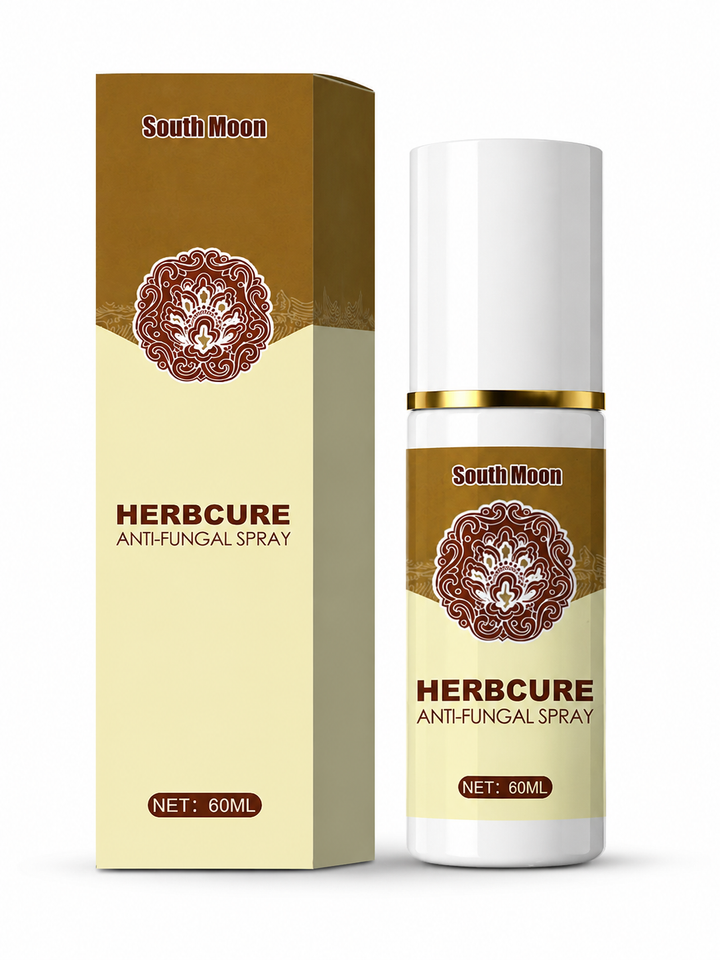
Herbal Anti-Fungal Foot Spray — Dry Cracked Heels Relief


Choose a foot care spray based on your main goal: freshening odor, supporting dry skin care, or caring for feet prone to fungal concerns. This guide compares spray formats and features so you can select a practical option for daily use on feet, between toes, or inside shoes.
Start with the problem you want to address. For everyday freshness, look for a foot odor spray with deodorizing ingredients such as peppermint or tea tree. If your routine includes dry, cracked heels, choose a foot moisturizing spray designed for skin care. For athlete’s foot concerns, select an antifungal foot spray and follow its label directions carefully. Some products also focus on nail appearance or provide a light, cooling feel. Check whether the spray is intended for feet, between toes, nails, shoes, or more than one area. A fine mist is convenient for daily application, while a powder-style foot spray may help reduce the damp feel inside socks and footwear.
Foot sprays in this category serve different routines. Antifungal sprays are intended for feet where fungal concerns are the priority and may be used alongside careful foot hygiene. Deodorizing sprays focus on reducing unwanted smell and leaving a fresh scent. Moisturizing sprays are better suited to dry skin, cracked heels, and general foot care, while nail-care sprays are designed for use around the nails according to the product label. A foot spray for shoes can help freshen footwear, but confirm that the product is suitable for fabric, leather, or other materials before applying. Antifungal deodorant socks offer a non-spray option for shoppers who want freshness built into their sock choice.
The best foot spray is the one that matches your needs and is easy to use consistently. Review the intended application area, directions, scent, and whether the formula is drying, moisturizing, cooling, or deodorizing. Plant-based ingredients such as peppermint and tea tree may appeal to shoppers seeking a naturally scented option, while a fragrance-free or lighter-scented formula may suit sensitive preferences. Look for clear instructions about applying to clean, dry feet and avoiding areas the label excludes. If you want one product for several tasks, check whether it covers feet, between toes, nails, and shoes rather than assuming it does. Read the full product description before buying.
Wash and dry your feet first, paying attention to the spaces between the toes. Hold the bottle as directed and apply an even layer to the intended area without oversaturating the skin or footwear. Allow feet to dry before putting on socks, and let shoes air out when using a foot spray for shoes. Do not spray on broken or irritated skin unless the label specifically permits it, and avoid contact with eyes. Wash your hands after application if required by the directions. Use the product as often as its label recommends, and stop using it if irritation develops. For persistent or worsening concerns, ask a qualified healthcare professional for advice.
A common mistake is spraying over damp feet without drying between the toes first. Moisture can remain trapped under socks and in shoes, so pair your foot care spray with clean socks, breathable footwear, and regular shoe airing. Another mistake is using a shoe spray directly on skin or applying a skin product to footwear without checking the label. Avoid mixing several fragranced products if their combined scent becomes unpleasant. Do not assume a deodorizing spray addresses every foot concern, and do not use a nail-care spray outside its stated application area. Finally, follow the directions instead of applying extra product; more spray does not necessarily mean better freshness.
Foot odor spray suits shoppers who want a quick freshness step after washing, exercising, or wearing closed shoes. An antifungal foot spray may suit adults looking for a labeled product for athlete’s-foot-related care, while a moisturizing spray is a better match for dry-feeling heels and general skin maintenance. Nail-care sprays are intended for shoppers focused on the appearance and care of toenails. People with very sensitive skin should review ingredients and patch-test only if the label allows it. Children, pregnant shoppers, and people with diabetes, circulation concerns, open skin, or ongoing symptoms should check the product directions and ask a healthcare professional before use.
They can help with the specific purpose stated on the label, such as deodorizing feet, freshening shoes, moisturizing dry skin, or supporting antifungal foot care. Results depend on consistent use, clean and dry feet, fresh socks, and shoes that can air out.
Fungal particles can remain on fabrics and may be transferred through shared towels, socks, or bedding. Wash sheets and towels regularly according to their care instructions, avoid sharing them, and keep feet clean and dry. Follow the product label or seek professional advice for persistent concerns.
The best spray depends on your goal. Choose an antifungal foot spray for labeled fungal-care use, a deodorizing spray for unwanted smell, or a moisturizing spray for dry, cracked-feeling heels. Check the application directions, ingredients, scent, and whether it can be used between toes or on shoes.
Start with washed, thoroughly dried feet, clean socks, and shoes that can dry between wears. A foot odor spray with a fresh scent can support your routine, and a foot spray powder may help manage the damp feel in footwear. Use each product only where its label says it is suitable.
Either can contribute to odor depending on moisture, footwear, and ventilation. Socks can absorb sweat, but worn or non-breathable socks may hold moisture against the skin; going without socks can leave more moisture inside shoes. Change socks regularly and let footwear dry fully.
Odor control is best approached with regular washing, careful drying, clean socks, and shoes that can air out. A labeled antibacterial or deodorizing foot spray may help manage freshness, but avoid making assumptions about what a product does beyond its stated use. Persistent odor or skin changes may need professional guidance.