Cuticle Oil & Nourishing Moisturizer for Healthy Nails
8 items
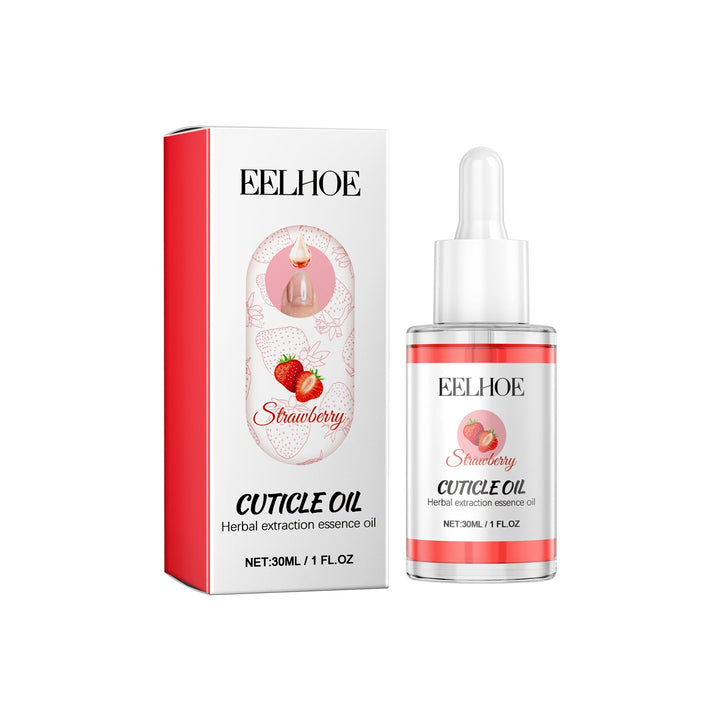
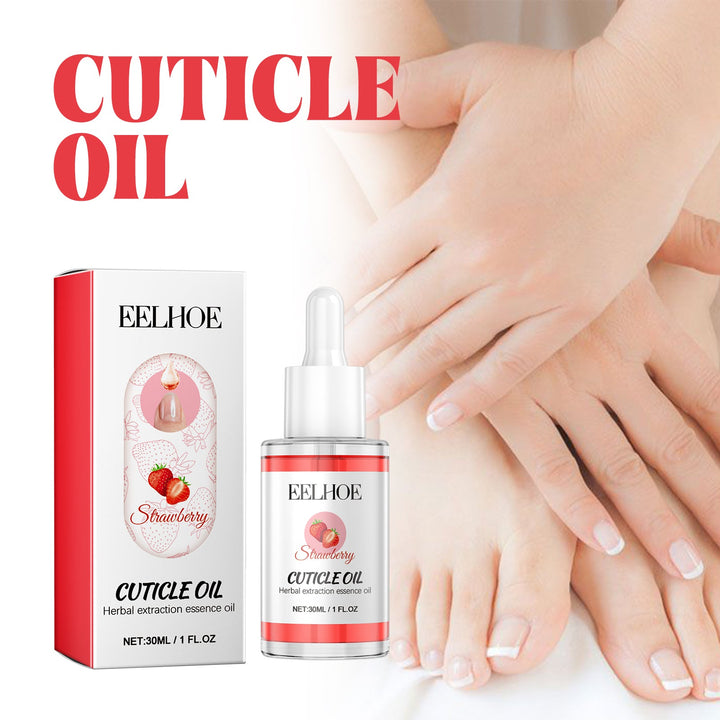
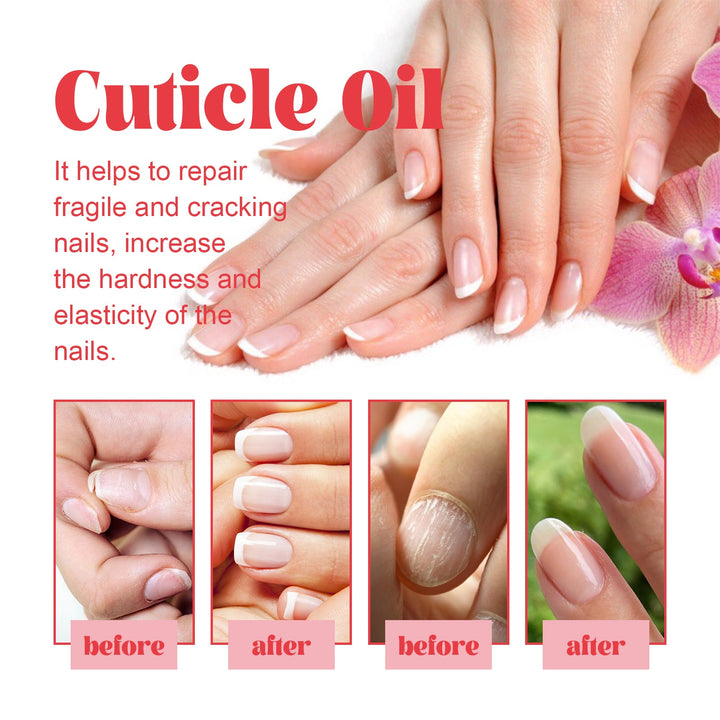


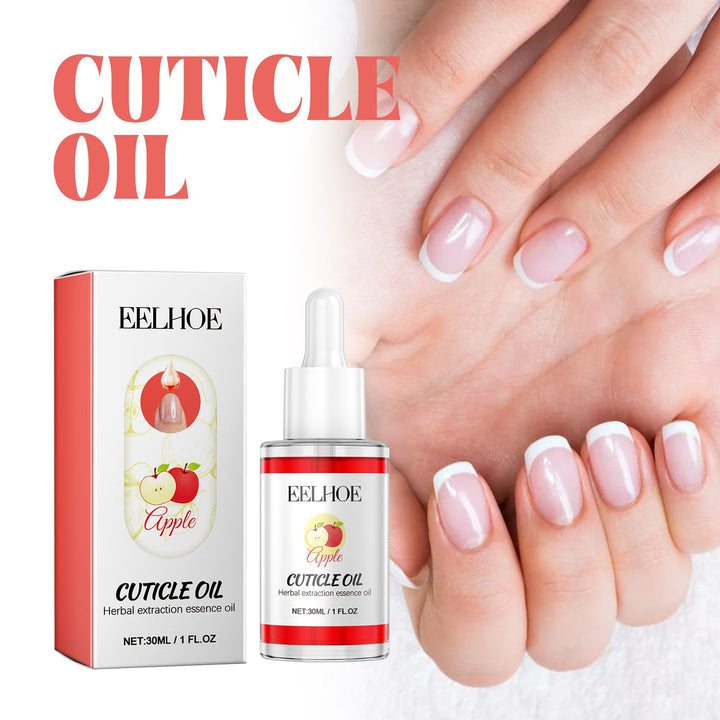
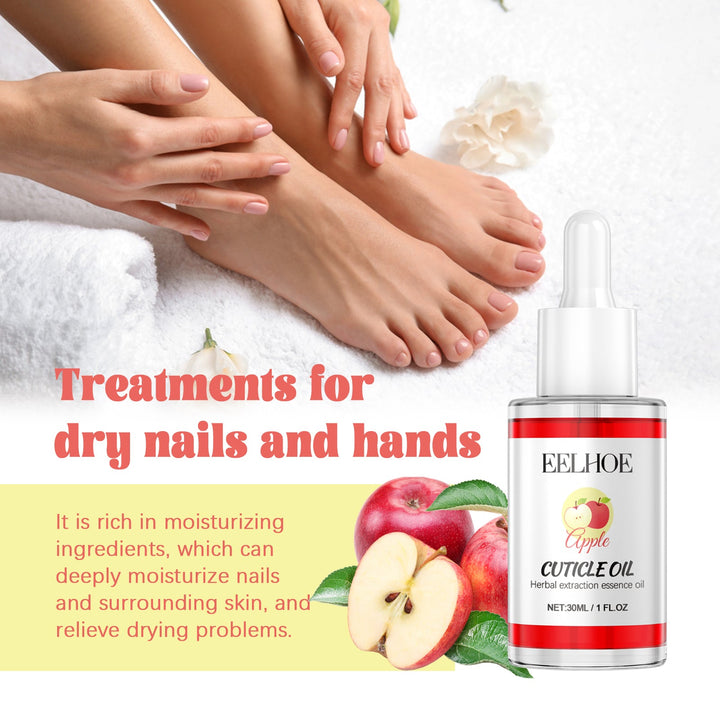


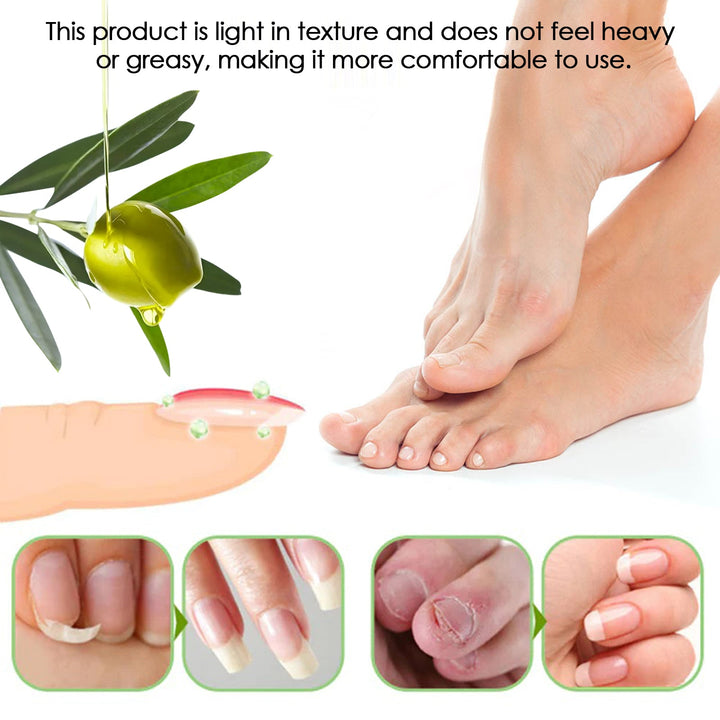

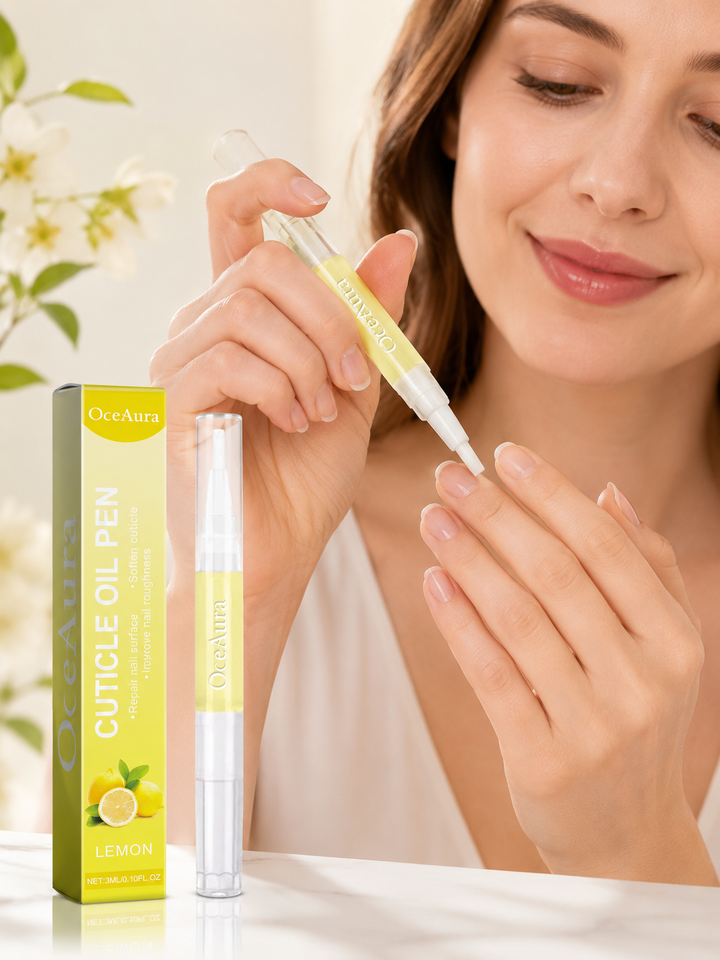
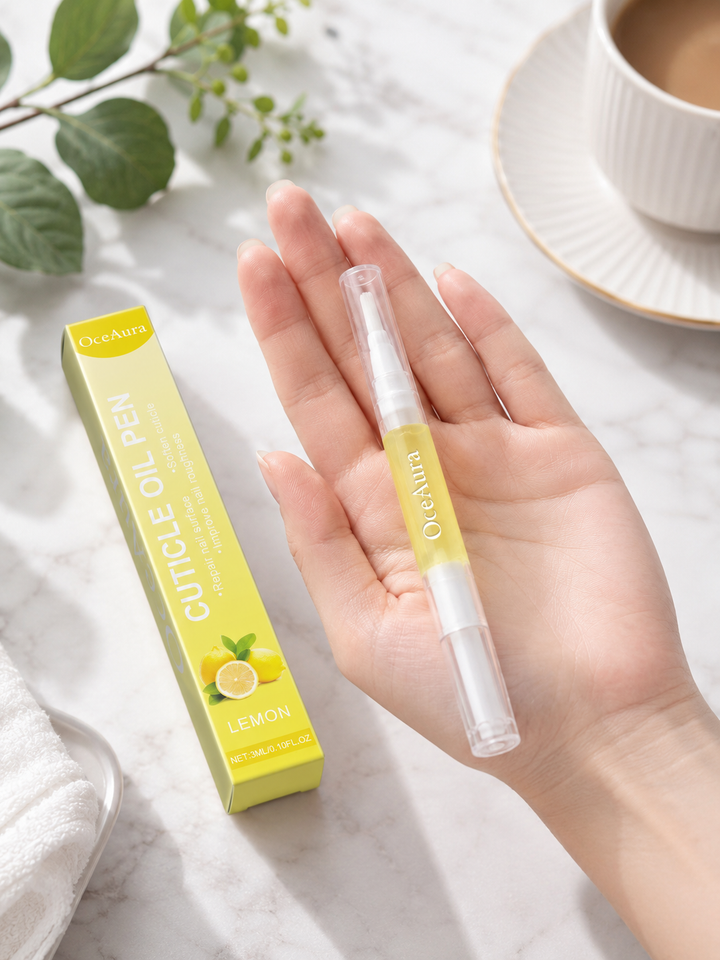

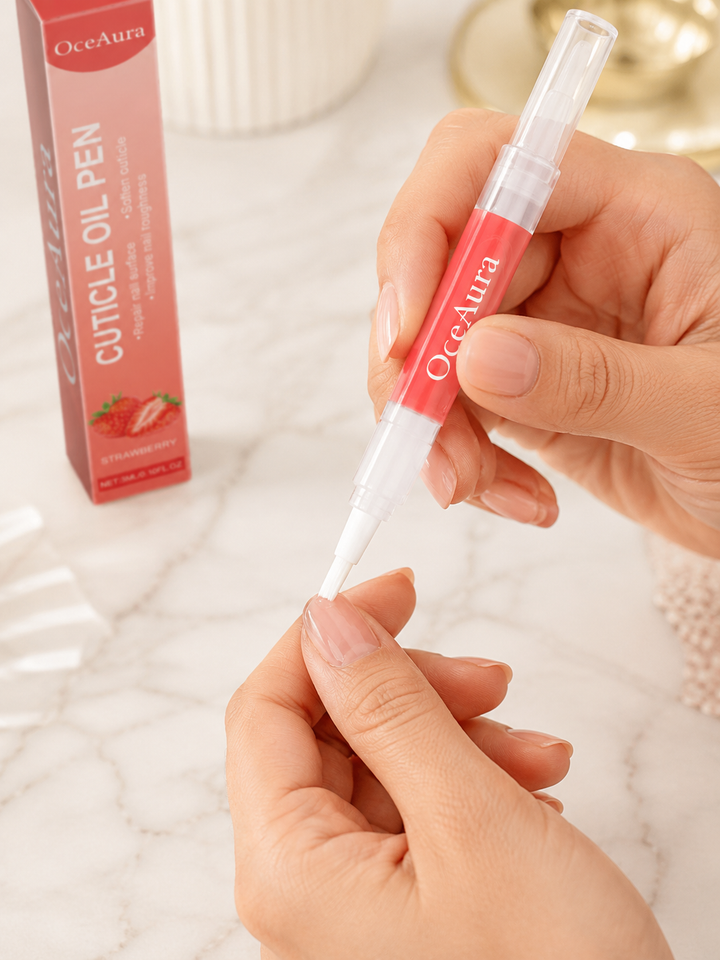
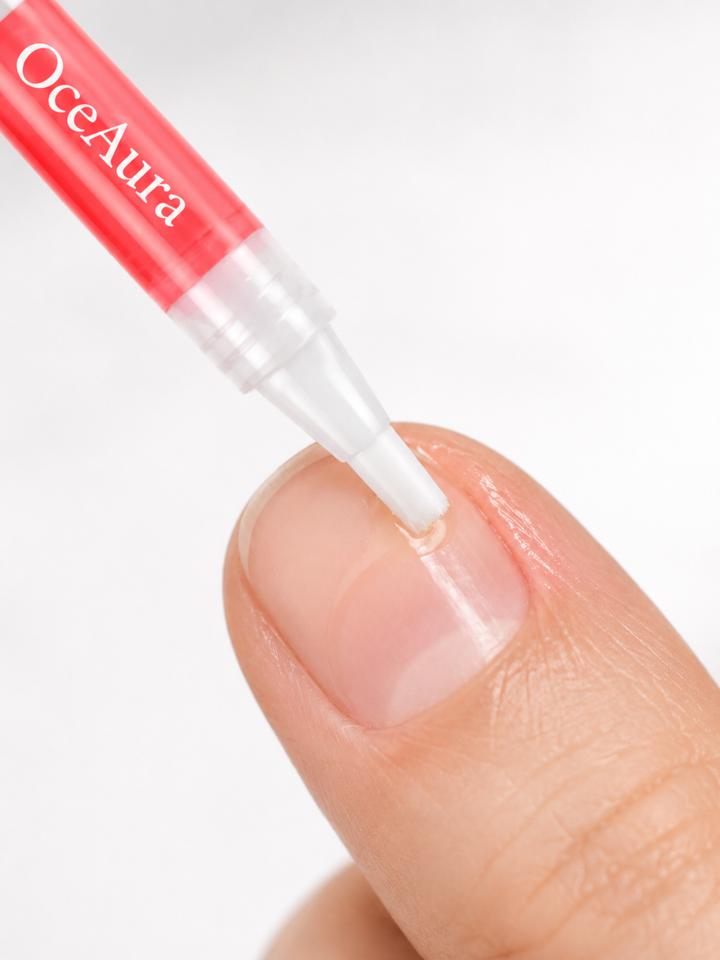


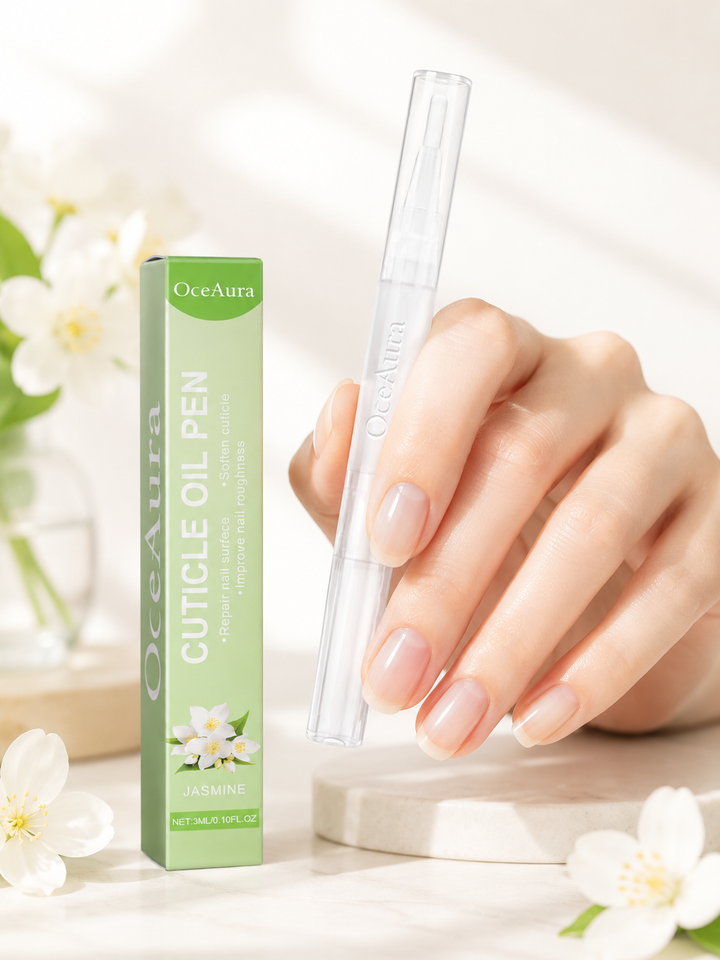
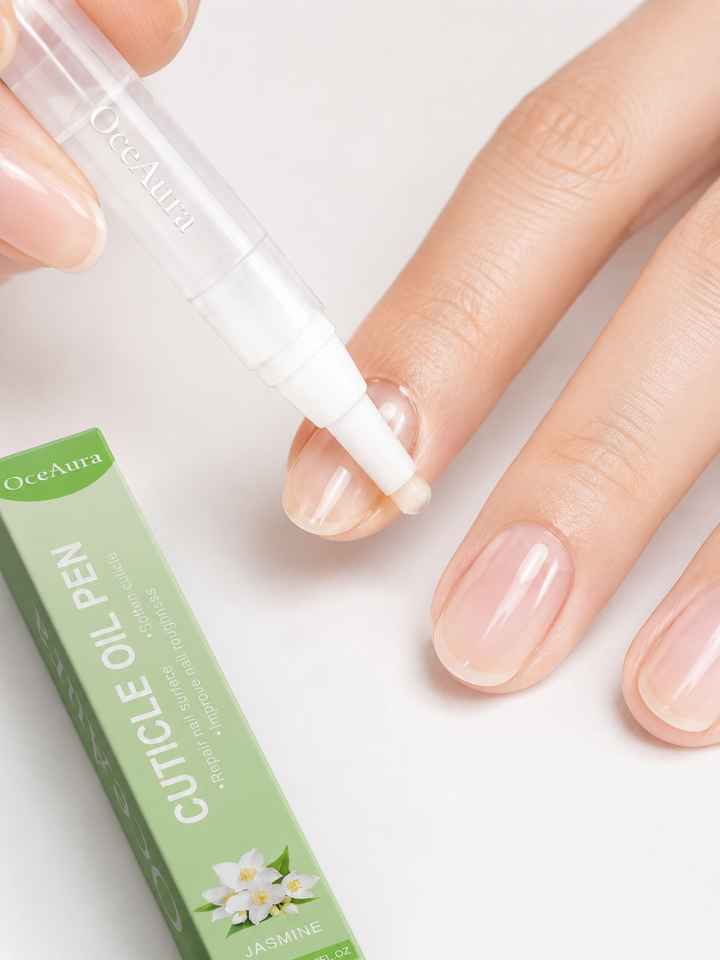
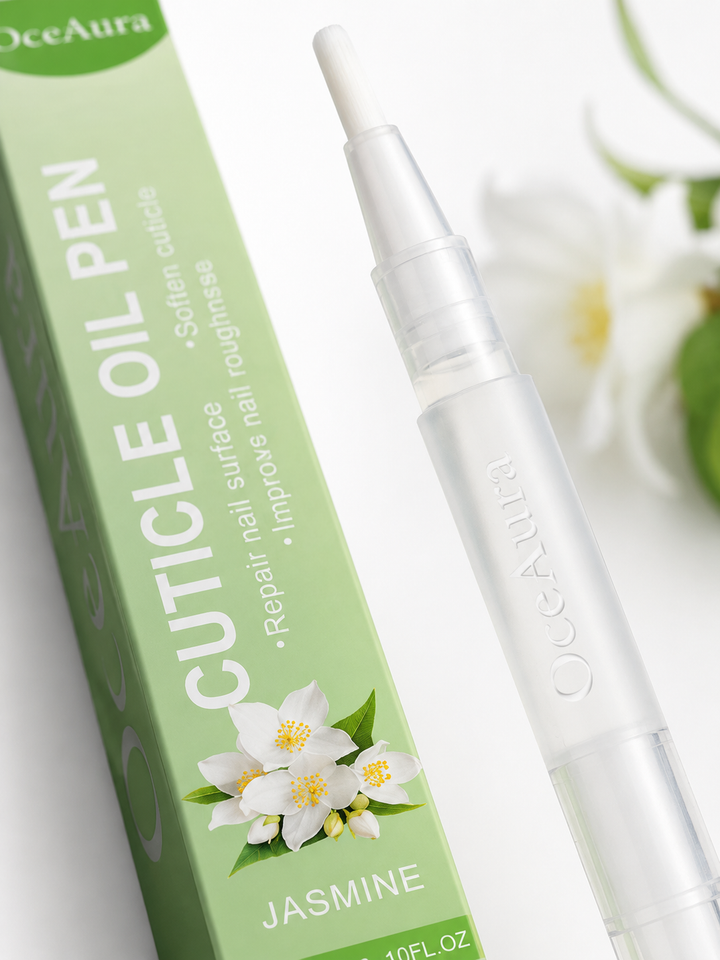

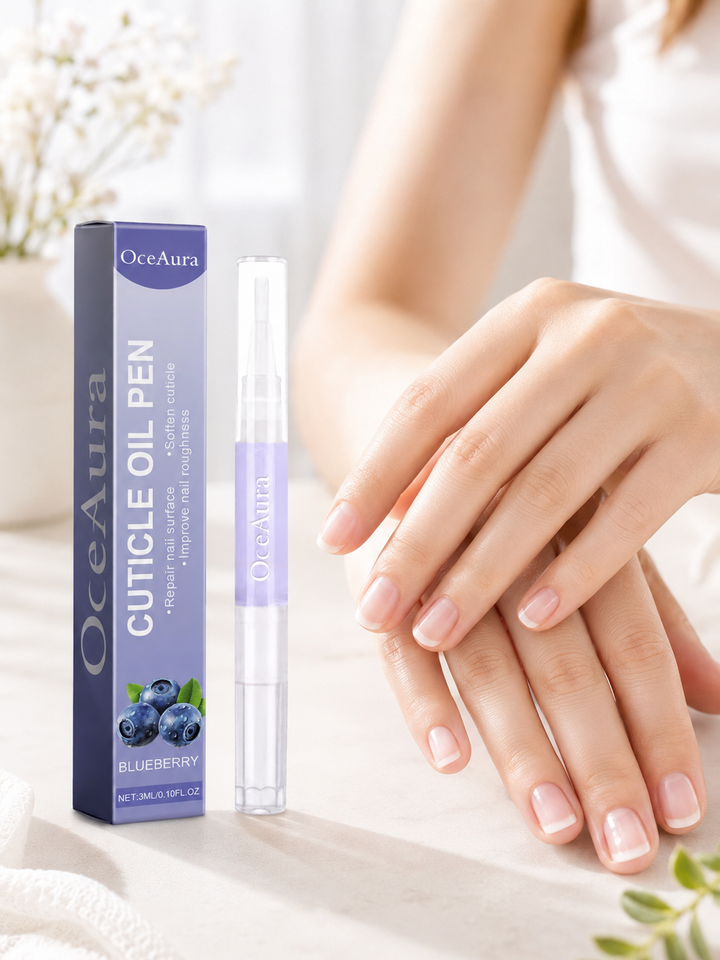
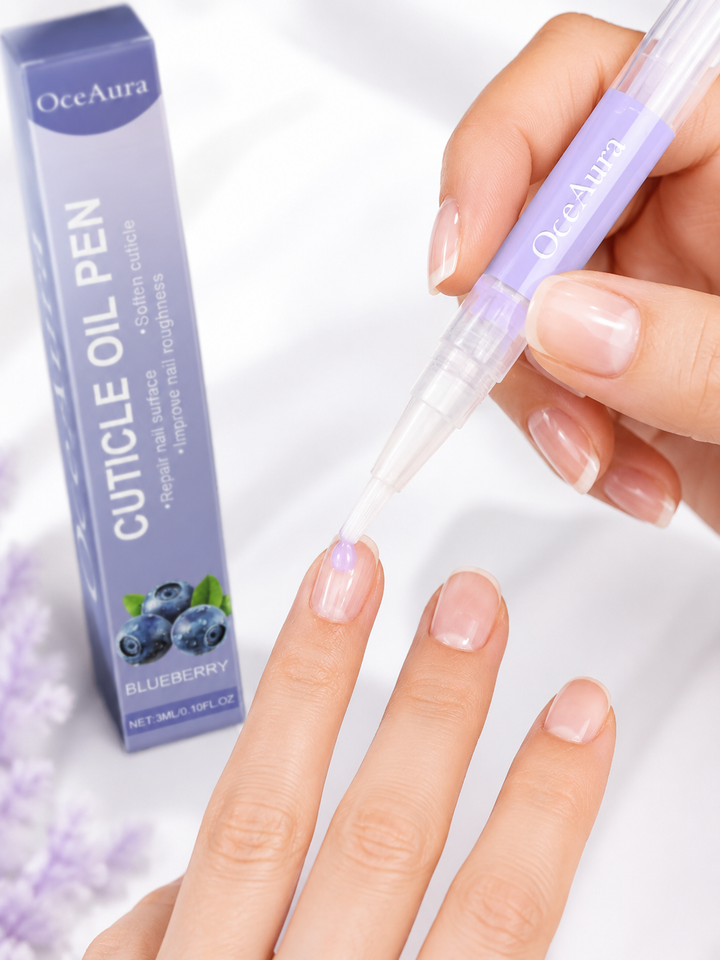
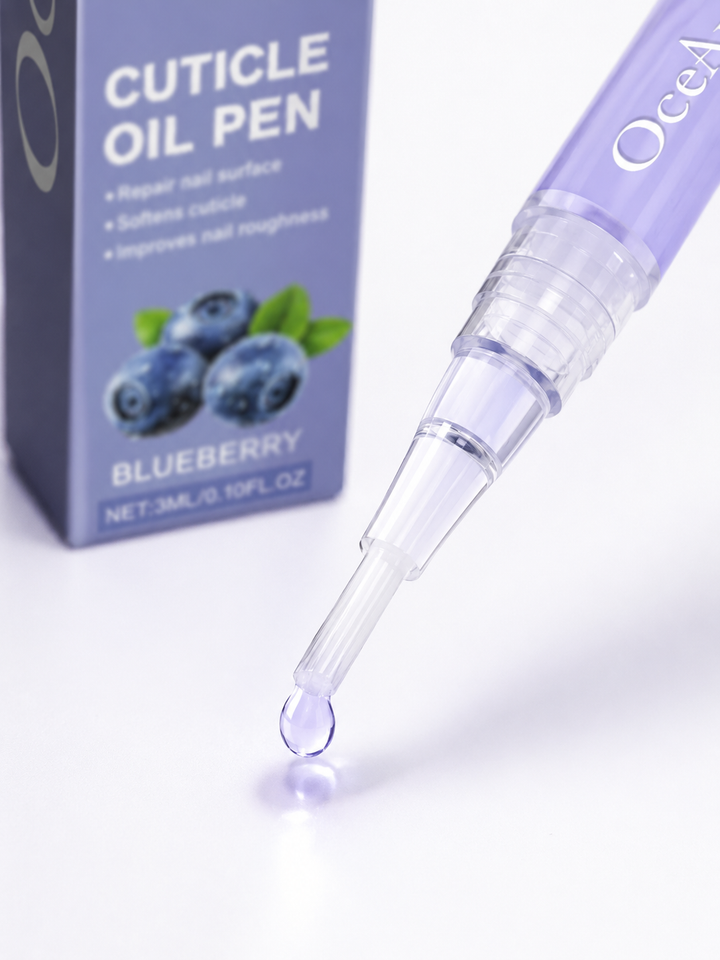


Cuticle oil helps condition the skin around your nails and can make dry cuticles, rough edges, and brittle-looking nails feel more comfortable and look tidier. This category includes dropper-style oils, convenient cuticle oil pens, and jojoba-based treatments for use on hands, feet, and nails.
How to choose the right cuticle oil
Start with how and where you plan to use it. Choose a cuticle oil pen if you want a portable applicator for your desk, bag, or travel kit; pens are also useful when you prefer controlled application instead of a dropper. For a simple routine at home, choose a liquid treatment such as the Strawberry Cuticle Oil for Cracking, Brittle Nails or the Cuticle Nail Treatment Oil with jojoba. If your main concern is rough skin around the nail, look for products described as softening or nourishing cuticles. For hands and feet, choose a formula specifically presented for both areas. Consider scent too, with options including jasmine-infused oil and lighter everyday treatments.
Cuticle oil pen vs. liquid cuticle oil
A cuticle oil pen is designed for quick, targeted application. Its pen format can make it easier to trace the oil along each nail edge without carrying a bottle and brush. Options in this category focus on softening cuticles, conditioning rough nails, or improving the look of gray-looking nails. Traditional liquid cuticle oil is a good choice for a fuller home manicure routine, especially when you want to apply oil generously and massage it into several nails at once. A jojoba-based treatment offers a straightforward ingredient choice, while scented options such as jasmine or strawberry add a more noticeable application experience. Neither format replaces the other; choose the pen for convenience and liquid oil for regular at-home care.
What ingredients should cuticle oil contain?
Read the ingredient list and product description rather than choosing by packaging alone. Jojoba is a popular option for a lightweight-feeling nail and cuticle treatment, and this category includes a 100% natural jojoba cuticle nail oil. Other products may combine nourishing oils with fragrance, such as jasmine or strawberry varieties. If you prefer a simple routine, select a product with a clearly stated formula and a scent you enjoy using regularly. Coconut oil can also be used by some shoppers as a basic home alternative, but a purpose-made cuticle oil is formulated and packaged for nail-area application. Avoid applying any product that causes stinging or irritation, and check the label for directions and ingredient sensitivities.
How to use cuticle oil correctly
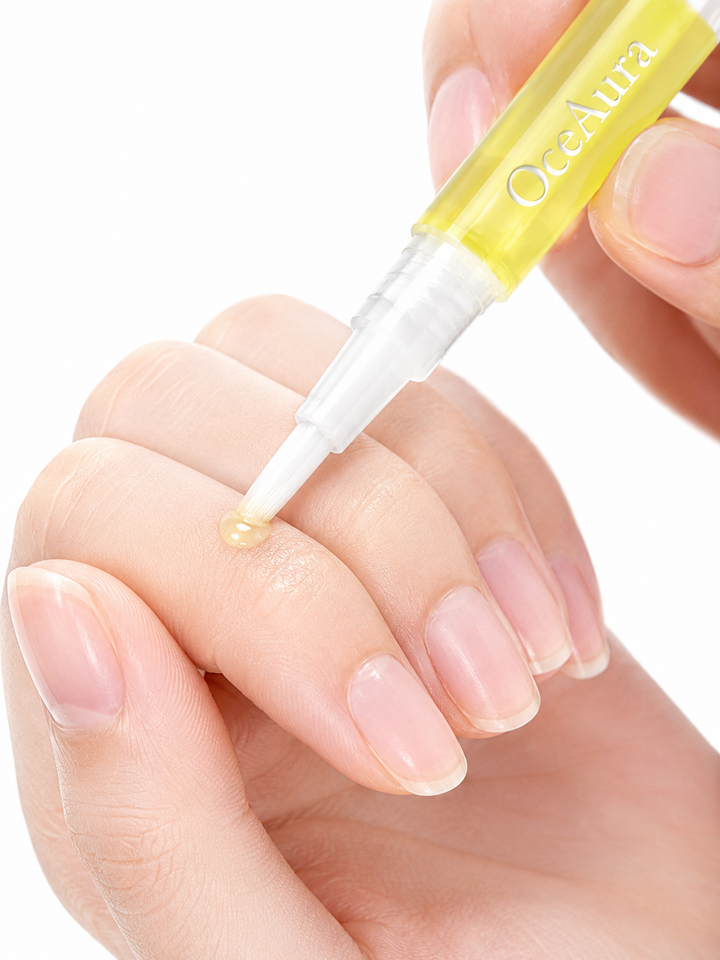
Apply a small amount to clean, dry nails and the skin around each nail. With a pen, twist or click according to the package directions, then guide the tip along the cuticle line. With liquid oil, use the applicator to place a small drop near each nail. Yes, you are supposed to rub it in: gently massage the oil over the cuticle, sidewalls, and nearby skin until it feels mostly absorbed. Use it after washing your hands, after a manicure, or whenever the area feels dry. Let the oil sit before applying nail polish if you want a clean polish surface. Follow the product label, and keep the container closed between uses.
How often should you use cuticle oil?
Use cuticle oil as part of a repeatable nail-care routine rather than treating it as a one-time product. Many shoppers apply it after handwashing, before bed, or whenever cuticles feel dry and rough. A pen works well for quick touch-ups during the day, while a bottle can suit a longer evening routine for both hands and feet. Massage the oil in each time instead of leaving a heavy layer on the skin. If you are preparing for nail polish, apply it before the manicure and remove excess oil from the nail plate before polishing. Start with the frequency recommended on the label and adjust based on how your skin feels and how often you wash your hands.
Common cuticle oil mistakes to avoid
One common mistake is applying too much oil, which can leave fingertips slippery and make nail polish adhere poorly. Another is brushing oil only over the center of the nail while missing the cuticle line and sidewalls. Do not use cuticle oil remover as a substitute for nourishing oil: remover products are intended for a different step in nail care. Avoid picking or cutting rough skin after applying oil, and do not share applicators between people. If you search for a cuticle oil recipe, remember that homemade mixtures may have different textures, shelf lives, and skin sensitivities than a packaged formula. Check the product directions, keep the applicator clean, and stop use if irritation occurs.
Frequently asked questions
What does cuticle oil actually do?
Cuticle oil conditions the skin around the nail and helps dry, rough cuticles feel softer. With regular use, it can also make the nail area look more polished and cared for. Results depend on the formula and your routine.
How often should you oil your cuticle?
Use it whenever your cuticles feel dry, or build it into a routine after washing your hands and before bed. A cuticle oil pen is convenient for daytime touch-ups, while bottled oil works well for a fuller manicure routine. Follow the instructions on your chosen product.
Is Vaseline better than cuticle oil?
Vaseline can help seal moisture onto the skin, but it is a thicker occlusive product rather than a purpose-made cuticle oil. Cuticle oils are designed for easier application around the nail and may include ingredients such as jojoba or scented oils. Choose based on texture, ingredients, and how you prefer to use the product.
What oil should you put on your cuticles?
Choose a product labeled for cuticles and check its ingredient list. Jojoba oil is one option in this category, while strawberry and jasmine-infused formulas provide scented alternatives. You can also use coconut oil as a simple home option if it suits your skin, but a packaged cuticle oil offers directions and a purpose-made applicator.
Am I supposed to rub in cuticle oil?
Yes. Apply a small amount around the cuticle and sidewalls, then gently massage it into the skin and nearby nail area. Rubbing it in helps spread the product evenly and reduces excess oil on the fingertips.
Can I just use coconut oil as cuticle oil?
Coconut oil can be used by some people as a basic moisturizer for the skin around the nails. However, it may feel heavier or more slippery than a purpose-made cuticle oil, and it does not come with a cuticle-specific applicator. If you use it, apply a small amount and stop if your skin becomes irritated.