
$49.90
Free delivery · 7–14 days
3-in-1 Apple Charger: Watch, iPhone & AirPods Dock
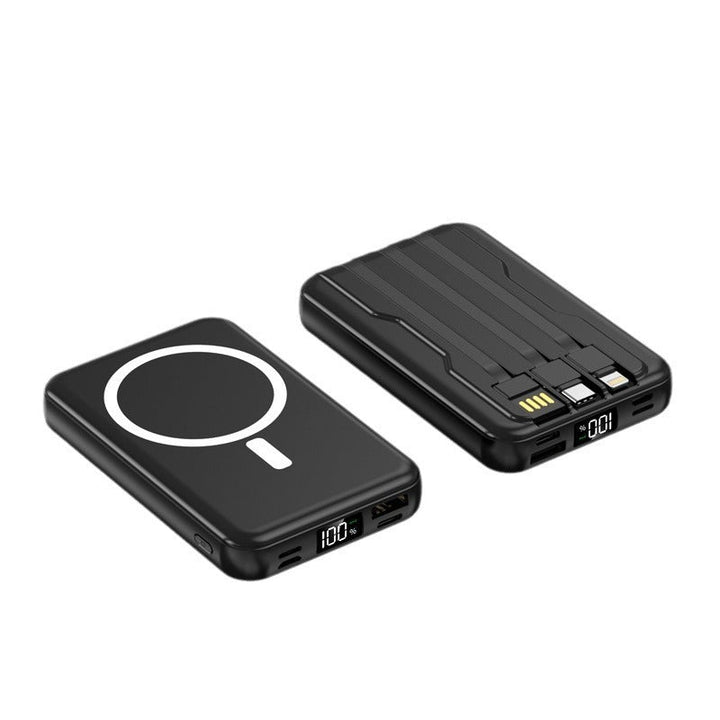


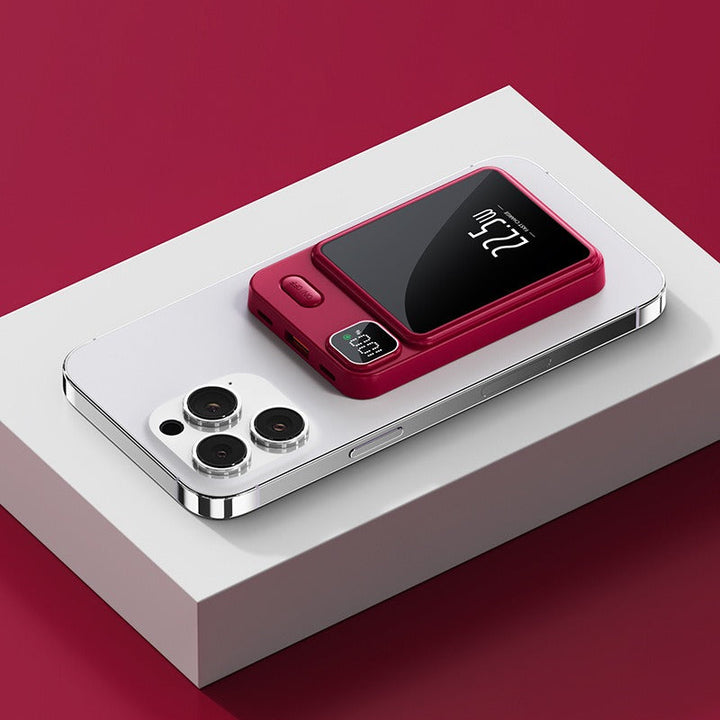


Magnetic charging cables and power banks make it easier to charge an Apple Watch, iPhone, AirPods and compatible phones without searching for a small connector. This guide explains cable types, magnetic charging options, power-bank formats and the practical details to check before ordering.
Start by identifying the device connection and the power source you plan to use. Apple Watch models need a compatible magnetic watch charger, while iPhones and AirPods may use a Lightning or USB-C connection depending on the model. Android and Samsung phones commonly use USB-C, but check your device before buying. Next, decide whether you need a cable, a charging dock or a power bank. A 3-in-1 Apple Charger can organize Watch, iPhone and AirPods charging in one place. A magnetic power bank is better for travel or charging without a wall outlet. Also check whether your existing wall adapter or car charger has a USB-A or USB-C port.
The three connection types shoppers most often compare are USB-A, USB-C and the device-end connector, such as Lightning or a proprietary magnetic charger. USB-A is the older rectangular plug found on many chargers, computers and charging cables. USB-C is the smaller, reversible connector used by many newer phones, tablets and power banks. The other end of a cable may be USB-C, Lightning or a magnetic charging attachment for an Apple Watch. Magnetic wireless power banks use a magnetic connection to align with compatible phones, reducing the need to plug in a phone during use. A 3-in-1 dock combines several charging positions rather than functioning as one simple cable.
Check connector compatibility first, then consider length, portability and how you charge each day. For a desk or bedside table, the 3-in-1 Apple Charger keeps multiple Apple devices together. For commuting, a magnetic power bank can attach to a compatible phone and avoid a dangling cord. Capacity, charging output and display features vary by model, so compare the product details with your phone’s requirements rather than assuming every power bank works the same way. A slim 9mm option favors easy carrying, while a 22.5W magnetic power bank emphasizes higher stated output. If you need charging cables for iPhone, Android charging cable type C, or charging cables for Samsung, verify the phone port and included connector before checkout.
Place the charger on a clean, dry surface and align the magnetic connector with the device’s charging point. For an Apple Watch, use the watch-specific magnetic charger rather than assuming a phone magnetic attachment will work. With a compatible magnetic phone power bank, center the power bank over the phone’s magnetic charging area and confirm that charging begins. Keep the cable or power bank away from water, excessive heat and sharp bends. Use a suitable wall adapter or car charger with the required USB port, and avoid forcing a connector into place. If charging stops, remove thick cases or metal accessories, check the connection and try another compatible power source.
A frequent mistake is buying by appearance instead of checking the connector. USB-A and USB-C are not interchangeable, even though both may connect to the same type of wall adapter through different cables. Another mistake is assuming every magnetic accessory charges every phone or Apple Watch. Magnetic alignment, wireless charging support and the device’s charging standard all matter. Do not rely on a cable simply because it fits; confirm that it is intended for your device. Also check what is included, since a power bank may not replace a wall adapter or a separate charging cable. For car charging cables, make sure the vehicle adapter has the correct USB-A or USB-C port and enough output for your intended device.
These products suit shoppers who want fewer loose cords, easier travel charging or a dedicated place for several Apple devices. The 3-in-1 Apple Charger is useful for a desk, nightstand or shared charging area. A magnetic power bank works well for compatible phones when you need portable charging, while the OLED-display model makes it easier to check its remaining power at a glance. The ultra-thin options suit pockets and small bags, and the 22.5W model is designed for shoppers comparing higher stated charging output. If you use an Android or Samsung phone, confirm magnetic compatibility and USB-C requirements before ordering. The magnetic hearing-aid charger is a separate product type and should only be selected when it matches your device.
The main connection types shoppers compare are USB-A, USB-C and device-specific connectors such as Lightning or a magnetic Apple Watch charger. A cable can have different connector types on each end, so check both the wall-adapter end and the device end.
The best option depends on your device, charging location and preferred setup. Choose a compatible magnetic Apple Watch charger for Watch charging, a 3-in-1 dock for multiple Apple devices, or a magnetic power bank for portable charging with a compatible phone.
Check the port or charging method on your device, then check the port on your wall adapter, computer or car charger. Newer Android and Samsung phones commonly use USB-C, while Apple devices may use USB-C, Lightning or a dedicated magnetic charger depending on the model.
USB-A is the larger, rectangular connector that only inserts one way. USB-C is smaller, rounded at the ends and reversible, so it can be inserted either way. Compare the plug shape on your charger or device with the cable connector before ordering.
Charging cables differ by connector, charging method and power source. Common examples include USB-A to USB-C, USB-C to USB-C, USB cables with Lightning ends and magnetic charging cables for devices such as Apple Watch.
Compatibility and construction matter more than a name alone. Choose a cable or charger with the connector your device requires, the correct power source connection and features that fit your routine, such as magnetic alignment, a multi-device dock or a portable power-bank design.