
$64.90
Free delivery · 7–14 days
Coffee Machine Cleaning Tablets for Better-Tasting Brews


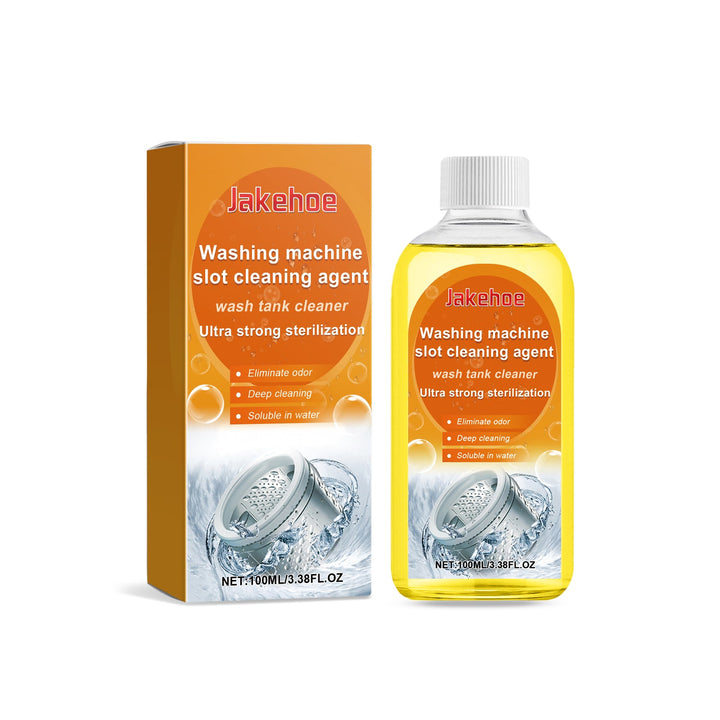


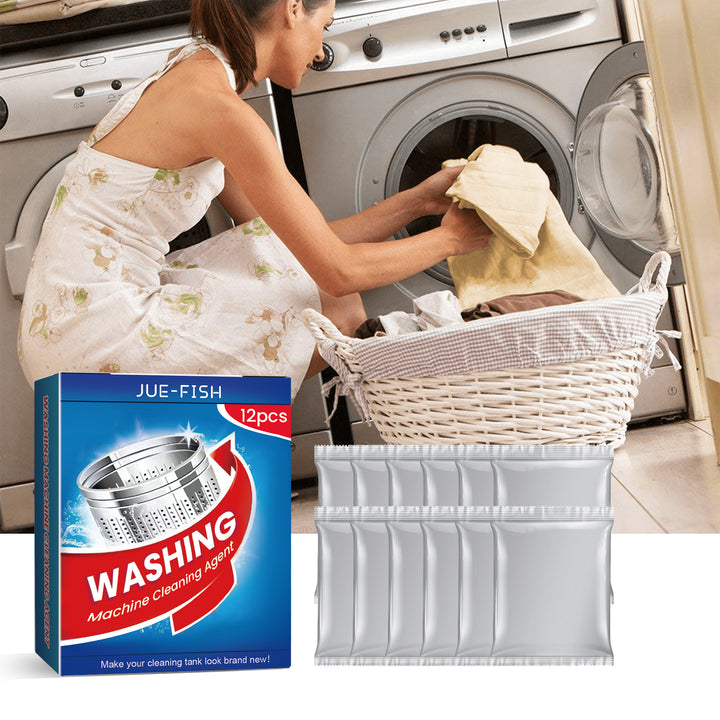
Keep washing machines, dishwashers, and coffee makers fresher with cleaners designed for internal parts, drums, and brewing systems. This guide explains which format to choose, how to use it, and when a DIY product may be more suitable than an appliance cleaning service.
Start with the appliance you want to clean, because washing machine cleaners, dishwasher cleaners, and coffee machine cleaners are not interchangeable. For a washer, choose a tablet or powder intended for the drum and select a pack size that suits your cleaning routine. Dishwasher cleaning sheets are designed for an empty cleaning cycle and can help target grease and residue inside the machine. Coffee machine tablets and sheets are made for cleaning brewing components, with some options specifically described as descaling products for espresso makers. Check the product instructions and your appliance manual before use. If you are comparing appliance cleaning near me or an appliance cleaning service, DIY cleaners are a practical option for routine internal maintenance, while a professional service may be better for difficult access or repairs.
Tablets are convenient when you want a pre-measured cleaner for a washing machine or coffee machine. Washing machine cleaner tablets can be useful for keeping a regular supply ready, while coffee machine cleaning tablets are suited to cleaning cycles specified by compatible machines. Powders allow flexible dosing according to the product directions and are available for washing machine deodorizing, descaling, or odor-focused cleaning. Dishwasher cleaning sheets are lightweight and simple to place in an empty dishwasher cycle, making them convenient to store. Sheets for coffee machines are another compact option, including products described for espresso maker descaling. Compare the appliance type, cleaning purpose, pack size, and instructions rather than choosing only by format.
Look for clear compatibility information and a stated cleaning purpose. A washing machine product may focus on deep cleaning the drum, removing odors, deodorizing, or descaling; choose the description that matches the issue you want to address. For dishwashers, look for a product intended to handle grease and residue during an empty cycle. For coffee machines, check whether the tablets or sheets are for general cleaning, descaling, or use with espresso makers. Pack size also matters: a 12-tablet washer pack or a six-pack of powder can be useful if you clean on a repeating schedule. Avoid using a product in an appliance unless its directions allow it, and remove visible debris from filters or seals when the appliance manual recommends it.
Before cleaning, empty the appliance and read both the cleaner instructions and the appliance manual. For a washing machine, add the specified tablet or powder to the recommended compartment or drum, then run the directed cycle without laundry. For dishwasher cleaning sheets, place the sheet as instructed and run the required empty cycle. Coffee machine tablets or sheets should be used only through the cleaning or descaling procedure supported by your machine; rinse or flush the system as directed before making coffee. Do not combine cleaners, exceed the stated amount, or use laundry products in a coffee machine. Keep products dry and away from children and pets. If you prefer hands-off help, a kitchen appliance cleaning service can handle external and accessible areas, but confirm what the service includes.
A common mistake is choosing a cleaner for the wrong appliance, such as using a dishwasher sheet in a washer or a washing machine powder in a coffee maker. Another is running a cleaning product with dishes, laundry, or coffee grounds still inside, which can reduce the usefulness of the cleaning cycle and leave items needing another wash. Do not mix products or add extra cleaner unless the instructions say to do so. Ignoring filters, detergent drawers, door seals, drip trays, and removable coffee components can also leave residue behind; clean these parts according to the appliance manual. Finally, do not treat a cleaner as a repair for leaks, blocked pumps, damaged seals, or electrical faults. For those problems, stop using the appliance and seek qualified help.
DIY cleaners suit shoppers who want a simple way to maintain an accessible washing machine drum, dishwasher interior, or coffee machine cleaning cycle. They are also useful when you want to keep cleaning products at home instead of booking an appliance cleaning service for every routine clean. Consider an appliance deep cleaning service when an appliance has heavy buildup, difficult-to-reach areas, or a history of neglected maintenance. Search terms such as professional oven cleaning service, oven cleaning service near me, or dishwasher cleaning service near me usually refer to local providers rather than the products in this category. A service may also be preferable if you cannot safely move, open, or access the appliance. Always check the provider’s scope, while using the product instructions for routine internal cleaning.
Use a cleaner made for the specific appliance and follow its instructions with the appliance empty. For best results, also clean accessible parts such as filters, seals, trays, and detergent drawers according to the appliance manual. Do not mix cleaning products.
Yes. An appliance cleaning service or appliance deep cleaning service may clean accessible internal and external areas, depending on what it offers. Ask whether the service includes the drum, seals, detergent drawer, filter, and odor-related cleaning before booking.
Run a washing machine cleaner through an empty cycle using a tablet or powder intended for washers. Follow the product directions, then clean removable drawers, the door seal, and the filter if your manual permits it. Persistent leaks, blockages, or mechanical problems need qualified repair rather than more cleaner.
The right schedule depends on the appliance, how often it is used, and the manufacturer’s guidance. Clean sooner if you notice odors, residue, or slower performance, and follow the cleaner’s recommended usage instructions. Regularly wiping accessible parts can support cleaning between deeper cycles.
There is no universal rule that a dishwasher must not run at night, but unattended operation can make it harder to notice leaks, unusual noise, smoke, or other problems. Follow your appliance manual and household safety guidance, and avoid running it when you cannot respond to an issue.
The 20-minute rule is a time-management approach: clean for a short, focused period, then stop or take a break. It is not a specific appliance-cleaning requirement. For washers, dishwashers, and coffee machines, the product instructions and appliance manual should take priority over a timed cleaning habit.