
$64.90
Free delivery · 7–14 days
Coffee Machine Cleaning Tablets for Better-Tasting Brews


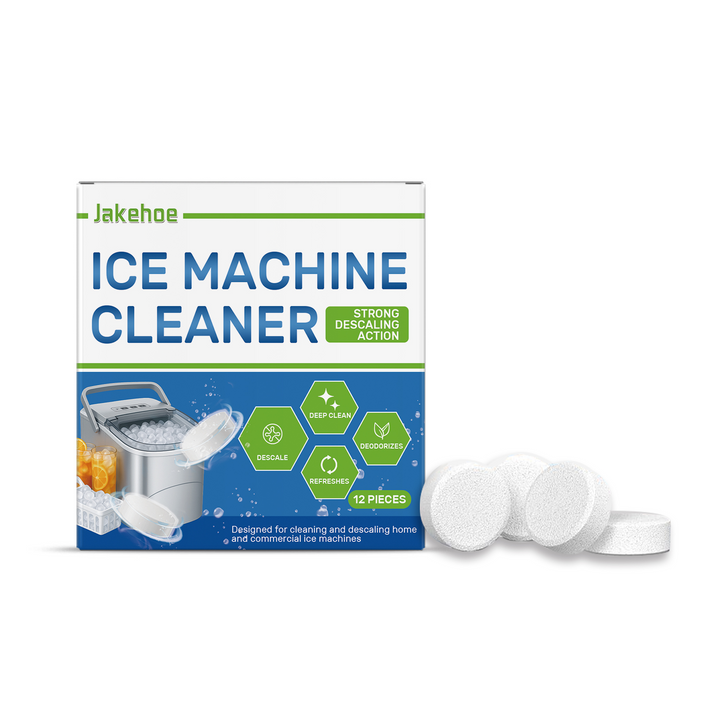
Appliance descalers help remove limescale and mineral buildup from coffee machines, espresso makers, kettles, and other water-using appliances. This guide explains how to compare liquid solutions and tablets, choose an appliance-appropriate formula, and use it without confusing descaling with routine cleaning.
Start with the appliance you want to clean and check its care instructions for an approved descaling method. Coffee machine descaler is designed for the internal water path, boiler, or heating system in compatible coffee makers and espresso machines. Kettle descaler tablets are intended for kettles, while dishwasher cleaners address dishwasher odors, residue, or mineral buildup. Choose a product that clearly lists your appliance type and follow its dosage and rinsing directions. Tablets can be convenient when you want a premeasured format, while liquid descaler may be easier to adjust for different reservoir sizes. Do not select a coffee grinder cleaning brush or coffee machine cleaning tablet when the main problem is limescale; those products serve different cleaning purposes.
The main options are liquid descaling solutions and dissolvable descaling tablets. Liquid products are ready to dilute or pour according to the instructions, which can make them useful for coffee machines with larger reservoirs or specific dilution requirements. Tablets are compact, tidy, and simple to store; they dissolve in water before or during the cleaning cycle, depending on the product directions. A coffee machine cleaning tablet is usually intended to remove coffee oils and brewing residue, not mineral scale, so it is not automatically a substitute for a descaler. Likewise, dishwasher cleaner and kettle tablets should remain matched to their intended appliances. Compare format, compatibility, instructions, and pack size rather than choosing only by the word “powerful.”
Look for clear compatibility with your coffee machine or espresso maker, straightforward dilution instructions, and a defined rinse process. The product should explain whether it is suitable for automatic machines, manual espresso makers, pod machines, or other equipment. Consider how often you use the appliance and whether tablets or liquid are easier to keep on hand for routine maintenance. A useful formula should target limescale and mineral buildup without requiring improvised ingredients. Check the appliance manual before use, especially if it specifies a particular descaling cycle or warns against certain acids. If you are comparing coffee machine descalers, also distinguish descaling from cleaning: descaler addresses mineral deposits, while cleaning tablets are generally for coffee residue in the brew system.
Empty the water reservoir and remove any remaining water, coffee, or filter components that the appliance instructions say to remove. Prepare the descaler exactly as directed, including the stated amount of water, then start the machine’s built-in descaling program if it has one. If there is no automatic cycle, follow the product and appliance instructions for running the solution through the water path in stages. Do not drink the solution or use the appliance for brewing while it is being treated. After the cycle, empty the reservoir and rinse it thoroughly. Run the required fresh-water rinse cycles until the instructions are complete and no descaling solution remains. Keep the process specific to the appliance; kettle tablets and dishwasher cleaner are not interchangeable with coffee machine descaler.
A common mistake is using vinegar, baking soda, or another homemade mixture without checking the appliance manual. Vinegar may be unsuitable for some machines, can leave odor, and may not follow the manufacturer’s required cleaning process. Baking soda is not a reliable replacement for an acidic descaler when the goal is dissolving mineral scale. Another error is using coffee cleaning tablets to remove limescale, or using dishwasher cleaner in a coffee machine. Overdosing a product does not necessarily make it more effective and may complicate rinsing. Skipping the rinse cycle can leave residue in the water path. Finally, do not assume every descaler fits every appliance: verify compatibility, follow the stated preparation steps, and use the correct cycle.
Appliance descalers suit people who use hard water, notice scale around a heating element or water outlet, or want a regular maintenance product for a coffee machine, espresso maker, or kettle. They are also useful for households that prefer a ready-made solution over measuring a homemade descaler. Coffee drinkers should choose coffee machine descaler specifically, while kettle owners can select kettle descaler tablets. Dishwasher owners should look for dishwasher cleaner labeled for mineral buildup or routine appliance care. These products are not intended to replace every cleaning task: coffee machine cleaning tablets can handle different residues, and a grinder cleaning brush is for loose grounds and debris. Always confirm that the product matches the appliance and follow its instructions.
Not necessarily. A purpose-made descaler is formulated and labeled for specific appliances, while vinegar may be unsuitable for some coffee machines or leave a noticeable odor. Check the appliance manual and use the recommended descaling method.
There is no single homemade formula that is appropriate for every appliance. Homemade mixtures can conflict with manufacturer instructions, so a compatible commercial descaler is generally the simpler choice when the appliance manual recommends one.
Baking soda should not be treated as a direct substitute for descaling solution. It is not the same type of product as an acidic limescale remover, and using it may not address mineral deposits as intended. Follow the appliance and descaler instructions instead.
Descalers commonly use an acid-based ingredient to dissolve mineral deposits, but the exact ingredient and concentration vary by product. Check the product label and appliance guidance rather than selecting a descaler based only on its chemical name.
Some people use household acids, but a homemade mixture may not be suitable for your coffee machine, espresso maker, kettle, or dishwasher. A purpose-made product provides appliance-specific directions and a defined rinse process, making it easier to use correctly.
The strongest-sounding product is not automatically the best choice. Look for compatibility with your appliance, clear dilution instructions, and directions for a complete rinse. Using an incompatible or overly concentrated product can create more problems than choosing a properly matched descaler.