
$49.90
Free delivery · 7–14 days
Kitchen Foam Degreaser Spray — No-Scrub Grease Remover
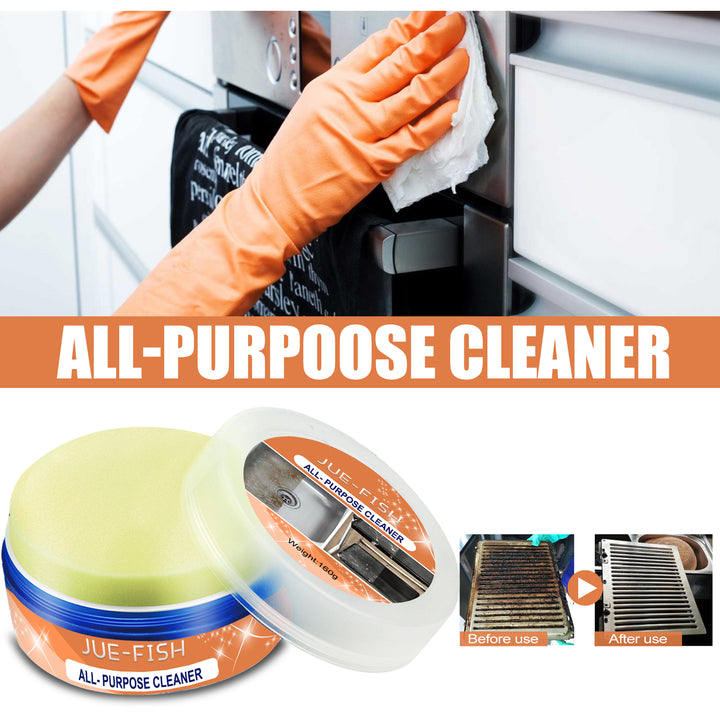
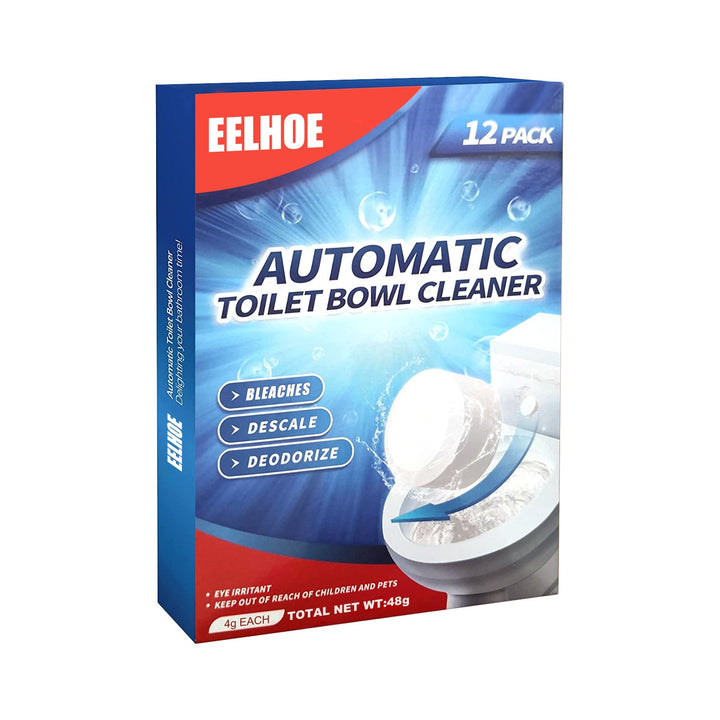
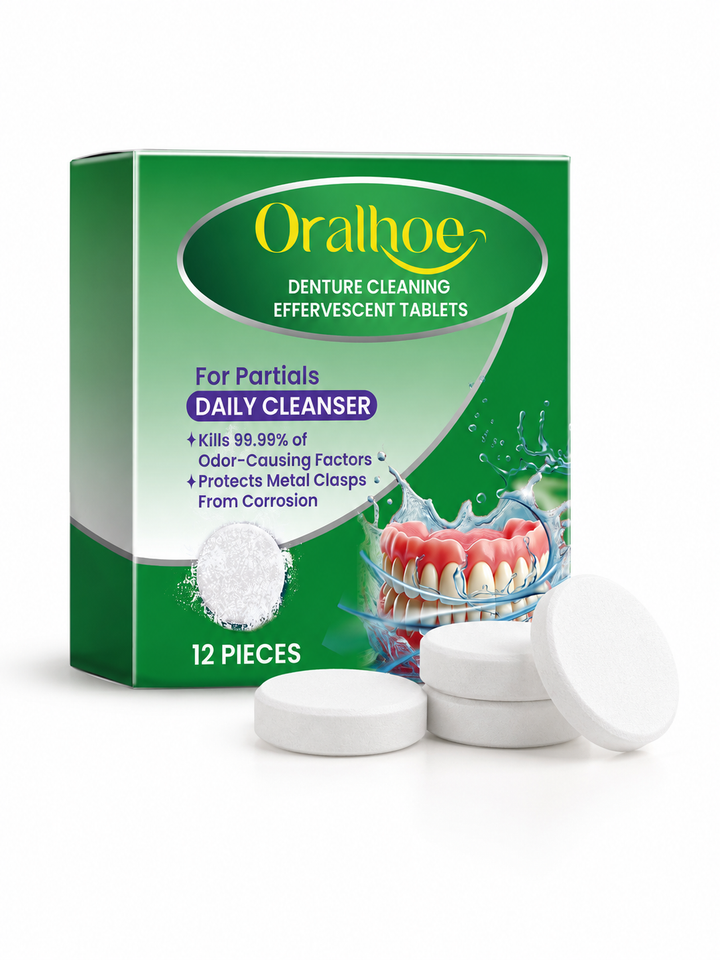

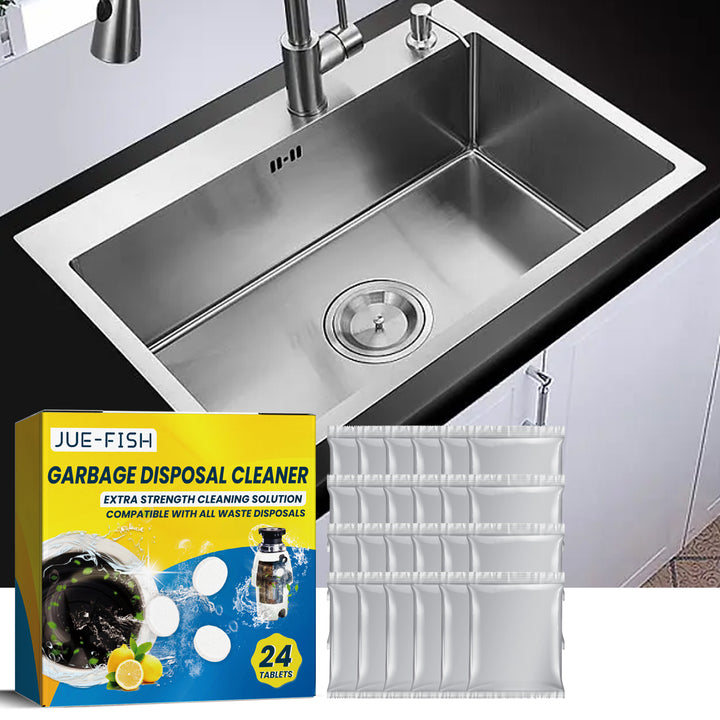
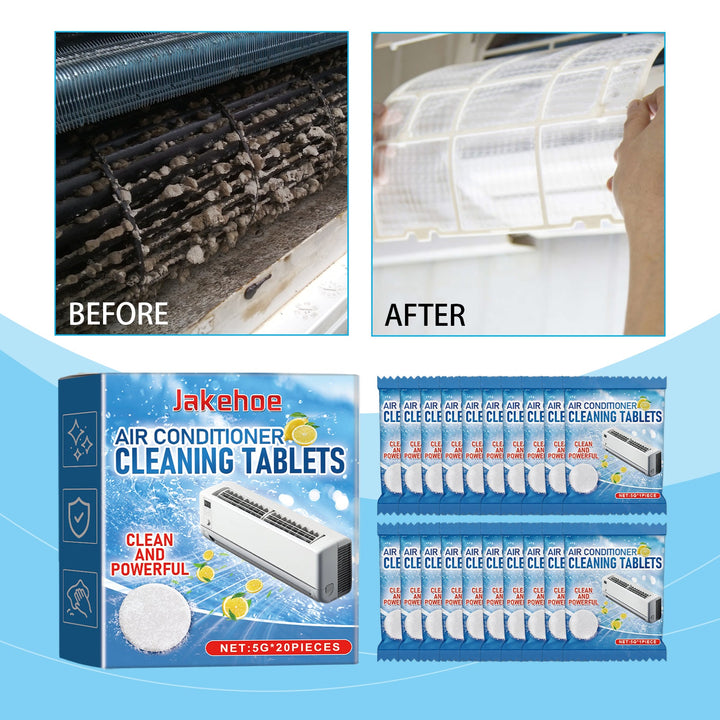

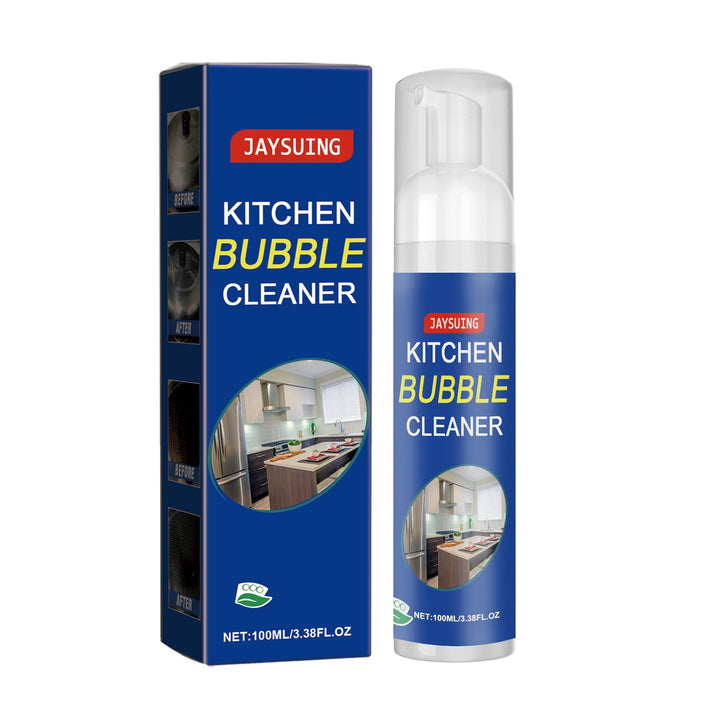

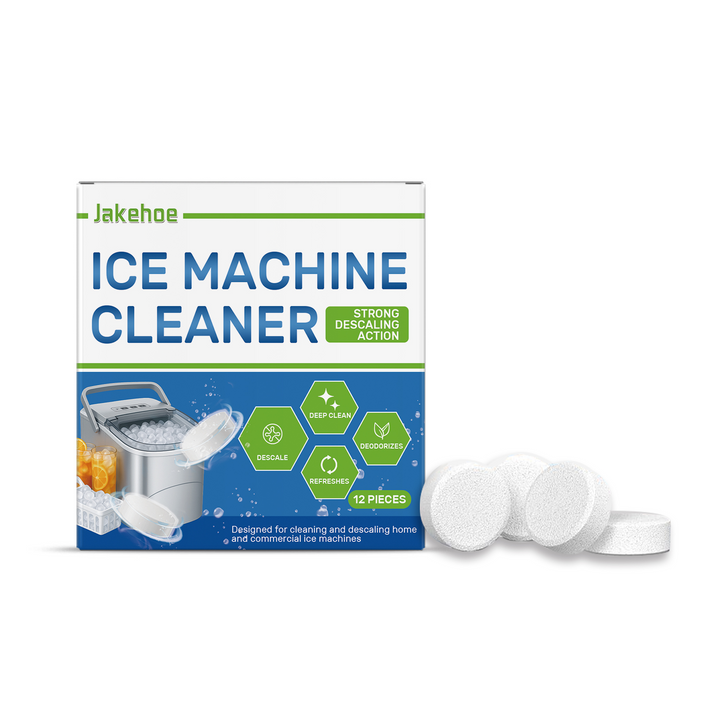

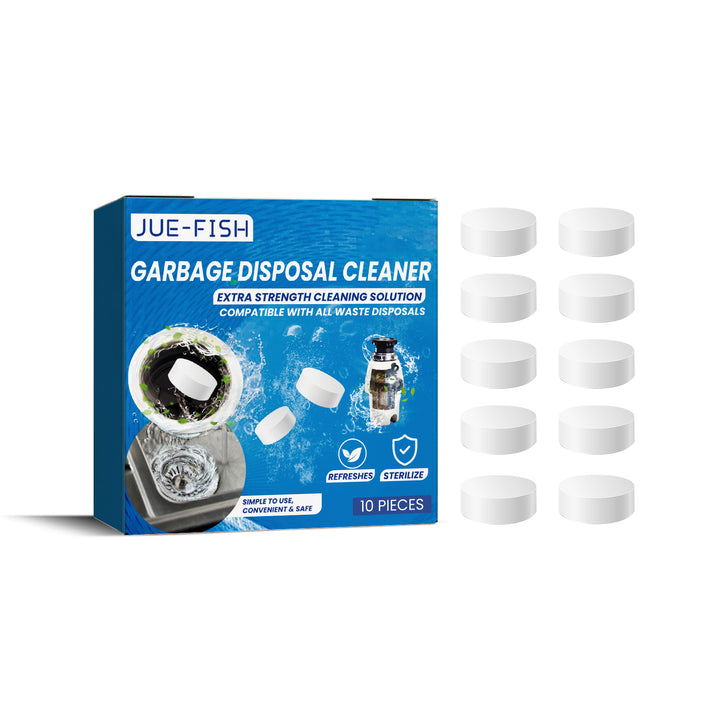
Kitchen cleaning tablets and related concentrated cleaners help target grease, baked-on residue, odors, and buildup in specific kitchen areas. Compare the format, surface, and cleaning task before choosing a product so you can match a sink tablet, powder, gel, or appliance tablet to the job.
Start with the surface and the type of residue you need to remove. Sink cleaning tablets are designed for sink or garbage disposal odor and grease maintenance, while ice maker cleaning tablets and AC cleaning tablets are made for their named appliances rather than general countertops. For stovetops, range hoods, and other greasy areas, consider the kitchen heavy oil foam cleaner, kitchen cleaning powder kit, kitchen grease cleaner gel, or oil cleaning powder for range hood grease and rust. Check the product directions for compatible materials, dilution, contact time, and rinsing requirements. The best kitchen cleaning tablets are not necessarily the strongest option; they are the option suited to the task without unnecessary scrubbing or using an appliance product on an unsuitable surface.
Choose a foam, powder, gel, or tablet according to the mess. Foam is useful for spreading over greasy surfaces, while the kitchen heavy oil foam cleaner is intended for dissolving heavy oil. Powder products, including the kitchen cleaning powder kit and oil cleaning powder, suit concentrated cleaning tasks such as heavy grease or range hood buildup. Gel clings to surfaces, making the kitchen grease cleaner gel a practical choice for baked-on grime where longer contact may help. Sink cleaning tablets focus on grease and unpleasant odors in the sink or garbage disposal area. Appliance-specific tablets serve different purposes: AC cleaning tablets target fins and odors, and ice maker cleaning tablets target scale and deodorizing. Do not treat these products as interchangeable.
Look for clear instructions that identify the intended surface, residue, preparation, and final rinse. If you need an all-purpose kitchen cleaner, first define “all-purpose” for your home: a countertop wipe-down is different from baked-on oven or range hood grease. A product that cuts heavy grease may require more careful handling than a light daily cleaner. Check whether the formula is meant to be dissolved, spread, left briefly, scrubbed, or rinsed away. Also consider packaging and storage if you clean regularly. For delicate, painted, coated, or natural surfaces, test a small hidden area and follow the surface manufacturer’s guidance. Avoid choosing solely by fragrance or strength; effective kitchen cleaning depends on matching the cleaner to the material and mess.
Read the label before use and prepare the area by removing loose food, crumbs, and removable parts where appropriate. Dissolve or apply the product exactly as directed; do not guess the amount or combine it with bleach, acids, ammonia, or other cleaners. For sink cleaning tablets, follow the instructions for the sink or garbage disposal and use only the recommended water flow or cycle. For ice maker cleaning tablets and AC cleaning tablets, use the appliance-specific procedure and complete any required rinse or flush. Foam, powder, and gel products should be kept on the intended surface only for the stated time, then wiped or rinsed as directed. Wear the protective equipment listed on the packaging, ventilate the area, and keep products away from children and pets.
A common mistake is using an appliance tablet as a general countertop cleaner. Ice maker cleaning tablets belong with the ice maker procedure, AC cleaning tablets with AC fins, and sink cleaning tablets with the named sink or disposal task. Another mistake is applying a grease cleaner to a hot surface, which can spread residue or create fumes; let the surface cool first unless the instructions say otherwise. Do not mix products, overuse powder or gel, or leave a cleaner on longer than directed. Scrubbing aggressively can damage finishes, so allow a suitable foam or gel to work according to its instructions. Finally, rinse food-contact surfaces thoroughly when required and wash reusable cloths separately from ordinary laundry if they contain grease.
These products suit shoppers who want targeted help with recurring kitchen tasks rather than one undifferentiated cleaner. Home cooks may prefer a grease-focused foam, powder, or gel for stovetops, range hoods, and baked-on splashes. Households dealing with sink or garbage disposal odors may find sink cleaning tablets convenient for routine maintenance. People who clean specific appliances can choose ice maker cleaning tablets for descaling and deodorizing or AC cleaning tablets for fins and odors. They are also useful when storage space matters and a concentrated format is preferable to a large ready-to-use bottle. If you want the simplest daily solution, confirm that the product matches your surface and cleaning frequency. Professionals and maids typically select a cleaner by task, material, and instructions rather than relying on one formula for every room.
The best choice depends on the surface and residue. Use a grease-focused foam, powder, or gel for heavy oil and baked-on grime, and choose sink or appliance-specific tablets for sinks, garbage disposals, ice makers, or AC fins. Always follow the product and surface instructions.
The best tablet is the one made for your specific task. Sink cleaning tablets address sink or disposal grease and odors, ice maker cleaning tablets target scale and deodorizing in ice makers, and AC cleaning tablets are intended for AC fins and odors. These products should not be substituted for one another without label guidance.
Professionals generally match the cleaner to the soil and surface, using a grease product for greasy equipment and a suitable tablet for a named appliance or sink task. They also follow dilution, contact-time, ventilation, rinsing, and surface-compatibility instructions rather than mixing products.
For routine surfaces, choose a product whose instructions specifically allow that material. For heavy grease, a kitchen heavy oil foam cleaner, powder kit, or grease cleaner gel may be more suitable; for range hood grease and rust, use the oil cleaning powder intended for that task. Test an inconspicuous area when the surface is delicate or coated.
An all-purpose option should match the surfaces you clean most often and clearly state those uses. Concentrated grease products are better for stubborn oil than for every daily wipe-down, while sink and appliance tablets are specialized rather than all-purpose. Check the label before using any cleaner on food-contact areas.
A clean-smelling home usually starts with removing the source of odors, including sink or garbage disposal buildup. Sink cleaning tablets can help with the named sink and disposal task, while appliance tablets may address odors in an ice maker or AC. Use ventilation and follow all product directions instead of covering odors by mixing fragrances or cleaners.