
$44.90
Free delivery · 7–14 days
Mouth Guard A+ Protection — Secure Fit for Combat Sports
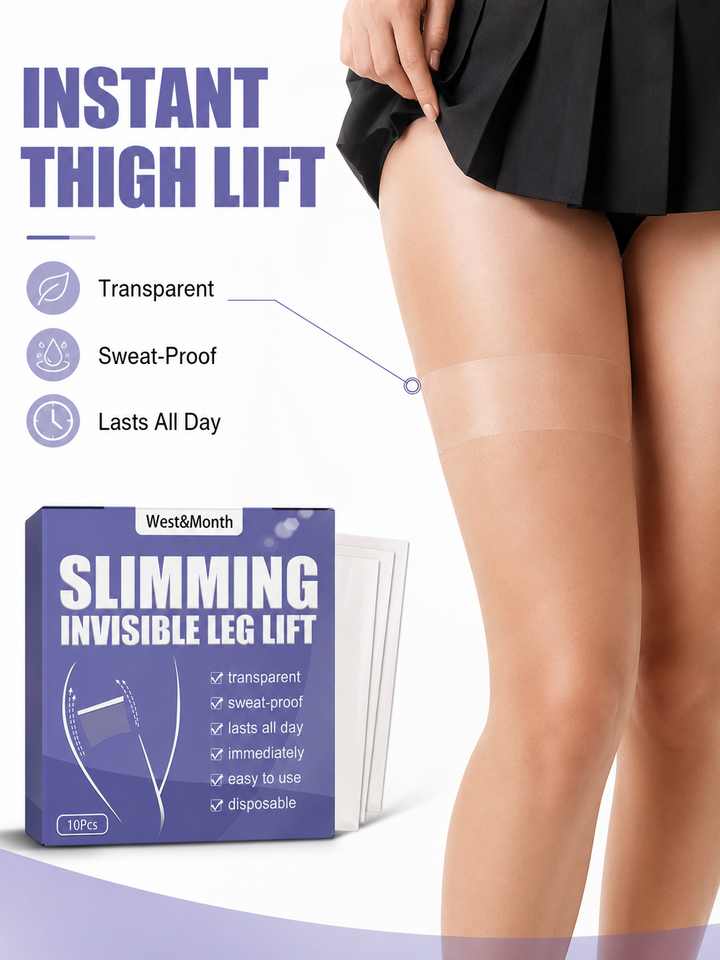


Thigh pads can mean different products: padded football or cricket guards for impact protection, or slim anti-chafe bands designed to reduce rubbing under clothing. This guide focuses on choosing the right style for your activity, fit, and clothing, while clearly separating game-day protection from invisible everyday thigh bands.
Start by identifying the protection you actually need. Football and cricket thigh pads are impact-protection products that should cover the intended area and fit securely beneath your uniform. Anti-chafe thigh pads are different: they are soft, low-profile bands worn around the upper thigh to help reduce skin-on-skin rubbing and remain discreet under clothing. For cricket, look for equipment made specifically for batting or fielding rather than using an anti-chafe band as protective gear. Shoppers searching for thigh pads for skinny legs should prioritize adjustable or close-fitting designs that do not slide. If you need thigh pads for casual wear, dresses, or walking, an invisible anti-chafe style may be more comfortable and practical than bulky sports padding.
Football thigh pads are designed to sit inside integrated uniform pockets or compatible compression gear and help cover vulnerable upper-leg areas during play. Cricket thigh pads generally form part of a batter’s protective kit and are selected according to coverage, mobility, and compatibility with trousers. Anti-chafe bands serve a different purpose: they use a slim fabric layer to create a barrier between the thighs and are intended to stay invisible under everyday outfits. They are not a substitute for football or cricket impact protection. Basketball players may prefer lightweight compression shorts or sport-specific protective equipment when required, because loose bands can shift during repeated movement. Compare each option by purpose first, then by fit, coverage, materials, and how easily it can be worn beneath your usual clothing or uniform.
Fit matters more than a product label. Measure the part of your thigh where the pad or band will sit, following the seller’s size guide rather than guessing from clothing size. For skinny legs, check that the smallest adjustment still creates a secure fit without bunching. For larger thighs, look for broad sizing ranges, flexible fabric, and edges that sit flat rather than cutting in. A smooth finish helps prevent visible lines beneath trousers, skirts, or sportswear. For game-day pads, confirm that the shape matches the protective area and that straps, pockets, or compression layers hold the pad in place. For anti-chafe bands, consider whether you want a neutral shade, a wider contact area, and enough stretch for walking, sitting, and everyday movement.
Wear impact pads according to the manufacturer’s placement instructions and your sport’s equipment requirements. A football or cricket pad should cover the intended area, remain secure during movement, and fit beneath compatible uniform layers without restricting your stance or stride. Do not rely on an anti-chafe band for impact protection. For an anti-chafe style, place each band around the upper thigh at the area where rubbing occurs, then smooth the fabric so it lies flat. It should feel secure but not painfully tight, and it should not roll or slip when you walk. Test the fit with the clothing you plan to wear. If the band shifts, bunches, or causes irritation, reassess the size, placement, or product type before using it for a full day or match.
One common mistake is treating all thigh pads as interchangeable. An invisible anti-chafe band is not a football, cricket, or basketball impact guard, while bulky sports padding may be uncomfortable for everyday clothing. Another mistake is choosing by waist size alone; thigh circumference and the intended placement are more useful measurements. Avoid wearing a pad over loose fabric if the design is meant to sit directly against the skin or a close-fitting base layer. Do not fold, cut, or modify protective equipment unless the manufacturer permits it. Wearing a pad that is too tight can cause discomfort, while one that is too loose may move out of position. Follow care instructions, check seams and fasteners regularly, and replace equipment when it no longer fits or stays secure.
Football and cricket thigh pads suit players who need sport-specific coverage that fits under their kit and supports unrestricted movement. Basketball players should choose equipment intended for basketball movement and contact rather than assuming football or cricket padding will work equally well. Anti-chafe thigh bands suit people who want a discreet layer beneath dresses, skirts, shorts, or trousers during walking, commuting, travel, or daily activities. They can be useful for different body shapes, including shoppers looking for thigh pads for skinny legs or a more accommodating fit for larger thighs, provided the sizing is correct. They are not a treatment or a replacement for professionally specified protective equipment. If you need custom thigh pads, check whether the seller actually offers made-to-measure construction; a standard adjustable product should not be described as custom.
Football and cricket thigh pads are designed to cover selected upper-leg areas as part of sport-specific protective equipment. Anti-chafe thigh bands do something different: they create a soft barrier between the thighs to help reduce rubbing and stay discreet under clothing. Always match the product to the activity because an anti-chafe band is not impact protection.
The best thigh pad depends on your use. Choose football or cricket protection for sport-specific impact coverage, and choose a slim anti-chafe band for everyday wear beneath clothing. Prioritize correct measurements, stable placement, comfortable materials, and compatibility with your uniform or outfit.
Wear sports pads in the position specified by the manufacturer, securely beneath compatible kit, and check that they stay in place while you move. Anti-chafe bands should sit flat around the upper thigh where rubbing occurs, without rolling or feeling painfully tight. Test the fit before a match or a full day of wear.
Look for knee pads with a broad size range, adjustable straps, flexible materials, and padding that remains centered when you bend and walk. Measure your thigh and knee area according to the product guide rather than relying on general clothing size. A thigh pad or anti-chafe band is not a substitute for a knee pad when knee coverage is required.
Choose knee pads that offer extended sizing, secure but adjustable fastening, and straps that do not dig in or slip during movement. Check the manufacturer’s measurements and try them over the base layer you will actually wear. If the pad cannot stay centered comfortably, choose a different size or design rather than tightening it excessively.
Knee pads can feel warm or bulky, restrict movement if poorly fitted, and shift when straps are loose. Tight straps may cause discomfort, while loose padding may fail to stay over the intended area. Choose the correct size, wear them with compatible clothing, and stop using them if they cause persistent irritation or interfere with movement.