
$43.90
Free delivery · 7–14 days
Wrist Fixation Brace — Stable Support with Breathable Comfort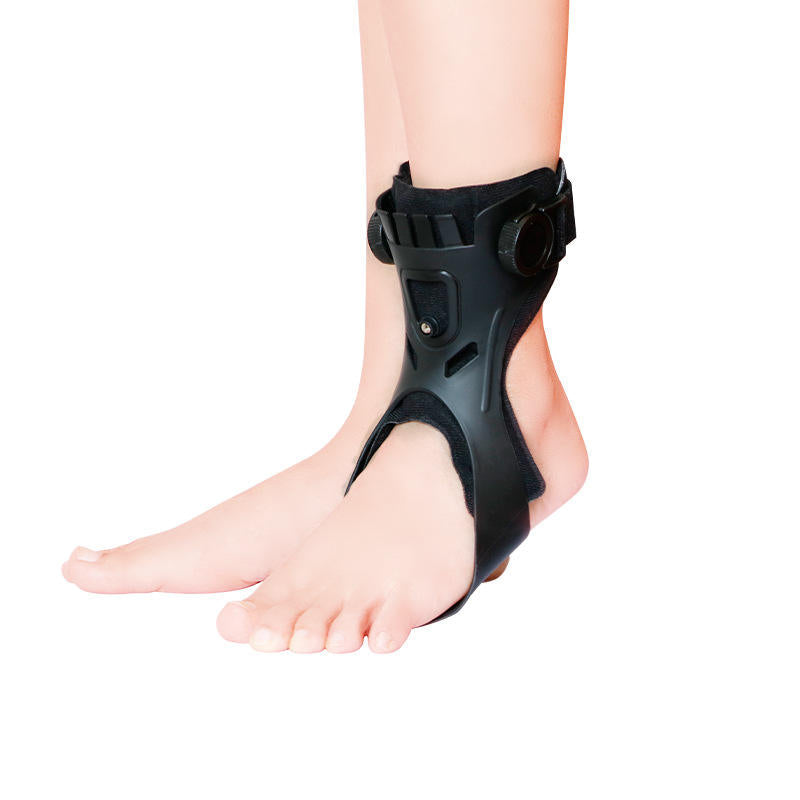
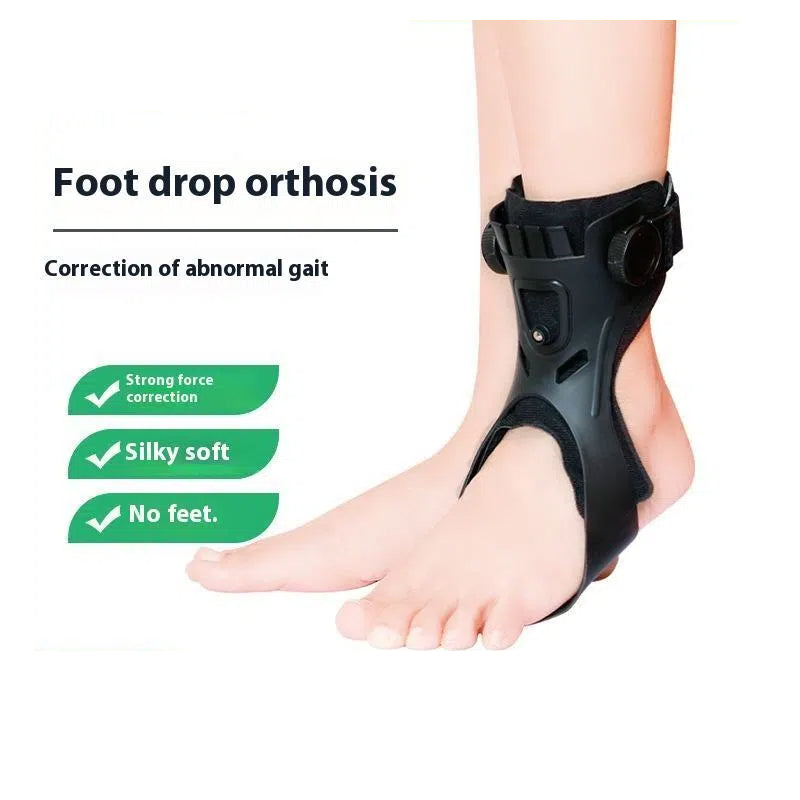
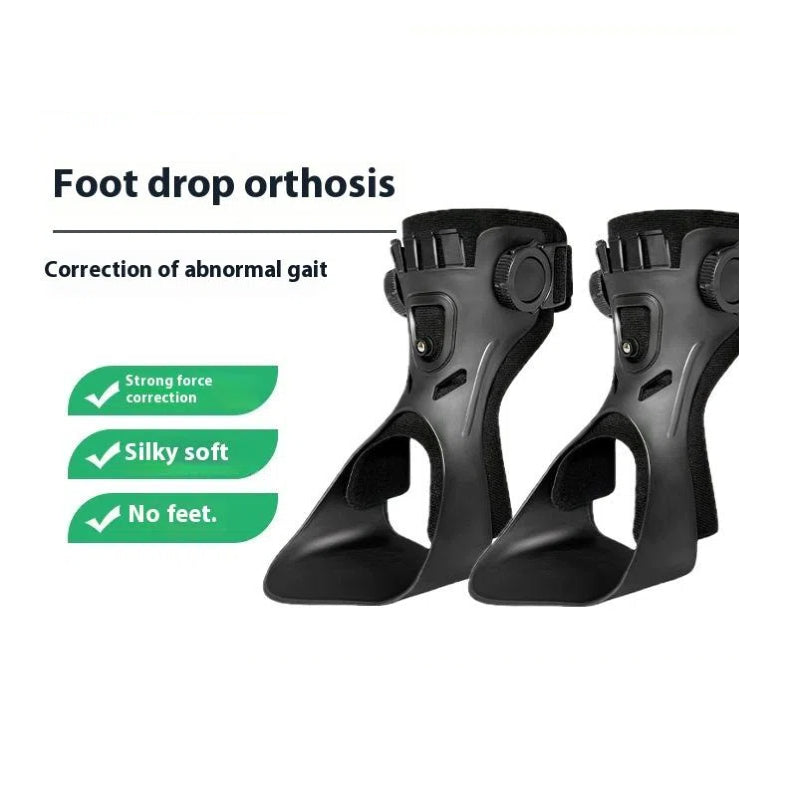
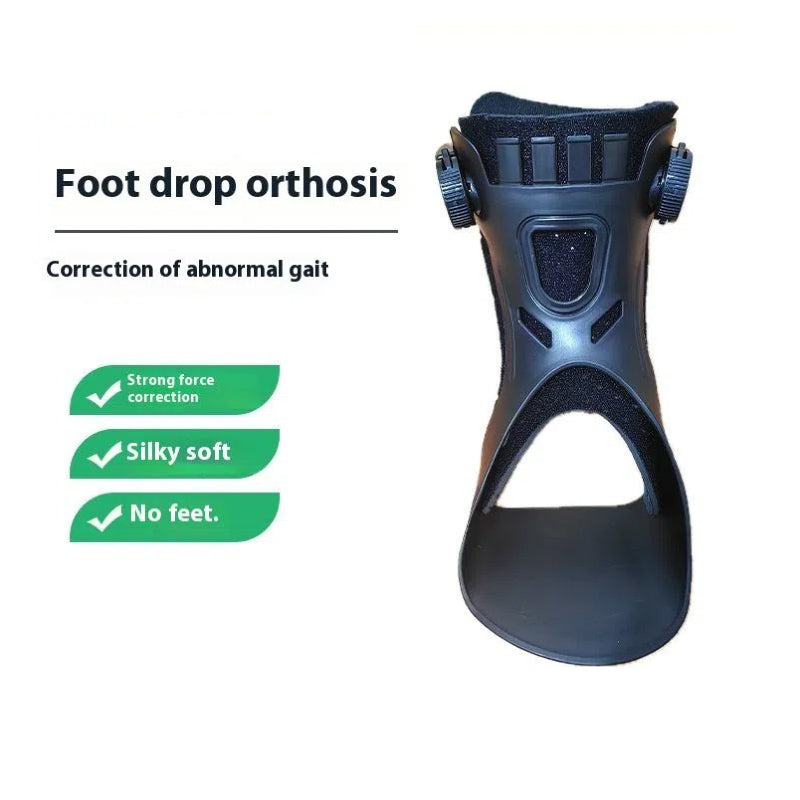
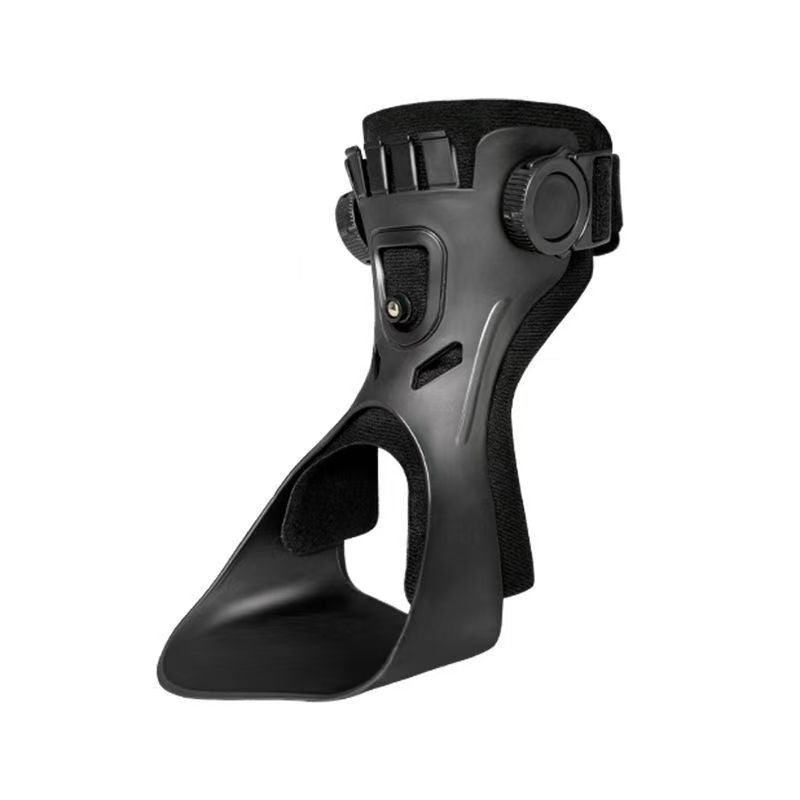
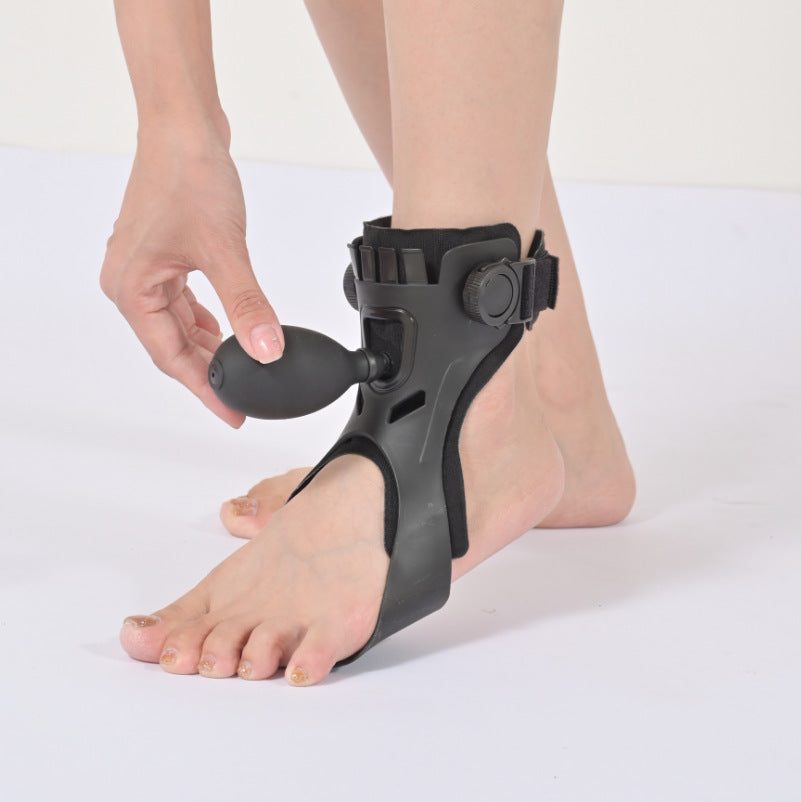
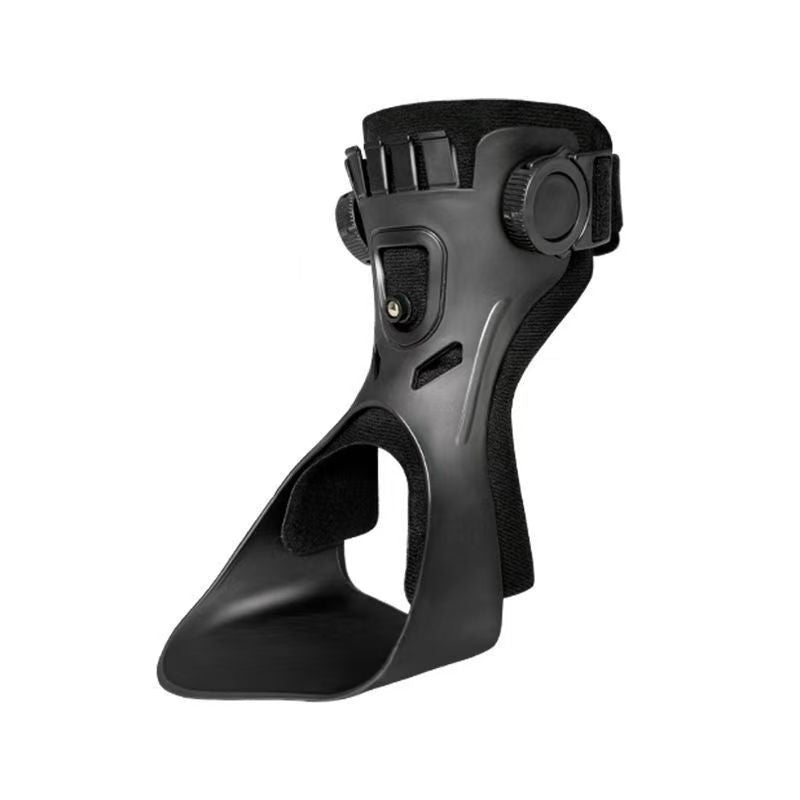
Regain natural foot placement after surgery, stroke, or fracture. This clinical foot drop orthosis applies targeted eversion correction with adjustable straps and silky‑soft padding — enabling…
Read the full descriptionRegain natural foot placement after surgery, stroke, or fracture. This clinical foot drop orthosis applies targeted eversion correction with adjustable straps and silky‑soft padding — enabling…
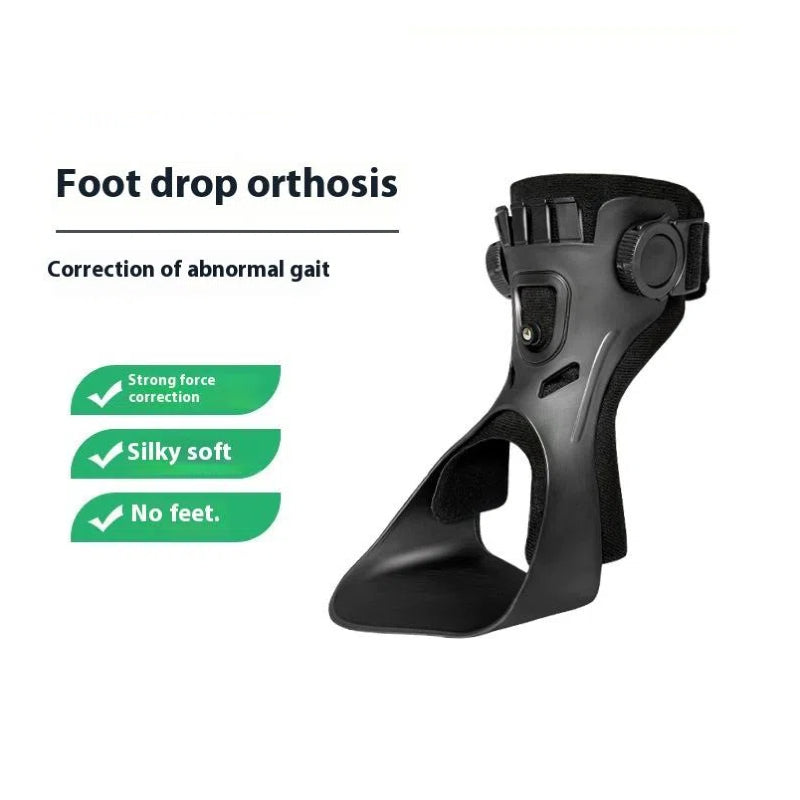
Strong force correction for foot drop with silky soft comfort—no feet irritation
Regain confident, natural walking after surgery, stroke, or fracture. The clinical orthosis that realigns your gait while feeling like a gentle support, not a hard brace.

Two opposing adjustable straps create a dynamic correction loop — pull your foot into neutral alignment with every step, not just hold it in place. The rigid yet lightweight shell transfers force precisely where biomechanics demand it.

Silky silicone contact panels and a plush fabric ankle cuff eliminate the rubbing and pressure points common with hard orthotics. The footbed is textured for grip but gentle enough for sensitive post‑surgery skin.

Wear it barefoot, over a sock, or inside your own shoe — the slim profile fits under most footwear. As strength returns, you can adjust the strap tension to reduce support gradually, turning the orthosis into a training tool, not a permanent crutch.
Open the two lateral straps completely. Slide your foot in from the back, making sure the heel sits snugly against the padded collar.
Tighten the top strap just enough to hold the brace in place without pinching. This anchors the orthosis to your leg.
Pull the lower lateral strap to feel a gentle pull that rotates your foot outward to neutral. Adjust until your arch feels supported but not forced.
Take 10 steps. If you sense your foot still turning inward, increase tension on the lower strap slightly. If any discomfort, back off a notch.
Settling is normal. Once your muscles relax into the new alignment, fine‑tune the straps again for the rest of the day.
After surgery or a neurological event, the foot often fails to lift correctly — dragging toes, slapping the ground, forcing the body into unnatural compensations. Standard ankle braces add bulk without true corrective force, leaving patients stuck between instability and discomfort.
We designed a dual-shell structure with adjustable lateral straps that apply targeted eversion correction while allowing the ankle its natural range. The padded collar and silicone contact points distribute pressure evenly — no rubbing, no hard edges, just precise mechanical redirection.
Within the first week of daily rehabilitation use, patients report steadier foot placement and less fatigue. The open-toe design lets you monitor circulation; the textured foot bed keeps your sole engaged. It’s the difference between bracing for protection and bracing for progress.
| This Orthosis | Standard Brace | |
|---|---|---|
| Active eversion correction | — | |
| Adjustable force angle | ✓ (0°–15°) | — |
| Open‑toe monitoring | Often closed | |
| Silicone pressure relief | Full contact | Partial or none |
| Fits inside regular shoes | Bulky, may not | |
| Rehab training tool | Progressive resistance | Static support only |
Yes. It is sold as a single universal brace that fits either foot by rotating the lateral straps. You can also order a pair for bilateral support.
The silicone contact points are skin‑safe, but we recommend a thin cotton sock for extended wear to manage moisture. The brace is designed to accommodate both.
Standard braces restrict movement. This orthosis applies directional eversion force to actively correct abnormal foot tilt during walking — it treats the gait mechanics, not just the joint.
Its low‑profile shell fits inside most athletic shoes, boots, and even some loafers. For very narrow footwear, we suggest going up half a size.
Wipe the plastic shell with a damp cloth and mild detergent. The fabric ankle cuff can be hand‑washed in cold water and air‑dried. Do not machine‑wash or submerge.
Yes. The adjustable straps use large hook‑and‑loop tabs that are easy to grip, and the open‑toe design eliminates bending to put it on. Many users with limited hand dexterity find it manageable.


 Foot Drop Orthosis — Strong Correction & Soft Comfort