
$43.90
Free delivery · 7–14 days
Wrist Fixation Brace — Stable Support with Breathable Comfort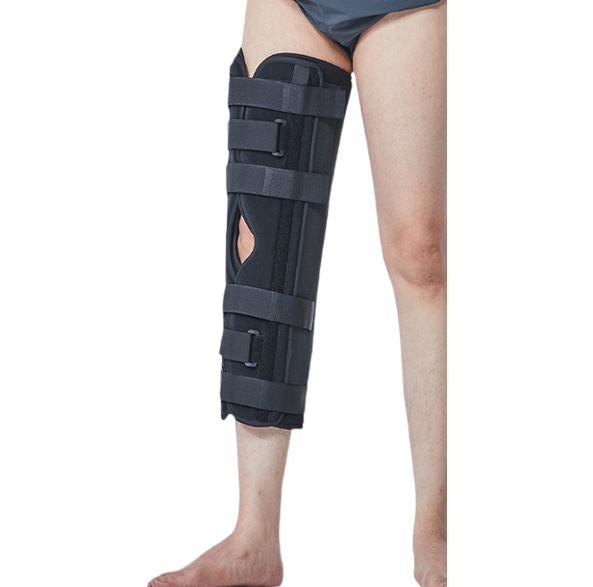

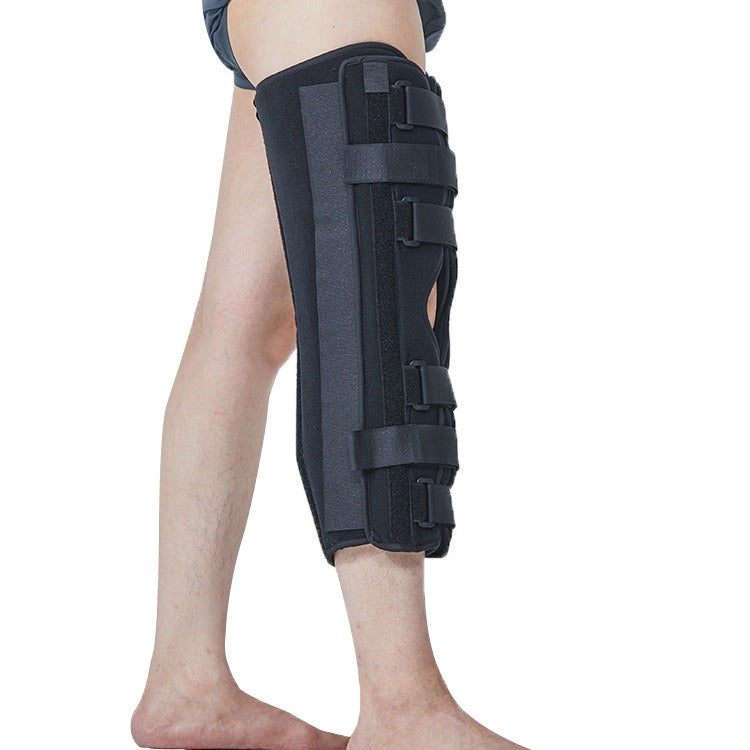
External fixation knee brace engineered for fracture care and ligament injuries. Five adjustable straps, rigid side panels, and an open-patella design deliver the stability orthopedists recommend…
Read the full descriptionExternal fixation knee brace engineered for fracture care and ligament injuries. Five adjustable straps, rigid side panels, and an open-patella design deliver the stability orthopedists recommend…
Medical-grade external fixation immobilization for safe fracture healing and post-injury recovery
From acute fractures to post-operative recovery, this external fixation knee brace delivers the rigid stability your knee needs — so you can focus on healing, not on holding back.
Dual aluminum or heavy-duty plastic stays prevent lateral movement, giving the knee a rigid exoskeleton that no sleeve can match. Each of the five straps adjusts independently for precise compression where you need it most.
The strategic cutout eliminates pressure on the kneecap — essential for post-surgical recovery — while the perforated neoprene wicks moisture and prevents skin maceration during long wear.
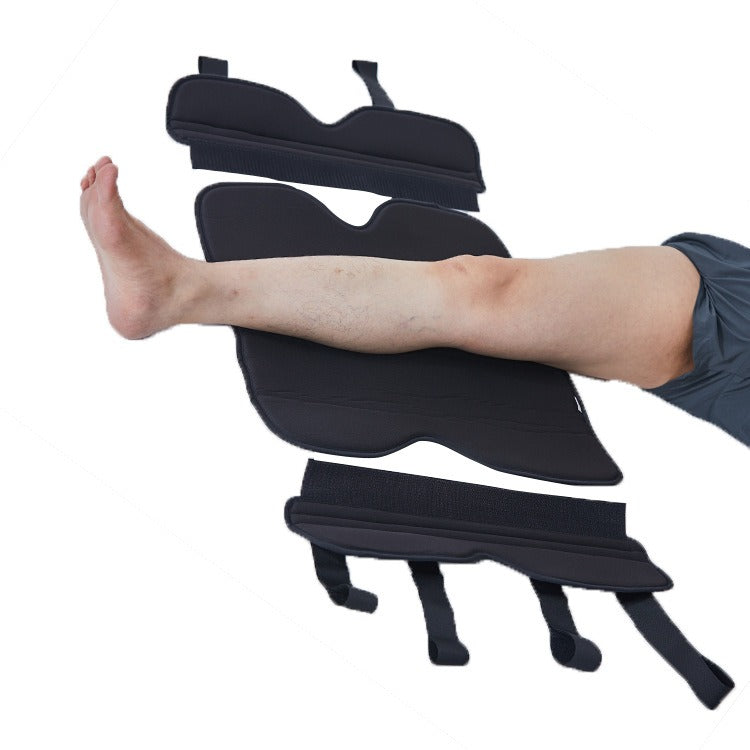
Three distinct compression segments — thigh, knee, and calf — let you tailor tension to reduce swelling in the acute phase, then ease off as rehabilitation progresses. The long length immobilizes both upper and lower segments for true external fixation.
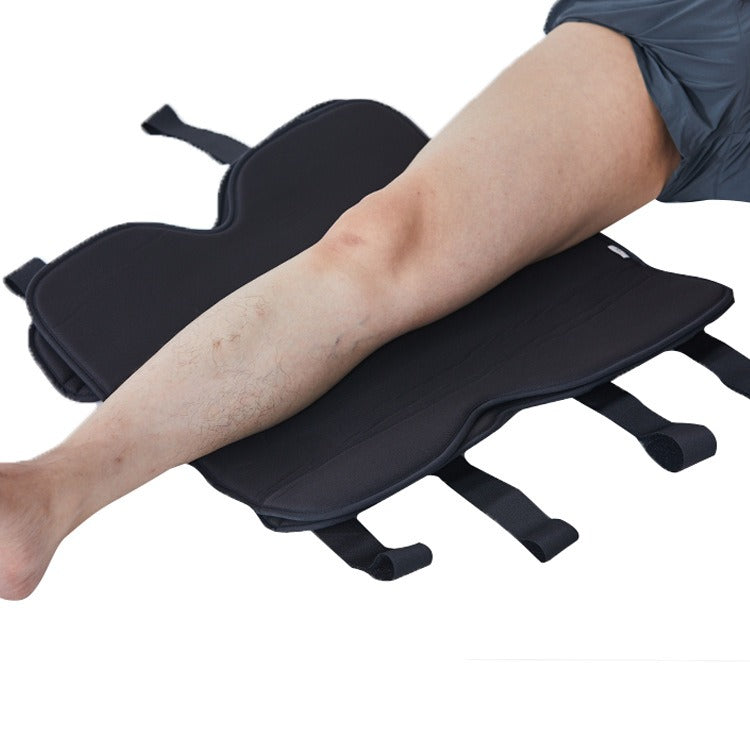
Sit with your leg extended. Slide the brace behind your knee, centering the patella window directly over your kneecap.
Tighten the uppermost strap around your thigh, but not so tight that it restricts circulation. You should be able to slide one finger underneath.
Working downward, secure the mid‑calf strap and then the ankle strap. This sequential order maintains alignment.
Now adjust the two straps directly above and below the knee to control rotation. They should be snug but allow normal foot color.
Stand up and verify that the metal hinges are parallel to your leg’s natural axis. If they feel off‑center, loosen and realign the entire brace.

After a fracture, every step feels uncertain. Standard sleeves offer minor compression but leave the joint unsupported — risking re-injury and delaying healing. The constant ache and fear of a misstep can make even simple movements daunting.

The external fixation design replaces guesswork with certainty. Rigid side panels and multi-point straps work together to maintain perfect alignment — exactly what your orthopedist would prescribe. The open patella window offloads pressure, allowing healing to happen in its own time.
Within weeks, you move from guarded motion to controlled rehabilitation. The brace stays your partner through physio sessions, daily walks, and finally the moment you leave it behind — knowing your knee is truly ready.
Swelling decreases significantly as the brace holds the joint still. Pain levels drop due to reduced movement. You’ll likely wear it 24/7 except for hygiene.
With your doctor’s OK, you might unlock the hinges for limited, assisted range‑of‑motion exercises. The brace still prevents any harmful lateral motion.
You transition to partial weight‑bearing. The brace remains on during walks; the rigid frame gives you confidence to put more weight through your leg.
Many patients are cleared to remove the brace for daily activities. You may still wear it at night or during physio for peace of mind until full strength returns.
Use cool water and mild soap. Gently scrub the neoprene and straps.
Lay flat to air dry. Heat can warp the hinges and degrade the foam.
Clean metal parts with a dry cloth to prevent rust. Apply a drop of light oil if they squeak.
A thin cotton tube sock under the brace reduces chafing and absorbs sweat.
| S | M | L | XL | |
|---|---|---|---|---|
| Thigh circumference (15 cm above patella) | 37-42 cm | 42-47 cm | 47-52 cm | 52-57 cm |
| Calf circumference (widest point) | 28-33 cm | 33-38 cm | 38-43 cm | 43-48 cm |
If your thigh and calf measurements fall into different sizes, choose the larger size. The brace can be adjusted tighter via straps.
| Our Brace | Neoprene Sleeve | Hinged ROM | |
|---|---|---|---|
| Rigid side panels | — | ||
| Full‑leg immobilization | — | Partial | |
| Open patella | — | — | |
| Multi‑point adjustable straps | 5 straps | None | 2‑3 straps |
| Post‑operative use | Yes | No | Yes |
| Breathable neoprene |
It is designed for both. The rigid side panels and full‑leg immobilization make it ideal for post‑operative recovery after ACL/MCL repairs, meniscus surgeries, and fracture management. Always follow your surgeon’s instructions.
Measure around your thigh 15 cm above the patella and around your calf at its widest point. Our size chart covers Small to XL; the brace is adjustable within each size range. If you’re between sizes, go larger.
Yes — it fits under loose trousers or sweatpants. The low‑profile hinges and slim neoprene keep it unobtrusive under most clothing, though tight jeans may be uncomfortable.
You can wear it for up to 12–14 hours continuously. We recommend removing it for at least 1–2 hours daily to let your skin breathe and to perform gentle range‑of‑motion exercises if cleared by your doctor.
Yes. The neoprene lining and straps can be hand‑washed with mild soap and cool water. Do not machine wash or submerge the metal hinges. Air dry completely before re‑wearing.
When properly adjusted, no. You should be able to fit one finger between the strap and your skin. If you feel tingling, numbness, or discoloration, loosen the straps immediately and re‑adjust. The brace is not intended for constant high‑compression without release.


 External Fixation Knee Brace — Medical-Grade Fracture