$44.90
Free delivery · 7–14 days
Daily Cooling Spray for Muscle Care




This Joint & Back Pain Relief category includes portable tension-relief equipment and topical products designed for temporary comfort around joints, muscles, and the back. Compare the format, intended area, ingredients, and application style before buying, and note that several listed products are household or automotive cleaners rather than personal-care items.
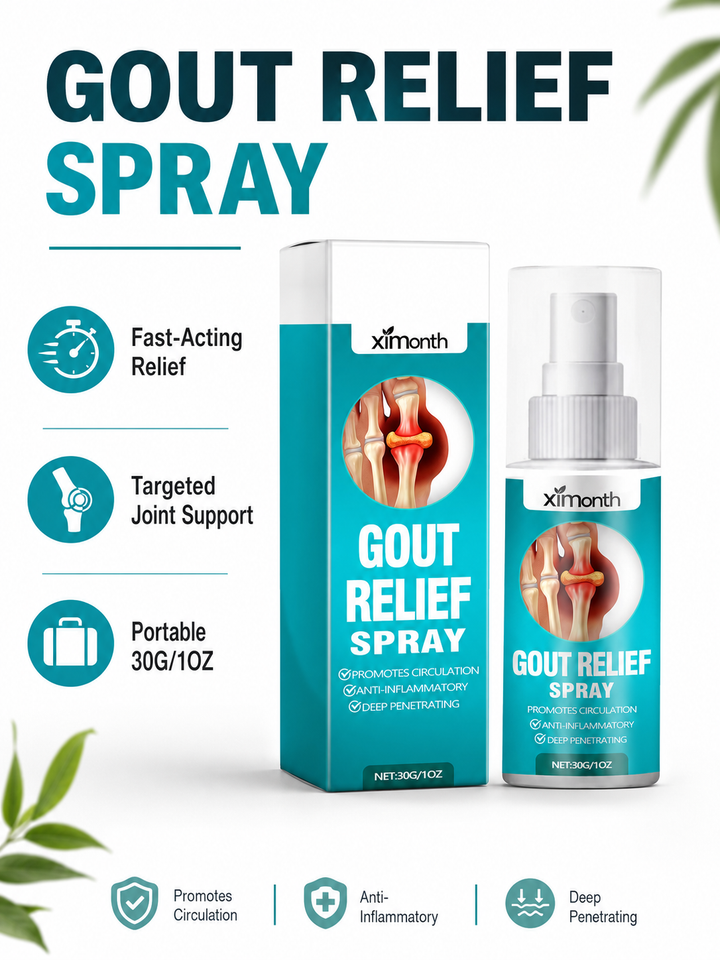
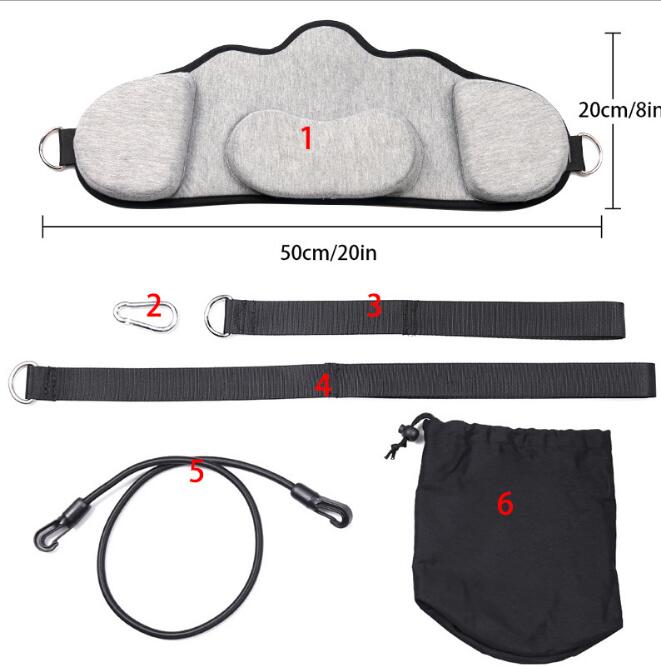
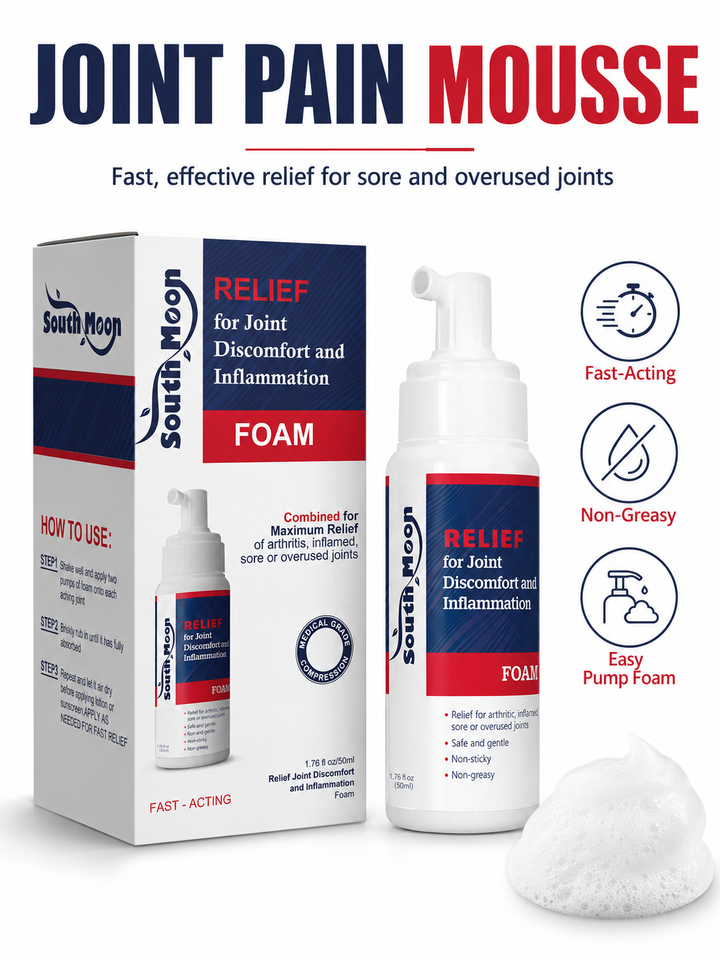
Start by identifying where you want support or comfort. The Neck Hammock Memory Foam is designed for portable neck and upper-back tension relief, while topical options such as Gout Relief Spray and Joint Pain Relief Foam are applied to the skin around selected areas. Choose a spray if quick, targeted application matters, or a foam if you prefer a non-greasy product that can be spread over a broader area. Read the label for intended use, application instructions, and skin warnings. Do not assume a product for muscle comfort is suitable for every type of joint or back discomfort. If pain follows an injury, keeps returning, or comes with concerning symptoms, seek advice from a qualified healthcare professional.
A stretching or positioning aid works differently from a topical product. The Neck Hammock Memory Foam is a portable tool for lying down and allowing the neck to rest in its designed position, making it useful for travel or quiet recovery routines. Gout Relief Spray is a targeted spray format for areas where joint or muscle comfort is wanted, while Joint Pain Relief Foam offers a spreadable, fast-acting, non-greasy application. These products are not interchangeable: a hammock is not a topical treatment, and a spray or foam should not be used as a substitute for professional assessment. The remaining items in the listing—drain powder, kitchen cleaner, wood polish, automotive spray, and wheel rust remover—are not intended for personal use.
Check four practical details before ordering. First, confirm the product is labeled for personal use and for the body area you have in mind. Second, consider portability: the Neck Hammock Memory Foam is suited to travel, while sprays and foam are easier to store and apply without carrying equipment. Third, review the texture and finish; Joint Pain Relief Foam is described as non-greasy, whereas a spray may feel lighter during application. Finally, read the full directions, ingredient list, storage guidance, and skin precautions. Avoid products with unclear intended use. In this category, product names can sit beside unrelated cleaning and automotive supplies, so verify the listing carefully before adding an item to your basket.
Use each item only as its label directs. For a topical spray or foam, apply to clean, intact skin if permitted, avoid eyes and sensitive areas, and wash your hands after use unless the instructions say otherwise. Do not cover the area tightly or combine products unless the label specifically allows it. For the Neck Hammock Memory Foam, place it on a stable surface and follow the positioning guidance; stop if the setup causes sharp, worsening, or unusual discomfort. Keep all personal-care products away from children and do not ingest them. The household and automotive products shown in the wider listing must never be applied to skin, joints, muscles, or the back.
A common mistake is treating every back symptom as the same problem. Back discomfort may involve muscles, joints, the sacroiliac area, or other structures, and a product description alone cannot identify the cause. Another mistake is choosing by the word “fast” without checking the intended body area, ingredients, or directions. Do not apply a topical product to broken or irritated skin, use more than instructed, or operate a neck-support tool in an unstable position. Also check the product image and category description: drain unclogger, kitchen cleaning powder, wood polish, automotive plastic spray, and wheel rust remover are non-body products. If symptoms are severe, persistent, or associated with weakness, numbness, fever, or an injury, seek medical guidance.
These products may suit adults looking for a portable neck-positioning aid or a topical comfort product for an identified area, provided the label is appropriate for them. The Neck Hammock Memory Foam may appeal to travelers or people who prefer a reusable, equipment-based option. Sprays can suit shoppers who want targeted application, while foam can suit those who prefer a spreadable, non-greasy texture. Suitability depends on the instructions, ingredients, allergies, skin condition, age guidance, and any health advice already received. People who are pregnant, taking medicines, managing a diagnosed condition, or buying for a child should check with a healthcare professional before using a topical product. Never select the household or automotive items for body care.
The right approach depends on whether the discomfort involves a muscle, spinal joint, sacroiliac area, or another structure. A topical spray or foam may provide temporary comfort when used exactly as labeled, while a neck-support tool may suit upper-back or neck tension. Persistent, severe, or unexplained pain should be assessed by a qualified healthcare professional rather than self-treated indefinitely.
It is difficult to identify the source reliably from symptoms alone because joint and muscle discomfort can overlap. Location, movement, recent activity, stiffness, and tenderness may offer clues, but they do not confirm a cause. A healthcare professional can assess the pattern and advise on suitable care.
Sacroiliac-area discomfort is often felt near one or both sides of the lower back where the pelvis meets the spine, and it may be noticed in the buttock or nearby area. Similar sensations can come from other parts of the lower back or hip, so the feeling alone cannot establish the source. Seek professional advice if it is severe, persistent, or accompanied by other concerning symptoms.
The spine contains facet joints between neighboring vertebrae, which help guide movement. The spine also connects with the pelvis at the sacroiliac joints. These are different from the discs, muscles, ligaments, and nerves that also contribute to back movement and comfort.
Facet joints are synovial joints located at the back of the spinal column between vertebrae. The sacroiliac joints connect the lower spine with the pelvis and have limited movement. A product category cannot determine which structure is involved in a particular person’s discomfort.
Possible patterns can include localized back or neck discomfort, stiffness, and symptoms that vary with certain movements or positions. These signs are not unique to facet joints and may occur with muscle, disc, or other conditions. For a reliable assessment, especially when symptoms persist or worsen, consult a qualified healthcare professional.