Joint Care Cream with Glucosamine & Collagen for Joint Pain
8 items
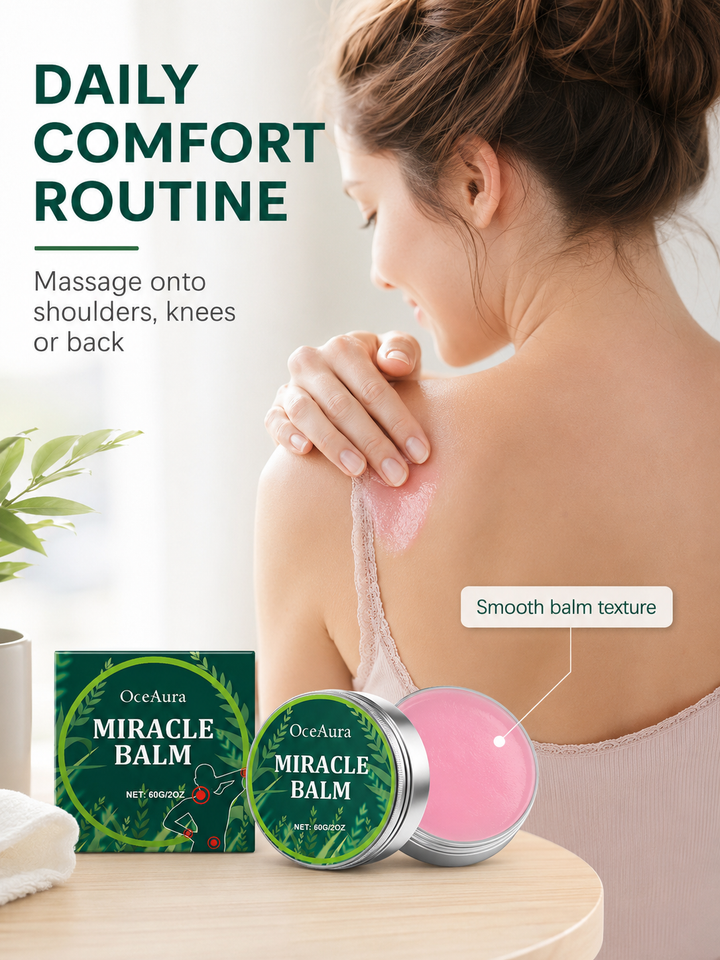
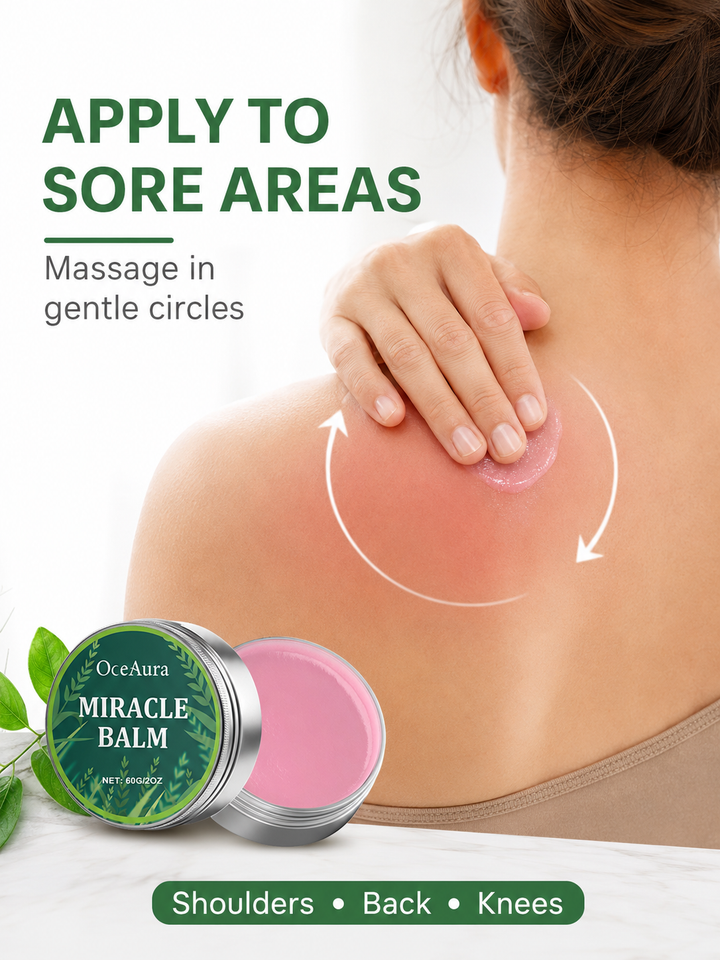
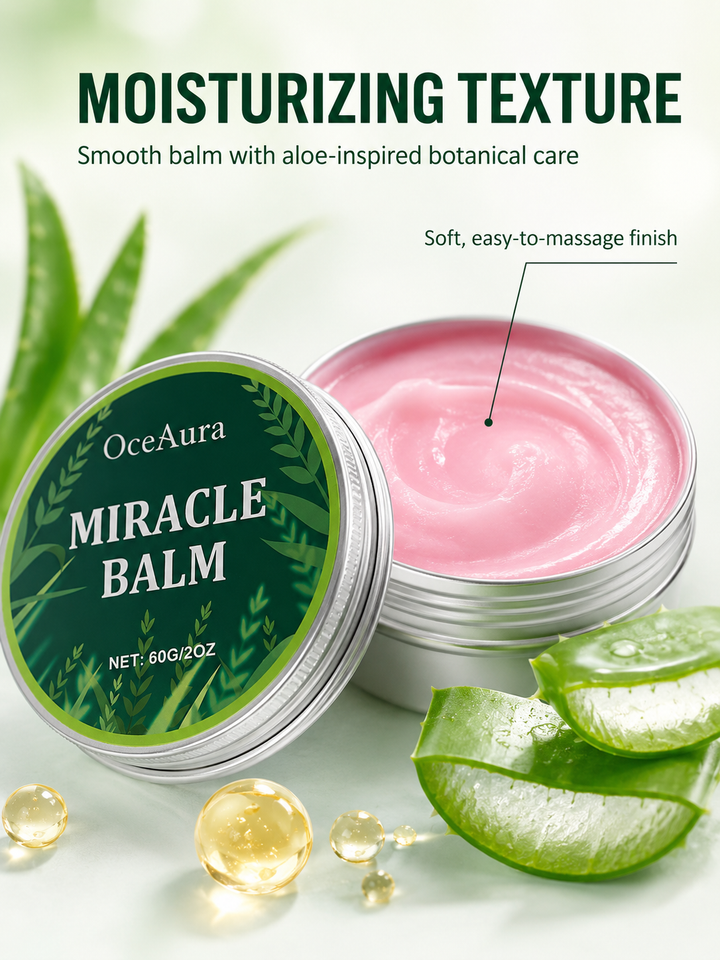

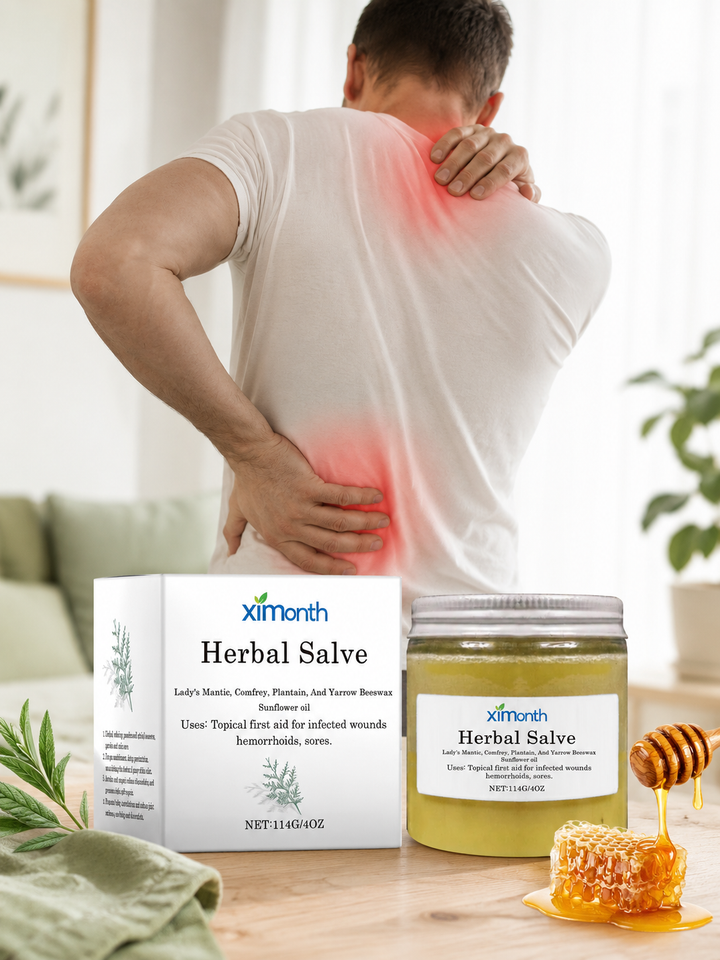
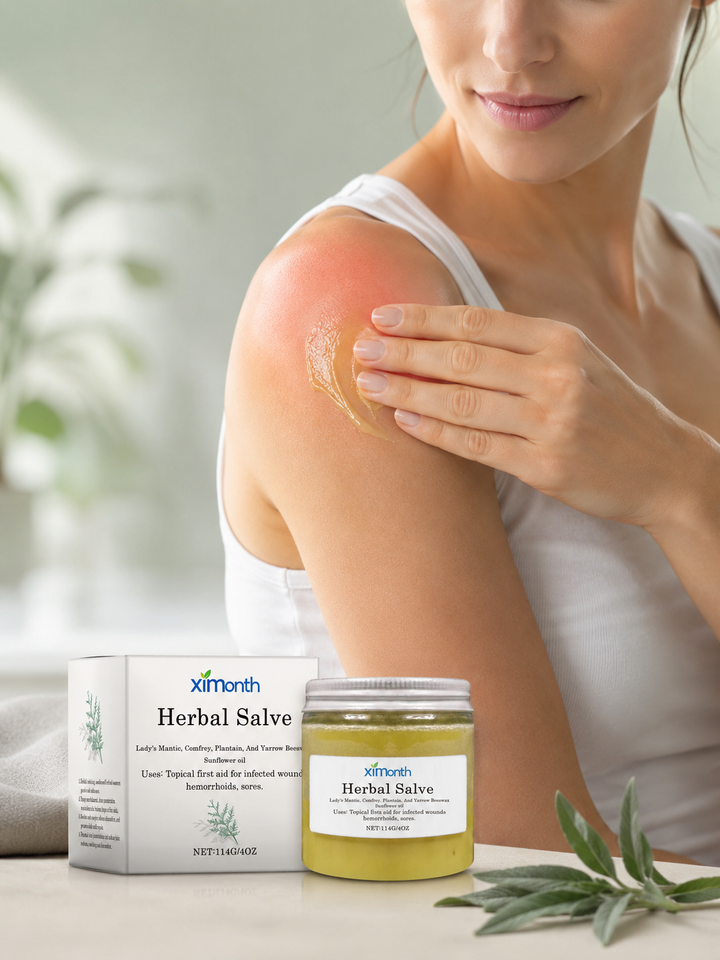
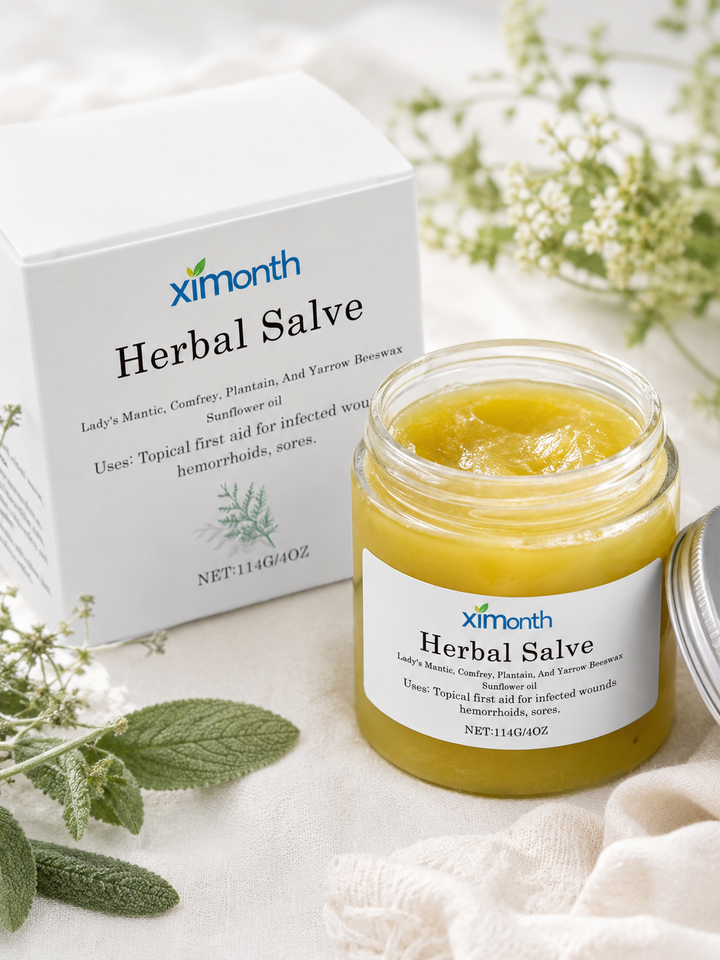

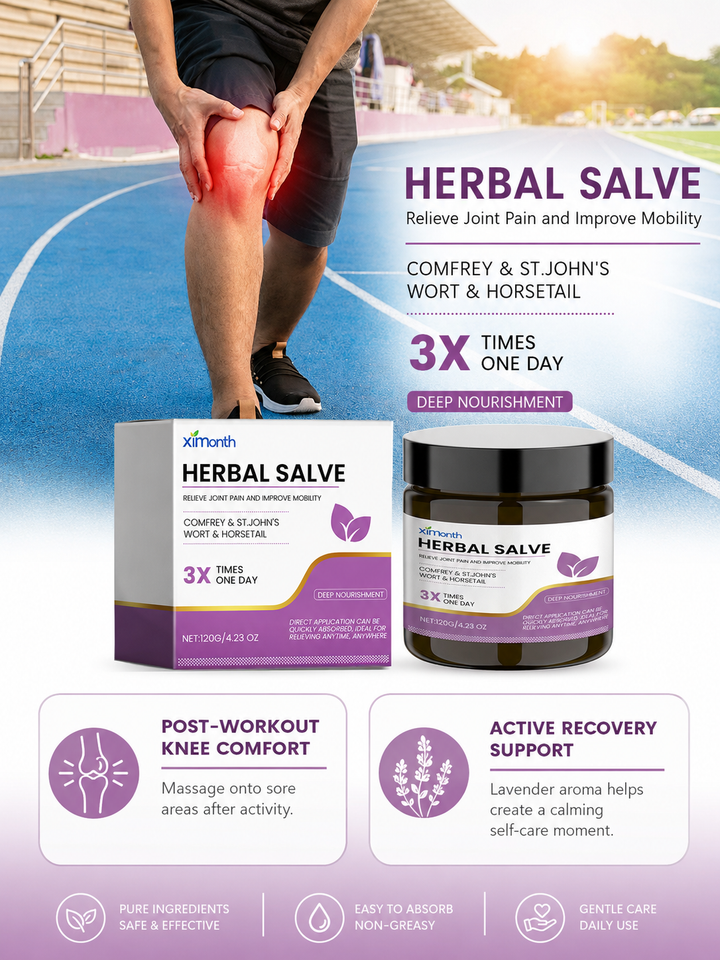
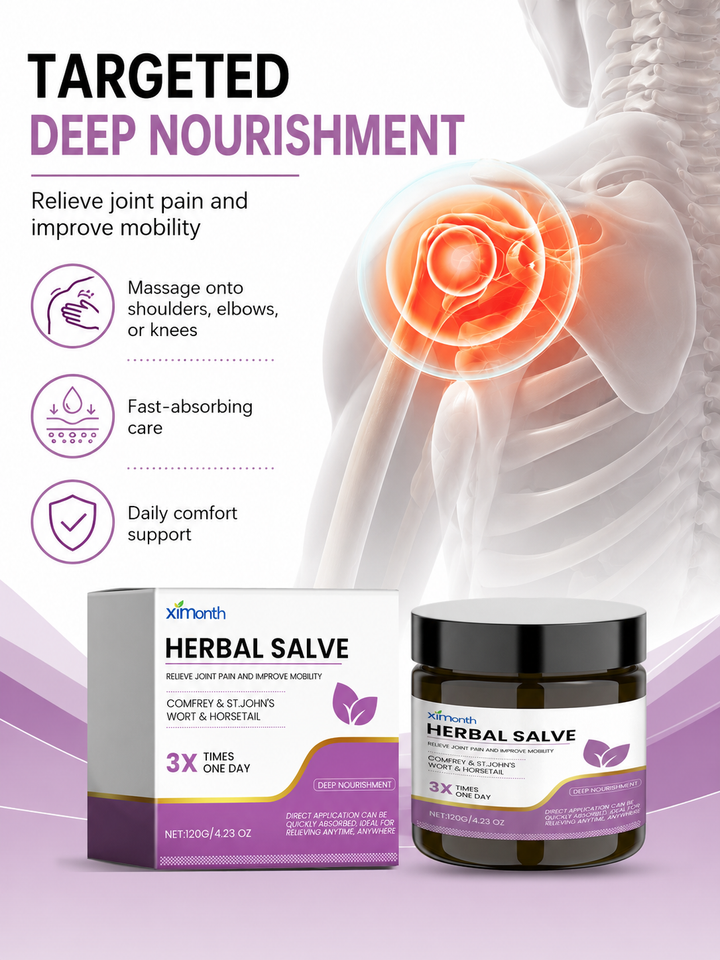
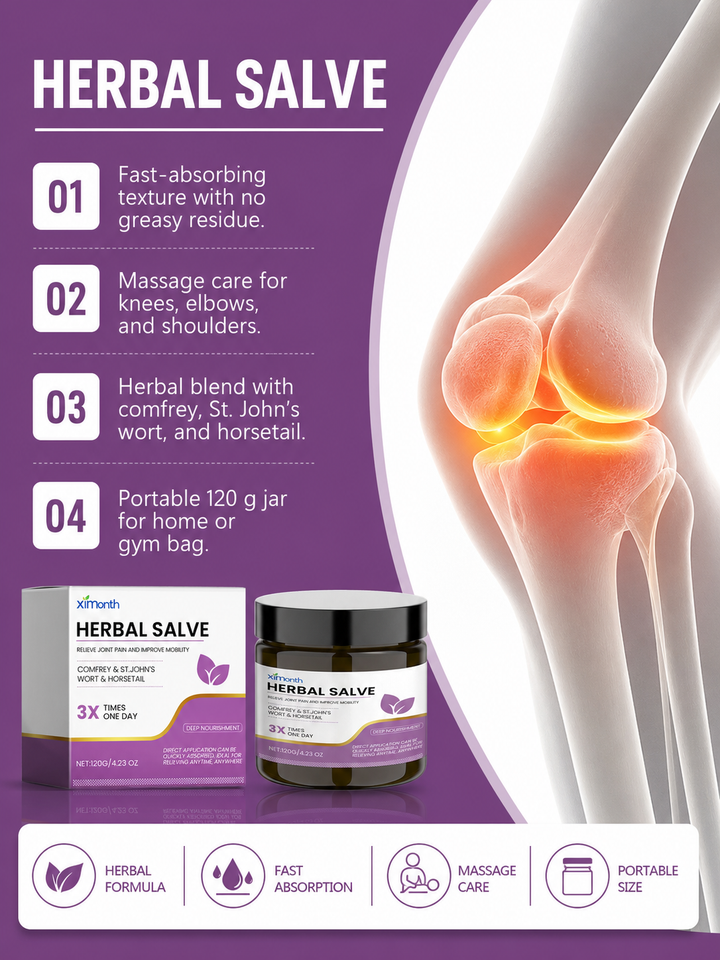



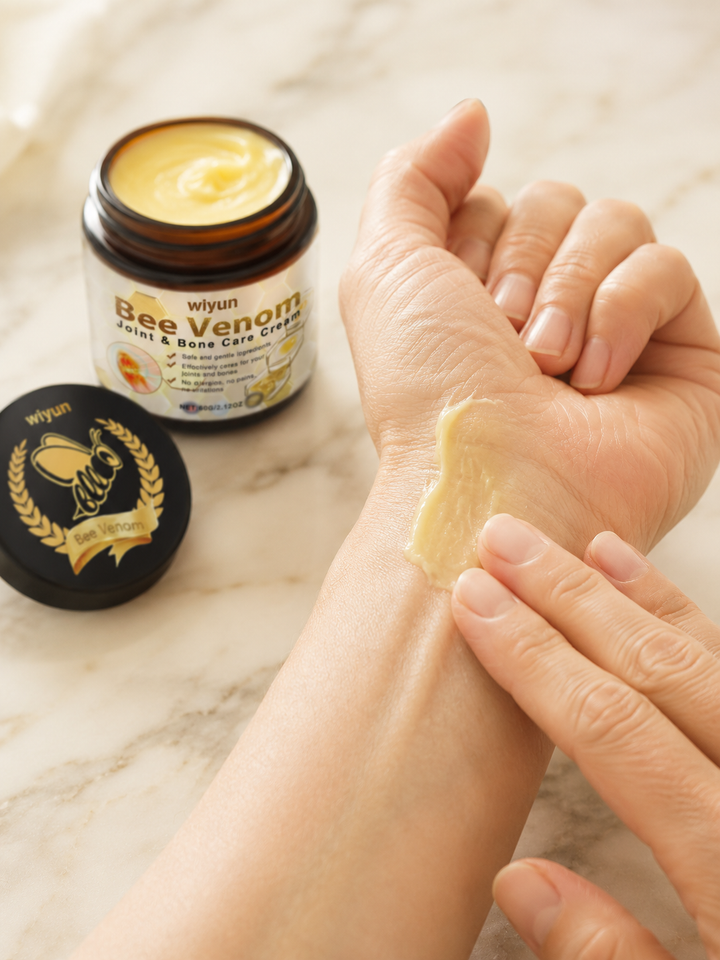
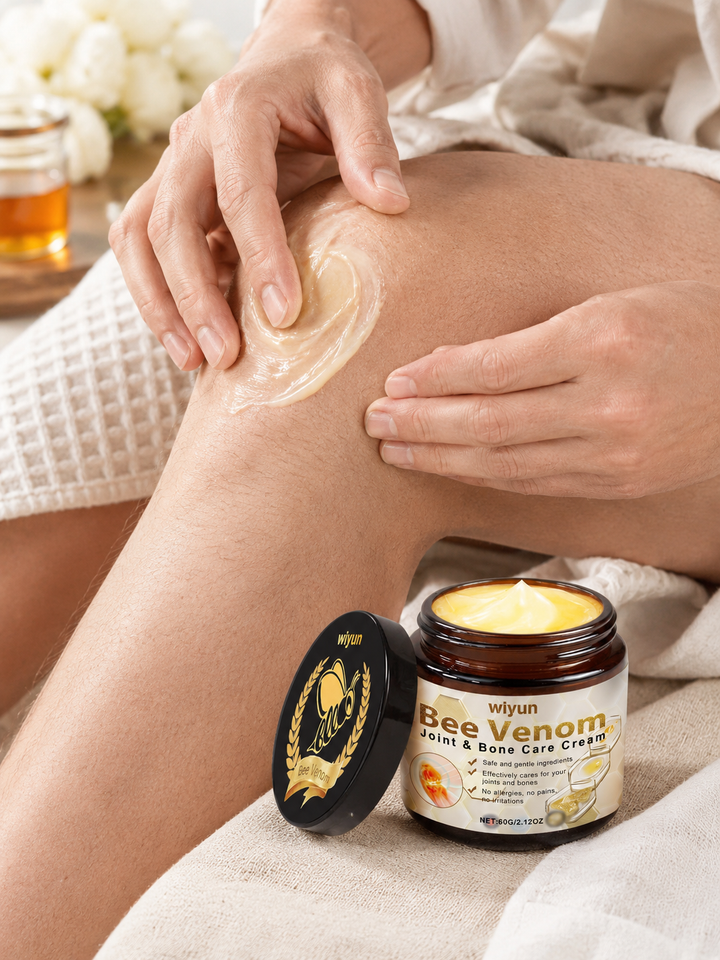
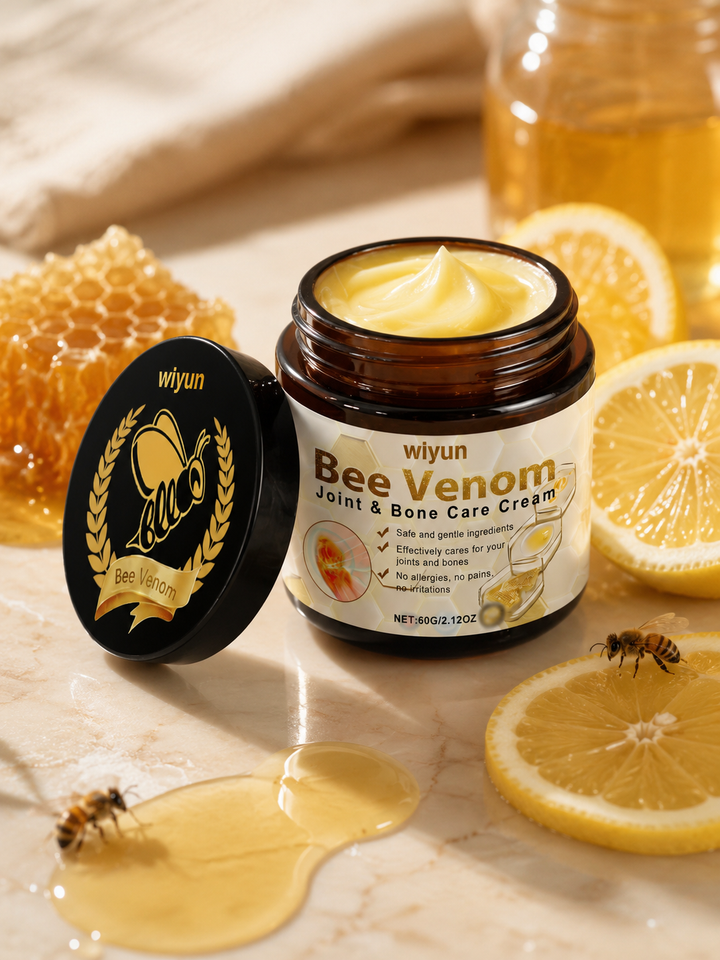

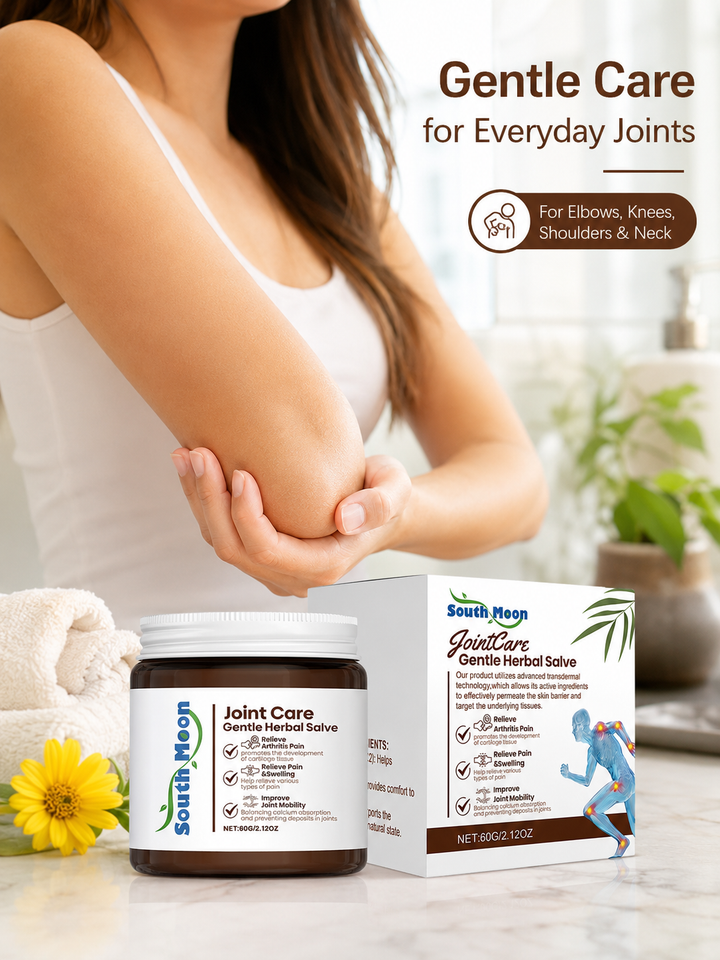
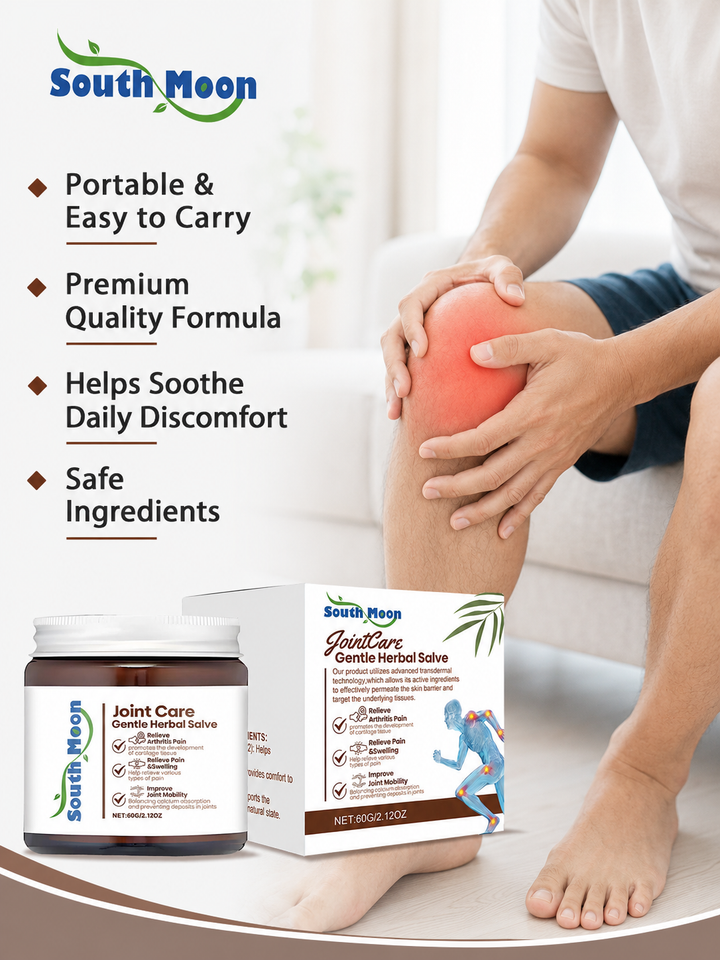
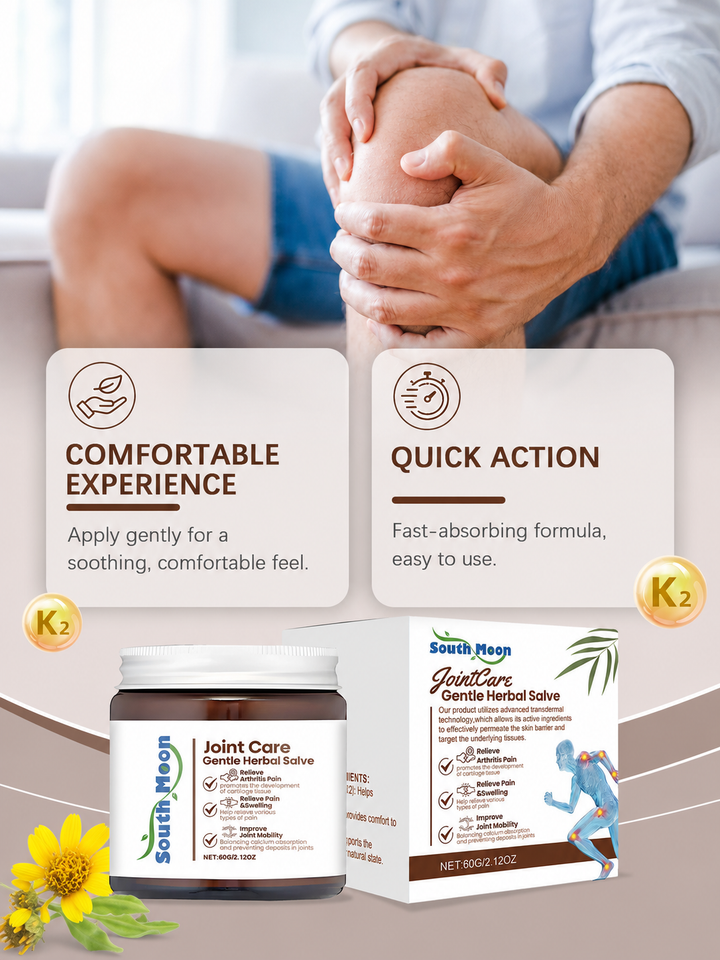

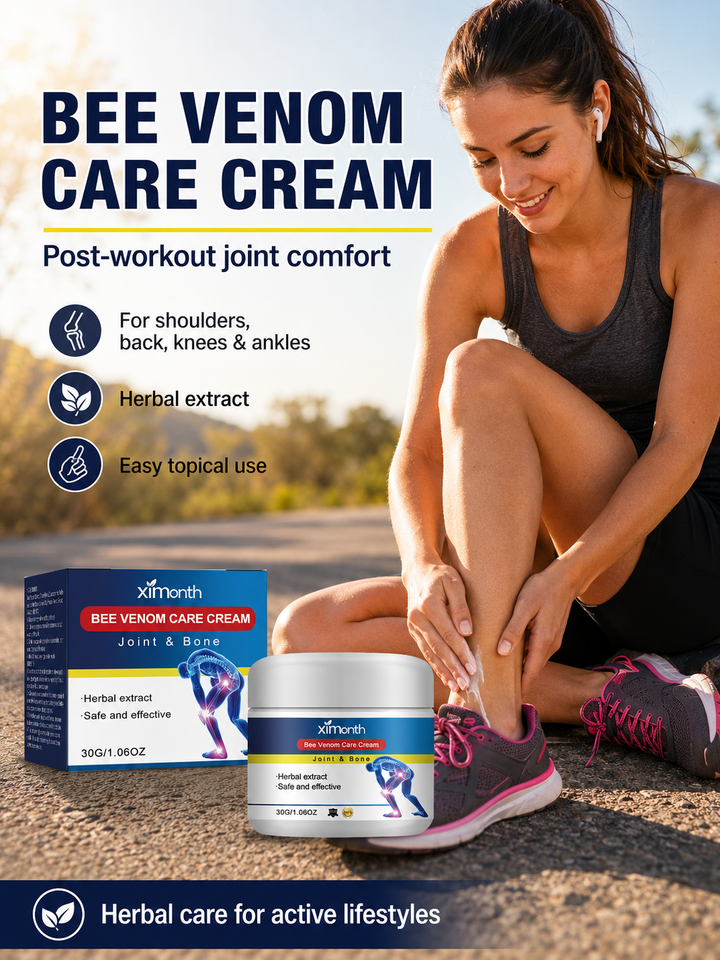


A joint care cream can be a convenient addition to a personal comfort routine for knees, hands, shoulders, and other areas that feel stiff or sore. This category includes herbal creams, salves, glucosamine and collagen formulas, and bee venom products, so compare the ingredient profile, texture, directions, and skin-care benefits before choosing.
How to choose a joint care cream for everyday comfort
Start by identifying what matters most to you: a lightweight cream for daytime use, a richer salve for massage, or a formula that also moisturizes dry skin. For a joint care cream with glucosamine and collagen, check the full ingredient list and product directions rather than relying on the title alone. Herbal formulas may suit shoppers who prefer botanical ingredients, while bee venom creams are intended for people specifically seeking that ingredient and should be approached carefully. Consider where you will apply it, how often you want to use it, and whether you prefer a quick-absorbing or more emollient texture. If you have sensitive skin, choose a small-area test first and avoid products containing ingredients you already know irritate you.
What types of joint care cream are available?
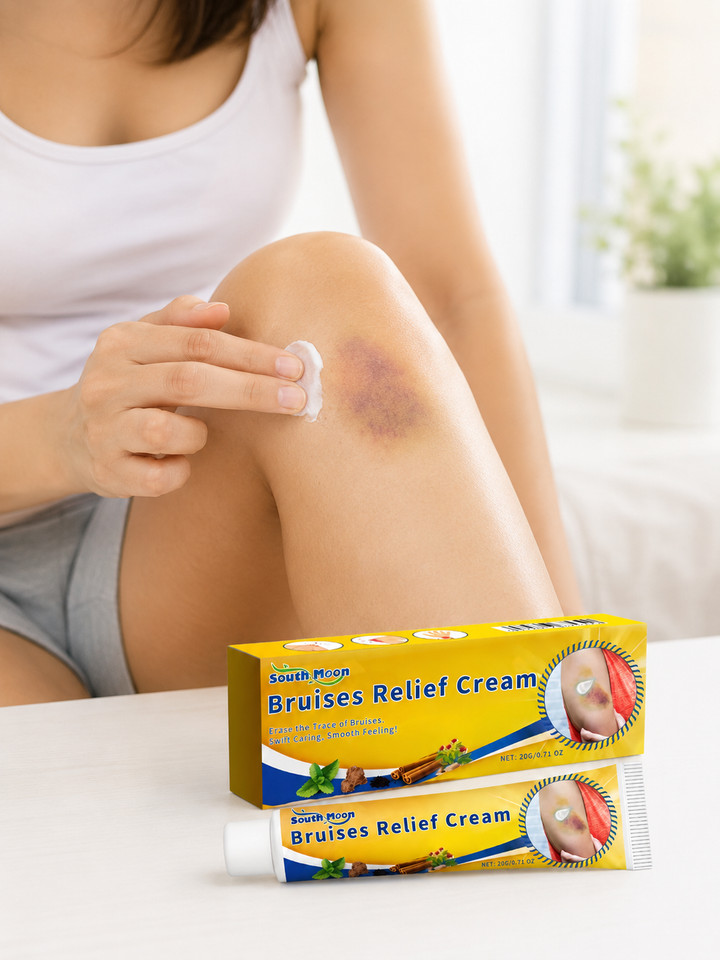
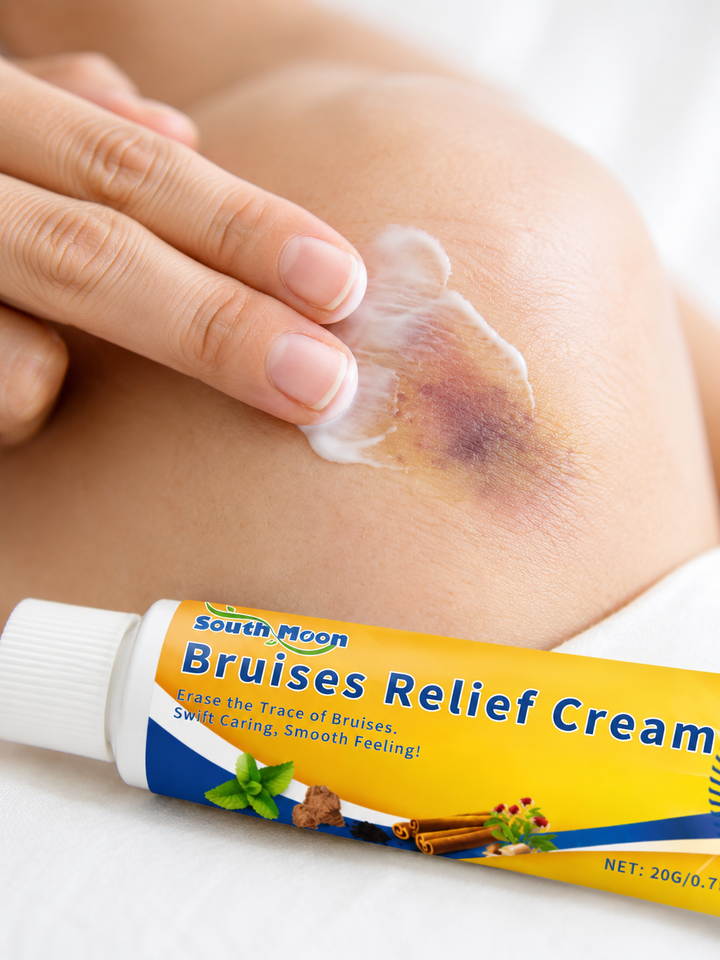
The main options in this category are herbal creams, herbal salves, glucosamine and collagen creams, and bee venom creams. Herbal creams are generally positioned as easy-to-apply topical products for areas such as knees, hands, and elbows. A salve usually has a thicker, more protective feel and may be preferred for massage or evening use. Glucosamine and collagen formulas appeal to shoppers who want those named ingredients alongside moisturizing care, although a topical product should not be treated as a substitute for medical treatment. Bee venom formulas offer a distinct ingredient profile and require extra attention to the label, allergy warnings, and patch testing. A bruises relief cream is a different product type and should not be confused with a joint care cream.
What should you look for in a cream for joint pain?
Look for clear directions, a complete ingredient list, stated net weight or volume, storage guidance, and warnings about external use. Texture is important: creams are usually easier to spread over larger areas, while salves can feel denser and more moisturizing. If you are comparing products for knee comfort, check whether the container is easy to open and whether the application instructions fit your routine. Fragrance, botanical extracts, warming or cooling sensations, and bee venom can all affect personal preference and skin tolerance. Claims such as “natural,” “herbal,” or “long-lasting” describe positioning, not a guaranteed outcome. For persistent, severe, swollen, hot, or unexplained joint symptoms, ask a qualified healthcare professional instead of relying only on a topical product.
How to use a joint care cream safely and consistently
Read the product label before the first application and use only the amount and frequency recommended there. Apply to clean, dry skin, then massage gently if the directions allow; avoid eyes, lips, broken skin, and other sensitive areas. Wash your hands after applying unless the hands are the intended treatment area. Test a small amount on a limited area first, especially when using a botanical formula, bee venom cream, or a product with fragrance. Stop using it if you notice significant irritation and follow the label’s advice. Do not cover the area with a tight bandage or combine multiple topical products unless instructed. Keep the container closed and stored as directed, and do not share it with other people.
What mistakes should you avoid when buying joint cream?
Do not choose solely because a product uses words such as “best,” “natural,” or “pain relief.” Compare the actual ingredients, directions, size, texture, and intended use. Another common mistake is confusing a topical comfort product with a medicine or assuming that glucosamine, collagen, herbs, or bee venom will work the same way for everyone. Avoid applying a new formula over irritated skin, using more than directed, or layering several products to intensify a warming or cooling sensation. Check allergy information carefully, particularly for bee venom and plant extracts. Finally, do not use a bruises cream as a replacement for joint care cream, and seek professional advice when symptoms are persistent, worsening, or accompanied by concerning changes.
Who is a joint care cream suitable for?
Joint care creams may suit adults who want a topical product for occasional massage, everyday moisturizing, or a personal comfort routine around areas such as the knees, hands, and shoulders. They can be useful for shoppers who prefer external application over a supplement format and for those comparing cream and salve textures. Age alone does not determine the right product, so shoppers over 70 should review the label, consider skin sensitivity, and ask a healthcare professional or pharmacist if they take medicines or have ongoing joint concerns. These products are not automatically suitable for children, damaged skin, known ingredient allergies, or unexplained symptoms. Choose the formula that matches your skin, preferences, and intended routine rather than expecting one cream to be the best for everyone.
Frequently asked questions
What is the best cream for joint pain?
There is no single best cream for everyone. Compare the ingredient profile, skin feel, directions, and warnings, then choose between an herbal cream, glucosamine and collagen formula, salve, or bee venom product according to your preferences and skin tolerance. For ongoing or severe symptoms, consult a healthcare professional.
What is the best ointment for joint pain?
A thicker herbal salve may appeal to shoppers who prefer a richer texture for gentle massage and moisturizing care. Check the label for ingredients, intended use, and application instructions, and patch test before wider use. A salve is a topical comfort product and should not replace professional evaluation of persistent symptoms.
What is the best cream for knee pain in people over 70?
The most suitable option depends on skin condition, allergies, medicines, and the cause of the knee discomfort rather than age alone. Older adults should review the label carefully and consider asking a pharmacist or healthcare professional before use, especially if the skin is fragile or symptoms are ongoing. Apply only as directed and avoid irritated or broken skin.
What is the most effective topical cream for arthritis pain?
Effectiveness can vary by person and product, and a category label cannot guarantee results. Compare the formula and directions of herbal creams, salves, glucosamine and collagen creams, and bee venom creams, while following the label. If arthritis symptoms interfere with daily activities or worsen, seek advice from a qualified healthcare professional.
What's the worst enemy of arthritis?
There is no single “worst enemy” that applies to every person or type of arthritis. Factors such as inactivity, overuse, excess strain, poor sleep, or delayed professional care may affect comfort differently, so personal guidance is important. A joint care cream can be part of a topical routine but does not address every underlying cause.
What do the Amish use for joint pain?
There is no reliable basis for assigning one joint remedy to an entire community, and traditional use does not prove that a product is suitable or effective for everyone. Some shoppers look for herbal salves or other botanical formulas, but they should still read the ingredients, follow directions, and patch test. For persistent symptoms, professional medical advice is more dependable than an unverified tradition.