Massage Combs: Wood Combs for Scalp & Hair Styling28 items

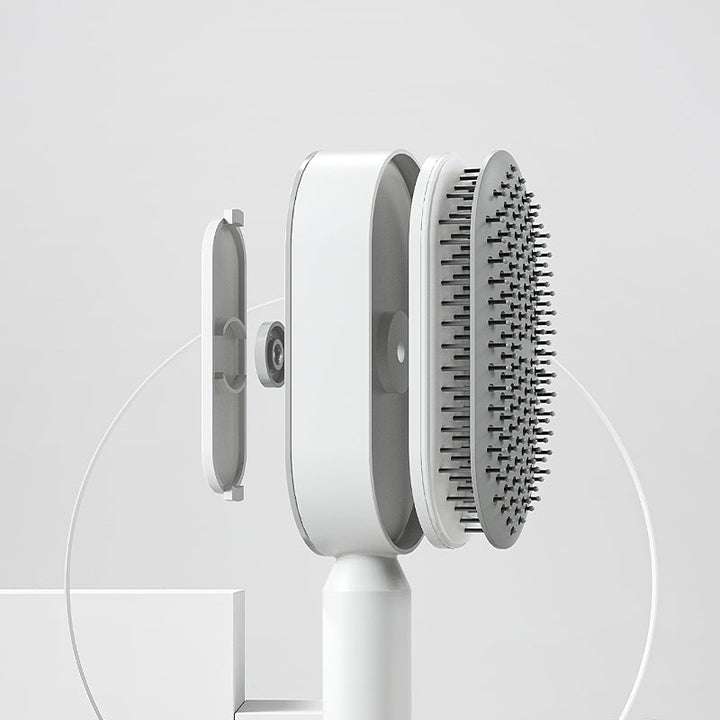

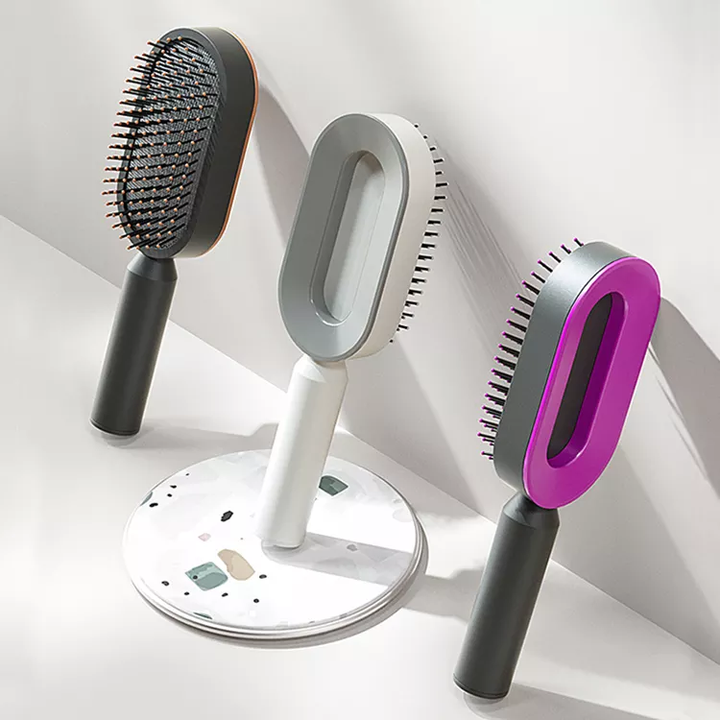


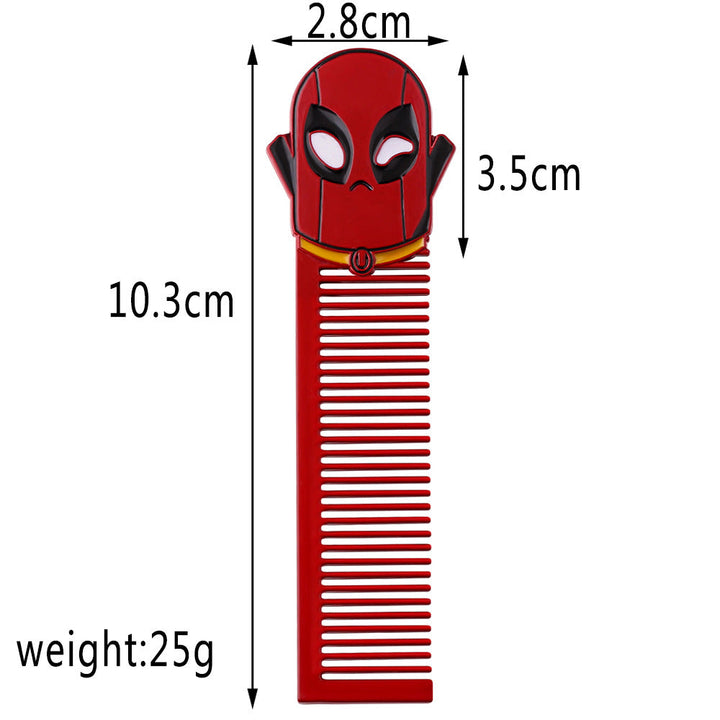

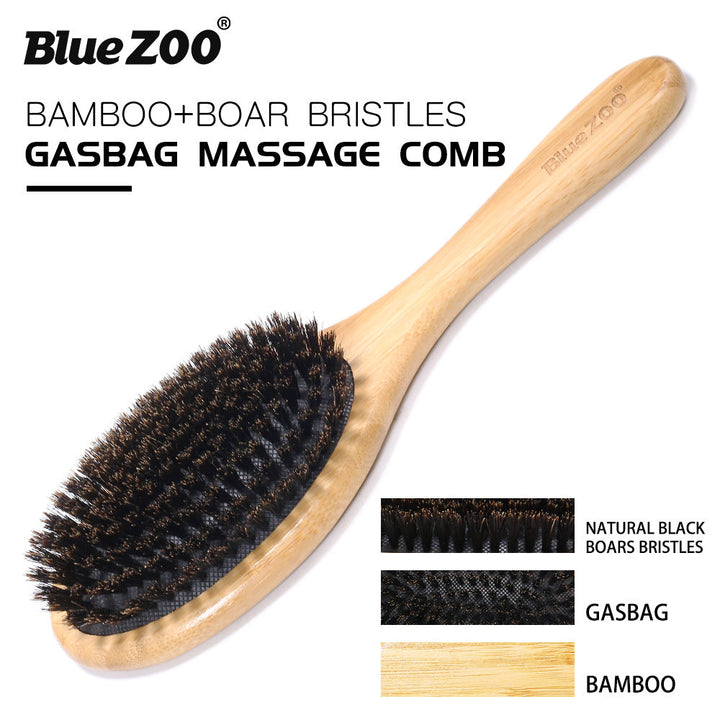

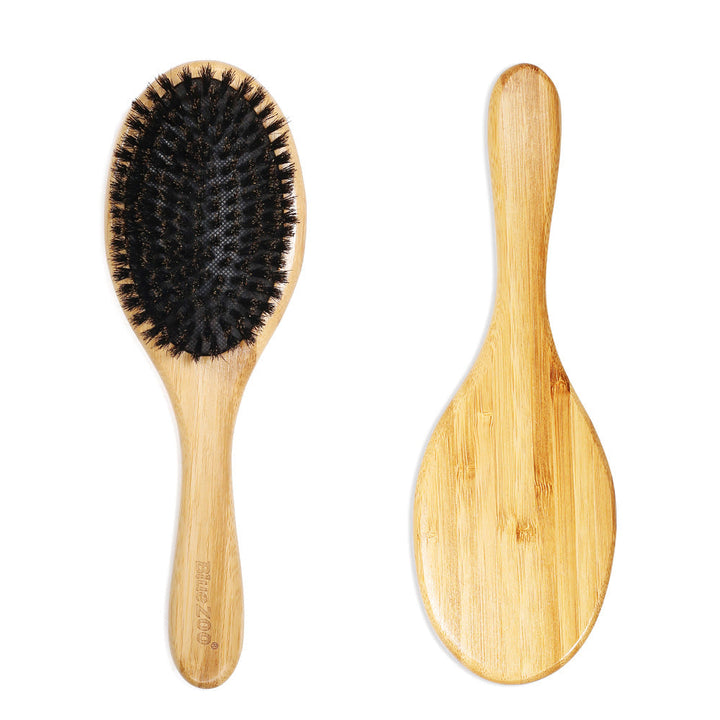
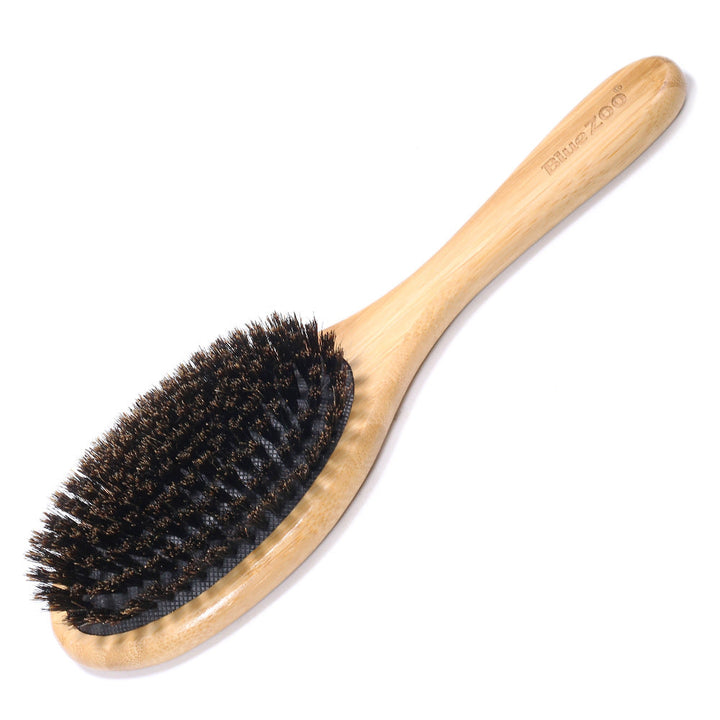


Massage combs are designed to move through the hair while giving the scalp a gentle, soothing combing sensation. This guide explains how to compare wood, jade, silicone, and electric styles, what to look for, and how to use a massage comb safely alongside everyday hair-styling tools.
How to choose a massage comb for scalp and hair
Start with your main use: gentle scalp massage, detangling, styling, or a combination of these. A wide-tooth wood comb is a practical choice for longer or thicker hair because it can separate strands with less snagging. Rounded teeth are preferable for scalp contact, while a compact design is easier to use at the hairline or on the go. If you want a sandalwood massage comb, check the material description and finish rather than relying on fragrance alone. For wet hair, choose a comb intended for damp use and work from the ends upward. People comparing a massage comb for hair growth should treat it as a grooming and relaxation accessory, not a guaranteed treatment.
What are the different types of massage combs?
Wood combs provide a firm, natural feel and are often chosen for dry scalp massage, detangling, and simple hair styling. Jade or other stone combs have a smooth, cool surface that some shoppers enjoy, but their appeal is mainly tactile and aesthetic. Silicone scalp massagers usually have flexible teeth and are commonly used with shampoo, making them useful when you want to cleanse and massage at the same time. Electric massage combs add vibration or another powered feature, so check the controls, charging method, and cleaning instructions before buying. A comb with conventional teeth is better for separating hair; a dedicated scalp massager is usually better for direct contact with the scalp.
What should you look for in a good scalp massage comb?
Inspect the teeth first: they should be smooth, rounded, and free from rough edges, seams, or splinters. Choose spacing that matches your hair density, with wider gaps for curls, coils, and thick hair and closer spacing for fine hair that needs more control. A comfortable handle or finger grip helps you keep pressure light and steady. For a sandalwood or other wood massage comb, look for a polished surface and care instructions that explain how to keep it dry. If considering a massage comb electric model, look for simple controls, a secure grip, and a head that can be cleaned according to the instructions. Avoid any tool that pulls, scratches, or feels harsh during a short test.
How do you use a massage comb?
Begin with dry or damp hair according to the comb's instructions, then remove obvious tangles with the teeth through the lengths. Place the comb gently at the front, sides, and crown, and move it in short, comfortable strokes without pressing hard. For longer hair, hold sections near the roots while combing the ends first, then work upward to reduce pulling. A silicone scalp massager can be used with shampoo, but rinse away product buildup afterward. Keep sessions brief enough that the scalp remains comfortable, and stop if you notice pain, scratching, or increased irritation. Clean the comb after use as directed and allow a wooden tool to dry fully before storing it.
What mistakes should you avoid with massage combs?
Do not use a massage comb to force through severe knots, because repeated pulling can break hair and make the scalp feel sore. Avoid pressing hard in an attempt to increase the massage effect; firm pressure is not automatically better. Using a wooden comb in standing water or leaving it wet can damage the finish, while product residue on any comb can make it less pleasant to use. Do not share a scalp-contact tool without cleaning it properly. Electric versions should not be used in ways their instructions do not allow, especially around water. If a comb causes persistent discomfort, scratching, or sensitivity, stop using it and choose a gentler design rather than continuing to test it.
Who is a massage comb suitable for?
A massage comb can suit shoppers who enjoy a calming grooming routine, want help distributing hair products, or prefer a tool that combines light scalp contact with everyday combing. Wood styles may appeal to people who prefer a simple, non-powered accessory, while silicone designs are convenient for shampoo routines. Stone combs can be attractive for occasional dry massage, provided their edges are smooth and the tool feels comfortable. Electric massage combs suit shoppers who want powered movement and do not mind charging and cleaning requirements. These tools are not a substitute for professional advice about scalp or hair concerns. If your scalp is sensitive, choose rounded, flexible teeth and use very light pressure first.
Frequently asked questions
Do massage combs work?
They can provide a soothing combing or massage sensation and may help distribute hair products or loosen everyday tangles, depending on the design. Results vary with the comb, pressure, hair type, and personal preference; they should not be treated as a guaranteed solution for hair or scalp concerns.
Do jade combs really work?
A jade comb can glide comfortably when its surface is smooth and its teeth are well shaped. Any benefit is primarily related to the feel of the material and the gentle massage technique, not a proven special effect from jade itself.
How do I use a massage comb?
Use it on dry or damp hair as directed, starting at the ends to remove tangles before moving toward the roots. Glide it over the scalp with light pressure and short strokes, and stop if it pulls, scratches, or causes discomfort.
What is a good comb to massage the scalp?
Look for smooth, rounded teeth, a comfortable grip, and spacing suited to your hair density. Choose wood for a firm, simple feel, flexible silicone for shampoo use, or an electric model if you want powered movement and are comfortable following its care instructions.
Do dermatologists recommend scalp massagers?
A scalp massager may be acceptable as a gentle grooming accessory when it does not cause pulling, scratching, or irritation. Recommendations can depend on an individual's scalp and hair concerns, so persistent symptoms or sensitivity are best discussed with a qualified healthcare professional.
What happens if I massage my scalp daily?
Daily gentle use may fit comfortably into a grooming routine, but more pressure or longer sessions are not necessarily better. Reduce use or stop if you notice soreness, scratching, irritation, or increased hair breakage, and keep the tool clean between uses.