
$64.90
Free delivery · 7–14 days
Hair Care Oil for Dry, Frizzy Hair & Scalp Moisture

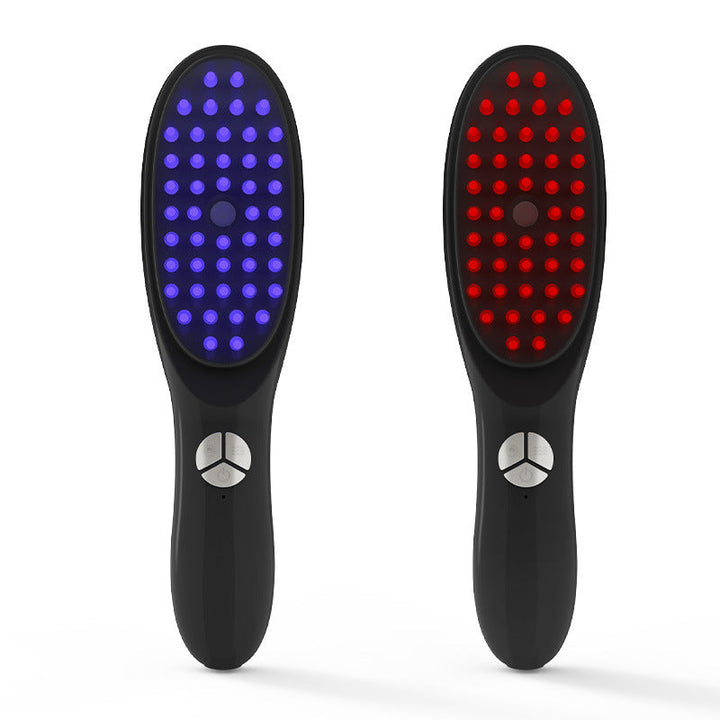


Scalp massagers are practical hair care tools for cleansing, relaxation, scalp oil application, and a more consistent self-care routine. This category includes manual brushes, electric kneading massagers, light-feature combs, and hair care oil for dry or frizzy hair and scalp moisture.
Start with how you plan to use the tool. Choose a manual scalp massage brush if you want a simple option for shampooing or occasional scalp care. An electric scalp massager may suit shoppers who prefer powered movement and hands-free-feeling comfort during a longer routine. For shoppers interested in light-based hair care gadgets, a scalp massage comb with red light or red and blue light can add a device feature to a daily routine. Consider whether you use the tool on dry hair, wet hair, or with oil, then check the product instructions. Soft, flexible contact points are useful for gentle movement, while a compact shape is easier to store and travel with.
Manual scalp brushes use your hand to control pressure, pace, and direction, making them a straightforward choice for hair styling tools for beginners. Electric models provide powered movement, such as kneading action or multiple contact points, for shoppers who want a more structured relaxation routine. Light-feature combs combine comb-style contact with red light or red and blue light settings, depending on the model. These tools are not substitutes for professional hair styling tools because they focus on scalp care rather than drying, curling, straightening, or shaping hair. If you are building a hair styling tools list, think of a scalp massager as a complementary hair care tool for cleansing, oil application, or routine scalp maintenance.
Useful details matter more than a long feature list. Look for comfortable, rounded contact points; an easy-to-hold handle; controls you can operate without interrupting your routine; and a surface that is simple to clean. For electric models, review charging or battery information, operating instructions, and whether the device is intended for wet or dry use. If you plan to use hair care oil, confirm that the tool can be cleaned properly after application and avoid letting oil reach openings unless the instructions allow it. A light-feature comb should clearly identify its available light settings and use directions. These details help both beginners and experienced shoppers compare the best hair care tools for their own routines.
Begin with clean hands and read the product directions, especially for electric devices and light-feature combs. Part thick hair if needed so the contact points can reach the scalp without pulling through tangles. Place the tool gently against the scalp and move it slowly over one area at a time; do not press hard or scrub aggressively. When using shampoo, keep the motion controlled and rinse the tool according to its care instructions. For hair care oil, apply only a small amount where needed and clean the tool afterward. Keep electric products away from water unless they are specifically designed for wet use. Stop using the tool if it feels uncomfortable, catches hair, or irritates the scalp.
One common mistake is treating a scalp massager like a detangling brush. These tools are designed for scalp contact, so forcing them through knots can pull hair and reduce comfort. Avoid using excessive pressure, fast scrubbing, or prolonged use simply because a device is powered. Another mistake is ignoring wet-use guidance on electric models or leaving oil residue on the handle, contact points, or charging area. Do not share a scalp tool without cleaning it properly, and inspect the contact points regularly for buildup or damage. Light-feature products also require following their stated directions rather than assuming more frequent or longer use is better. Gentle, consistent handling is a better starting point than intensity.
Scalp massagers can suit shoppers who want a simple addition to a hair care routine, enjoy scalp cleansing with shampoo, apply hair care oil, or prefer a relaxing grooming ritual. A manual brush is often the easiest starting point for beginners, while an electric model may appeal to people who want powered kneading movement. A light-feature comb may suit shoppers looking for a hair care gadget with added device functionality. These products are not styling tools for creating curls, volume, or sleek finishes, so pair them with the appropriate items in a hair styling tools list. Choose based on comfort, hair thickness, routine, and cleaning preferences, and follow the instructions for the specific product.
The best hair care tools depend on your routine. For scalp-focused care, a manual massage brush, electric scalp massager, light-feature comb, and suitable hair care oil cover different preferences. Choose the tool with the contact style, power option, and cleaning requirements that fit how you use it.
Hairstylists commonly use tools for washing, drying, detangling, cutting, curling, straightening, and finishing. A scalp massager is a complementary hair care tool rather than a replacement for professional hair styling tools, and it can be used as part of a cleansing or scalp-care routine when the instructions permit.
Good hair care gadgets include electric scalp massagers and scalp massage combs with red light or red and blue light features. A manual scalp massage brush is a simpler choice with no charging requirement, while hair care oil can complement routines focused on dry, frizzy hair and scalp moisture.
There is no single best hair tool for every shopper. For scalp care, choose a manual brush for direct control, an electric massager for powered movement, or a light-feature comb if those device features match your routine. For styling, you would need a separate tool designed for drying, curling, straightening, or shaping.
For a scalp massager, gentle manual use with soft, rounded contact points avoids heat and can help reduce unnecessary pulling compared with forcing a brush through tangles. Use light pressure, move slowly, and follow wet-use and cleaning instructions. No tool is risk-free if it is used aggressively or on tangled hair.
The best hair tools for 2026 are the ones that match your hair routine and are easy to use consistently. In this category, options include a manual scalp massage brush, an electric eight-claw kneading massager, and light-feature scalp massage combs, with hair care oil for added moisture-focused care. Compare comfort, controls, intended wet or dry use, and cleaning needs before choosing.