
$64.90
Free delivery · 7–14 days
Thick Nail Clippers With Curved Stainless Steel Blade
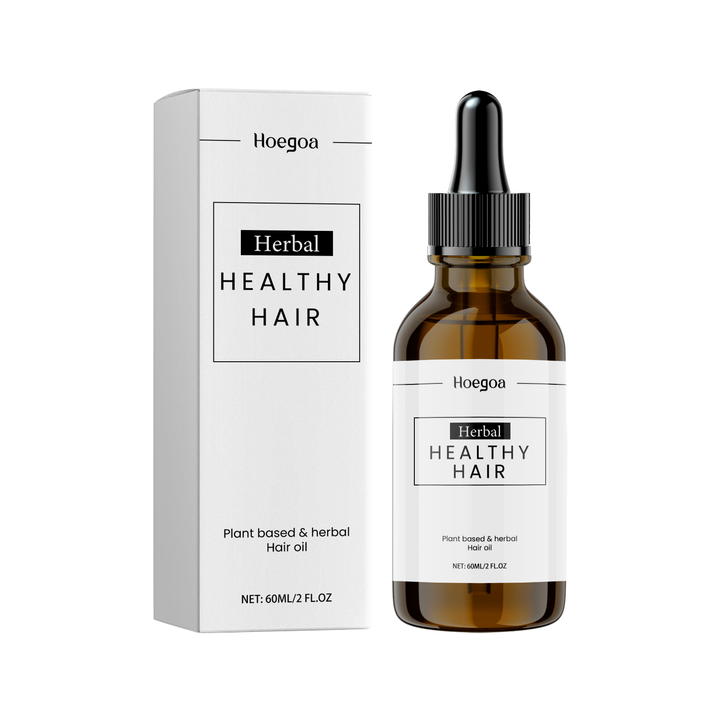


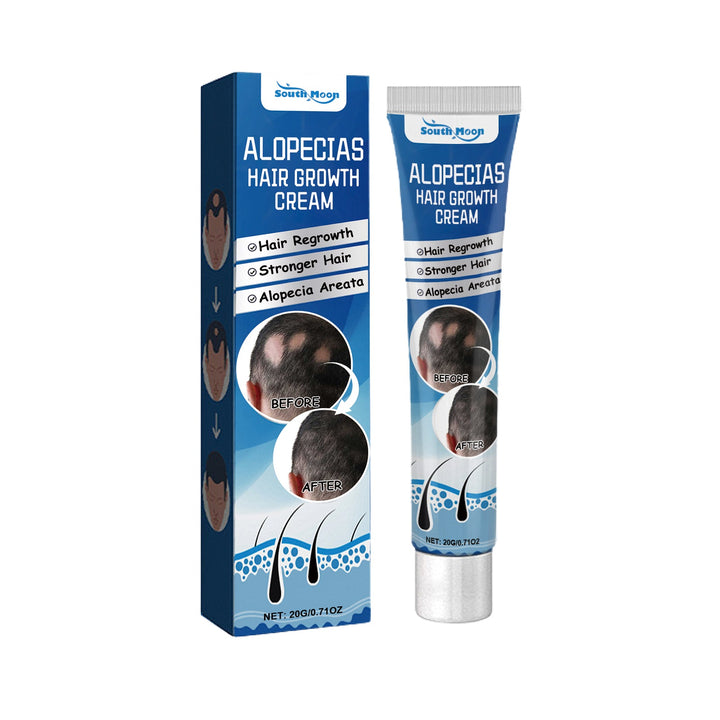


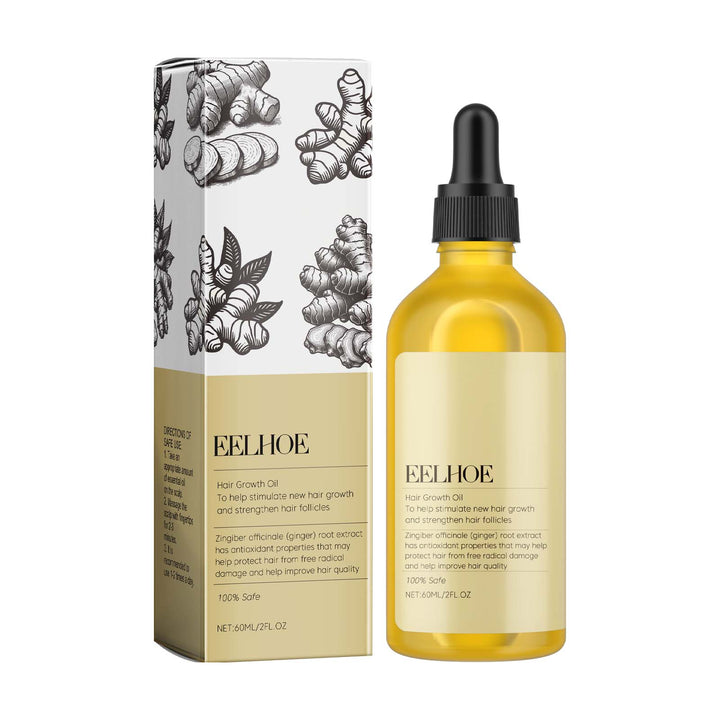
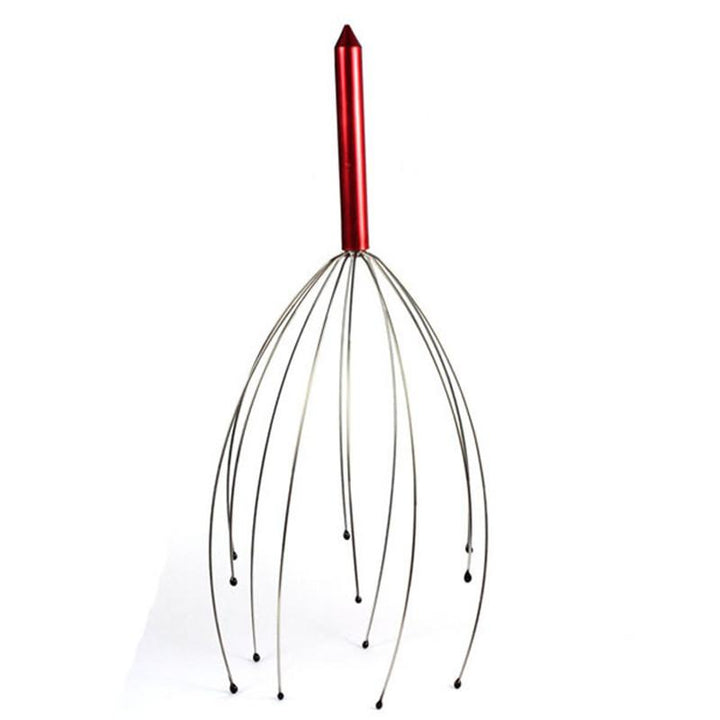


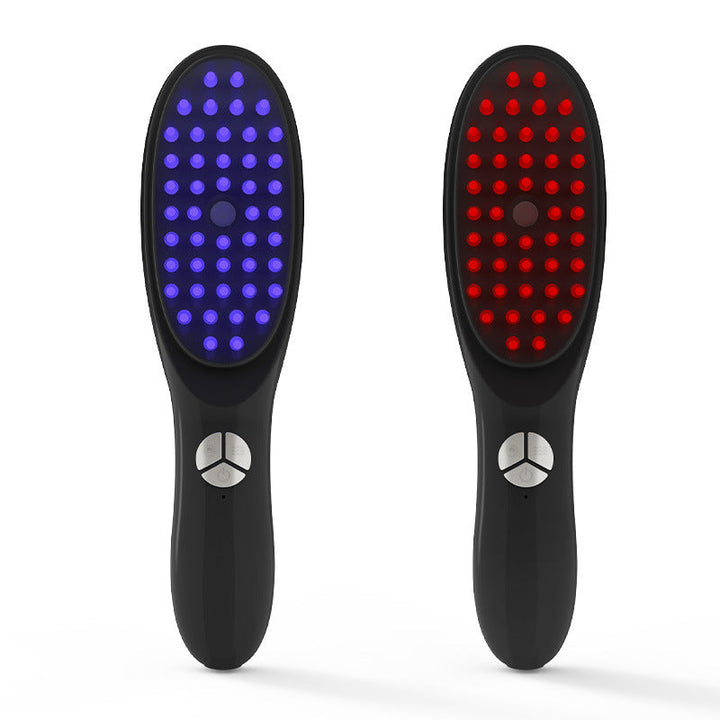
Scalp care tools can support a cleaner, more comfortable grooming routine, whether you want shampoo massage, relaxation, or an easier at-home scalp-care step. This category includes manual and electric massagers, a laser hair growth cap, topical hair-care products, and related grooming tools, so compare the intended use before you buy.
Start with your main goal. For shampooing and gentle scalp massage, a silicone scalp massager brush is a practical choice. If you prefer powered movement for relaxation or tension, consider an electric scalp massager. A laser hair growth cap is a different type of at-home device and should be selected by checking its instructions, fit, operating method, and return policy rather than treating it like a massage tool. Dryness-focused shoppers may also compare scalp care cream, batana hair oil, or plant-based hair oil. Hair growth spray for men is a topical product designed for a twice-daily routine. Thick nail clippers are included for general grooming, but they are not scalp care tools.
Manual scalp brushes use flexible bristles or tips to help work shampoo through the hair and across the scalp without relying on batteries. Electric scalp massagers add powered movement and can suit people who want a more hands-off relaxation step. A laser hair growth cap is intended for a separate at-home scalp-care routine, so review the product directions before use. Topical options include hair growth spray for men, scalp care cream for dry scalp and dandruff relief, batana hair oil, and plant-based hair oil for dry hair and scalp care. Oils can help condition the feel of dry hair, while cream is a more targeted option for areas that feel dry. Choose one primary tool first instead of combining every product at once.
For a manual brush, look for soft, flexible tips, a comfortable handle, and a shape that is easy to control when your hands are wet. The brush should move over the scalp without requiring force or pulling through knots. For an electric model, check the grip, control layout, charging or battery details, cleaning instructions, and whether the massage action feels suitable for your preference. If you are comparing scalp care tools for shower use, confirm whether the product is designed for wet conditions before bringing it near water. For a laser cap, check fit, operating instructions, storage, and maintenance requirements. Avoid tools with sharp, rough, or poorly finished contact points that may scratch or irritate the scalp.
To use a scalp massager brush, wet your hair, apply shampoo, and place the flexible tips gently against the scalp. Move it in small, comfortable sections rather than scrubbing aggressively or dragging it through tangled hair. Rinse the brush after use and let it dry according to the care instructions. An electric scalp massager should be used only as directed, with attention to wet-use limitations, charging requirements, and cleaning guidance. Topical products need a different routine: apply hair growth spray as its label directs, and use scalp care cream or hair oil sparingly where appropriate for your hair and scalp-care needs. Stop using any product or tool that causes discomfort, redness, or worsening irritation, and seek professional advice for persistent concerns.
The most common mistake is pressing too hard. A scalp brush is meant to massage and distribute shampoo, not scrape the skin or replace thorough rinsing. Do not use a tool on broken, sore, or irritated skin, and do not share brushes without cleaning them. Avoid using an electric massager in water unless the product instructions specifically allow it. Another mistake is assuming every product supports the same goal: oils, scalp cream, massage tools, hair growth spray, and a laser cap have different uses and directions. Applying several new products at once can make it difficult to identify what your scalp tolerates. Keep the routine simple, follow each label, and maintain the tool so residue does not build up.
Scalp massager brushes suit shoppers who want a simple shampooing and massage accessory, especially those who prefer manual control. Electric models are useful for people who want a powered relaxation step and do not mind charging or cleaning a device. Topical products may suit shoppers focused on the feel of dry hair or scalp care, with scalp care cream, batana hair oil, and plant-based hair oil offering different textures and routines. Hair growth spray for men is suited to shoppers willing to follow a twice-daily topical schedule. A laser hair growth cap suits people seeking an at-home device and prepared to follow its operating instructions consistently. Anyone with ongoing itching, flaking, pain, or noticeable changes should ask a qualified healthcare professional what is appropriate.
For a simple massage while shampooing, a flexible silicone scalp massager brush is a practical option. An electric scalp massager may suit shoppers who prefer powered movement for relaxation. Neither should be used forcefully, and the right choice depends on comfort, hair type, cleaning needs, and the product instructions.
A scalp massager brush can help work shampoo through the hair and across the scalp while you wash. Choose flexible tips, a comfortable grip, and clear cleaning instructions. Rinse the tool after use and avoid aggressive scrubbing.
A scalp massager can be a gentle grooming accessory, but professional advice depends on your scalp condition and symptoms. Use light pressure and avoid it on sore, broken, or irritated skin. For persistent itching, flaking, pain, or other concerns, ask a dermatologist or other qualified healthcare professional.
There is no single best product for every scalp. A gentle shampoo and a manual scalp brush may suit basic cleansing, while scalp care cream or hair oil may suit a dry-feeling routine; follow each product label. If symptoms continue or worsen, seek individualized professional advice.
Itchy scalp can have many possible causes, and it is not possible to identify a vitamin deficiency from itching alone. Avoid starting supplements based only on this symptom. A healthcare professional can review your symptoms and determine whether evaluation or testing is appropriate.
Recommendations vary by scalp type and symptoms, but a consistent, gentle cleansing routine and avoiding harsh scratching are common practical steps. Use scalp tools and topical products according to their instructions, and stop if they cause irritation. For ongoing or severe concerns, consult a dermatologist for personalized guidance.