$44.90
Free delivery · 7–14 days
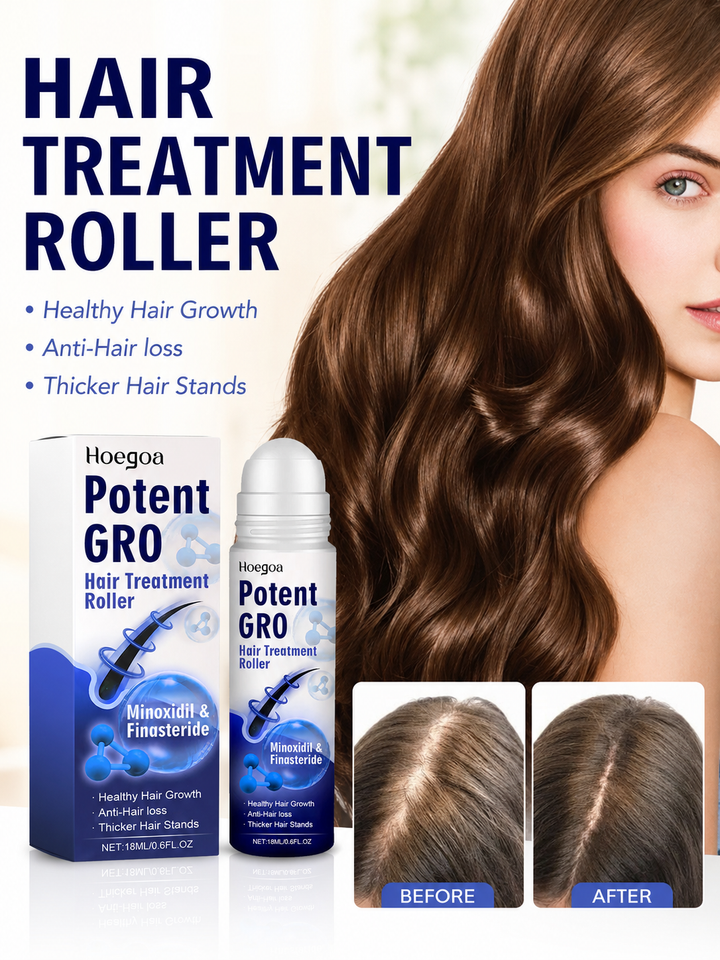
Hair Growth Roller — Minoxidil & Finasteride for Denser Hair
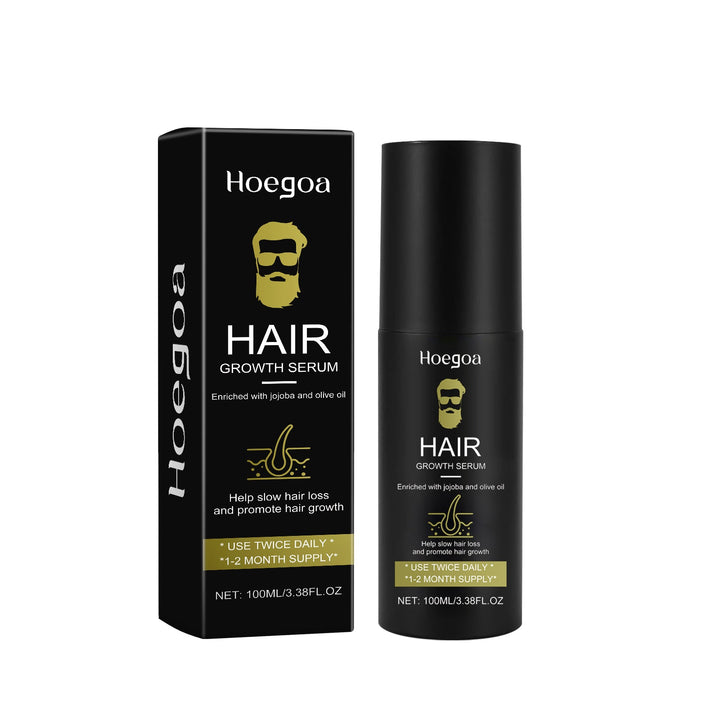
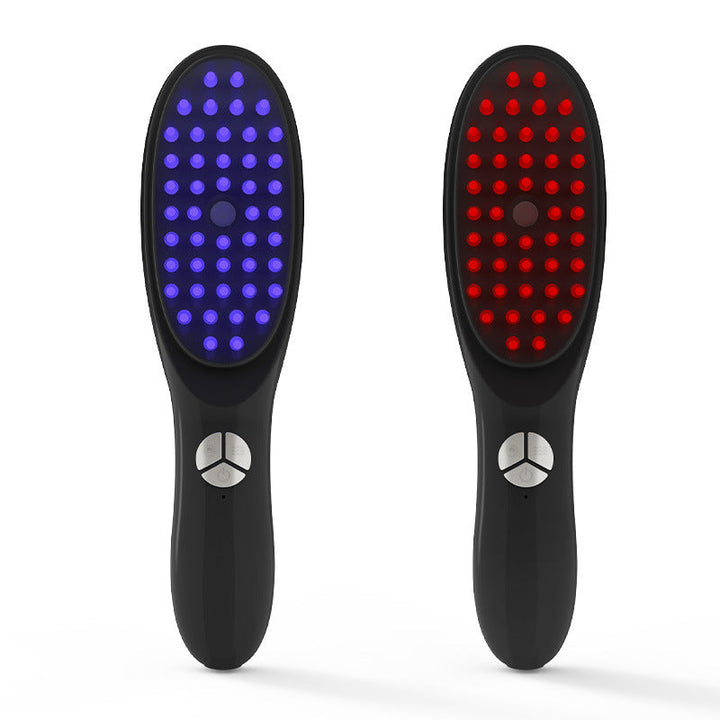
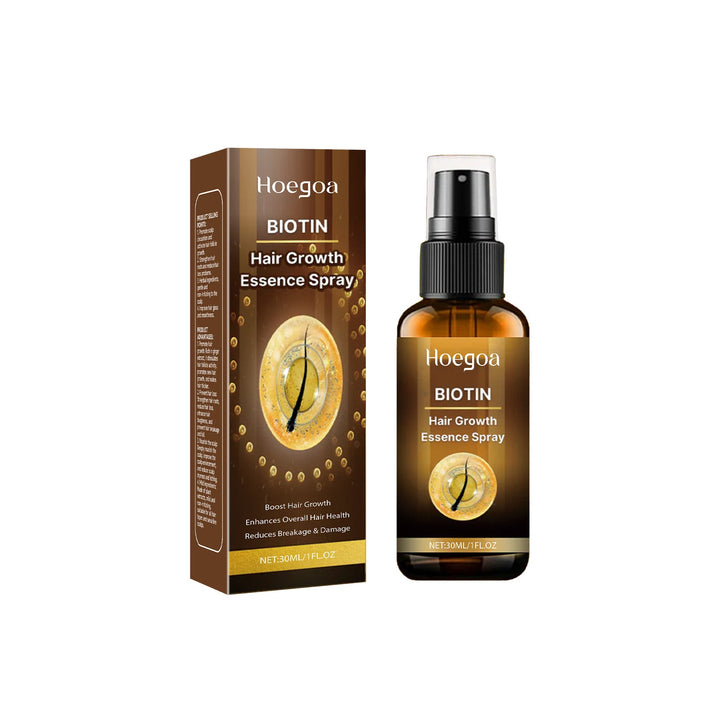
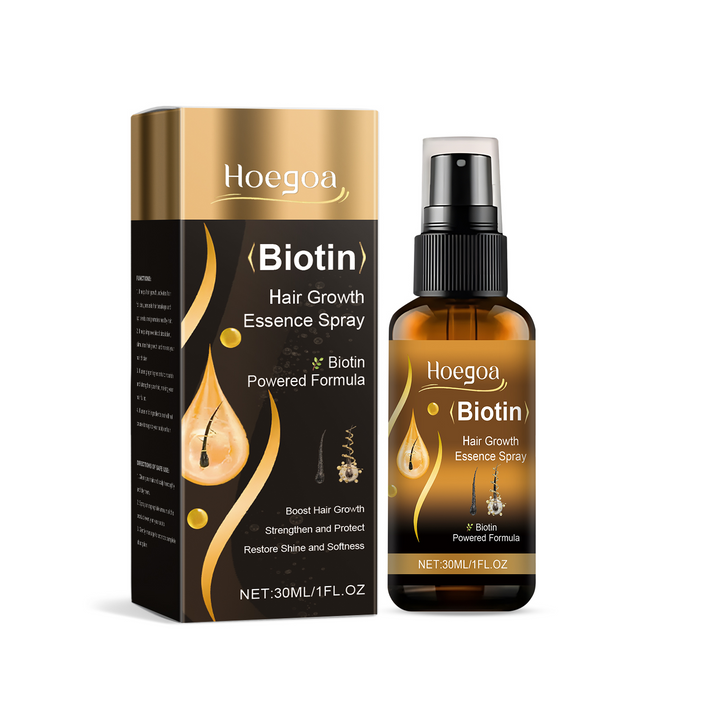
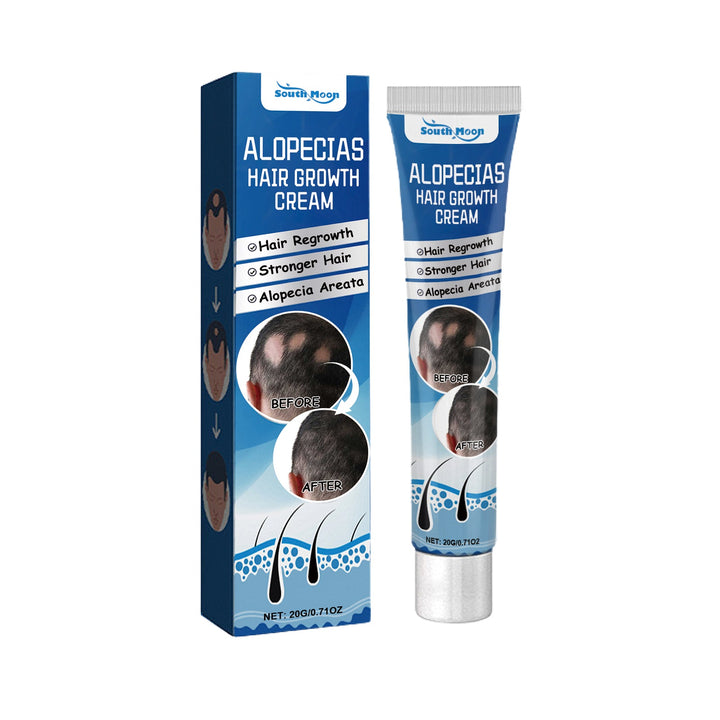


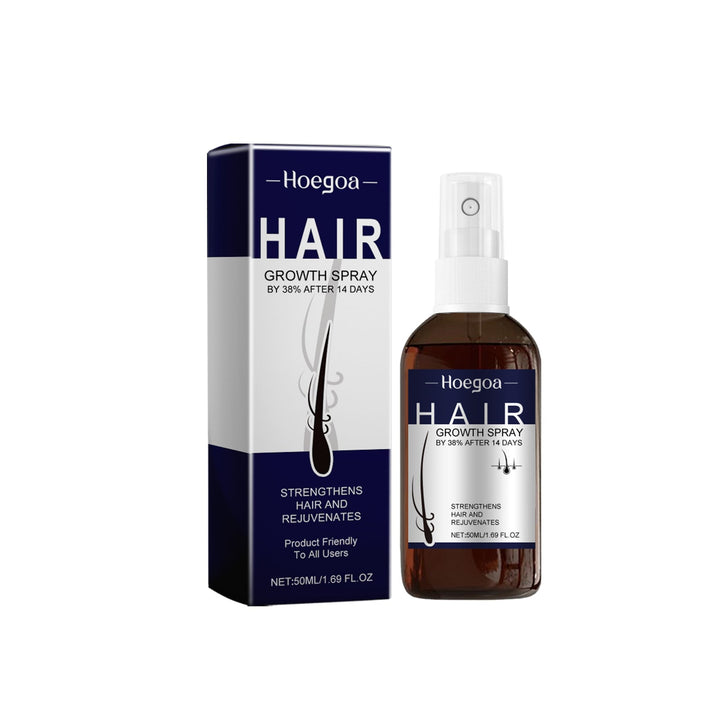


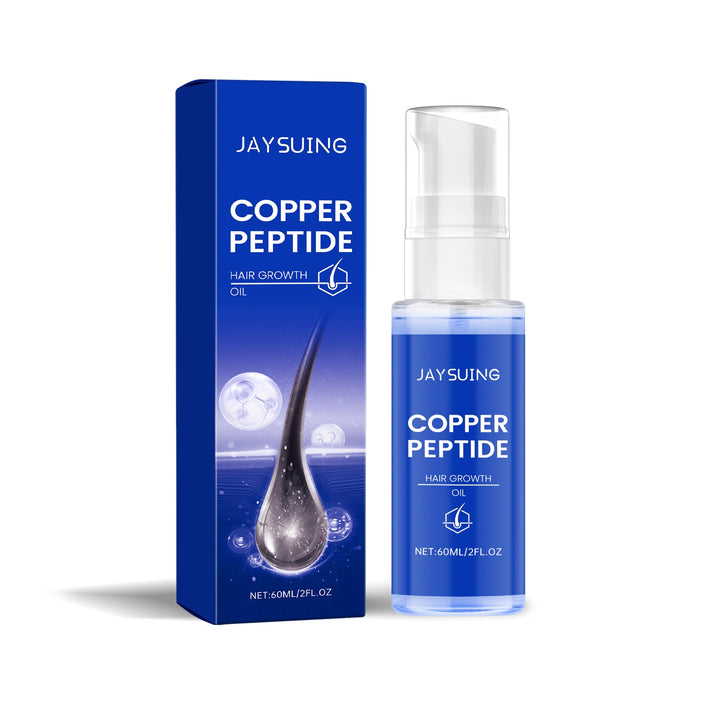


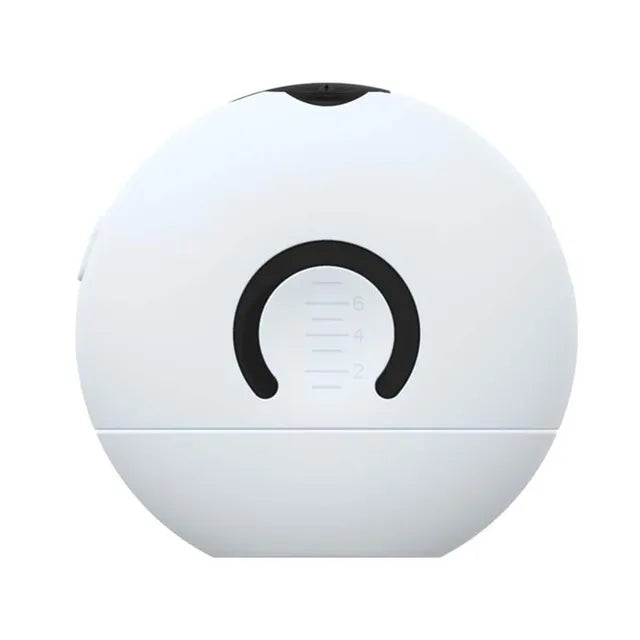
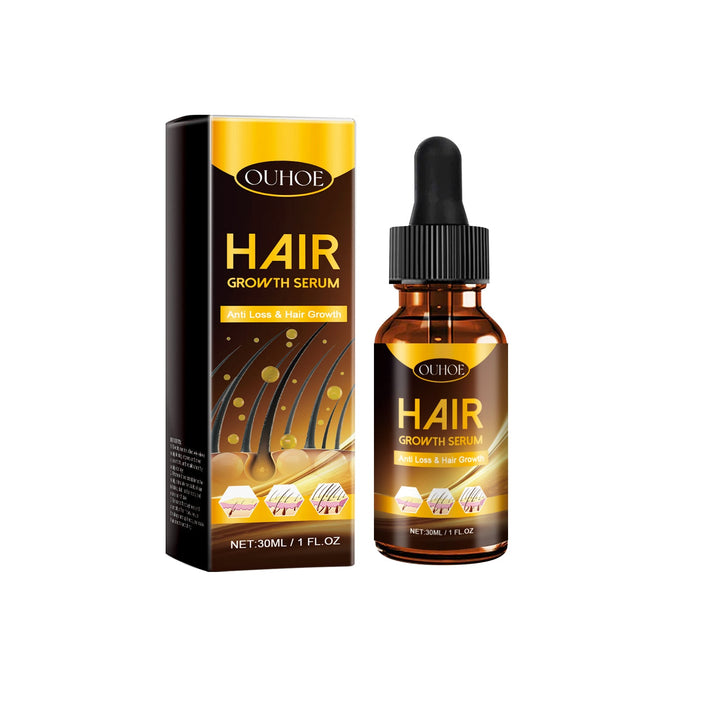

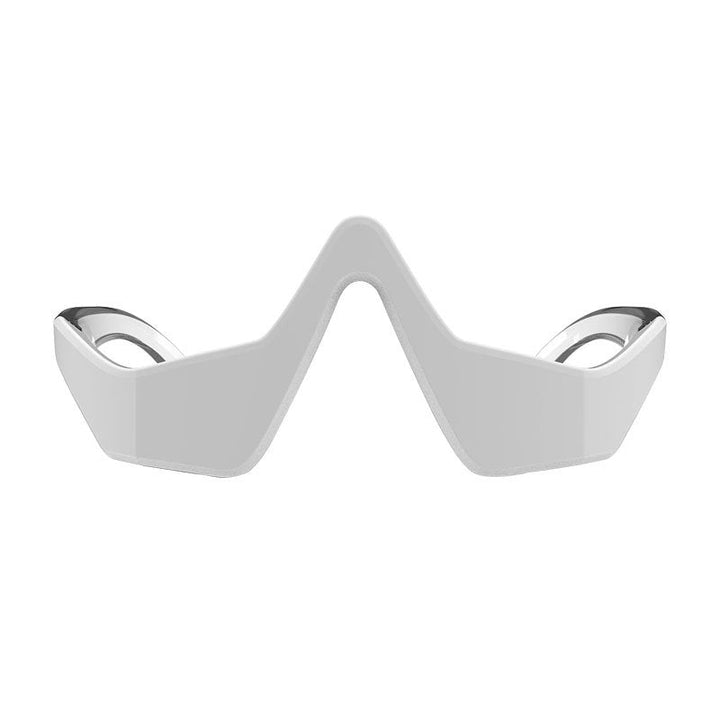


A hair growth device can make at-home scalp care more structured, whether you prefer a hands-free cap, a targeted laser comb, or a roller used with topical products. Compare the device format, included features, routine, and product compatibility before choosing a red light therapy option for hair care.
Start with the routine you are most likely to follow. A laser hair growth cap is hands-free and covers the scalp while you relax, making it a practical choice for shoppers seeking the best affordable red light therapy for hair growth at home. A laser hair growth comb lets you work through specific areas and can also provide scalp massage. A hair growth roller is designed for a more hands-on routine and may be selected alongside topical products such as minoxidil or finasteride. If your main goal is a fuller-looking appearance and scalp care, consider a spray, serum, or ampoule instead of a light-based device. Check the product instructions and your preferred schedule before buying.
Caps, combs, and rollers suit different shopping priorities. A laser hair growth cap is convenient when you want even, hands-free coverage during an at-home session. A laser hair growth comb offers more control over where you focus attention, plus a scalp-care massage function. A hair growth roller is a manual tool intended for use with a topical routine, so it requires careful handling and cleaning according to its instructions. Sprays, serums, and ampoule serums are not light devices, but they can complement a daily scalp-care routine and are often chosen for smoother, nourished, or fuller-looking hair. The best hair growth device is the one that fits your schedule, comfort preferences, and willingness to maintain the tool.
When comparing a red light or laser hair care device, look for clear operating instructions, straightforward controls, comfortable wear or handling, and a design that reaches the areas you want to care for. For a cap, check how it sits on the head, how it is powered, and whether the session can be completed without holding the device. For a comb, consider tooth spacing, handling, and whether the controls are easy to use while sectioning hair. Also review cleaning guidance, storage needs, and what is included in the package. Avoid choosing based only on phrases such as best laser hair growth device consumer reports; compare the actual features, usage requirements, and return terms available on the product page.
Read the product instructions before the first session and use the cap only as directed. Begin with clean, dry hair unless the instructions say another routine is suitable. Position the cap so it sits securely and covers the intended scalp area, then use the controls to start the session. Do not extend the session or increase use beyond the stated guidance. Afterward, store the cap in a clean, dry place and wipe it as recommended. Keep sprays, serums, ampoule products, and other topical items separate from the device unless the instructions specifically allow use together. A consistent routine is easier to maintain when sessions are planned around an existing habit, such as an evening scalp-care routine.
One common mistake is choosing a device without checking whether its format suits your routine. A cap may be more convenient than a comb if you do not want to hold a tool, while a comb may be preferable if you want to target particular areas. Another mistake is treating a serum, spray, or roller as interchangeable with a light-based device; these products serve different roles in a scalp-care routine. Do not combine a roller with minoxidil, finasteride, or another topical product unless the product directions or a qualified professional support that use. Avoid using a device more often than instructed, skipping cleaning, or expecting an overnight change. Review the full product details and keep your routine consistent.
A home hair growth device may suit shoppers who want a structured scalp-care routine and prefer using a cap or comb in their own space. A cap is a strong fit for people who value hands-free use, while a comb suits shoppers who prefer a more targeted, interactive routine. A roller may appeal to those already using a topical hair-care routine and comfortable with manual application steps. Sprays, serums, and ampoules can suit shoppers focused on nourished, shinier, smoother, or fuller-looking hair rather than a light-based tool. If you have a scalp condition, take medication, are pregnant or nursing, or are unsure whether a device or topical product is appropriate, ask a qualified healthcare professional before use.
There is no single best choice for every shopper. A laser hair growth cap prioritizes hands-free use, a laser comb offers more control over specific areas, and a roller supports a manual topical routine. Choose the format you can use consistently and follow its instructions.
Results can vary by person, device, routine, and the reason for changes in hair or scalp appearance. A device should be used only as directed, and it should not be treated as a guaranteed solution. For persistent or concerning hair changes, consult a qualified healthcare professional.
The right option depends on your individual situation and goals. Shoppers may compare a laser cap, laser comb, roller, spray, serum, or ampoule as part of a broader scalp-care routine. A qualified healthcare professional can help identify appropriate options for your needs.
Public discussions about a celebrity's hair routine do not establish what will work for another person. Celebrity routines may include products, styling, or professional care that are not fully documented or suitable for everyone. Compare the features and instructions of the devices and products you are considering instead.
There is no reliable basis here to recommend a specific product from a celebrity reference. A person's hair-care routine may involve styling products, professional services, or other factors that do not translate to a home device. Focus on the product's intended use, ingredients or technology, and care instructions.
No conclusion should be made from the names alone; they are separate product brands or product lines, and their ingredients and intended uses may differ. Check the active ingredients and directions on the packaging, and ask a qualified healthcare professional or pharmacist if you need help comparing them.