
$64.90
Free delivery · 7–14 days
Scalp Massage Brush for Tension Relief & Hair Luster


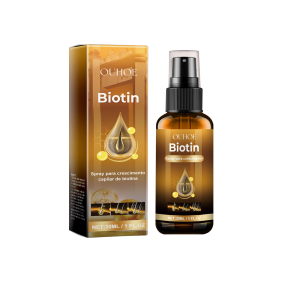
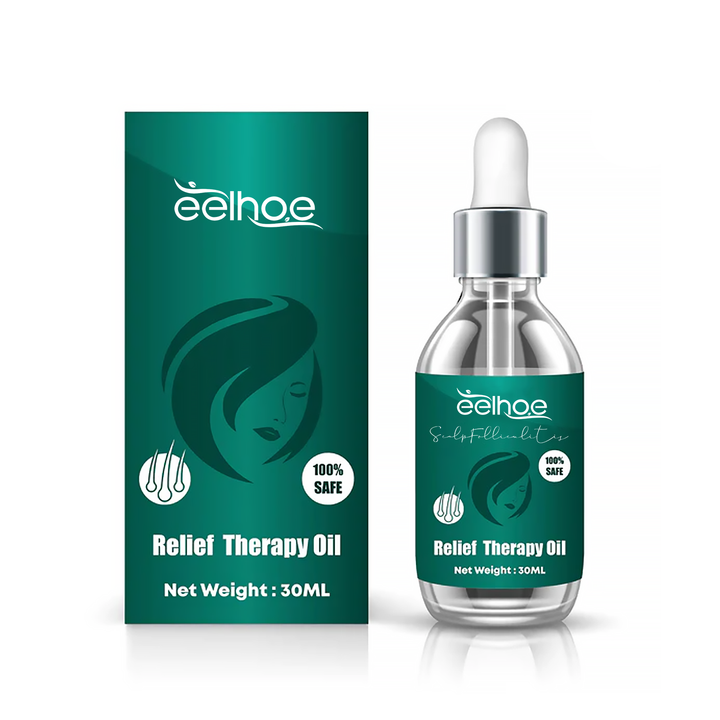


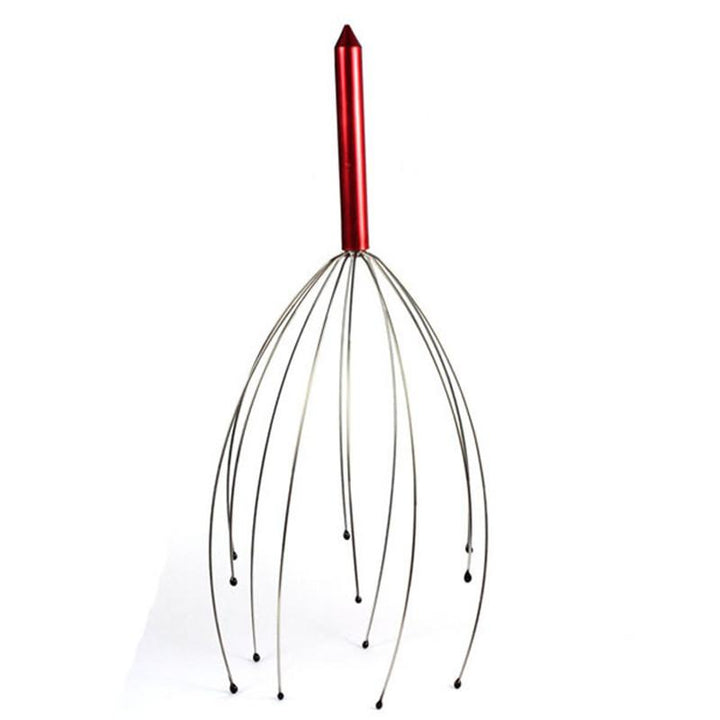


Scalp care products can help you build a consistent routine for dryness, visible flakes, tightness, itchiness, and an uncomfortable-feeling scalp. This category includes scalp massage tools, creams, sprays, serums, and ampoules for targeted care alongside gentle cleansing and any treatment recommended by a healthcare professional.
Start by identifying what your scalp feels and looks like rather than choosing only by hair type. For dryness, tightness, or discomfort, consider the Scalp Soothing Cream, Scalp Care Cream, Scalp Treatment Spray, or Scalp Care Serum. For a lightweight option that fits easily into a scalp care routine, choose a spray or serum. If you want to support a massage routine, the Scalp Massage Brush or Hair Strength Ampoules can be used as part of your wash-day or pre-wash care. Shoppers looking for scalp care for hair growth often prefer nourishing, appearance-focused products such as the Biotin Scalp Spray, but these products should not be treated as guaranteed hair-growth treatments. If you have persistent scaling or suspected seborrheic dermatitis or psoriasis, ask a healthcare professional about suitable care.
Creams are useful when you want richer, focused care for dry or uncomfortable areas. Sprays and serums provide lighter application and can be easier to distribute across the scalp without adding as much weight to the hair. The Scalp Treatment Spray is designed for dry, itchy scalp relief, while the Scalp Serum for Dandruff and Follicle Relief and Scalp Care Serum target scalps affected by dryness, tightness, or visible flaking. The Biotin Scalp Spray is intended for a nourished, healthier-looking hair appearance. A scalp massage brush adds a physical step to cleansing or product application, and Hair Strength Ampoules pair scalp care with massage. Choose one primary leave-on product first, then add another only if your routine remains comfortable and easy to follow.
Look for a format that matches your scalp care needs and daily habits. A nozzle spray or serum can help you apply product along partings, while a cream may suit smaller dry patches or a richer evening routine. Check the product directions for whether it is intended for the scalp, hair lengths, damp hair, dry hair, or massage. If your scalp is sensitive or already uncomfortable, introduce one new product at a time and stop if it causes increased irritation. Avoid assuming that an oil is always the best scalp care oil choice: richer formulas may feel heavy or leave buildup for some people. For scalp care men and anyone with short hair, a targeted spray or serum can be convenient; longer or denser hair may benefit from sectioning before application.
A practical scalp care routine can begin with regular, gentle cleansing suited to your hair and scalp. Apply shampoo to the scalp rather than concentrating it only on the lengths, rinse thoroughly, and avoid scratching with fingernails. After washing, use a scalp spray, serum, or cream according to its directions, applying it in sections so it reaches the scalp instead of sitting mainly on the hair. Use the Scalp Massage Brush with light pressure if its instructions allow it, and keep the tool clean between uses. Do not layer every product at once; start with one leave-on formula and observe how your scalp feels. If you use a medicated product recommended by a healthcare professional for seborrheic dermatitis or psoriasis, follow those directions instead of replacing it with cosmetic scalp care.
A common mistake is treating every flake as the same issue. Dryness, product buildup, dandruff, seborrheic dermatitis, and psoriasis can look or feel different, so persistent, painful, spreading, or severely irritated symptoms deserve professional advice. Scratching, using very hot water, or applying a scalp care oil heavily can worsen discomfort or leave residue. Another mistake is applying leave-on products to the hair lengths when the goal is scalp care; part the hair and use a small, targeted amount. Avoid starting several new formulas together, because it becomes difficult to identify what your scalp tolerates. “No poo” routines are not automatically better: reducing shampoo may suit some people, while others need regular cleansing to manage oil and buildup. Choose the simplest routine you can use consistently.
These products suit adults looking for cosmetic care for dry, tight, flaky, or uncomfortable-feeling scalps, or for a more deliberate scalp care routine. The range includes options for people who prefer creams, lightweight sprays, serums, ampoules, or a massage brush. They can be useful whether your hair is short, long, straight, curly, fine, or dense, provided you choose a texture that does not make your hair feel weighed down. Shoppers interested in scalp care for hair growth or healthier-looking hair can explore the Biotin Scalp Spray and Hair Strength Ampoules while keeping expectations realistic. These products are not a substitute for diagnosis or treatment of a scalp condition. If you have open skin, marked inflammation, heavy scaling, or symptoms that do not improve, consult a qualified healthcare professional before trying new products.
Use a gentle cleansing routine, rinse thoroughly, and apply one scalp-focused spray, serum, or cream according to its directions. You can add light massage with the Scalp Massage Brush if comfortable, but avoid scratching or using excessive pressure. Introduce products one at a time so you can monitor how your scalp responds.
Keep the scalp clean with a routine suited to your hair and oil levels, and avoid picking, harsh scrubbing, or very hot water. Apply leave-on products directly to the scalp in sections rather than coating the hair unnecessarily. Persistent flaking, soreness, or irritation should be assessed by a healthcare professional.
“No poo” generally describes reducing or avoiding conventional shampoo, sometimes using water-only washing or alternative cleansers instead. It is a personal hair-care approach, not a required scalp-care method, and it may not suit every scalp or hair type. If buildup, oiliness, flakes, or discomfort increase, reconsider the routine and seek professional advice if symptoms persist.
Possible signs include persistent itching, unusual dryness or tightness, recurring flakes, excess oil, redness, tenderness, sores, or changes that continue despite gentle care. These signs can have different causes and cannot be diagnosed from appearance alone. Seek professional guidance for severe, spreading, painful, or ongoing symptoms.
An itchy scalp does not identify a specific vitamin deficiency. It can be linked to dryness, irritation, product buildup, dandruff, or a scalp condition, among other possibilities. Avoid starting high-dose supplements based only on itchiness; ask a healthcare professional if you are concerned about nutrition or persistent symptoms.
Keep your routine simple: cleanse gently, rinse well, avoid scratching, and use a scalp spray, serum, or cream that matches your comfort needs. Clean massage tools regularly and avoid layering products that leave buildup. If your scalp remains uncomfortable or shows marked scaling, redness, or sores, consult a healthcare professional for tailored advice.