
$64.90
Free delivery · 7–14 days
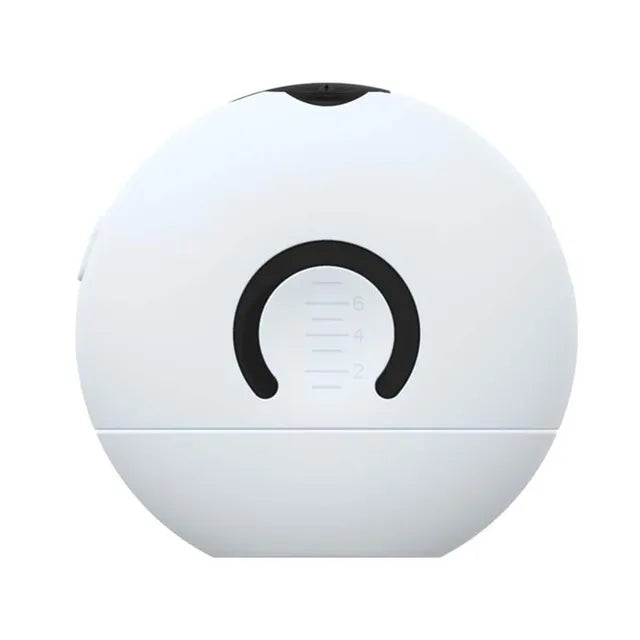
Batana Hair Oil Roll-On for Fuller, Healthier-Looking Hair


Find a scalp treatment suited to oily roots, visible flakes, buildup, or a dry-feeling scalp. This category includes leave-on oils and serums, a light-based applicator, a targeted cream, a darkening and thickening essence, and a scalp-focused supplement, so compare the formula, application method, and your specific concern before buying.
Start by identifying what you want to address: excess oil, flakes, dryness, the look of thinning areas, or general scalp care. For greasy roots, a lightweight roll-on serum or essence may feel easier to apply than a rich oil. If visible flaking is your main concern, a scalp cream designed for seborrheic dermatitis may be more relevant; read its directions and avoid using it on irritated or broken skin. A scalp supplement is an ingestible option, while a light-based applicator is a device that requires consistent handling and charging or battery care. Search terms such as scalp treatment shampoo or scalp treatment near me can help you compare routines, but this category focuses on leave-on products, devices, and capsules rather than salon services.
Scalp oils and serums are designed for direct application and can be useful when you prefer a short, targeted routine. The batana oil roll-on is positioned for fuller, healthier-looking hair, while the ball-bearing serum set offers two small bottles for scalp application. The darkening and thickening essence is intended to improve the appearance of sparse-looking areas. A light comb applicator combines liquid application with LED light, so check the instructions before use. The herbal seborrheic dermatitis cream is the most targeted option for a flaky scalp concern. Capsules take a different approach and are taken orally. These choices are not interchangeable: consider whether you want cosmetic coverage, scalp moisturising, flake-focused care, a device-assisted routine, or an ingestible product.
Check the ingredient list, directions, size, applicator, and any usage restrictions before ordering. For oily hair, look for a format that allows precise application to the scalp instead of coating the lengths. A roll-on can help limit mess, while a ball-bearing serum applicator may suit small areas. If you are comparing a scalp treatment for dandruff, review whether the product is specifically described for flakes or seborrheic dermatitis rather than assuming every oil will address the same concern. For a device, check how the liquid is loaded, how the light feature is operated, and how it should be cleaned. For capsules, read the serving instructions and ingredient information, and consider checking with a healthcare professional if you take medicines or have dietary restrictions.
Follow the product label first, because application differs across oils, serums, creams, devices, and capsules. Part the hair so the product reaches the scalp rather than sitting mainly on the hair shaft. Apply a small amount of a roll-on or serum to the intended areas, then spread it gently if the instructions allow. Use the cream only as directed and wash your hands afterward. With the LED applicator, follow the recommended cleaning, charging, and contact instructions instead of improvising. Keep capsules in their original container and use only the stated serving. If you are trying a homemade scalp treatment, remember that household ingredients can irritate the skin or leave oily buildup; a labelled product offers clearer directions and ingredient information.
Applying too much product is a frequent problem with oily hair: excess oil can make roots look heavier and increase the need for washing. Another mistake is treating every scalp concern as dandruff. Flaking can have different causes, so avoid layering several active or fragranced products at once. Do not use a cream, oil, or device more often than its instructions allow, and do not share applicators without cleaning them properly. Keep products away from the eyes and stop use if you develop marked burning, swelling, or a worsening reaction. Also avoid expecting a cosmetic serum, darkening essence, or supplement to diagnose or resolve an underlying issue. If symptoms persist, recur, or include pain, sores, or noticeable hair loss, seek professional advice rather than repeatedly changing products.
These products may suit shoppers who want a more focused scalp-care routine at home, especially when oily roots, occasional buildup, visible flakes, or sparse-looking areas affect how the hair appears. Choose a lightweight serum or roll-on if you dislike heavy textures, a cream if flaking is the priority, or an essence if temporary darkening and thickening appearance is your goal. A device may suit someone comfortable adding an applicator to the routine, while capsules suit shoppers who prefer an ingestible format and can safely take the listed ingredients. People with a diagnosed scalp condition, allergies, pregnancy-related questions, or ongoing symptoms should ask a qualified healthcare professional before choosing a treatment. A salon scalp treatment can provide a different experience, but these products are intended for home use according to their labels.
The best choice depends on the concern. For oily roots, consider a lightweight serum or roll-on; for visible flakes, look for a product specifically described for seborrheic dermatitis; and for cosmetic coverage, consider a darkening or thickening essence. Follow the label and seek professional advice if symptoms are persistent or severe.
There is no single treatment for every aging scalp. A gentle, consistent routine with a suitable scalp serum, oil, or essence may support a cared-for appearance, while a supplement or applicator device should be assessed according to its instructions and your personal circumstances. A healthcare professional can help evaluate ongoing changes, irritation, or hair loss.
Dryness, flaking, and itchiness can have several possible causes, and appearance alone cannot reliably identify a fungal issue. Avoid self-diagnosing or repeatedly applying different products; consult a healthcare professional for an assessment, especially if the scalp is painful, inflamed, spreading, or not improving.
Possible warning signs include persistent itching, heavy or recurring flakes, redness, soreness, swelling, sores, unusual scaling, or noticeable changes in hair shedding. These signs can have different causes, so a scalp treatment should not replace professional evaluation when symptoms continue or worsen.
An itchy scalp does not point to one specific vitamin deficiency. It may be related to dryness, irritation, product sensitivity, or another scalp concern, so avoid taking a supplement solely to treat itching without professional guidance. Review capsule ingredients carefully and ask a healthcare professional if you suspect a deficiency.
A dermatologist is the usual specialist for persistent scalp, skin, and hair concerns. A primary care clinician can also provide an initial assessment and referral when appropriate. Bring the names of products you use and note when the symptoms began.