
$64.90
Free delivery · 7–14 days
Batana Oil Hair Treatment for Thicker, Fuller Hair
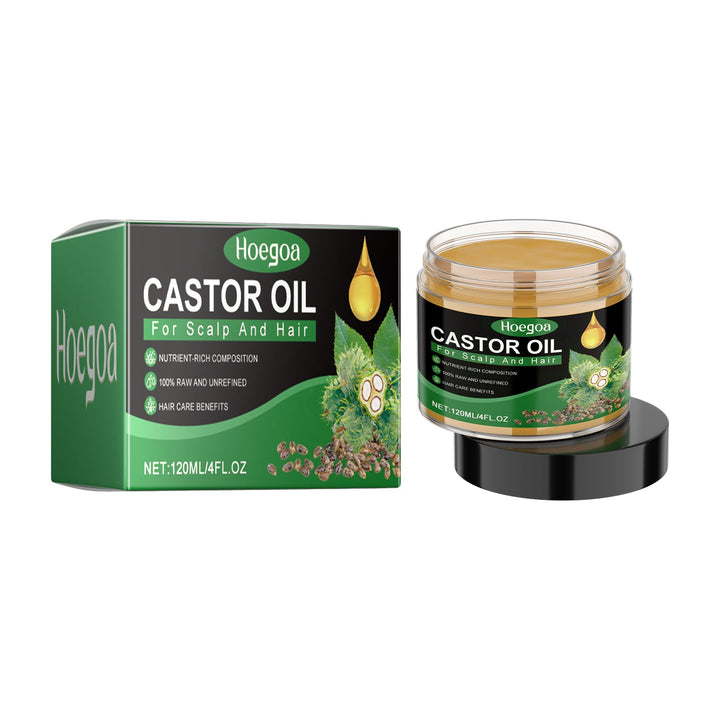


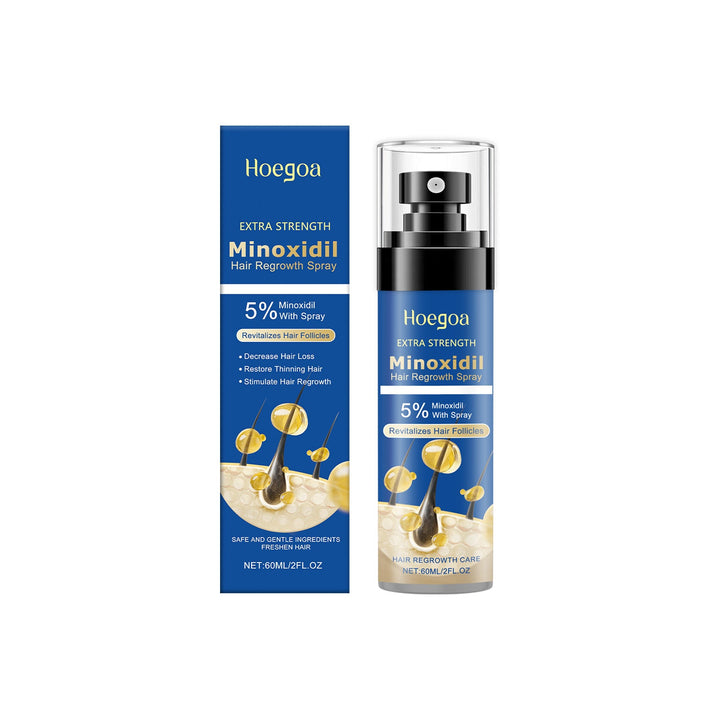

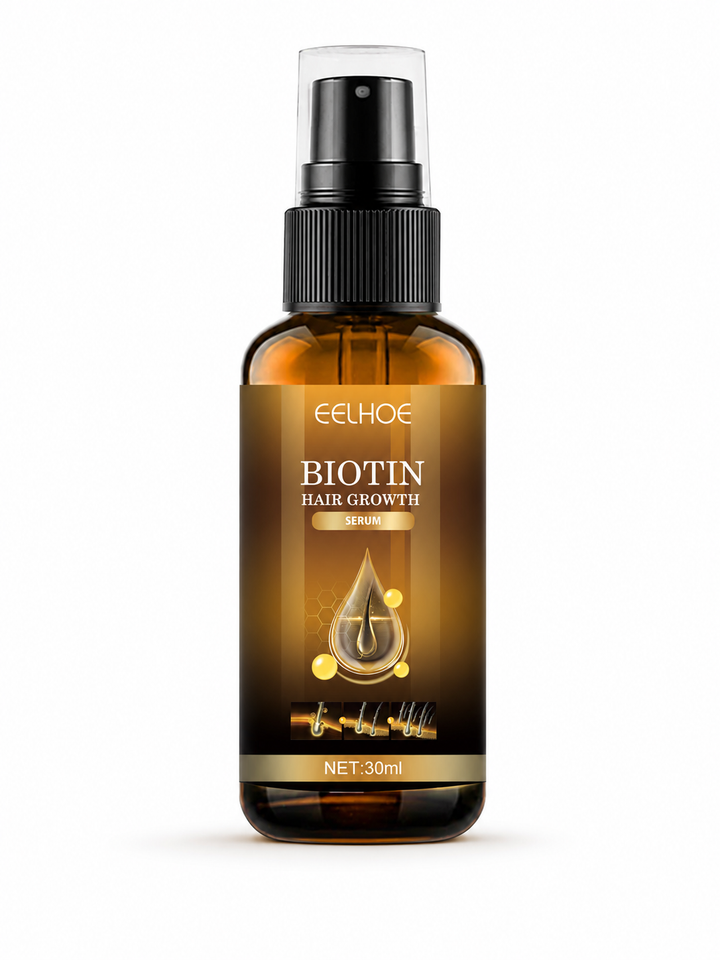


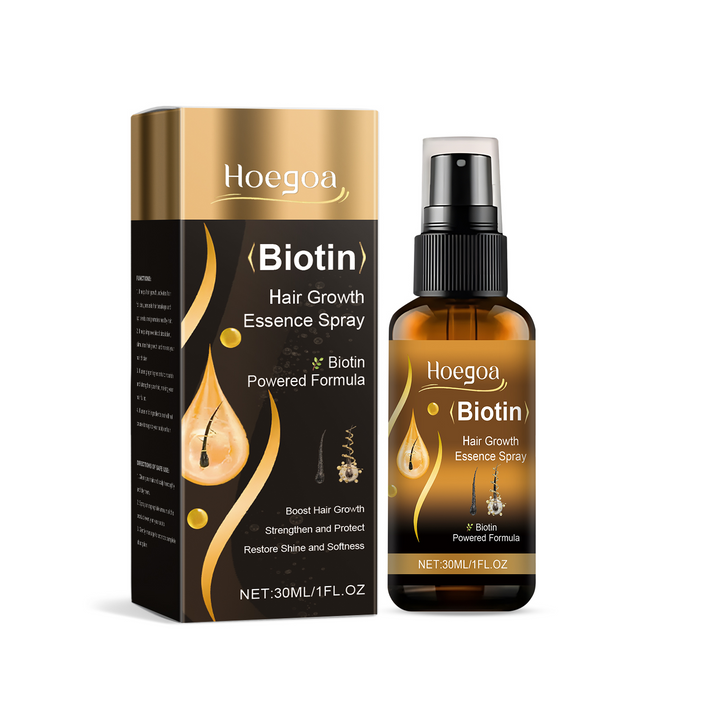


Find a hair treatment spray matched to your scalp, hair texture, and styling goals. This category includes leave-in scalp care, oil-based treatments, daily strengthening and shine sprays, and a 5% minoxidil option for shoppers looking for a product specifically labeled for thinning hair.
Start with your main concern: dry or itchy scalp, brittle lengths, lack of shine, or hair that looks less full. For scalp comfort, consider the Scalp Treatment Spray for Dry, Itchy Scalp Relief or the Green Ginger Hair Treatment Spray for Scalp Care. For dry, damaged ends, an oil treatment for hair such as Castor Oil Hair Treatment or Batana Oil Hair Treatment can provide a richer feel. If you want a lighter daily option, choose the Hair Growth Treatment Spray for Daily Shine & Strength or the Hair Treatment Spray for Softer, Fuller-Looking Hair. Shoppers focused on thinning hair may prefer the 5% Minoxidil Hair Regrowth Spray; follow its label directions and warnings carefully.
Hair treatment sprays vary by formula, target area, and finish. Scalp sprays are designed for direct application to the roots and scalp, while shine and softness sprays are generally used through the lengths. Oil treatments, including castor oil and batana oil formulas, suit hair that feels coarse, dry, or damaged but may feel heavy on fine hair. Rosemary and green ginger sprays are options for shoppers seeking botanical scalp-care routines. A daily treatment spray can be more convenient than a dry hair mask spray when you want leave-in care without a rinse step. The 5% Minoxidil Hair Regrowth Spray is a distinct product type, so use it only as directed on its packaging.
Look for a product that matches where dryness occurs. If your scalp feels dry or uncomfortable, choose a scalp-focused spray rather than coating the roots with a heavy oil. If the mid-lengths and ends feel rough, a richer castor oil or batana oil treatment may be a better fit. For fine or easily weighed-down hair, select a lightweight daily spray and start with a small amount. Check whether the product is intended for damp hair, dry hair, the scalp, or the lengths. A hydrating spray should also fit your routine: leave-in formulas are convenient after washing, while an oil treatment can work as a targeted pre-wash or finishing step when the label allows.
Read the product label first because application varies by formula. For a scalp treatment spray, part the hair, apply the recommended amount directly to the scalp, and massage gently if instructed. For shine, softness, or damaged-hair care, spray through damp or dry lengths as directed, concentrating on mid-lengths and ends rather than oversaturating the roots. Comb through to distribute the product evenly, then allow it to dry before styling if needed. Oil treatments may require fewer applications and can be placed mainly on dry ends. When using the 5% Minoxidil Hair Regrowth Spray, follow the package directions exactly and avoid applying more than directed.
Do not assume more product means better results. Overspraying can leave hair greasy, stiff, or weighed down, especially when using castor oil or batana oil formulas. Avoid applying a lengths-focused oil directly to an already oily scalp unless the label specifically recommends it. Do not use a scalp product on irritated or broken skin, and stop use if you experience unwanted irritation. Mixing several new treatments at once can make it difficult to identify which product suits you. Also avoid confusing styling hairspray with treatment spray: styling products are made for hold, while treatment products are intended for scalp care, moisture, softness, shine, or a fuller-looking appearance.
Hair treatment spray suits shoppers who want a targeted leave-in step without using a cream or rinse-out mask. It can be useful for dry ends, dull-looking hair, scalp dryness, or hair that appears less full, depending on the formula. Fine hair may benefit from a lightweight spray used sparingly, while thick, coarse, or very dry hair may prefer an oil-based treatment. People with a sensitive scalp should review the ingredient list and directions before use and patch-test when appropriate. If your goal is hair regrowth or treatment of a scalp condition, choose only products whose labels match that purpose and consult a qualified healthcare professional with questions about suitability.
No fruit can be relied on to stop hair fall. Fruits can be part of a varied diet, but hair shedding has many possible causes and a spray cannot replace professional advice when shedding is sudden, persistent, or concerning.
It depends on the type of spray and how it is used. Treatment sprays are designed for care, while styling sprays are designed for hold; either can feel drying, heavy, or irritating for some people when overused. Follow the label, avoid oversaturating, and select a formula suited to your scalp and hair texture.
There is no single best option for every hair type. For dry, damaged lengths, a castor oil or batana oil treatment may suit shoppers who prefer richer care, while a lighter leave-in spray may work better for fine hair. Apply mainly to the lengths and ends, and follow the product directions.
Choose according to where you need hydration. The Scalp Treatment Spray for Dry, Itchy Scalp Relief is intended for scalp-focused care, while the Hair Treatment Spray for Softer, Fuller-Looking Hair and daily shine treatments are options for leave-in care through the hair. Check the label for the recommended application area.
The best choice depends on texture and finish. Fine hair often suits a lightweight spray used sparingly, while coarse or very dry hair may prefer a richer oil treatment. Compare the intended use, application instructions, and whether the product is designed for the scalp or hair lengths.
Use a leave-in treatment or oil formula on damp or dry lengths according to the label, concentrating on the mid-lengths and ends. Start with a small amount, distribute it evenly, and reduce use if hair feels greasy or weighed down. Limit harsh heat and handling, and seek professional advice if dryness is accompanied by scalp symptoms or significant hair changes.