
$64.90
Free delivery · 7–14 days
Rice Toner for Deeply Hydrated, Firmer Skin Barrier


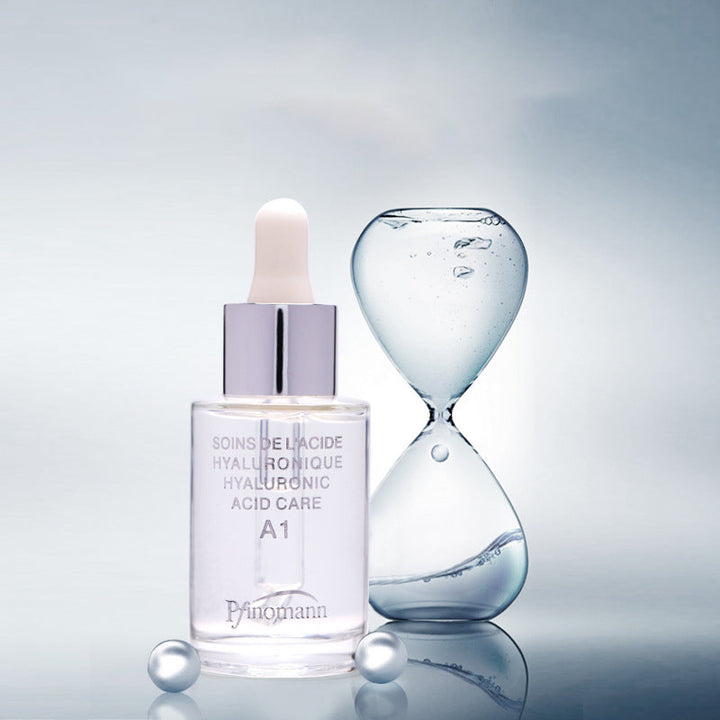
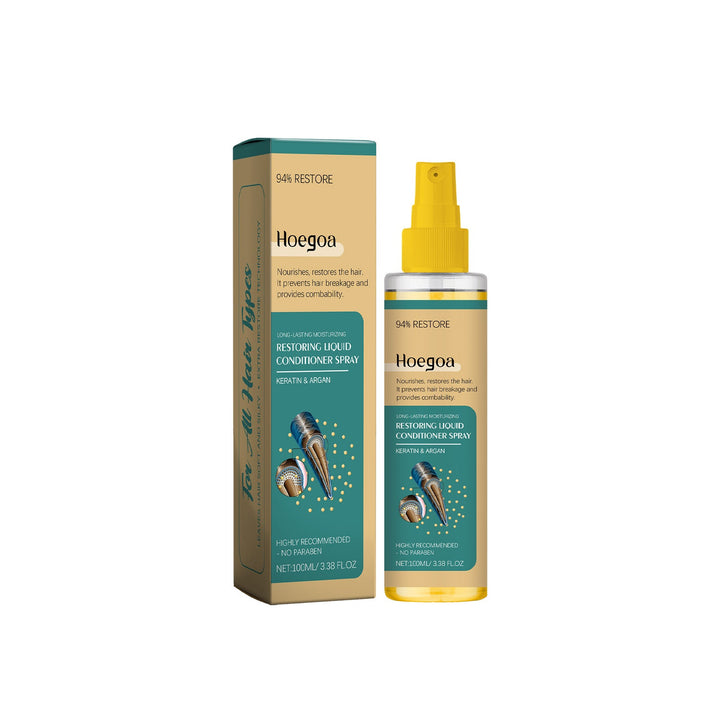


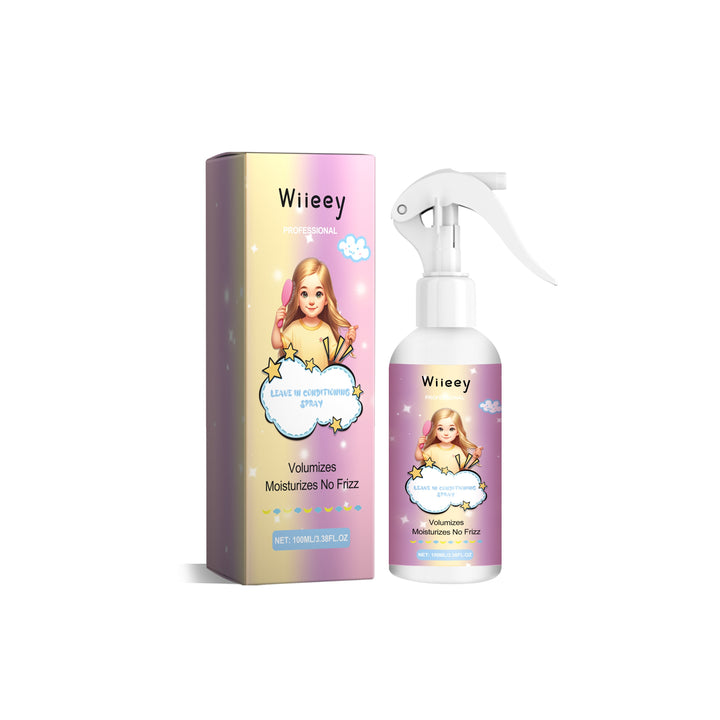


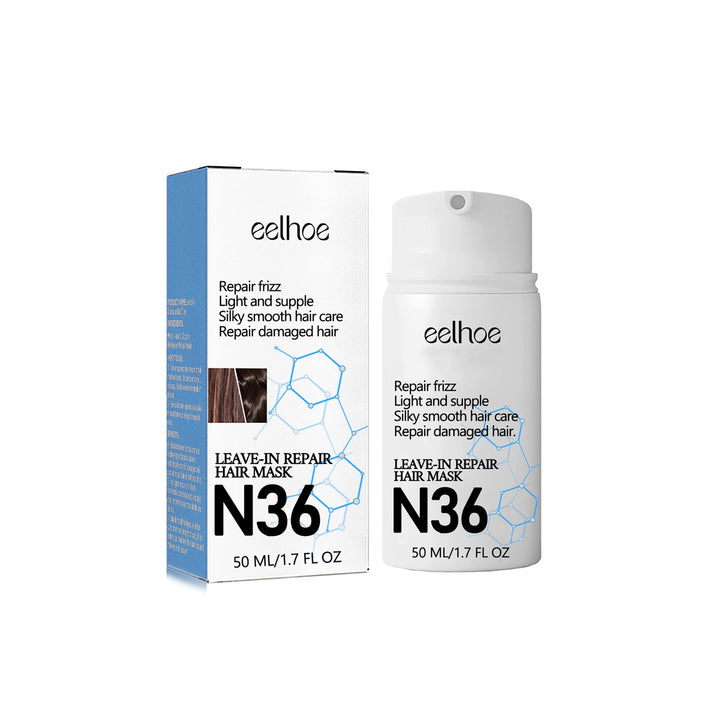


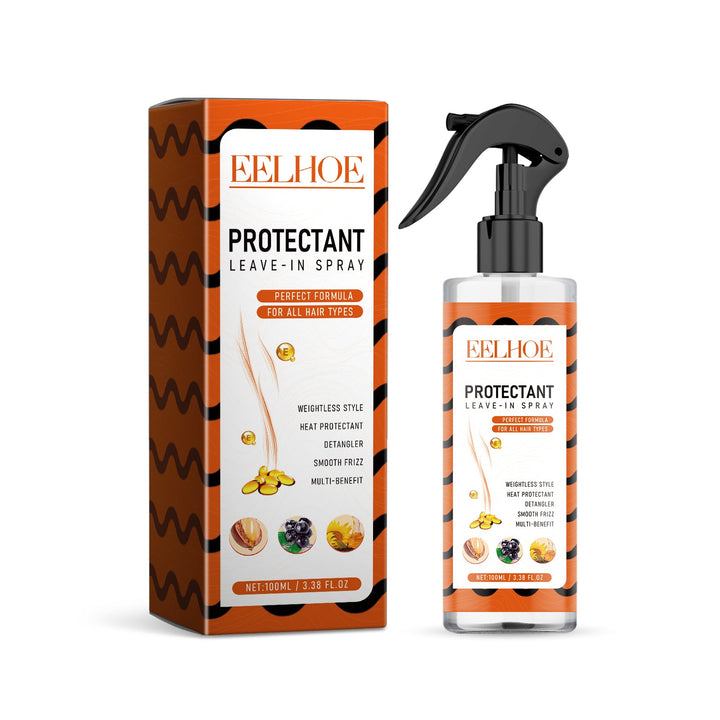


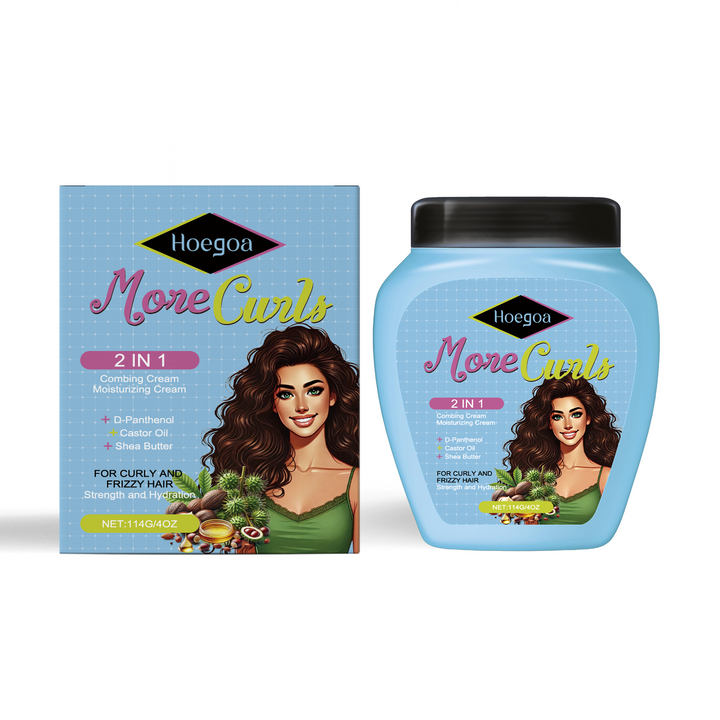


Leave-in treatments help condition, soften, smooth, refresh, or protect hair without rinsing. This category includes moisturizing conditioners, repair sprays, heat-protective masks, hair powders, and dry shampoo sprays, so the best choice depends on your hair's needs and how you style it.
Start with your main hair concern rather than choosing by the word “leave-in” alone. For dry, rough, or damaged-looking lengths, choose a leave-in conditioner, repair spray, or argan hair spray to add softness, shine, and easier detangling. For frizz and heat styling, a leave-in hair mask is a practical option. Curly hair often benefits from a moisturizing formula that supports definition without making curls feel stiff. If your roots look oily or flat, choose a leave-in hair powder or dry shampoo spray instead of a rich conditioner. Fine hair may prefer a lightweight spray, while thick or coarse hair can usually handle a more conditioning product. Consider whether you want hydration, gloss, volume, refreshment, or styling support before comparing formulas.
Leave-in products serve different purposes. Leave-In Conditioner for Dry Hair Repair and Shine is designed for dry lengths that need softness and a smoother finish. Leave-In Hair Repair Spray and Leave-In Hair Spray Conditioner offer a lighter way to improve manageability, frizz control, and gloss. Argan Leave-In Hair Spray focuses on a smooth, shiny appearance. A Leave-In Hair Mask is better suited to hair that needs richer conditioning and heat-styling support. For oily roots, Leave-In Hair Powder and Leave-In Dry Shampoo Spray absorb excess oil and add fresh-looking volume without rinsing. These are not interchangeable: conditioning products are mainly for the lengths, while powders and dry shampoo sprays are mainly for the scalp and roots.
Check the product format, intended area, and finish. Sprays are easy to distribute through damp or dry lengths and are useful when you want lightweight conditioning. Creamier treatments can suit thicker, drier hair but may feel heavy if applied too close to the roots. For a leave-in treatment for damaged hair, look for wording such as smoothing, repair, conditioning, shine, or protection, while remembering that cosmetic products improve the hair’s feel and appearance rather than permanently restoring it. If you want volume, choose a powder or dry shampoo spray labeled for oil control or fresh texture. If you color your hair, follow the product directions and choose a formula intended to maintain a clean, glossy appearance without adding unwanted buildup.
Apply conditioning sprays, masks, and creams mainly from the mid-lengths to the ends, where hair is usually drier. Begin with a small amount on clean, towel-dried hair, comb or distribute it through the strands, and add more only if needed. A leave-in treatment can also be used on dry hair to smooth flyaways, refresh ends, or add shine, but use a lighter amount to avoid a coated feel. Apply heat-protective products before using hot tools and follow the label for any specific instructions. Use hair powder or dry shampoo spray at the roots, allow it to settle as directed, then massage or brush through. Avoid spraying large amounts in one area, and keep dry formulas away from the eyes.
The most common mistake is applying a rich conditioner or hair mask to the scalp when the product is intended for the lengths. This can make roots look flat or oily. Another is using too much: excess product may leave hair heavy, sticky, or dull, especially when layering a conditioner with oil, styling cream, or dry shampoo. Do not use a root-refreshing powder as a substitute for a moisturizing conditioner on dry ends. Avoid spraying close to the eyes and follow the package directions for heat protection rather than assuming every leave-in product provides it. If hair feels coated, reduce the amount, concentrate application on the ends, and use a suitable cleansing routine. Adjust frequency based on your hair’s feel and styling habits.
Leave-in treatments can suit many hair types when the formula matches the concern. Dry, coarse, curly, or frizz-prone hair may benefit from a moisturizing conditioner, repair spray, argan spray, or hair mask applied through the lengths. Fine or easily weighed-down hair may prefer a lightweight leave-in spray used sparingly. People who heat-style can choose a leave-in mask or another product specifically described for heat protection. Oily hair or hair between washes may be better suited to leave-in powder or dry shampoo spray at the roots, while the ends can receive a separate light conditioner. If you want a polished finish, choose a spray conditioner or gloss-focused formula. There is no single best leave-in treatment; the right option depends on texture, dryness, oil level, and desired finish.
A leave-in treatment is a hair product applied after washing or between washes and left in rather than rinsed out. Depending on the formula, it can condition, smooth, add shine, support frizz control, refresh roots, or add volume.
The best option depends on your hair and goal. Choose a moisturizing conditioner, repair spray, or argan spray for dry lengths; a hair mask for richer conditioning and heat-styling support; or a powder or dry shampoo spray for oily roots and fresh-looking volume.
Yes, many leave-in sprays and conditioners can be used on dry hair to smooth ends, refresh shine, or control flyaways. Apply a small amount to the lengths and ends, and check the product directions before using it on the scalp or with heat tools.
A suitable leave-in treatment can make hair feel softer, smoother, and easier to manage while improving its appearance. The result depends on using the right formula and amount for your texture; too much product can leave hair heavy or coated.
Using too much or choosing a formula that is too rich can make hair feel greasy, flat, sticky, or weighed down. Applying conditioner near oily roots may reduce volume, so concentrate moisturizing products on the mid-lengths and ends and choose a root-refreshing formula when needed.
Use a leave-in conditioner or spray whenever your hair needs extra softness, manageability, or shine, following the product directions. Root powders and dry shampoo sprays are best used as needed for oil control, while buildup or a heavy feel is a sign to reduce the amount or frequency.