Hair Treatment for Damaged Hair | Bond Repair & Restoration
10 items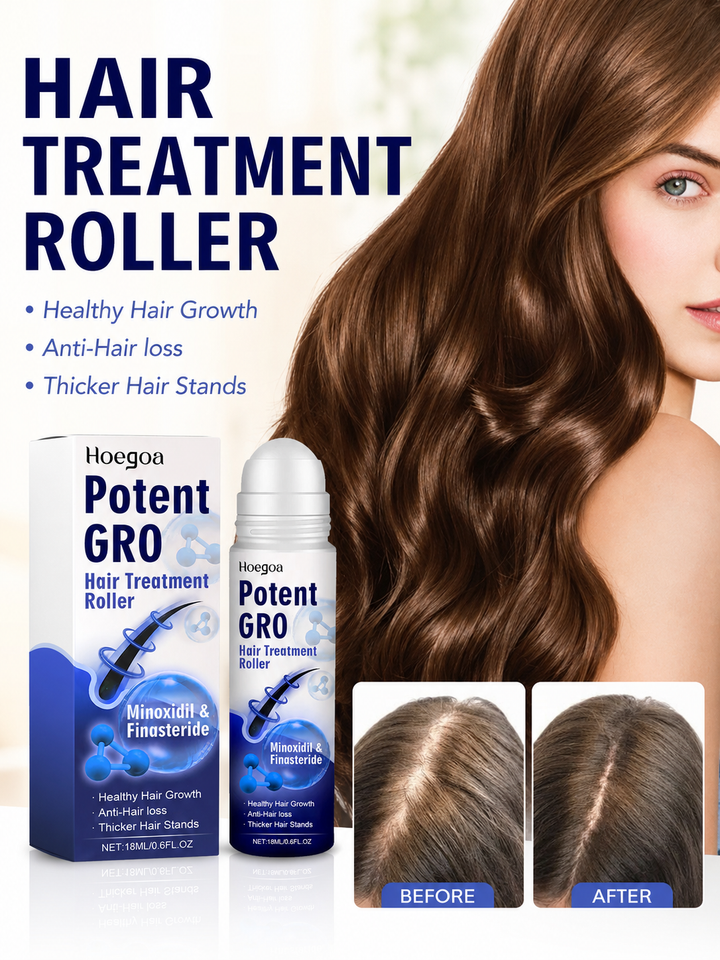
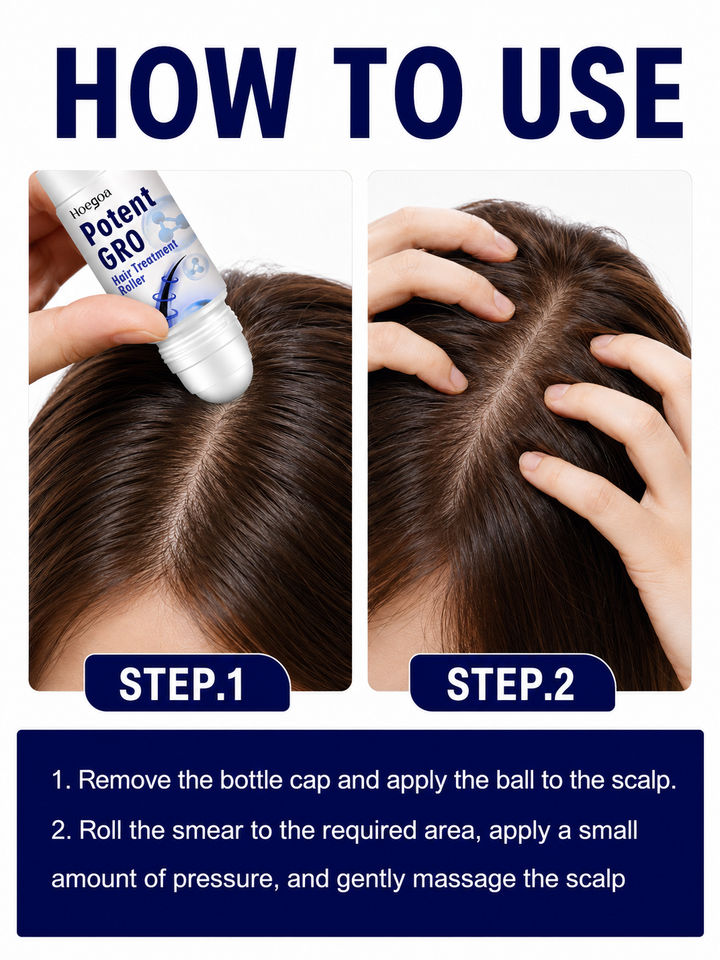
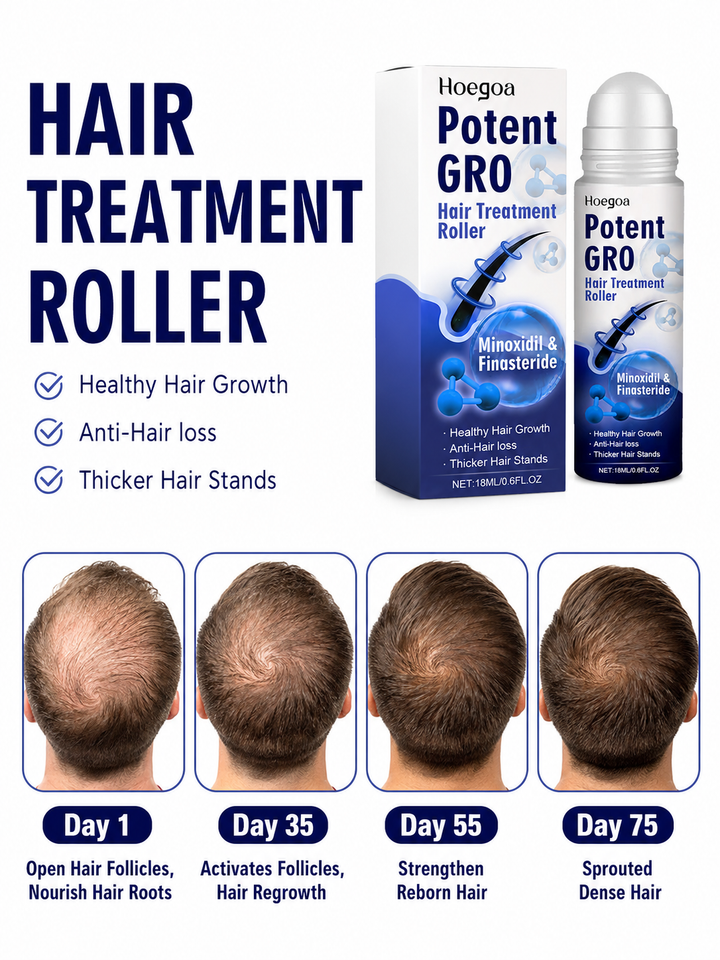

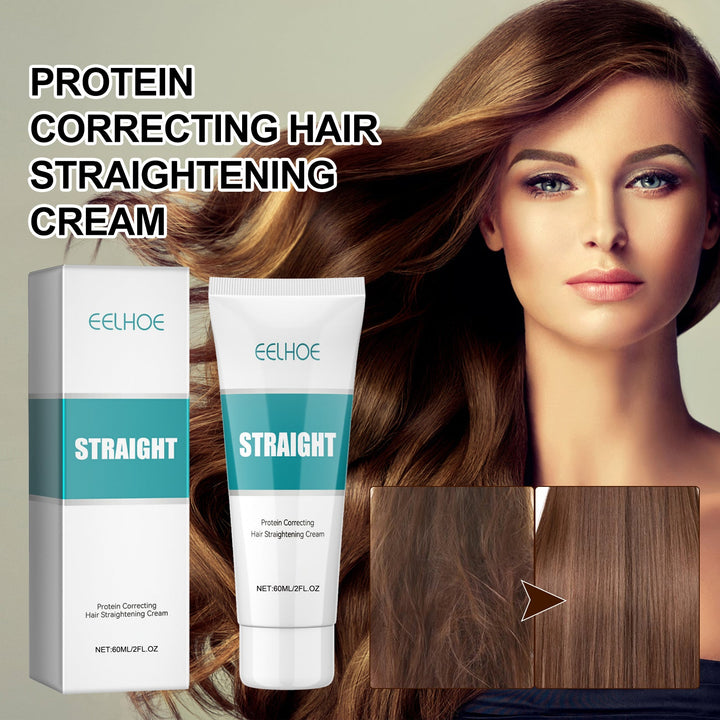
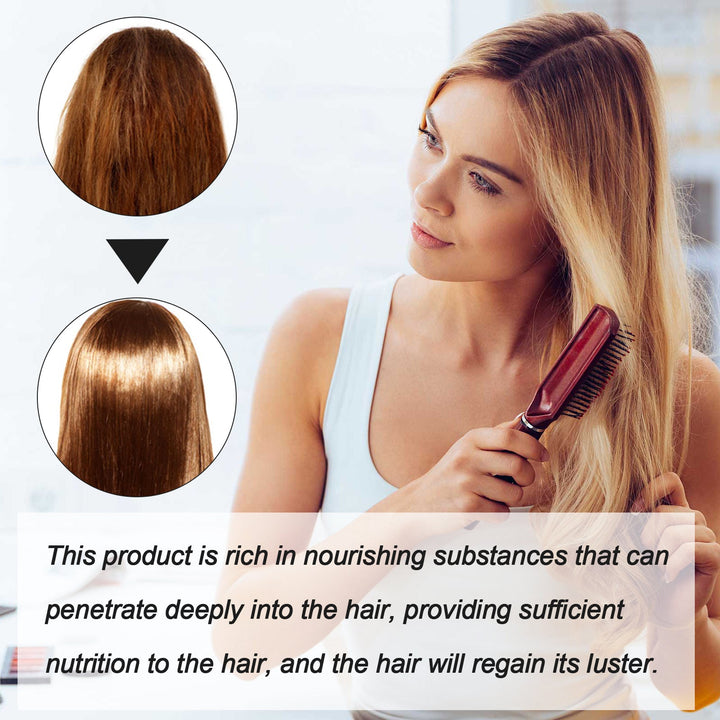

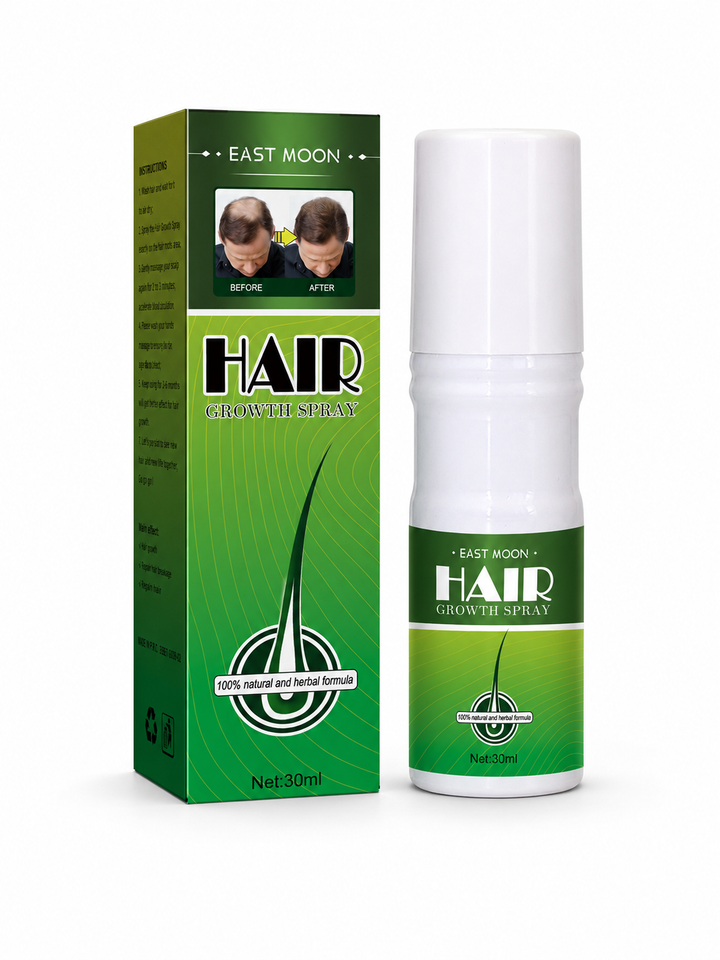
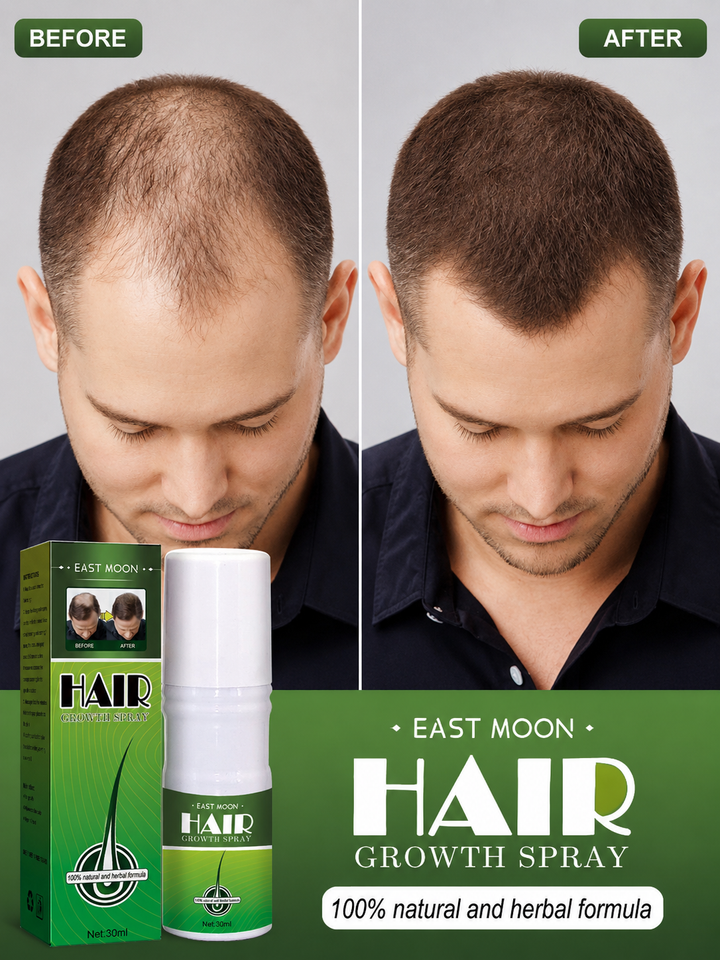
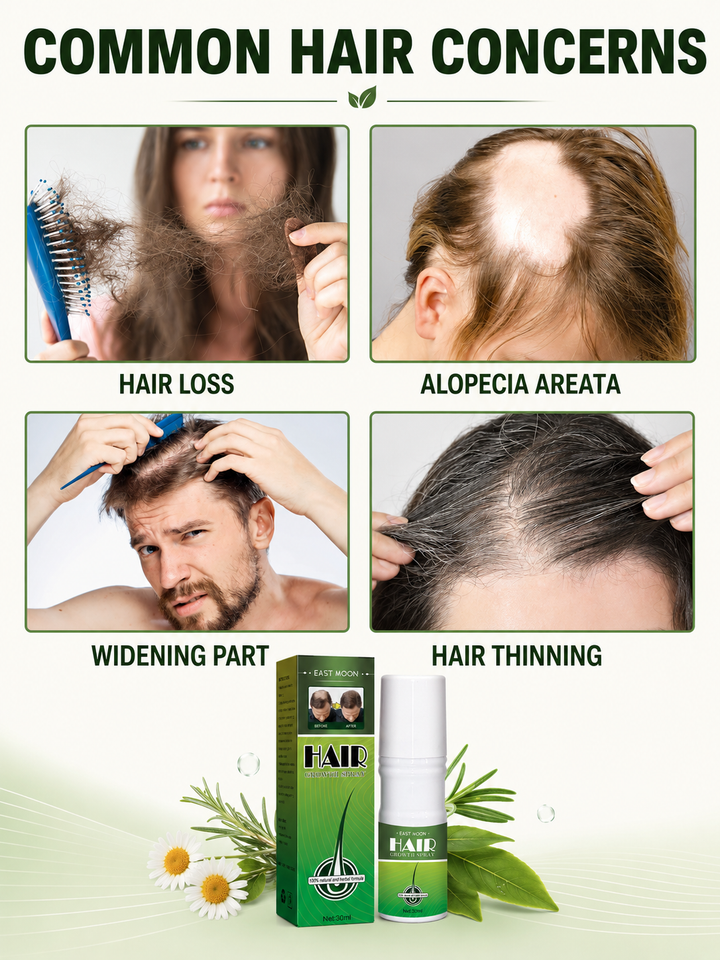
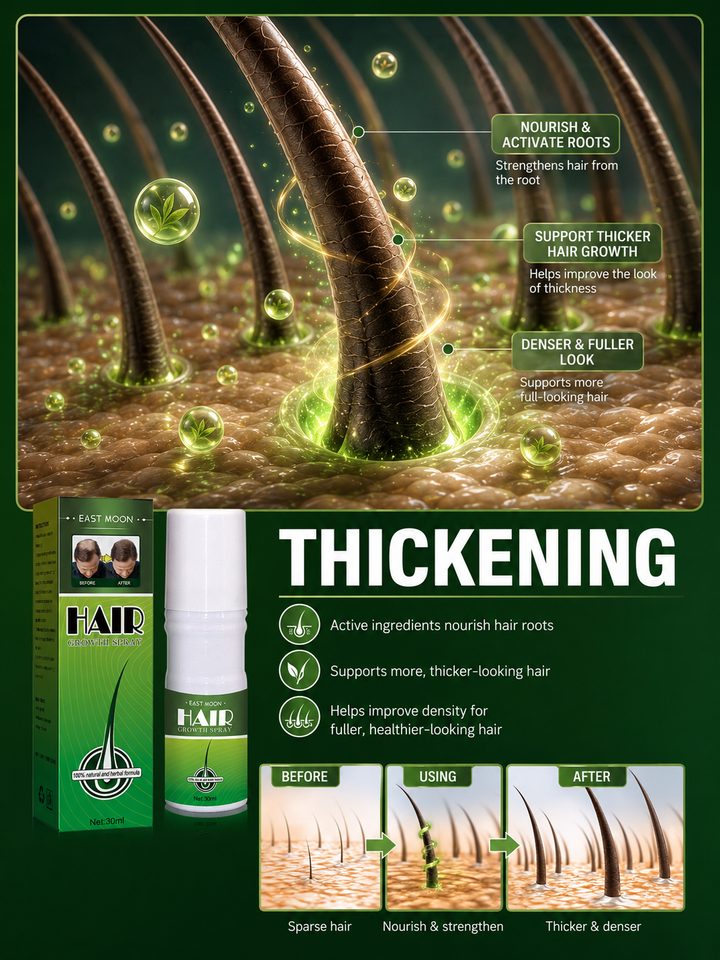

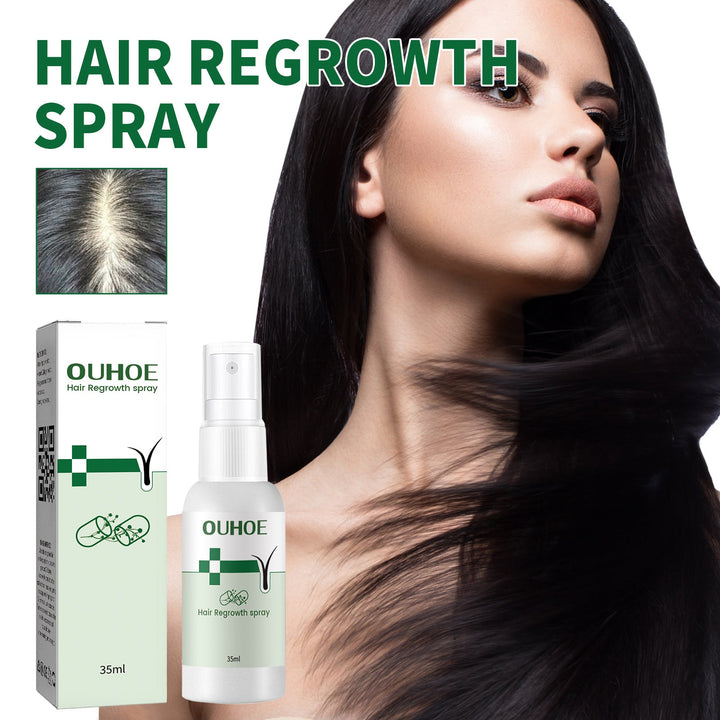
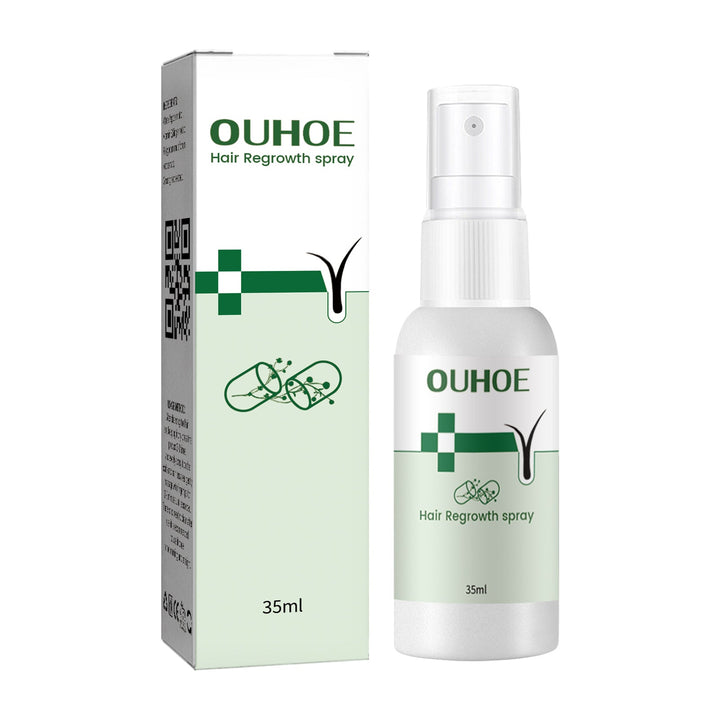
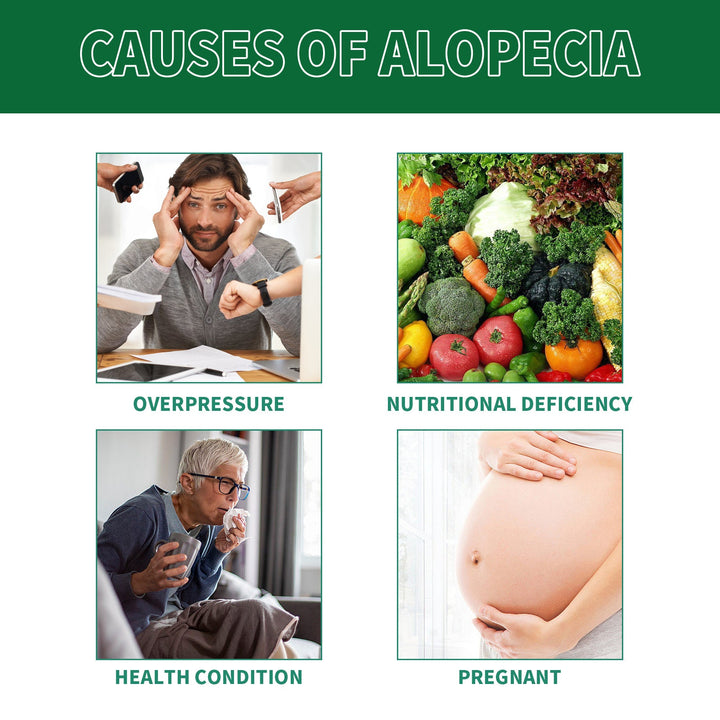

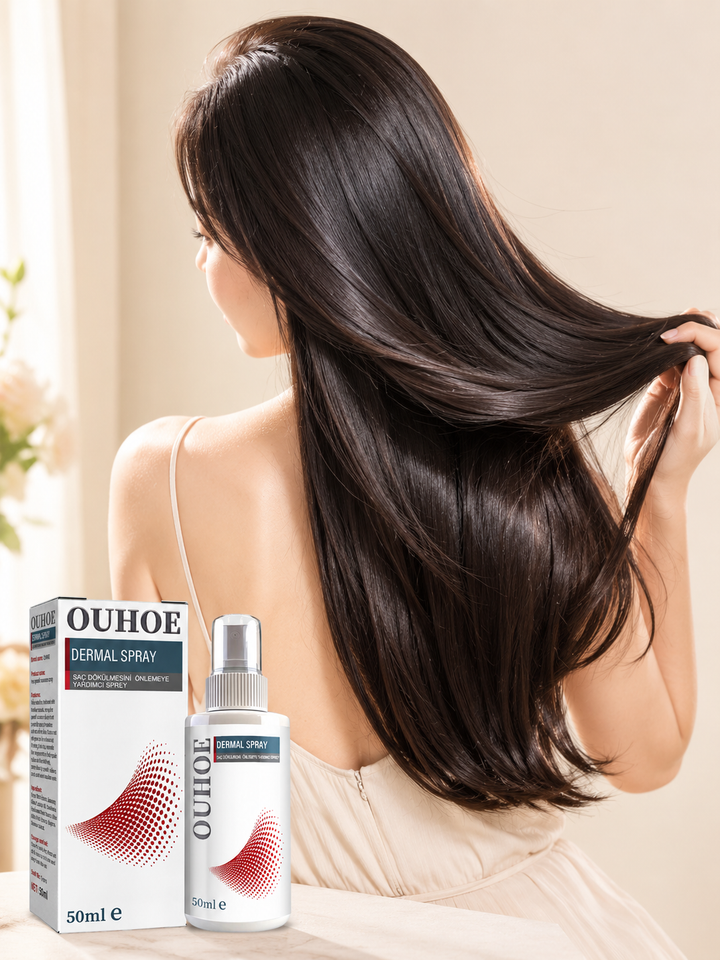
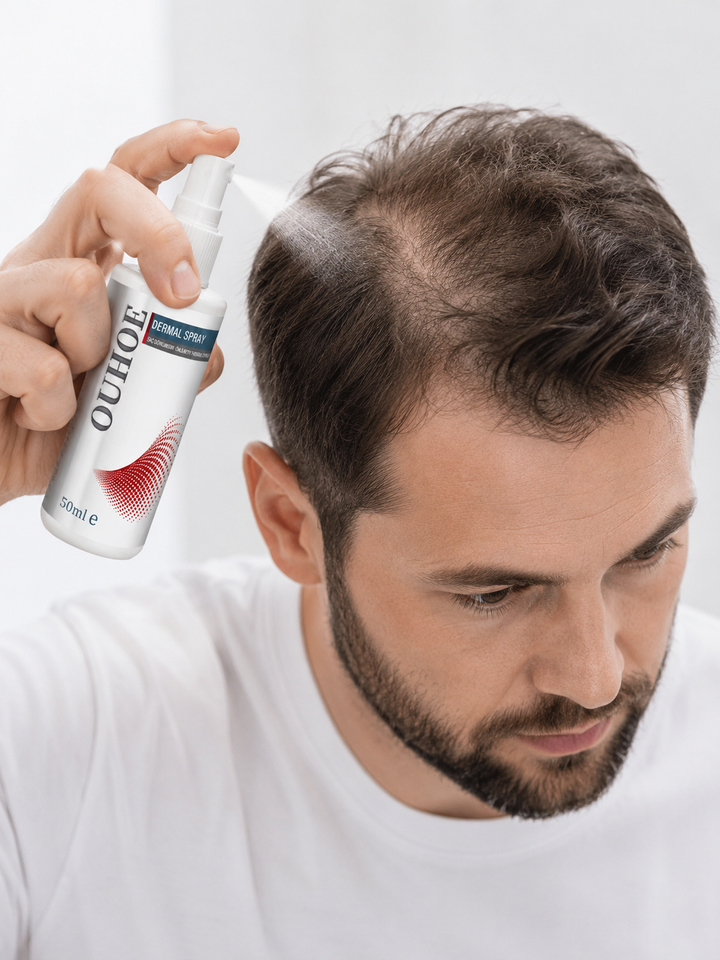
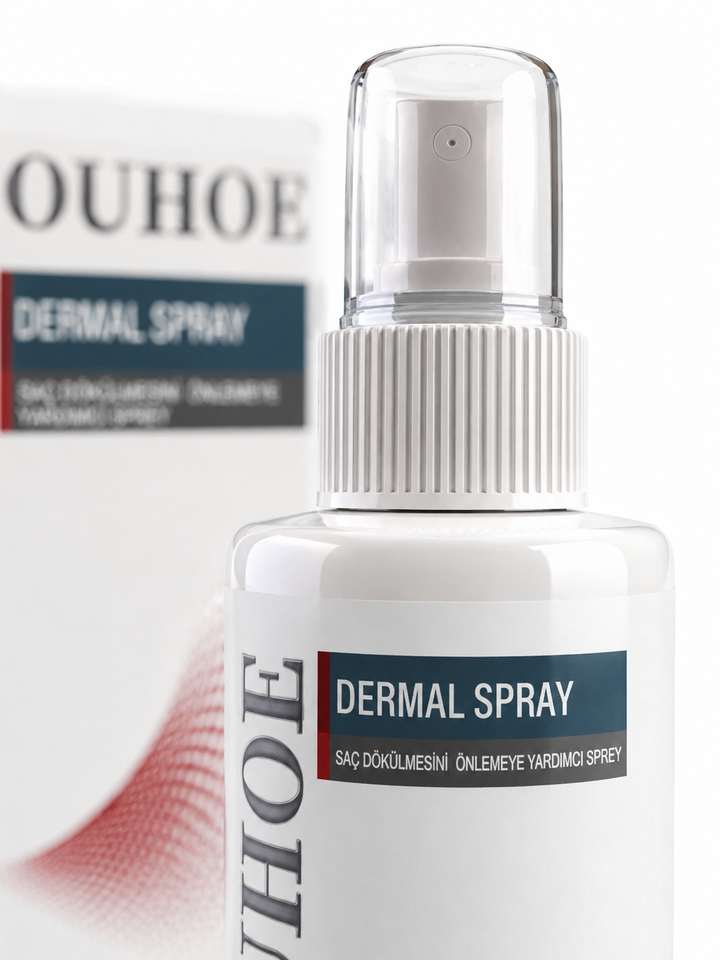

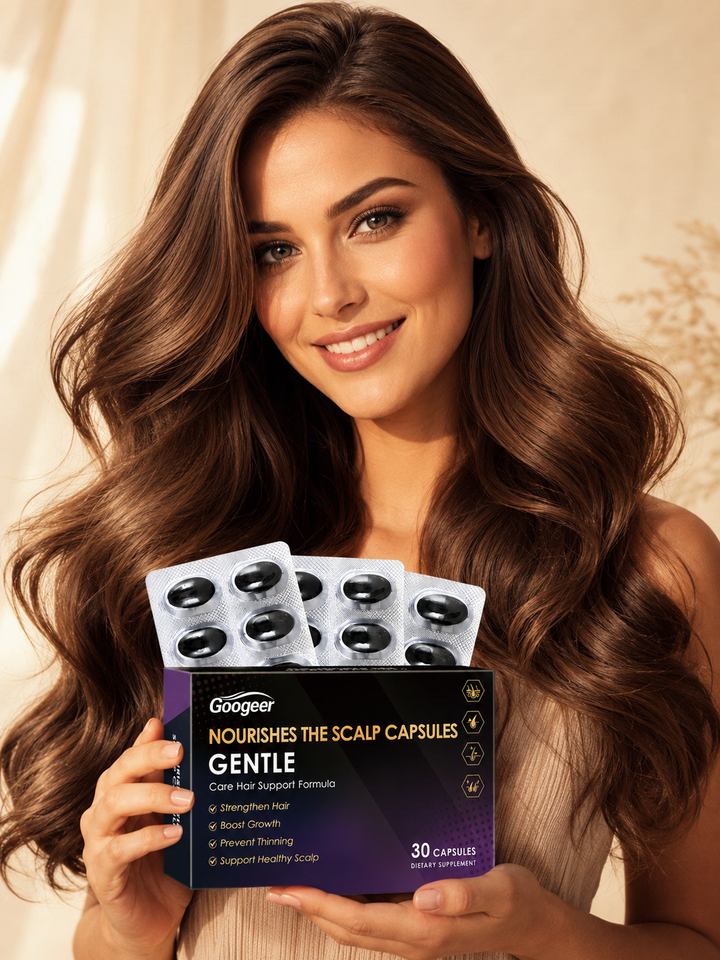
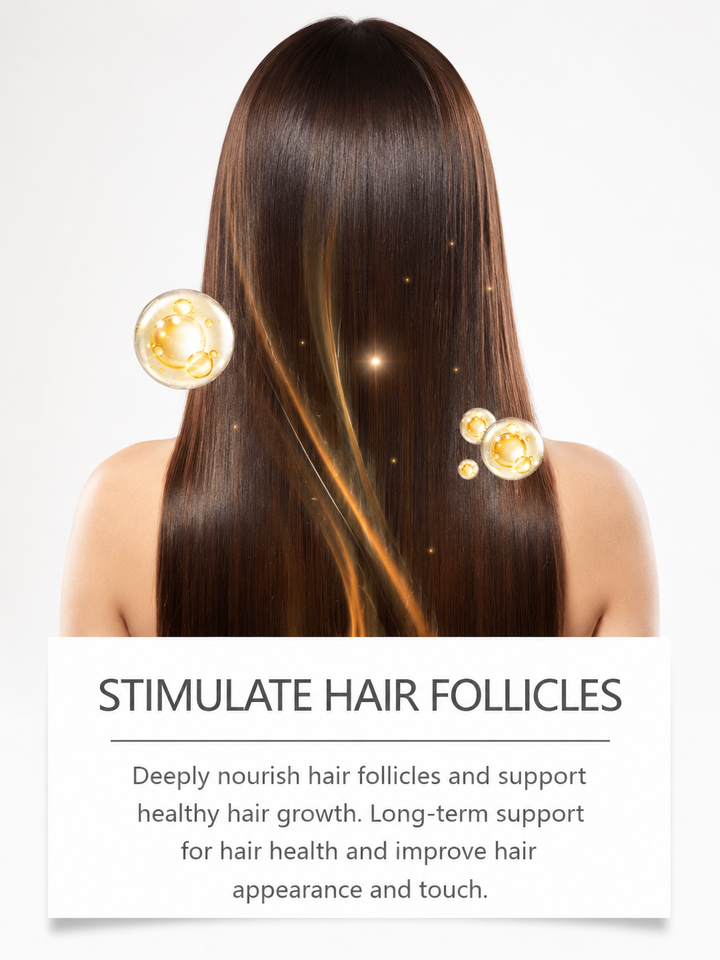
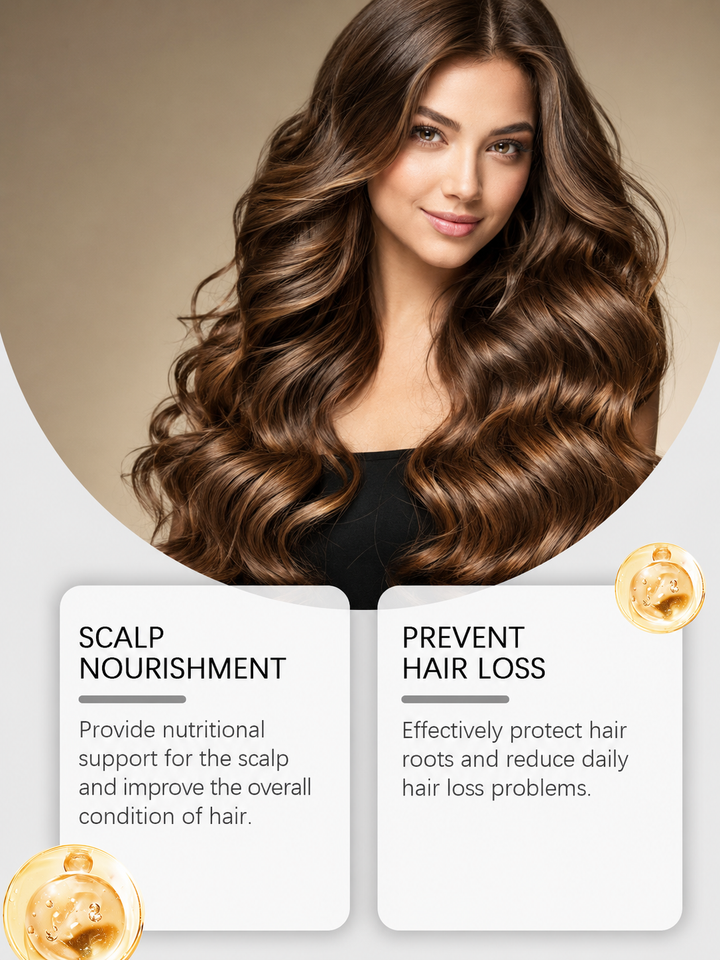

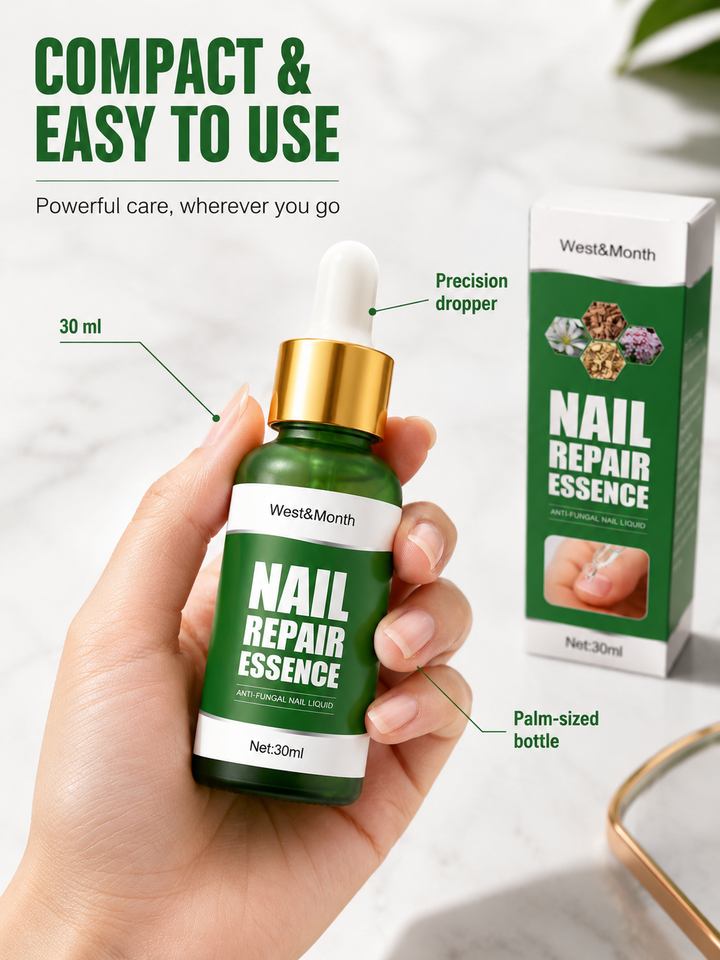


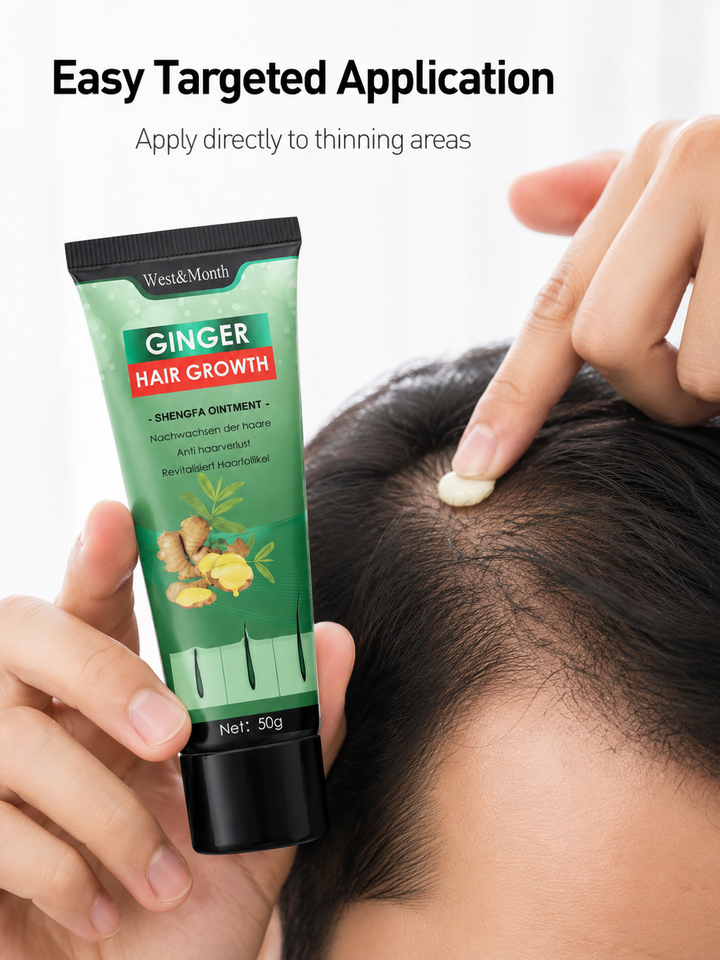

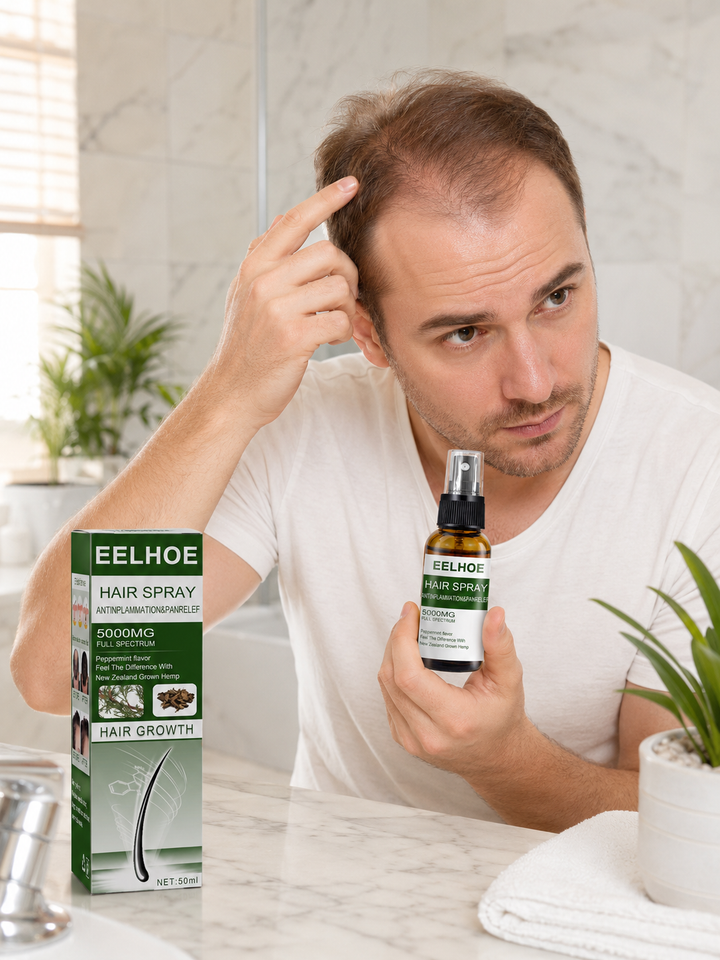
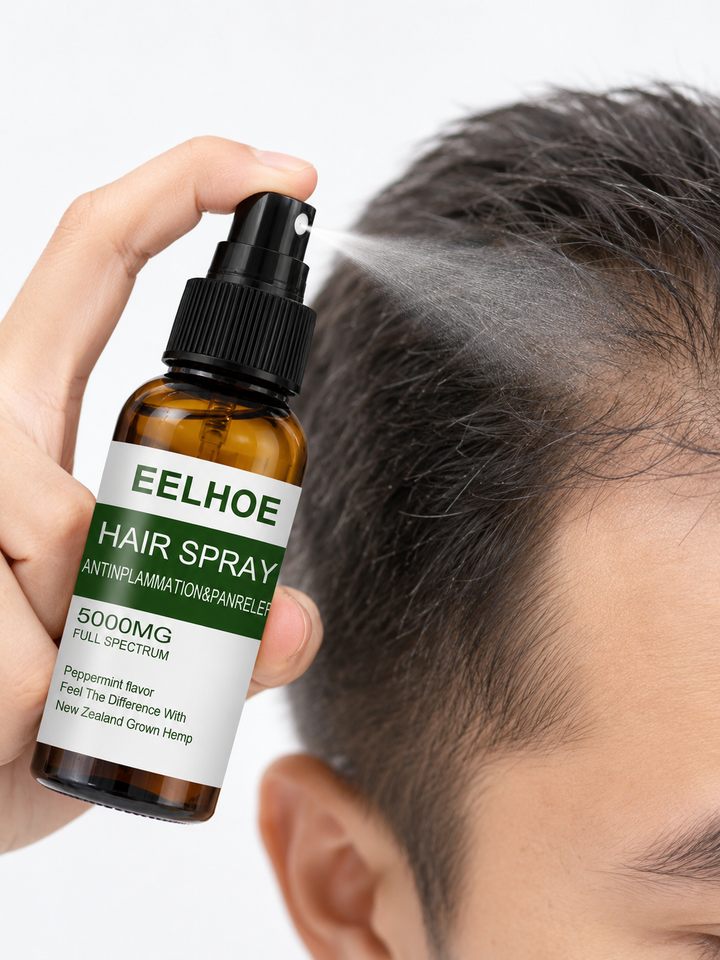

Find a hair treatment for damaged hair by matching the product to the problem: dry, brittle lengths need conditioning and smoothing, while thinning or shedding concerns call for a scalp-focused product. This category includes bond-repair-style care, protein smoothing products, growth-oriented sprays and supplements, so check the intended use before buying.
How to choose the best hair treatment for damaged hair
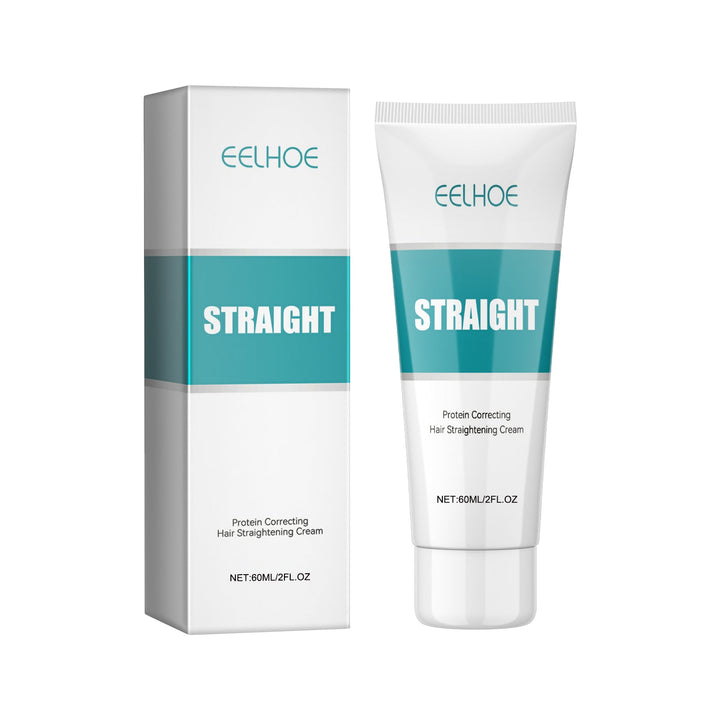
Start by identifying where the damage appears. If your hair feels rough, straw-like, tangled or weak through the lengths, choose a product designed for conditioning, smoothing or protein support, such as the Protein Hair Straightening Cream. If your main concern is visible thinning or a sparse-looking scalp, review scalp and density products including the Hair Treatment Spray, Hair Regrowth Spray, Hair Essence Spray or Ginger Hair Growth Ointment. A supplement such as Googeer Nourishing Scalp Growth Supplement Capsule is a different format and should be checked for ingredients, directions and suitability. For severe breakage, trim split ends and combine gentle washing with regular conditioning rather than relying on one product alone.
What types of treatment for damaged hair are available?
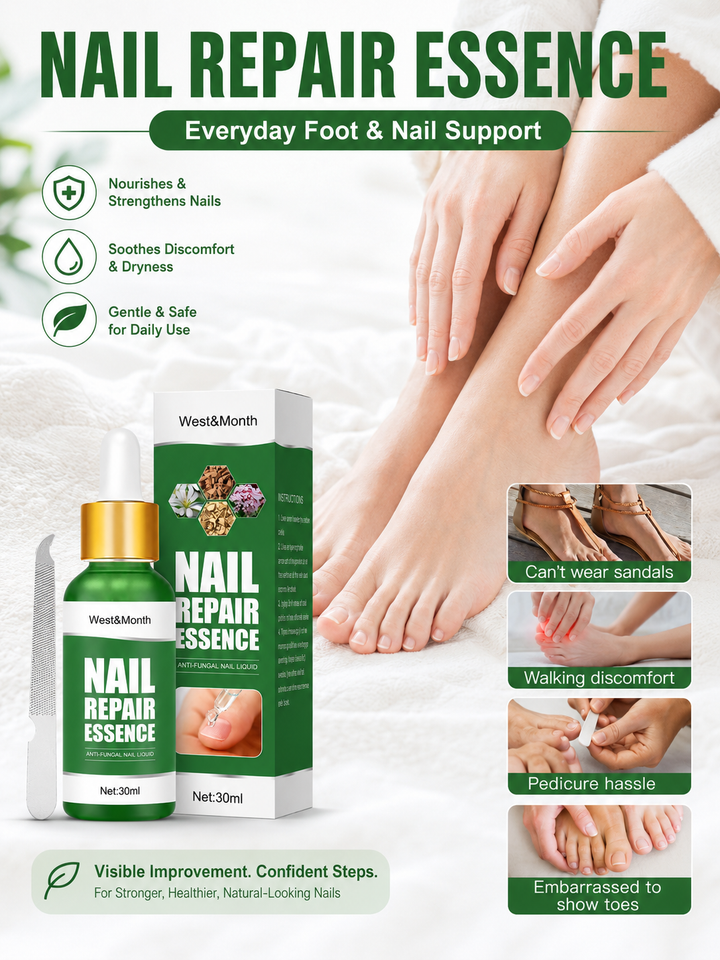
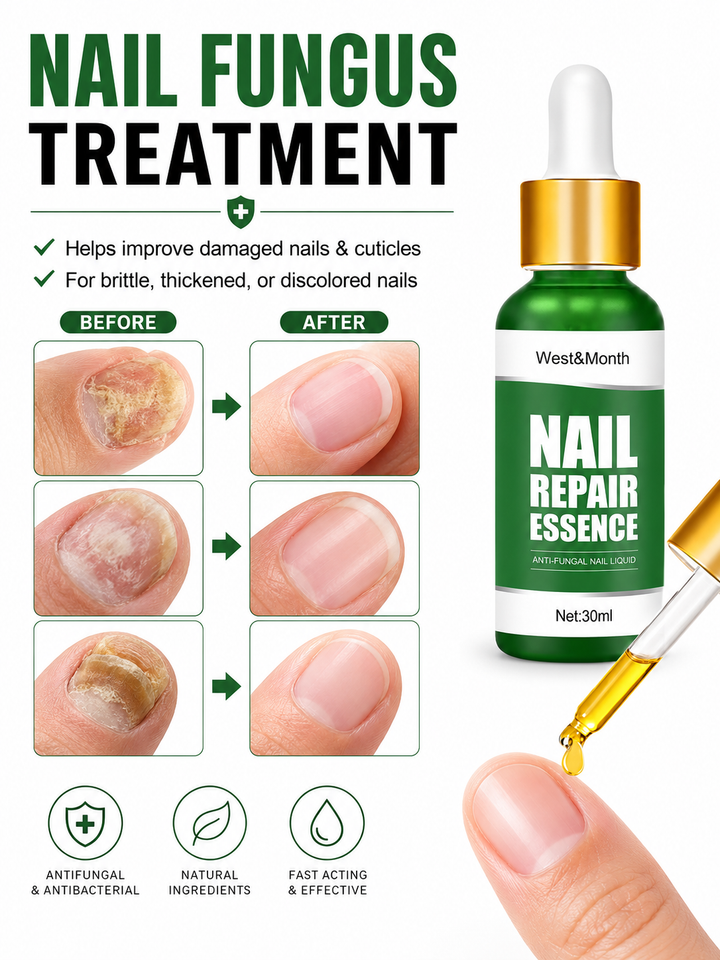
Smoothing creams are applied to the hair shaft and can help hair look more manageable, but they are not the same as a repair treatment for the scalp. Hair essence and treatment sprays are convenient leave-in options for targeted application, depending on the product directions. Growth rollers, regrowth sprays, ginger ointment and scalp supplements are intended for density or scalp-focused routines, not for repairing split ends or bleached lengths. The Nail Repair Essence is for damaged nails and should not be used on hair. Compare formats, application areas and stated purposes before ordering. If you are searching for the best salon treatment for damaged hair, take a product label or ingredient list to a qualified stylist for personalised guidance.
What to look for in a treatment for very damaged hair
For very damaged hair, look for clear instructions covering hair type, application area, processing time and frequency. A protein-based smoothing cream may suit hair that needs a sleeker finish, but use it only as directed and avoid applying it to the scalp unless the label specifically says it is suitable. Leave-in sprays can be useful when you want a lighter routine, while a richer conditioner or mask may be more comfortable for dry lengths. Check whether the product is intended for coloured, chemically treated or heat-styled hair. Avoid choosing a scalp growth product solely because the word “repair” appears in its name; it may be designed for follicles or density rather than brittle ends.
How to use hair treatment for damaged hair at home
Read the product directions before applying anything, because a smoothing cream, scalp spray, roller and supplement each require a different routine. For a lengths-focused product, distribute it evenly through clean, towel-dried or dry hair as instructed, concentrating on mid-lengths and ends when the label permits. For scalp products, part the hair and apply only to the stated areas, keeping the product away from eyes and irritated skin. Use a small amount first, avoid combining several new treatments on the same day, and perform any recommended patch test. Reduce heat styling, detangle gently from the ends upward and rinse products fully when directed. Stop using a product if irritation occurs.
Common mistakes when treating damaged hair
One common mistake is confusing cosmetic smoothing with restoration of already split or broken hair. Products can improve feel and appearance, but they cannot fuse a split end back together; trimming may be needed. Another mistake is applying scalp-focused products to the lengths or using a nail treatment on hair. Overusing protein or chemical smoothing products can leave some hair feeling stiff, so follow the stated frequency and alternate with suitable conditioning care if needed. Do not layer minoxidil- or finasteride-containing products with other scalp treatments without checking the label and professional advice. Finally, do not judge a routine after one use: track texture, breakage and comfort while following directions consistently.
Who is each damaged-hair treatment best suited to?
Choose a smoothing cream if your priority is a sleeker, more manageable finish on the lengths. Choose a treatment or regrowth spray, essence, ointment or roller if your concern is the appearance of thinning hair or the scalp, and review the specific active ingredients and warnings before use. A scalp supplement may suit shoppers who prefer capsules, but it should not replace care for dry or broken ends. If your hair is bleached, relaxed, permanently straightened or repeatedly heat-styled, a stylist can help assess the damage and recommend a salon treatment or home routine. Shoppers looking for a hair treatment damaged hair routine should select by symptom and application area, not by product name alone.
Frequently asked questions
What is the best treatment for damaged hair?
The best option depends on whether the issue is dry, brittle lengths or thinning at the scalp. For rough or hard-to-manage lengths, consider conditioning and smoothing care such as the Protein Hair Straightening Cream, used exactly as directed. For visible thinning, compare the scalp-focused sprays, essence, roller, ointment and supplement instead.
What hair treatment is best for very damaged hair?
Very damaged hair usually benefits from gentle handling, regular conditioning, reduced heat and removal of split ends. A protein or smoothing product may improve the feel and appearance of the lengths, but choose one that matches your hair type and chemical history. For extensive breakage, ask a qualified stylist to assess your hair before using an intensive salon or home treatment.
How can I repair badly damaged hair?
You cannot permanently rejoin a split or broken strand, but you can improve manageability and reduce further stress. Trim severely split ends, use a suitable conditioner or smoothing treatment, detangle gently and limit high heat and repeated chemical processing. Select scalp products separately if thinning is also a concern.
How can I repair my damaged hair?
Build a simple routine around gentle cleansing, conditioning and a product intended for the damaged area. Apply lengths treatments only as directed and avoid using scalp or nail products on the hair shaft. Introduce one new product at a time so you can monitor the texture and any signs of irritation.
How to fix hair that feels like straw?
Hair that feels like straw may need more conditioning and less heat or chemical exposure. Use a suitable leave-in or smoothing product on the lengths, avoid rough towel drying and detangle from the ends upward. If the texture remains harsh or breakage is increasing, consider a trim and professional assessment.
Will damaged hair ever go back to normal?
Hair that has already grown out of the scalp cannot be biologically restored to its original condition, but its feel and appearance can often be improved with conditioning, smoothing and careful handling. New growth can be protected by reducing heat, friction and harsh processing. Persistent breakage, scalp discomfort or sudden changes should be discussed with a qualified healthcare professional.