$64.90
Free delivery · 7–14 days
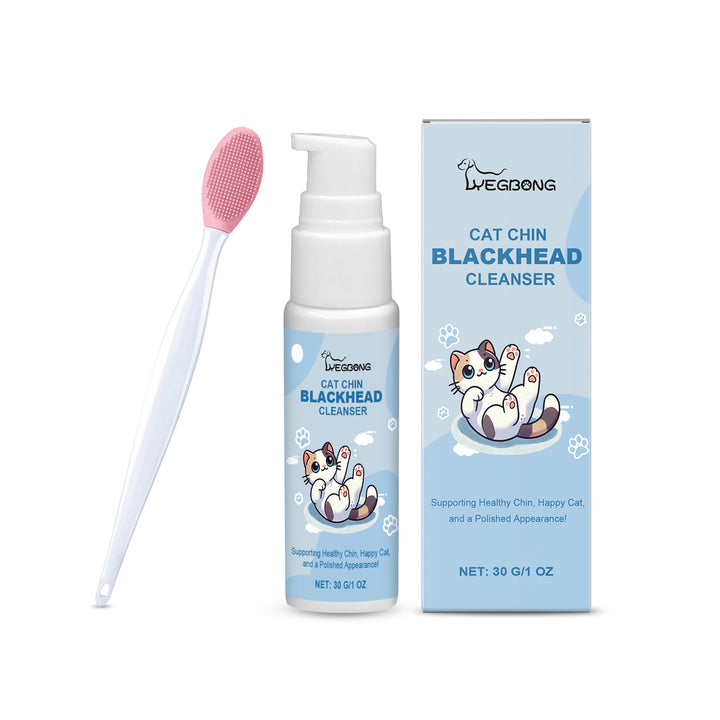
Pet Chin Cleanser Set for Gentle At-Home Grooming
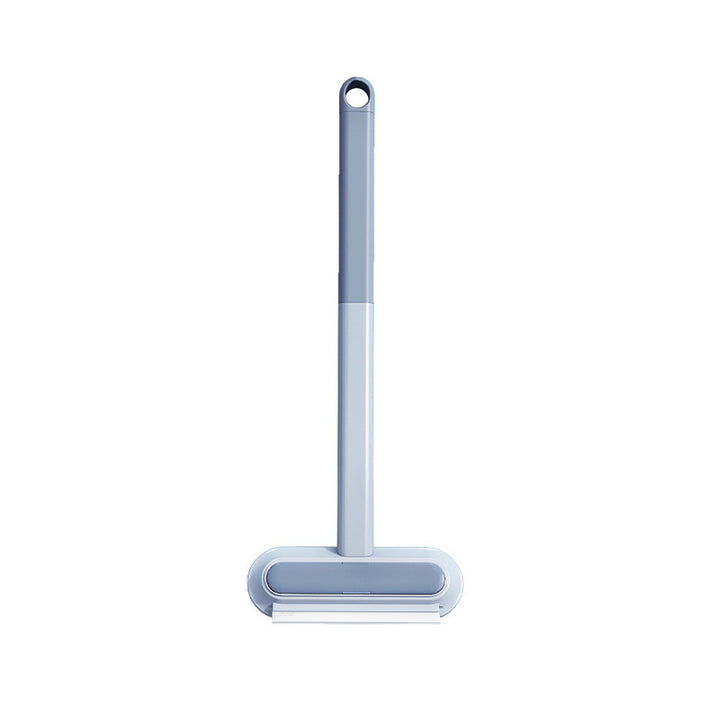

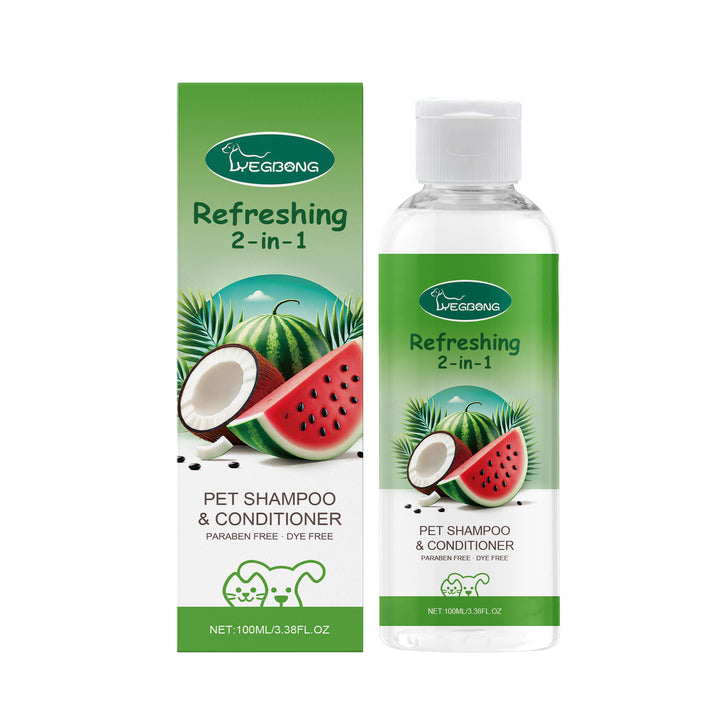
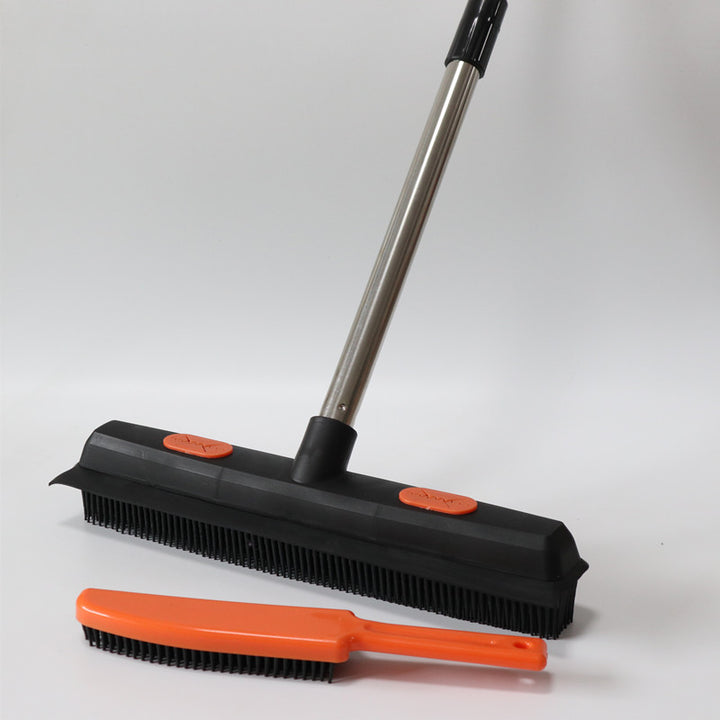
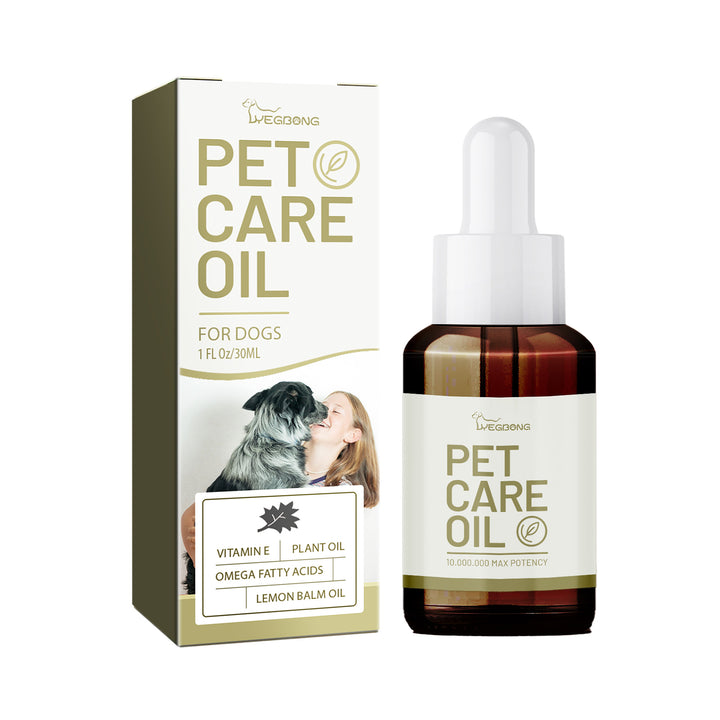


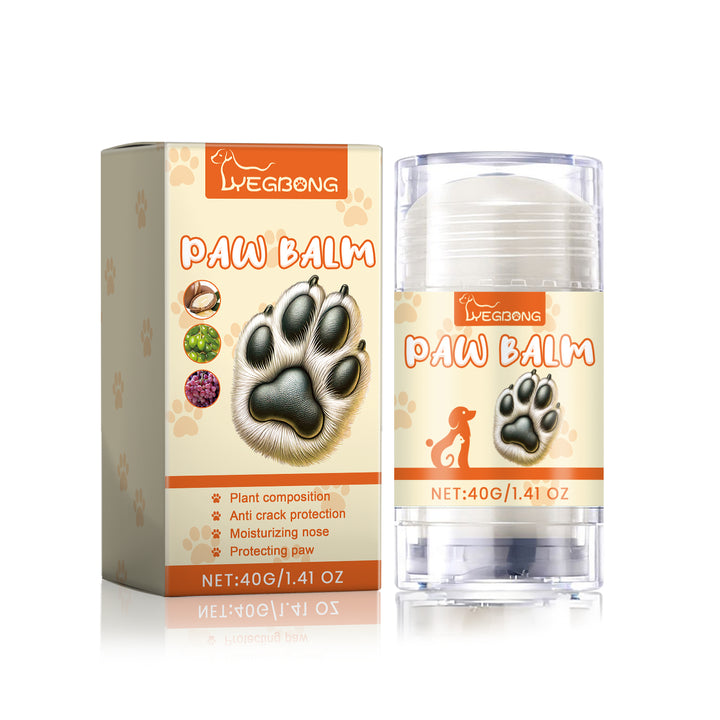

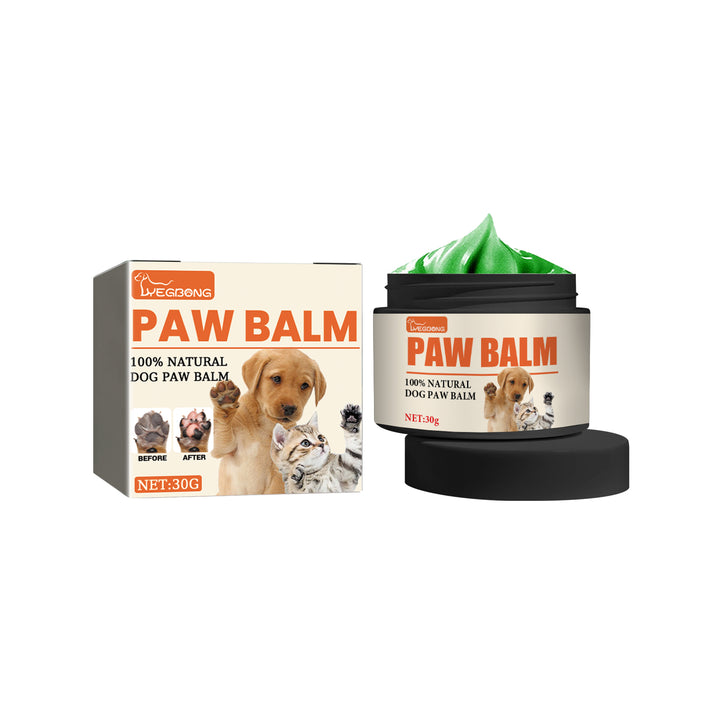
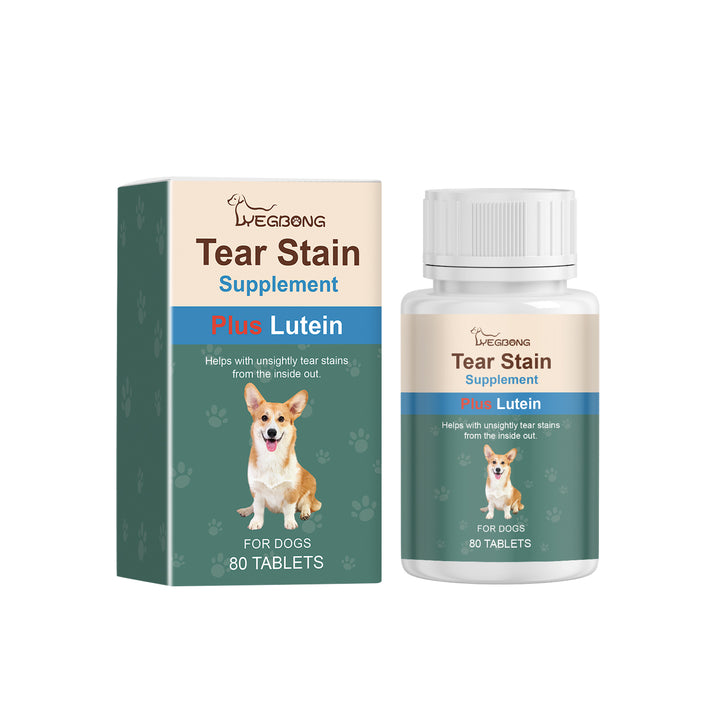

Pet cleaning products can make routine grooming easier between baths, especially when paws, ears, chins, teeth, or coats need quick attention. This category includes targeted options for cats and dogs, from no-bath grooming gloves and ear-cleaning products to paw balms and chin cleansers.
Start with the area you want to clean and your pet’s tolerance for grooming. Pet ear cleaning pads and ear wash are designed for routine outer-ear care, while dental wipes are intended for wiping teeth and gums. For muddy walks or dry paw pads, choose a paw balm or balm stick; a stick can be convenient for applying directly without using your fingers. Chin cleanser sets suit pets that need focused cleaning around the chin. For cats or dogs that dislike baths, pet cleaning gloves provide a gentle, no-bath grooming option. Check the product directions, use only on the stated area, and stop if your pet shows discomfort.
Each product type solves a different everyday cleaning task. Ear pads offer a ready-to-use format for wiping around the ears, while ear wash is better suited to following a liquid-cleaning routine as directed. Pet dental cleaning wipes help you wipe along the teeth and gums without using a toothbrush. Chin cleanser is designed for small, targeted areas, and cleaning gloves help lift loose dirt during gentle grooming. Paw balm and paw balm sticks protect dry, cracked-looking paw pads from everyday exposure, but they are not floor cleaners or substitutes for veterinary care. A dog cleaning spray or carpet cleaner for dog urine smell is a separate purchase category, so choose a product specifically labeled for the surface and task.
Look for a clearly stated species, intended body area, and application method. Cats and dogs may share some grooming products, but never assume that a product made for one animal is suitable for another. Consider whether you prefer disposable pads and wipes, a reusable glove, a jar of multiple pieces, or a balm stick for less mess. Directions should explain how much to use, where to apply it, and whether wiping or rinsing is required. For paw products, choose a balm that is easy to spread over the pads and allow time for it to absorb before outdoor activity. If your pet has persistent odor, discharge, sore skin, or damaged pads, ask a veterinarian rather than relying only on cleaning supplies.
Introduce grooming products slowly, letting your pet sniff the pad, wipe, glove, or container first. For paws, remove visible dirt with a gentle wipe or damp cloth, dry the pads, and apply a small amount of paw balm according to the directions. A balm stick can help you work around individual pads without spreading product across your hands. For tear-area or chin cleaning, use a clean pad or the included cleanser as directed and avoid rubbing the eyes. Do not put ear wash or dental wipes in an unintended area. Reward calm behavior, use a fresh section of a wipe for each area, and keep products away from children and pets that may chew the packaging.
A common mistake is using household cleaners, human cosmetics, or heavily fragranced products on a pet. Floor cleaners may be appropriate for floors when used as directed, but they should not be applied to paws, faces, ears, or coats. Avoid inserting anything deep into an ear, scrubbing delicate skin, or using the same wipe across multiple body areas. Applying too much balm can leave paws greasy and encourage licking, so start with a thin layer. Another mistake is expecting a grooming product to remove dog urine from carpets or replace professional house cleaning after pets. For those jobs, use a surface-specific cleaner and follow its label. Stop grooming if your pet becomes distressed.
These products suit cat and dog owners who want practical at-home grooming between baths or professional appointments. Ear pads, ear wash, dental wipes, chin cleanser, and cleaning gloves are useful for owners who prefer small, repeatable cleaning routines. Paw balm is suited to pets whose pads become dry or rough from ordinary outdoor activity, while the stick format is convenient for travel or targeted application. The dog comfort oil in this category is for everyday joint and muscle care, not cleaning, so it should be considered separately from grooming products. If you need a full wash, severe odor removal, carpet cleaning for dog urine smell, or a pet cleaning service near me, look for a suitable local service or specialist cleaner.
The price varies by the dog’s size, coat, condition, location, and whether you choose a self-service wash, mobile groomer, or full grooming appointment. For a quick refresh between washes, paw wipes, cleaning gloves, and targeted grooming products can help with routine dirt, but they do not replace a complete bath.
Use a floor cleaner labeled for your specific flooring and follow its dilution, ventilation, and drying instructions. Keep your cat away until the cleaned area is dry, and do not use paw balm, ear products, dental wipes, or other grooming items on floors unless the product is specifically intended for that surface.
Brush or gently wipe away loose dirt first, then use a suitable dog shampoo and lukewarm water according to the product directions. Dry your dog thoroughly and use paw, ear, chin, or dental products only for their stated purposes. If the coat is matted, the skin is irritated, or the dog is distressed, contact a professional groomer or veterinarian.
No pet is completely maintenance-free, and cleanliness depends on grooming, habitat care, diet, and the individual animal. Cats often groom themselves, while dogs may need more regular bathing, paw cleaning, and coat care depending on their lifestyle.
Keeping a pet responsibly means choosing an animal whose care, space, exercise, social needs, and lifespan you can meet. Research the species and consider adoption or a reputable rescue, provide appropriate enrichment and veterinary care, and never keep wildlife or an unsuitable animal as a novelty pet.
There is no single best animal for everyone with ADHD. A pet’s routine, exercise, noise, grooming, training, and financial needs should match the owner’s capacity; discuss possible support-animal or service-animal questions with a qualified professional rather than choosing solely for ADHD.