
$69.90
Free delivery · 7–14 days
Pet Odor Eliminator with Ultra-Quiet Auto Sensing


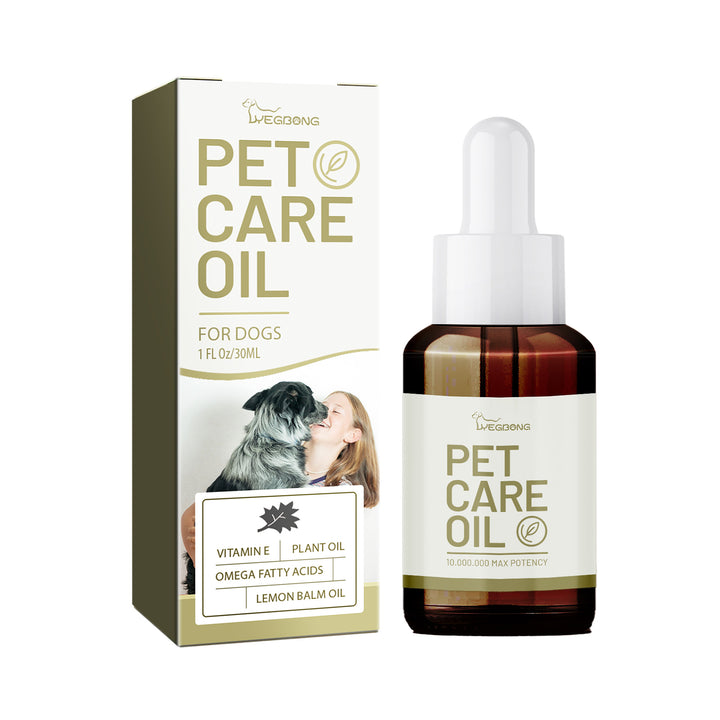
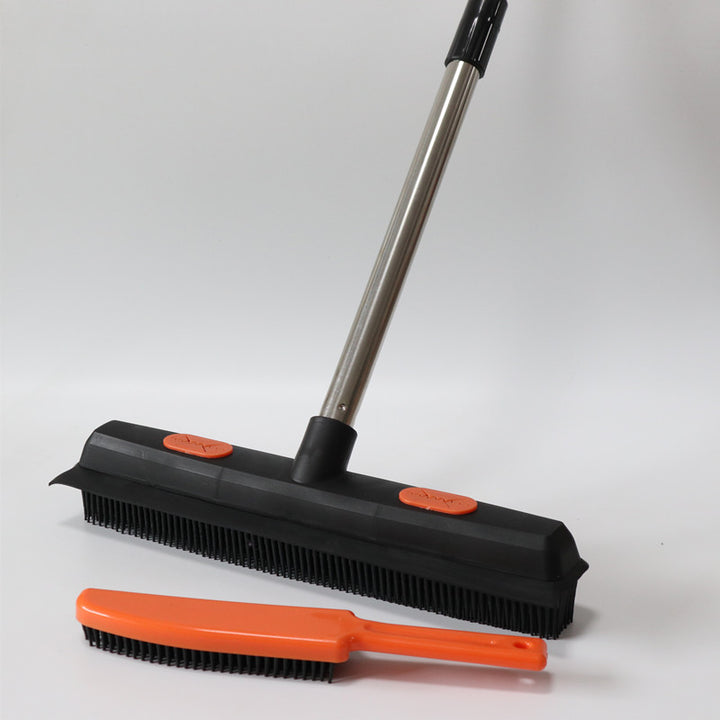
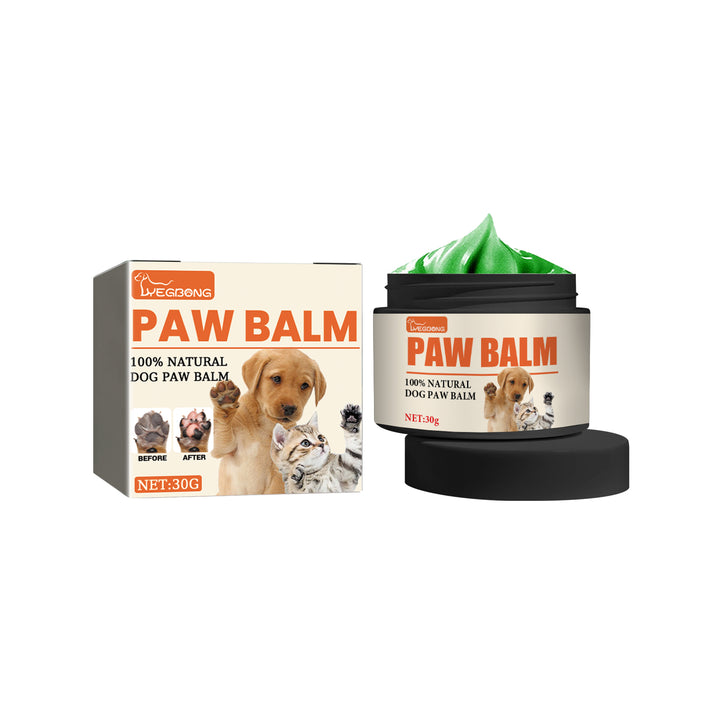
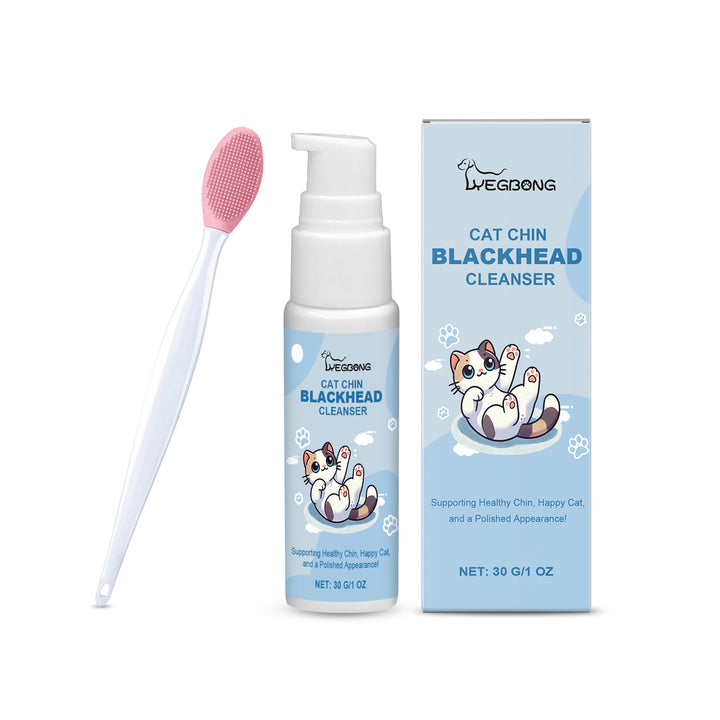
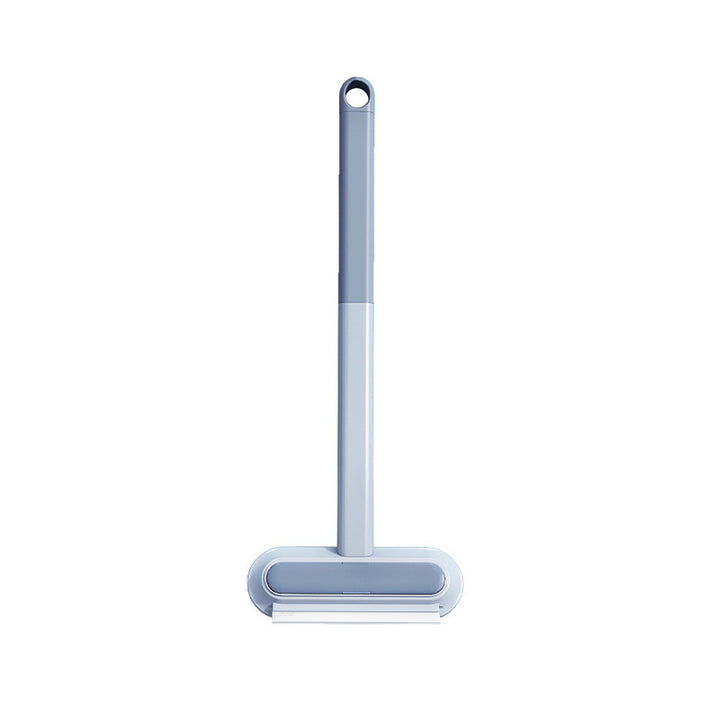

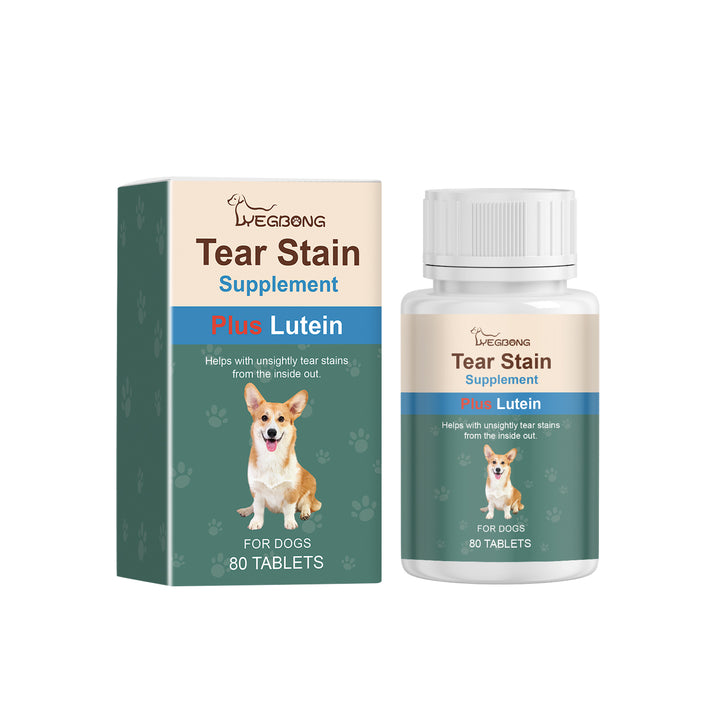
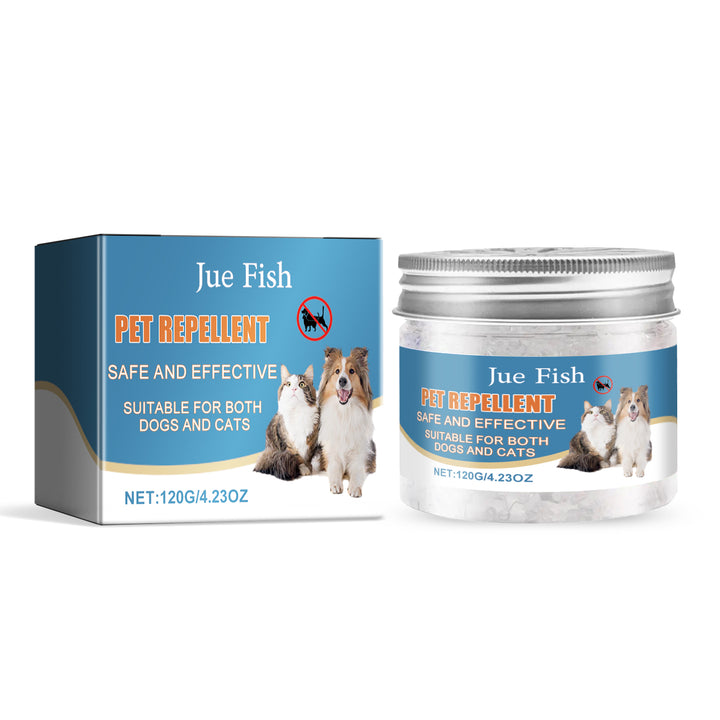

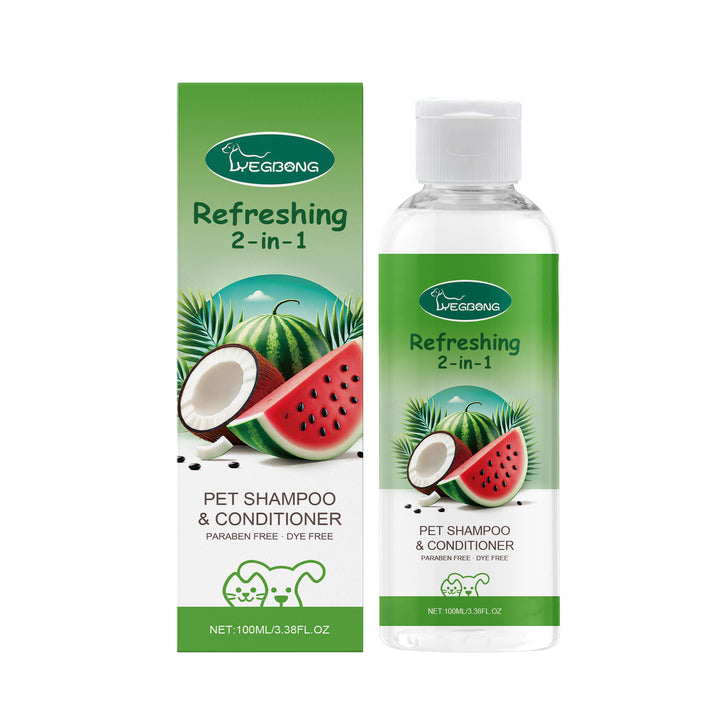


Pet deodorizers help freshen coats, bedding, furniture, and rooms where pet smells build up. This guide explains how to choose a pet spray deodorizer, compare products in the category, and use odor-control sprays safely alongside regular cleaning.
Start by identifying where the odor is coming from. A coat-freshening spray is suited to a dog or cat, while a pet deodorizer spray for furniture should be intended for compatible upholstery, rugs, bedding, or other household surfaces. Check whether the product is designed to neutralize odors, add fragrance, or do both. If you want a dog deodorizing spray for home use, choose a formula clearly labeled for the surface and avoid applying a pet product to furniture unless its directions allow it. Review the ingredient list for substances your household prefers to avoid, and follow all label instructions. For persistent smells, clean the source first; deodorizer works best as part of a wider cleaning routine rather than as a substitute for removing urine, dander, dampness, or soiled fabric.
Pet deodorizers generally fall into several practical groups. Coat sprays and leave-in serums are used during grooming to help keep fur feeling fresh between washes. Surface sprays are intended for furniture, bedding, carpets, crates, and other household areas, but the permitted surfaces vary by formula. Air freshener products scent or freshen the surrounding room and should not automatically be sprayed on pets, fabrics, or food-contact areas. This category also includes related grooming and care items, such as chin cleansers, dental wipes, paw balm, and flea sprays. Those products serve specific care or cleaning purposes and are not interchangeable with a pet odor eliminator air freshener. Choose based on the odor source and application area, rather than assuming every spray labeled for pets has the same use.
Look for clear directions covering the intended animal, application area, frequency, and drying time. A useful pet spray deodorizer should state whether it is for coats, room air, soft furnishings, hard surfaces, or a combination of uses. Consider the scent strength: a lightly scented option may suit small rooms or scent-sensitive households, while a stronger fragrance can be overwhelming if used repeatedly. A spray with a convenient nozzle can make spot treatment easier, but packaging should not replace careful label reading. For coat products, check whether the instructions call for brushing, wiping, or avoiding the eyes, ears, nose, and broken skin. For furniture, test an unseen area first to check for color change or fabric damage. Keep pets away from freshly treated surfaces until the directions say they are ready for use.
Remove the odor source before spraying: pick up waste, wash washable fabrics, vacuum loose hair and dander, and clean affected areas with a suitable cleaner. Shake the deodorizer if the label instructs you to, then apply a light, even amount rather than saturating the surface or room. Open windows or improve ventilation when using a room spray, and keep people and pets away during application if required by the directions. For a dog deodorizing spray, apply only to the coat as directed and avoid the face, eyes, mouth, and irritated areas. On furniture or rugs, spot-test first and allow the treated area to dry fully. Never mix different cleaning or deodorizing products unless their instructions specifically permit it.
The most common mistake is masking a smell with fragrance without cleaning its source. Spraying too much can leave damp fabric, create a strong scent, or increase the risk of residue. Another error is using a coat deodorizer as a pet odor eliminator air freshener, or applying a household spray directly to an animal without checking the label. Do not assume that a product suitable for dogs is automatically suitable for cats, puppies, kittens, birds, or other pets. Avoid spraying near food, water bowls, eyes, and open wounds, and do not let pets lick treated areas unless the instructions specifically say the product is suitable for that use. If an odor keeps returning, inspect bedding, carpets, upholstery, litter areas, and hidden damp spots instead of repeatedly reapplying deodorizer.
Pet deodorizers suit households that want to freshen coats, pet bedding, crates, upholstery, or rooms between deeper cleaning sessions. A leave-in serum may be useful for routine coat grooming, while a surface spray is better for marked furniture or fabric areas when the label supports that material. Homes with multiple pets may prefer separate products for animal grooming and household surfaces so each is used as intended. They can also help when visitors are coming and you want a quick finishing step after cleaning. However, deodorizers are not a replacement for bathing, brushing, laundering bedding, removing waste, or addressing recurring messes. Choose a product that matches your pet species, the odor location, and your preferred fragrance level. If your pet has a strong or unusual odor, focus on cleaning and seek appropriate professional guidance rather than relying only on spray.
The best option depends on the odor source. Use a coat deodorizer for pet fur and a surface-safe odor spray for furniture, bedding, rugs, or crates, after cleaning away the material causing the smell.
Choose a pet odor eliminator air freshener that clearly states it is intended for room use and follow its ventilation and application directions. Air freshener can freshen the room, but it will not replace cleaning urine, waste, damp fabric, or other odor sources.
Find and remove the source, wash or clean affected items, vacuum hair and dander, and then use a suitable deodorizer as a finishing step. Select separate products for pets, fabrics, and room air unless the label specifically allows multiple uses.
Clean pet bedding, vacuum soft surfaces, wipe hard floors, and treat affected furniture or rugs with a product approved for those materials. Improve ventilation and use a room deodorizer only as directed, keeping pets away from freshly treated areas when required.
Create a regular routine for waste removal, laundry, brushing, vacuuming, and cleaning crates or sleeping areas. Use a dog deodorizing spray for home surfaces only after checking the label and spot-testing fabrics.
Odors that soak into porous materials, such as upholstery, rugs, mattresses, wood, or subflooring, can be especially difficult to remove. Repeated cleaning, laundering or replacement of affected items, and a suitable deodorizer may be needed when the source has penetrated deeply.
Browse related: Pet Odor Control Solutions for a Fresher Home · explore pet waste cleanup - litter boxes & odor removers.