
$69.90
Free delivery · 7–14 days
Pet Cleaning Gloves for Sensitive Skin & No-Rinse Care


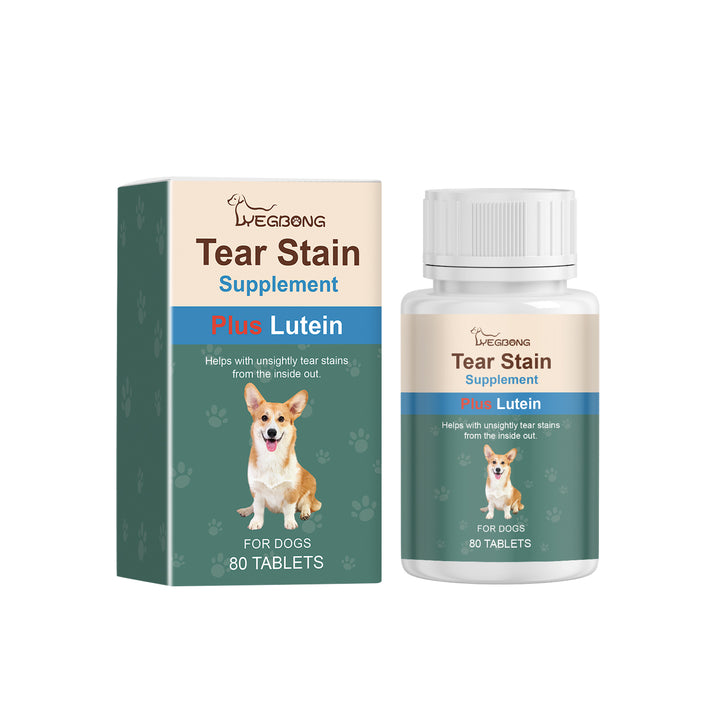
Pet eye care products can help you gently clean away everyday debris, discharge, and tear marks around a cat’s or dog’s eyes. Compare rinses, wipes, and tear stain products by your pet’s needs, and contact a veterinarian promptly for pain, swelling, injury, cloudiness, or unusual changes.
Start by identifying whether you need a liquid eye wash, pre-moistened wipes, or a tear stain product. Pet Eye Wash for Dogs & Cats is suited to gentle cleaning around the eye area, while Pet Eye Wipes for Dogs & Cats offer a convenient option for wiping away surface debris and tear residue. A Dog Tear Stain Supplement for Brighter-Looking Eyes is a different type of product and should be selected only after reviewing its directions and ingredients. Choose products labeled for your pet’s species, follow the package instructions, and avoid using ear wash, flea spray, joint drops, or immune drops near the eyes. If your pet is squinting, rubbing an eye, or showing sudden discharge, seek veterinary guidance rather than relying on home cleaning alone.
Eye wash and eye wipes serve different shopping preferences. A pet eye wash can be useful when you want a liquid for gentle rinsing or cleaning around the eye area, subject to the product directions. Eye wipes are convenient for routine surface cleaning and for pets that resist bottles. Wipes may also be easier when traveling or when you need a quick cleanup after outdoor activity. Neither option should be treated as a substitute for an examination by a veterinarian or veterinary ophthalmologist. Do not share one wipe between eyes if the instructions advise otherwise, and use a fresh pad or wipe as directed. For tear marks, compare the eye wipe with the dog tear stain supplement category, but check suitability for your pet before adding any supplement.
Look for clear species guidance, simple directions, and packaging that explains where and how the product should be used. For cats and dogs, a product should specifically identify the intended animal rather than leaving you to guess. Consider whether you prefer a bottle of Pet Eye Wash for Dogs & Cats or a container of Pet Eye Wipes for Dogs & Cats. Check the seal, storage instructions, expiration information, and any warnings before use. Avoid products intended for ears, skin, or pest control around the eye area unless the label explicitly says they are appropriate there. If your pet has a known eye condition, recent procedure, or sensitivity, ask your veterinarian before choosing a cleaner. For local specialist searches such as animal eye care associates, animal eye care of Richmond, or animal eye care Chesapeake, use a qualified veterinary referral source.
Read the label first and wash your hands before handling the product. Keep the bottle tip or wipe surface from touching the eye, eyelids, fur, or other surfaces, which helps keep the product clean. Use a gentle motion around the eye rather than rubbing or pulling at stuck material. With wipes, use a fresh section or new wipe as directed, especially when cleaning more than one eye. With eye wash, apply only the amount and frequency stated on the package. Stop if your pet shows marked discomfort or the area looks worse. Seek veterinary care for persistent discharge, redness, swelling, squinting, cloudiness, bleeding, or an apparent foreign object. If you are searching for pet eye care near me, a general veterinarian can advise whether a veterinary ophthalmologist is needed.
A common mistake is using human eye products, homemade mixtures, or leftover medication without veterinary direction. These may not be appropriate for cats or dogs, and a home remedy for a suspected pet eye infection can delay proper evaluation. Another mistake is confusing eye products with items in nearby categories, such as Pet Ear Cleaning Pads, Pet Ear Wash, or Pet Flea Spray. Keep those products away from the eye area unless their labels specifically permit that use. Avoid scraping material from the eye, trimming close to an irritated eye, or forcing your pet to cooperate. Do not assume every tear mark is cosmetic; changes in appearance or behavior deserve attention. When symptoms are sudden, severe, or recurring, contact a veterinarian instead of increasing cleaning frequency.
Gentle eye wash and eye wipes can suit cat and dog owners who want convenient supplies for routine cleaning around the eyes, subject to label directions. They may be helpful for households managing occasional surface debris or visible tear residue, including owners of pets with facial hair that collects moisture. These products are not a diagnosis or a complete treatment plan for an eye problem. A dog tear stain supplement may appeal to shoppers focused on the appearance of tear marks, but review ingredients, feeding directions, and veterinary advice before use. If your pet needs specialized evaluation, search for a veterinary ophthalmologist near me or an animal eye specialist in Colorado Springs through reputable veterinary directories. Costs for consultation or surgery vary by location, case, testing, and treatment, so request an estimate from the clinic.
There is no one home remedy that can safely address every cause of eye discharge or irritation in a cat or dog. Avoid human eye drops, homemade solutions, and leftover medication unless a veterinarian specifically directs you to use them. Gentle cleaning with a product labeled for pets may remove surface debris, but pain, swelling, squinting, cloudiness, or persistent discharge requires veterinary advice.
Fees vary by location, clinic, examination complexity, and whether diagnostic tests are needed. Ask the veterinary ophthalmology clinic for consultation and testing estimates before the appointment. Your regular veterinarian may also recommend a specialist and explain what information to bring.
Dogs can experience many different eye concerns, including irritation, tear-related staining, inflammation, injury, and other conditions. The most likely cause depends on the dog’s age, breed, symptoms, and examination findings. A veterinarian can identify the cause rather than relying on appearance alone.
Search for veterinary ophthalmology practices in Colorado Springs through a reputable veterinary directory or ask your local veterinarian for a referral. Confirm that the clinic treats companion animals and ask about appointment availability, records, and estimated consultation fees. For urgent symptoms, contact an emergency veterinary service.
Dog eye surgery costs vary widely based on the condition, procedure, anesthesia, testing, aftercare, and location. A general veterinarian or veterinary ophthalmologist can provide an estimate after examining your dog. Ask whether the estimate includes diagnostics, medications, follow-up visits, and potential overnight care.
An eye doctor for animals is called a veterinary ophthalmologist. This is a veterinarian who focuses on animal eye evaluation and treatment. Your primary veterinarian can help determine whether a referral is appropriate.
Browse related: Shop all Pet Skin Care: Mange, Ringworm & Mite Treatment for Dogs & Cats · explore small pet harnesses for cats & small dogs.