
$64.90
Free delivery · 7–14 days
Nourishing Hair Repair Mask for Dry, Damaged Strands


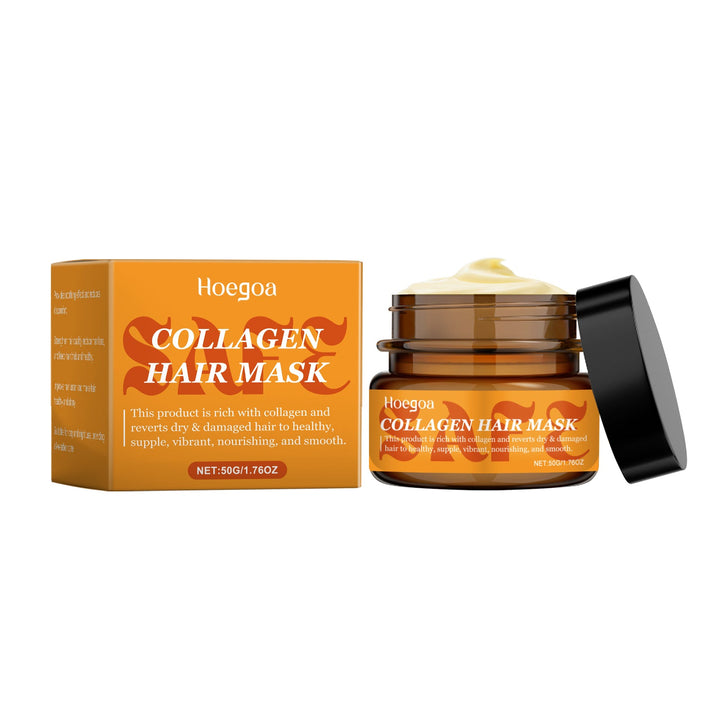
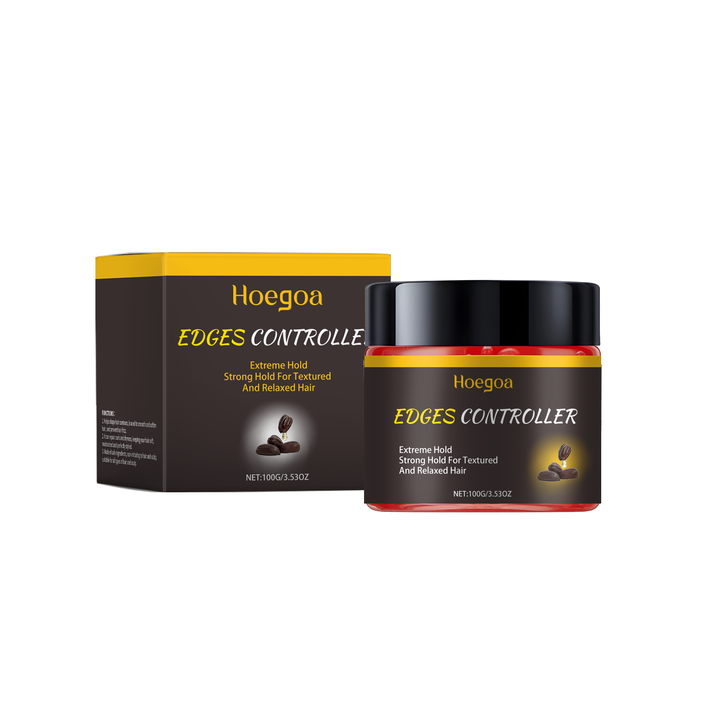
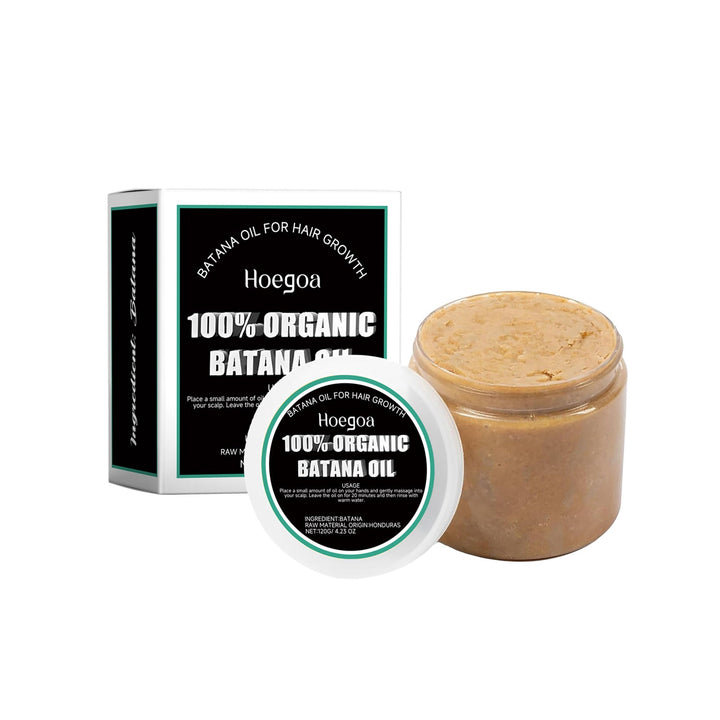


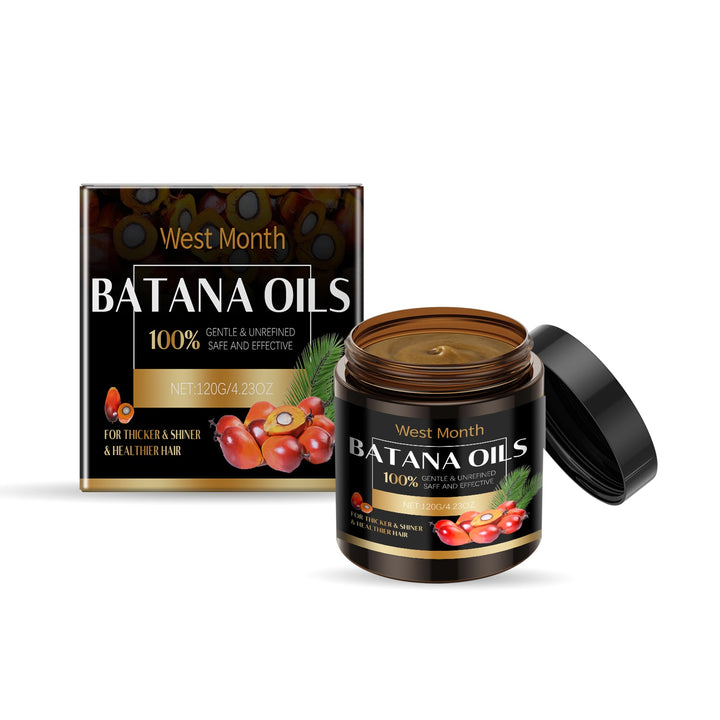
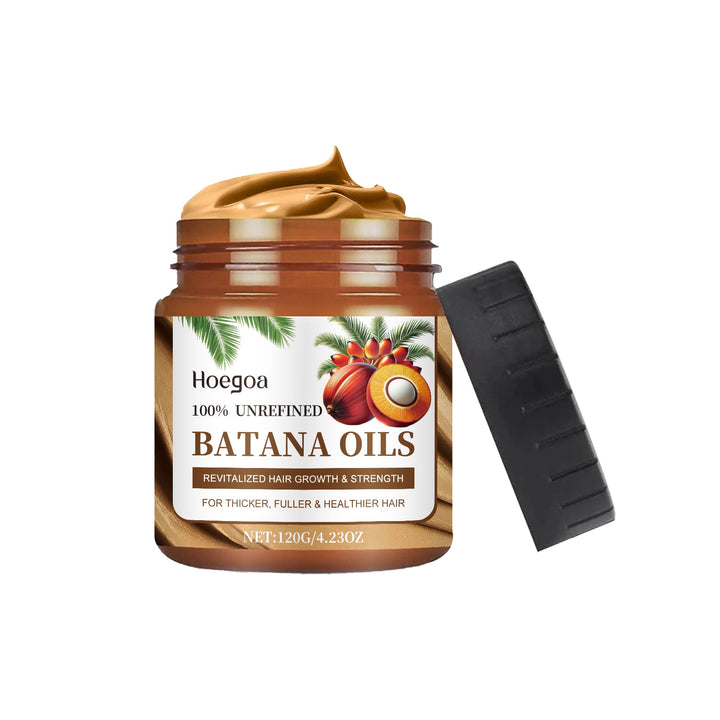
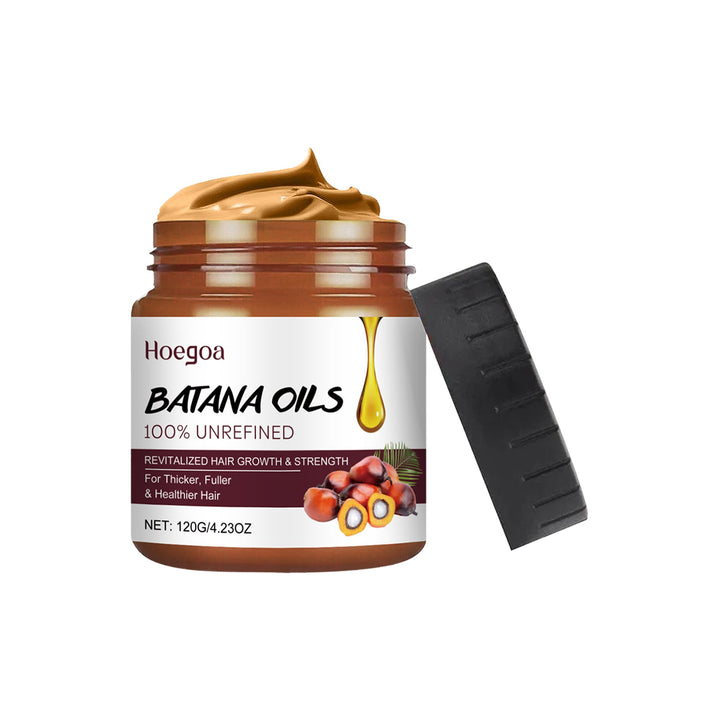
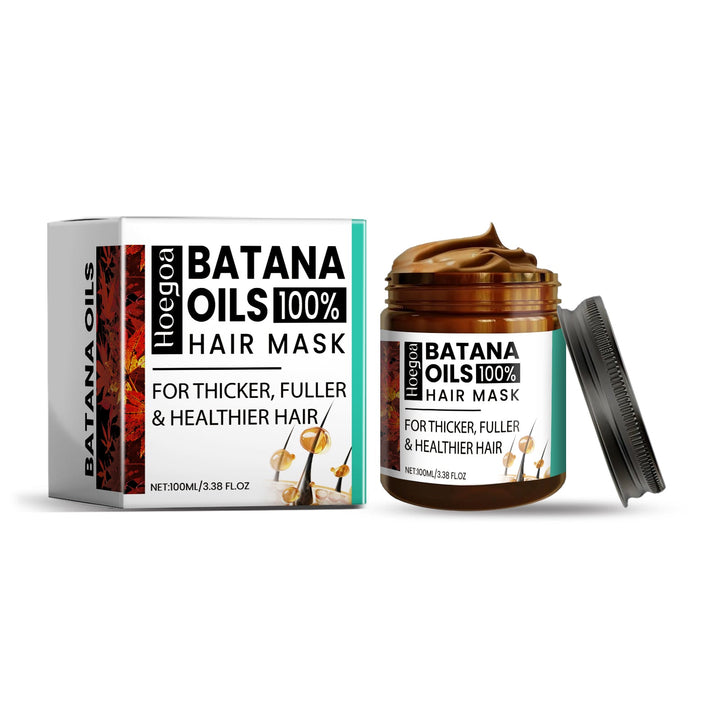


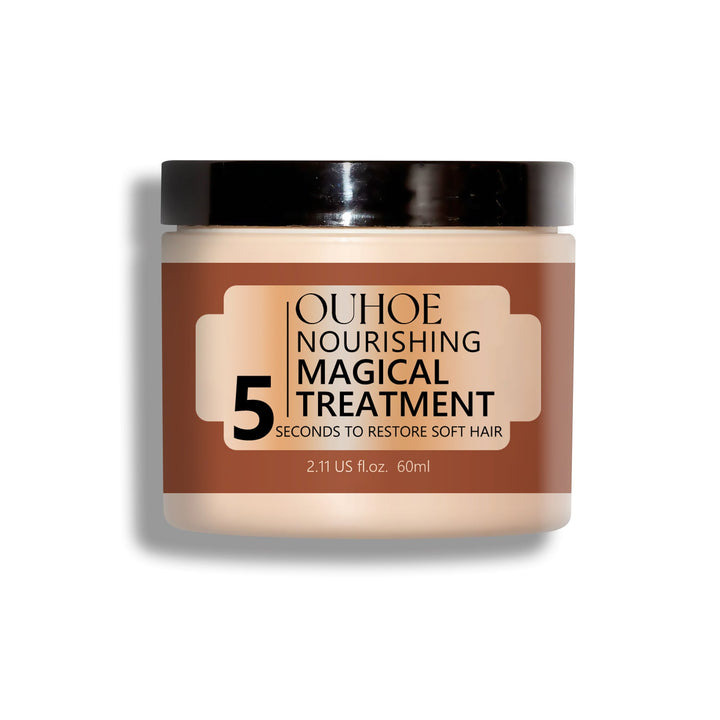

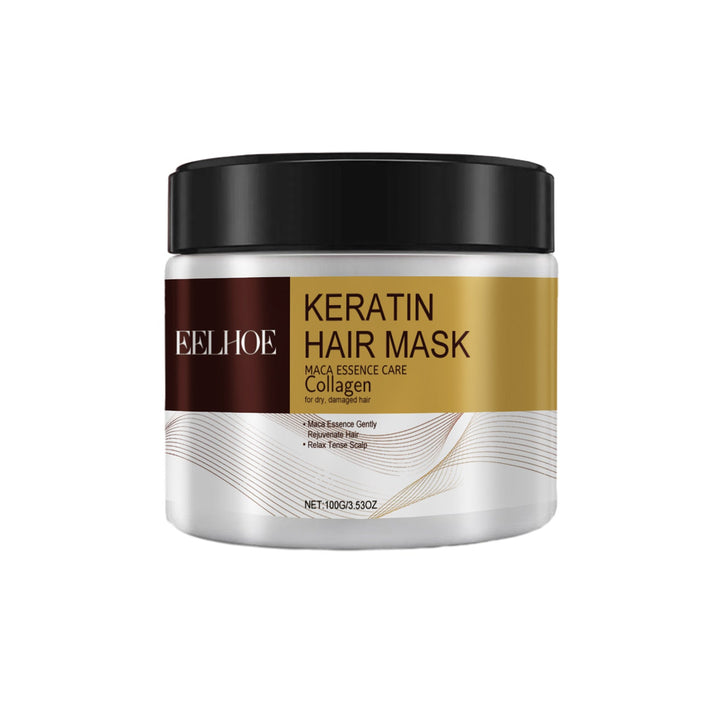


Find a hair mask for your routine, whether your strands feel dry, look frizzy, or need extra moisture after heat styling. This collection includes rinse-out, leave-in, curl-focused, smoothing, nourishing, and oil-based options for different hair types and styling goals.
Start with your hair’s main need rather than choosing by ingredients alone. For dry or damaged-looking strands, consider the Nourishing Hair Repair Mask or Hair Repair Mask for Dry, Stressed, Smooth, Glossy Hair. If softness and shine are your priorities, the Avocado Oil Hair Mask is a practical choice. Curly hair may benefit from the Hair Mask for Curly Hair: Moisture, Shine & Strong Hold, while the Smoothing Hair Mask is suited to frizzy hair, dryness, and split-end concerns. For styling routines involving heat, choose the Leave-In Hair Mask for Heat Protection and Frizz. Fine hair may need a lighter application, while thick, coarse, or highly textured hair may welcome a richer coating.
Rinse-out masks are applied after cleansing and washed away after the recommended time, making them useful for regular deep conditioning. Leave-in masks remain in the hair and can fit routines focused on frizz control, softness, or heat styling. Oil-based options, such as the Avocado Oil Hair Mask and Batana Hair Mask, are designed for a richer moisture experience and may suit dry-feeling strands. Repair-focused masks are a fit when hair feels stressed from coloring, brushing, or styling. Curl-focused formulas can support moisture, shine, and hold without replacing your usual curl products. Collagen Hair Mask for Deep Moisture & Frizz Control is another option for shoppers seeking a smoothing, moisture-focused treatment.
Match the mask to how your hair feels and how you style it. Look for moisture-focused options when strands feel rough, dull, or dry, and choose frizz-control or smoothing formulas when humidity and flyaways are your main concerns. If your hair is exposed to hot tools, the Leave-In Hair Mask for Heat Protection and Frizz may fit better than a standard rinse-out treatment. For curls, prioritize a product made for curly hair so you can support definition without weighing down the pattern more than necessary. Shoppers comparing the best hair mask options should also check whether the product is rinse-out or leave-in, how often it is intended to be used, and whether the texture suits fine, thick, straight, wavy, or curly hair.
Most rinse-out hair masks work best after shampooing, when clean, damp hair is ready to receive conditioning. Squeeze out excess water, apply the mask through the lengths and ends, and avoid applying a rich formula heavily at the roots unless the product directions say otherwise. Leave it on for the time listed on the packaging, then rinse thoroughly. A leave-in hair mask follows a different routine: apply a suitable amount to damp or towel-dried hair and style without rinsing. Hair mask packets can be convenient for travel or for trying a formula before committing to a larger size. If you use a hydrating hair mask DIY recipe, keep the ingredients simple and patch-test unfamiliar products before applying them widely.
Using too much product can leave hair heavy, coated, or difficult to rinse, especially if your strands are fine or low-density. Applying a rinse-out mask to dripping-wet hair may dilute it before it can coat the lengths, so gently remove excess water first. Another common mistake is treating every mask as a daily conditioner; richer formulas are generally better used according to their directions and your hair’s response. Avoid rubbing a repair or smoothing mask aggressively into the scalp when the product is intended for the mid-lengths and ends. If your hair feels limp after use, reduce the amount or frequency. If it still feels dry, try a more moisture-focused option such as the Collagen Hair Mask or Batana Hair Mask.
A deep conditioning hair mask can suit anyone whose hair needs more targeted conditioning than a standard rinse-out conditioner provides. Dry, coarse, curly, frizzy, heat-styled, or color-treated-looking hair may benefit from a richer treatment, while fine hair can still use a mask in a smaller amount focused on the ends. Choose the Hair Mask for Curly Hair when moisture and hold are central to your routine, or select the Smoothing Hair Mask when frizz and rough-looking ends are the main concerns. Shoppers looking for a hair mask for growth should know that a conditioning mask is intended for the hair fiber and scalp comfort is not the same as changing growth. Use a mask to improve the feel and appearance of hair, not as a substitute for professional advice about hair or scalp concerns.
A hair mask gives the lengths and ends a more intensive conditioning treatment than many everyday conditioners. Depending on the formula, it can help hair feel softer, smoother, more moisturized, or easier to manage. Choose based on your main concern, such as dryness, frizz, curls, or heat styling.
The best hair mask depends on your hair type, texture, and styling needs. Try a repair-focused mask for dry or stressed-looking strands, an oil-based mask for a richer moisture feel, a curl mask for textured hair, or a leave-in option for heat styling and frizz. Product directions and the amount you apply also affect the result.
Most rinse-out hair masks are applied after shampooing to clean, damp hair, then rinsed thoroughly. Leave-in masks are usually applied after cleansing and towel-drying, but they are not rinsed out. Always follow the directions for the specific product.
A good mask addresses your most noticeable concern without leaving your hair weighed down. Choose a nourishing or repair mask for dryness, a smoothing mask for frizz, a curl-focused mask for moisture and hold, or a leave-in mask for heat-styling routines. Start with a small amount and adjust based on how your hair feels.
Leave a hair mask on for the time stated on its packaging, since formulas and intended uses vary. Applying it longer does not necessarily improve the result and may make hair harder to rinse. Leave-in masks follow different instructions and are normally left in the hair.
For dry or damaged-looking strands, consider the Nourishing Hair Repair Mask for Dry, Damaged Strands or the Hair Repair Mask for Dry, Stressed, Smooth, Glossy Hair. If dryness is paired with frizz, the Collagen Hair Mask or Smoothing Hair Mask may be a better match. Use the product as directed and focus application on the mid-lengths and ends.
A frizz-focused or leave-in hair mask can help hair feel smoother and look more controlled as part of a styling routine. Hair masks condition the existing hair and should not be treated as a guaranteed hair-growth product. For persistent hair or scalp concerns, consider speaking with a qualified professional.