
$46.90
Free delivery · 7–14 days
Foldable Travel Comb for Tangle-Free Hair Touch-Ups





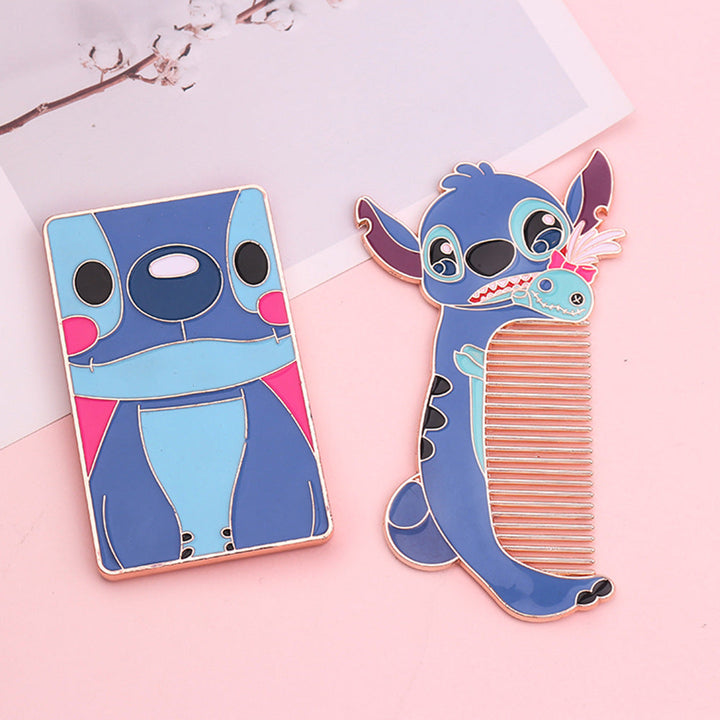



Find the right comb for detangling, shaping, smoothing, lifting, or everyday touch-ups. This guide compares wide-tooth, rat-tail, teasing, beard, clipper, and specialty combs so you can choose based on hair type, styling goal, and routine.
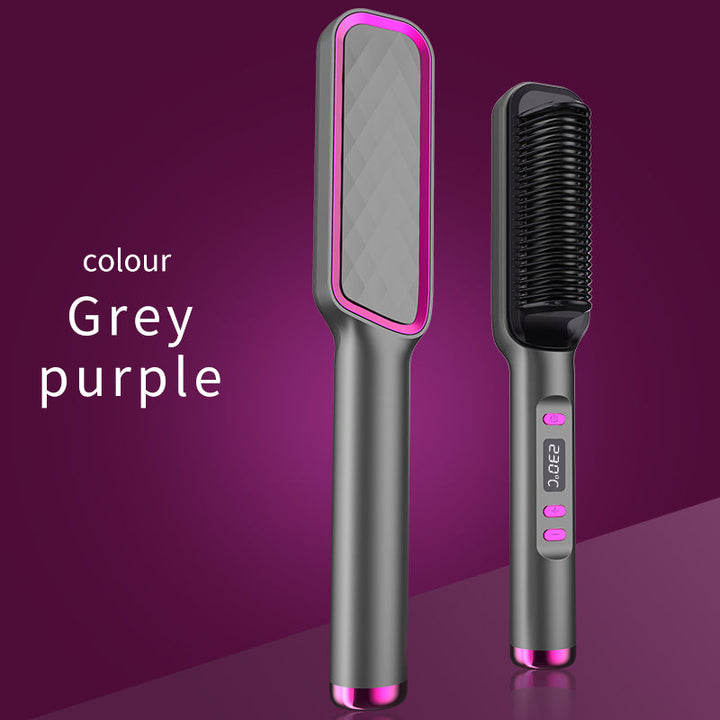
Start with the spacing and shape of the teeth. Wide-tooth combs are a practical choice for curls, coils, waves, and thick hair because the larger gaps can help separate sections without aggressively pulling through them. Look for a smooth, sturdy design and enough length to reach through your hair. A foldable travel comb works well for quick tangle-free touch-ups in a bag or drawer. If you style more than you detangle, consider a rat-tail comb for parting, a teasing comb for adding lift, or an electric straightening comb for a smoother finished look. The best comb to buy is the one that matches your main task rather than a one-size-fits-all option.
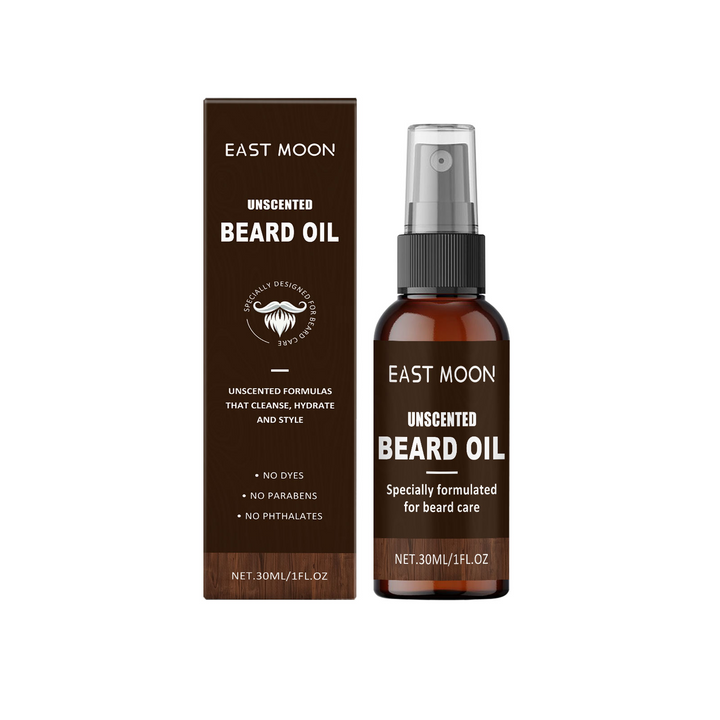
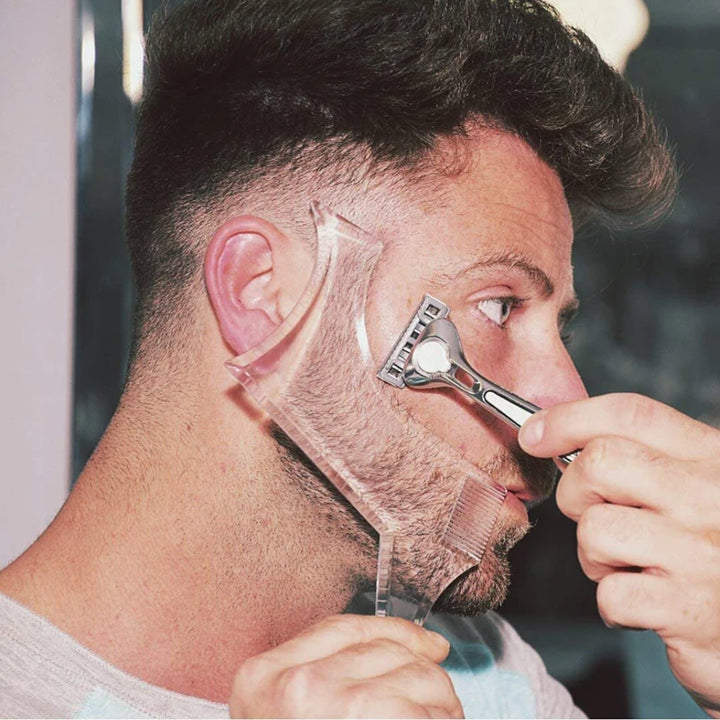
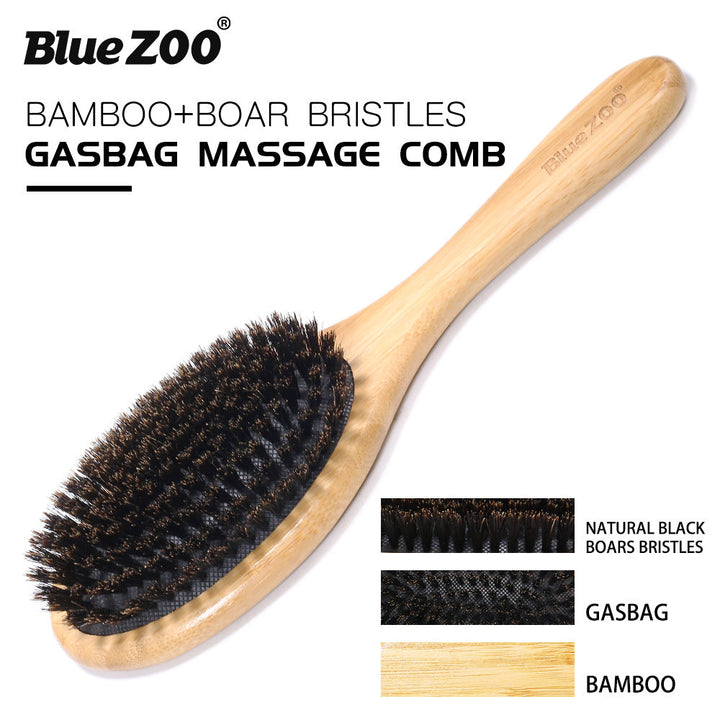
Wide-tooth combs are designed for gently separating larger sections of hair and are especially useful for curls and coils. Rat-tail combs have a pointed handle for clean parting, sectioning, and detail work. Teasing combs, including a shark comb style, are made for backcombing and creating volume at the roots or crown. Clipper guide combs attach to compatible hair clippers to control cutting length, while a comb-tip dye applicator bottle helps distribute color or treatment along roots. Beard shaping template combs guide edges and outlines, and beard combs pair naturally with unscented beard oil. A mini comb cleaner is not a styling comb, but it helps remove trapped hair and buildup from brushes and combs.
Check the comb’s tooth spacing, handle shape, material, and intended use before buying. Wider teeth suit detangling and textured hair; finer teeth are better for smoothing, defining parts, or controlled backcombing. A pointed rat-tail handle is useful when you need precise sections, while a foldable design is convenient for travel. For clipper accessories, confirm that the guide combs fit the clipper model and that the set includes the lengths you use. If you want powered styling, review whether an electric straightening comb has the controls and power compatibility you need. For beards, look for a shape that is easy to hold against the face and pair it with a simple, unscented beard oil if conditioning is part of your routine.
For curly or wavy hair, work in manageable sections and begin near the ends, gradually moving upward as tangles loosen. Use a wide-tooth comb when you want to separate curls with less disruption to their pattern, and avoid forcing the comb through resistant knots. Use a rat-tail comb to create a part or divide hair before styling. To add volume, place a teasing or shark comb near the roots and make controlled strokes rather than repeatedly combing the full length. Use an electric straightening comb according to its instructions, keeping sections even and moving at a steady pace. For beard shaping, hold the template comb against the desired outline, then trim carefully around its edge.
Using fine teeth on dense curls or tight tangles can make detangling feel more difficult, so choose wider spacing for the first pass. Avoid starting at the roots when hair is knotted; begin at the ends and work upward in sections. Do not use a teasing comb through the entire length if your goal is only root lift, because it can create unwanted texture. Another common mistake is buying clipper guide combs without checking compatibility with your clipper. Keep combs clean by removing shed hair and residue, and use a mini hair brush comb cleaner when buildup is difficult to remove. Finally, replace or stop using any comb with rough, cracked, or sharp edges that may catch on hair.
Wide-tooth combs suit shoppers with curls, coils, waves, thick hair, or anyone who wants a simple detangling tool. Rat-tail combs are useful for people who part hair precisely, create sections, apply color, or work on detailed styles. Teasing and shark combs suit anyone seeking root lift, fuller-looking styling, or defined volume rather than basic detangling. Men can use combs for scalp hair, beards, parts, and daily grooming; a beard shaping template adds guidance when outlining facial hair. Travelers may prefer a foldable comb, while home stylists may benefit from a dye applicator comb tip or rechargeable clipper with guide combs. If your routine combines several tasks, choosing two complementary combs can be more practical than forcing one tool to do everything.
Common names include wide-tooth combs, fine-tooth combs, rat-tail combs, teasing combs, beard combs, and clipper guide combs. The name usually describes the comb’s tooth spacing, handle, or specific styling purpose.
The best comb depends on what you need it to do. Choose a wide-tooth comb for curly-hair detangling, a rat-tail comb for parting, a teasing comb for root lift, or a beard shaping comb for outlining facial hair.
Combs are grooming or styling tools with a row of teeth used to separate, smooth, part, shape, or distribute hair. Some are designed for specific tasks, such as clipper guide combs, dye applicator combs, and beard templates.
Combs separate hair, help remove tangles, create parts, smooth sections, add root volume, or guide trimming and shaping. The tooth spacing and design determine which task a comb handles best.
Yes. Men use combs for scalp hair, beard grooming, parting, styling, and touch-ups. Beard combs, shaping templates, foldable travel combs, and clipper guide combs are all useful options for different grooming routines.
In slang, “comb” can have meanings that vary by region and context, so it is not limited to the grooming tool. On this category page, combs refers to hair, beard, and clipper-styling accessories.