
$44.90
Free delivery · 7–14 days
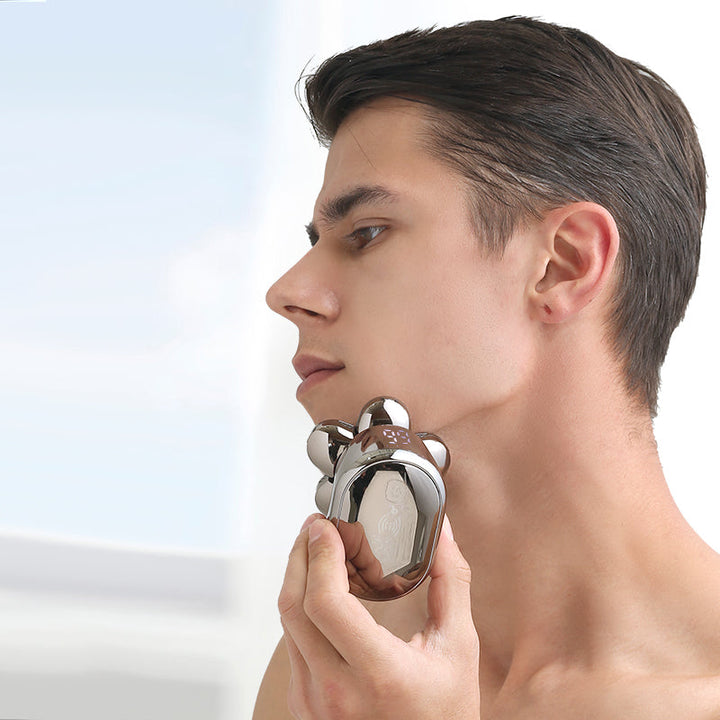
Beard Microneedle Roller — Fuller, Darker Growth in Weeks


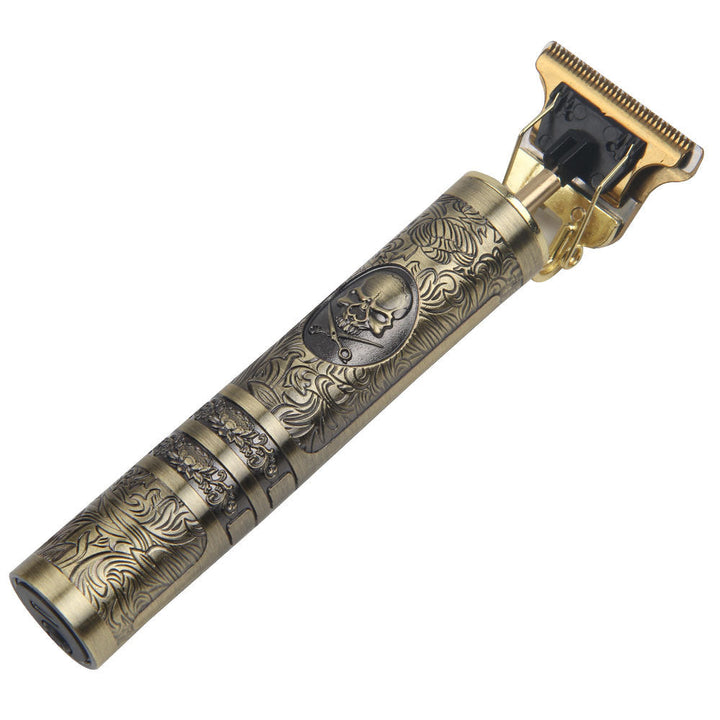

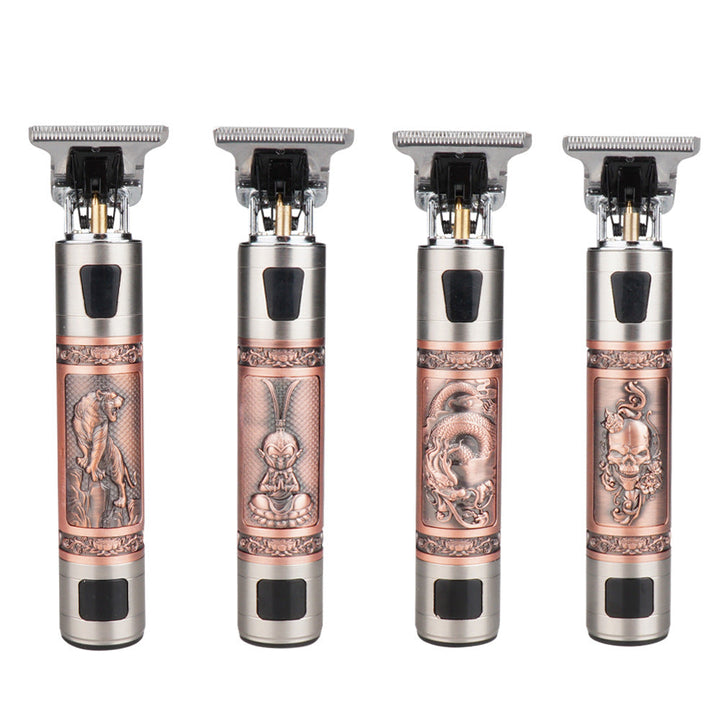


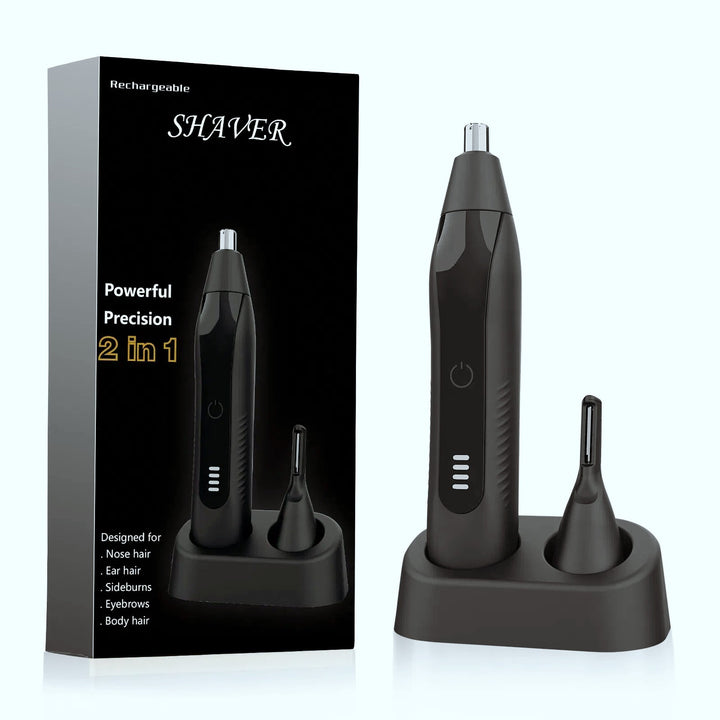




Beard combs help distribute oils, separate hairs, shape a moustache, and tidy a beard after washing. This category also includes styling and grooming tools that can complement a comb, from a boar bristle shaving brush to heated styling tools and clippers.
Start with your beard length, density, and styling routine. A pocket beard comb with compact teeth is convenient for short beards, moustaches, and touch-ups, while wider or rounded teeth are more comfortable for longer, fuller growth. Look for smooth, snag-free teeth and a shape that is easy to control around the lips and jawline. Wooden beard combs are popular because they feel warm in the hand and can be light enough for everyday carry; inspect the finish so rough edges do not catch hairs. If your main goal is slicked-back styling, the Dual-Sided Styling Comb with rounded teeth offers two spacing options. For trimming or shaping, pair a comb with one of the listed professional clippers rather than expecting the comb to cut hair.
A beard comb and a brush serve different purposes. A comb separates individual hairs, helps guide a moustache, and is useful for parting or defining a style. A brush spreads product across a wider area and can help lift or smooth the surface of a beard. The Boar Bristle Shaving Brush is designed for lathering and grooming rather than replacing a precision comb. For many routines, a comb is best after washing and drying, while a brush can be useful when applying beard oil or smoothing the outer layer. If you are comparing the best beard combs with a brush, choose based on the result you want: detail and direction from a comb, broader distribution and surface smoothing from a brush.
A beard comb is useful for detangling, styling, and keeping facial hair moving in a consistent direction. It can help guide moustache hairs away from the mouth, separate beard sections before trimming, and spread a small amount of styling product more evenly. Comb gently from the sides toward the centre, then adjust the outline with your fingers. A comb will not replace clippers, scissors, or a heated tool when you need to remove length or change texture. The Dual-Sided Styling Comb is suited to general styling, especially when you want to switch between tooth spacing. If you prefer a straighter finish, the 2-in-1 Electric Hot Comb Straightener & Curling Iron is a separate heated option; use it carefully and follow its instructions.
Wooden beard combs are often chosen for their natural feel, quiet use, and comfortable grip. They can be a practical alternative to a basic plastic comb when you want a grooming tool that feels less slippery in the hand. The important details are still the finish, tooth spacing, size, and edge smoothness. A wooden comb should be kept dry between uses and should not be left soaking in a sink or shower. Because this category does not list a separate neem wooden comb product, check each product description before buying if neem wood is essential to you. For travel, a compact pocket beard comb is convenient; for fuller beards or slicked-back styles, a larger dual-sided design may be easier to control.
Begin with a clean, slightly damp or fully dry beard rather than combing through dripping-wet hair. Start at the ends and work gradually toward the roots to reduce pulling, using short strokes around knots. Comb the cheeks downward, guide the chin toward the desired shape, and use the narrow side or closer teeth around the moustache if the design provides them. Apply beard oil or styling product sparingly, then comb again to distribute it. Avoid forcing the comb through a snag; pause and loosen the section with your fingers. A beard comb straightener can provide a different finish, but heated tools require extra care and should be used according to the product instructions. Clean loose hair and residue from the comb after use.
One common mistake is choosing very close teeth for a dense or curly beard, which can create unnecessary pulling. Another is combing aggressively from the roots down, especially when the beard is tangled. Do not use a comb with chipped teeth or a rough finish, and do not treat a styling comb as a trimming guide unless you can see the edge clearly. Excess product can also make hairs stick together and leave the comb coated. If you use a beard comb with clippers, comb the hair into position first and remove small amounts gradually. Heated styling tools should not be confused with everyday combs, and the 2-in-1 Electric Hot Comb Straightener & Curling Iron should be handled as an electrical styling appliance rather than a simple detangling tool.
Yes, a beard comb can help separate hairs, guide their direction, distribute styling product, and tidy a moustache. Results depend on choosing suitable tooth spacing and using gentle strokes; a comb will not replace trimming or remove permanent tangles instantly.
Choose smooth, rounded or snag-free teeth with spacing that matches your beard. Narrower teeth suit shorter hair and moustache detail, while wider teeth are generally easier to move through longer or denser growth. A dual-sided comb gives you both options in one tool.
It is useful for detangling, shaping, guiding moustache hairs, and spreading a small amount of beard product. It can also help position hair before using clippers, although it does not cut or remove length itself.
Gentle combing can keep facial hair organised and make styling easier. Avoid repeated forceful passes, pulling through knots, or using a damaged comb, and start at the ends when detangling.
The three-month rule is a commonly used grooming guideline that suggests allowing a beard to grow for about three months before judging its overall pattern and shape. Growth and density vary from person to person, so use the period as a styling reference rather than a guarantee.
A dry-feeling beard can often be made more manageable with gentle washing, careful drying, and a suitable conditioning or grooming product. Comb lightly after applying a small amount of product, and avoid excessive heat or rough handling. If dryness persists or causes irritation, consider seeking personal advice from a qualified professional.