
$69.90
Free delivery · 7–14 days
Electric Scalp Massager With Serum Guide and Red Light


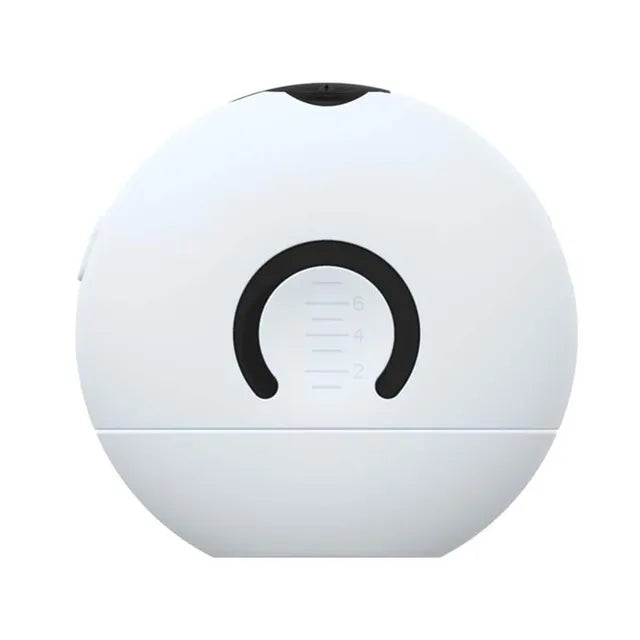


Scalp massagers can make shampooing, scalp care and relaxation feel more thorough, with options ranging from simple silicone brushes to wireless kneading devices. Use this guide to compare brush texture, power, water resistance and added features so you can choose a scalp massager that fits your routine.
Start with how you plan to use the tool. A manual scalp massager brush is compact, easy to control and useful in the shower for distributing shampoo and loosening surface buildup. An electric scalp massager is better suited to people who want powered kneading for relaxation, tension relief or a hands-free-feeling routine. Check the handle shape, button placement and whether the device is waterproof before using it around water. For hair-care liquids, an LED scalp applicator comb or an EMS and infrared scalp applicator may suit shoppers who want to combine application with scalp stimulation. If your main goal is hair growth, treat these products as scalp-care accessories rather than guaranteed growth treatments, and compare comfort, cleaning and everyday usability first.
Manual brushes use flexible silicone tips and require your own movement, making them straightforward for shampooing and gentle massage. Japanese-style scalp brushes commonly focus on a deep-clean feel with controlled, lightweight handling. Electric models use moving heads or claw-shaped kneading attachments, including waterproof wireless designs and eight-claw formats, to provide powered motion for relaxation. Applicator models are designed for spreading hair-care liquids across the scalp, with some adding LED, EMS or infrared features. A manual brush is usually the simplest choice for shower use and travel, while an electric scalp massager may appeal to shoppers comparing the best electric scalp massager options for evening relaxation. Select features you will actually use rather than choosing the most complicated design.
For a shampoo and shower scrub brush, look for soft, flexible tips, a secure grip and a shape that can be rinsed clean without trapping product. For an electric device, check the charging method, operating controls, attachment design and stated water-resistance guidance. A cordless waterproof head massager can be convenient in the shower, but only use it as directed and keep the charging connection away from water. Consider whether the massage head moves in a kneading pattern or stays fixed while you guide it manually. If you are comparing scalp massagers for hair growth, also review whether the tool is intended for liquid application, massage or light-based features; those functions are different and should not be treated as proof of a hair-growth result.
Wet your hair and scalp, apply shampoo, then place the brush lightly against the scalp rather than pressing hard. Move a manual brush in small sections, or guide an electric head slowly without repeatedly scrubbing one spot. Focus on the scalp instead of pulling through the lengths of your hair, and rinse the tool thoroughly after use. For dry relaxation sessions, follow the device instructions and use a comfortable setting for a short, manageable routine. If applying a hair-care liquid, part the hair as needed, use the applicator to place product where intended and clean the comb or tips afterward. Stop if you notice pain, persistent redness, irritation or tangled hair, and avoid using a device on broken or irritated skin.
The most common mistake is pressing too firmly in an attempt to get a deeper massage. Excessive pressure, fast scrubbing or holding a powered head in one place can feel uncomfortable and may tug at hair. Do not assume that using a scalp massager every day is automatically better; frequency should match your comfort, the device instructions and how your scalp responds. Another mistake is using a non-waterproof electric model in the shower or charging a wet device. Clean and dry the brush or massage heads regularly, especially after shampoo use. Finally, be cautious with claims about before-and-after hair growth results, including listings described as a scalp massager Amazon shoppers recommend. Product reviews can describe experiences, but they do not guarantee the same outcome for you.
Scalp massagers suit shoppers who enjoy a more deliberate shampoo routine, want help spreading cleanser across the scalp or prefer a relaxing head-massage accessory. A manual silicone brush is a practical option for beginners, travel and shower use. Electric models may suit people who prefer powered kneading, wireless convenience or an evening relaxation routine. Applicator combs can be useful when the priority is placing a liquid along the scalp rather than scrubbing during shampooing. People with easily irritated scalps, scalp tenderness, recent skin procedures or concerns about hair shedding should choose gently and consider asking a qualified healthcare professional whether massage is appropriate. No scalp massager can promise hair growth, so select based on comfort, intended use and clear operating instructions.
They can work as grooming and relaxation tools by helping distribute shampoo, provide a massage sensation and make scalp-care routines feel more thorough. They should not be treated as a guaranteed solution for hair growth or a replacement for professional advice about scalp or hair concerns.
A dermatologist may recommend or discourage massage depending on a person's scalp condition, sensitivity and hair concerns. Use light pressure, follow the product instructions and ask a qualified healthcare professional if you have irritation, sores, pain or unexplained shedding.
There is no single best scalp massager proven to produce hair growth for everyone. Choose a comfortable manual brush, electric massager or applicator based on whether you want shampoo cleansing, relaxation or help applying a hair-care liquid, and be cautious with before-and-after promises.
Using too much pressure or moving too quickly can cause discomfort, irritation or hair tangling. Electric models also require charging and careful water use, while all types need regular cleaning and should not be used over broken or irritated skin.
Some people may find daily gentle use comfortable, especially when using a soft brush during shampooing. Daily use is not automatically better, so follow the instructions, avoid force and reduce or stop use if your scalp becomes sore, red or irritated.
A head massage is sometimes discussed in connection with relaxation-related body responses, but there is no single hormone release that makes scalp massagers a guaranteed treatment or hair-growth solution. Choose a massager for comfort and routine support rather than for a promised hormonal effect.
Browse related: Shop all Knee Massagers for Knee Joint Pain Relief & Vibration Massage · explore head massagers – relaxing scalp & head massage tools for stress relief.