
$43.90
Free delivery · 7–14 days
Mermaid Makeup Brush Set — Fantasy-Sculpted Brushes


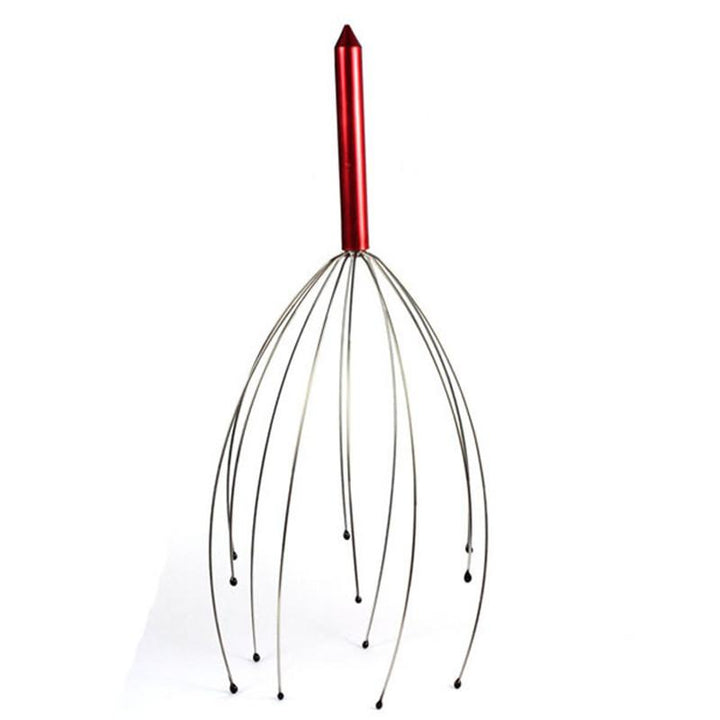

Scalp brushes can make shampooing, scalp massage, and gentle exfoliation easier by adding targeted contact while you wash. This guide compares brush styles, materials, and features so you can choose a scalp brush that matches your hair type, routine, and preferred level of pressure.
Start with how you plan to use the tool. For everyday shampooing, look for flexible silicone bristles, a comfortable grip, and a shape that fits securely in your palm. A scalp massage brush with a built-in dispenser can combine product application and scrubbing, while a simple scalp massager is better if you already have a shampoo routine. If you want a gentler option, choose soft, widely spaced tips and use light pressure. For a more noticeable exfoliating feel, choose bristles with enough flexibility to move through the hair without pulling. Consider your hair density, whether you use the brush wet or dry, and how easily it can be rinsed and dried. A scalp brush for shower use should be easy to hold with slippery hands.
Silicone scalp massage brushes are popular for shampooing because their flexible tips can work through wet hair and are generally simple to rinse clean. A basic scalp massager is suited to dry or damp massage, depending on the product instructions, and gives you more control over pressure. A shampoo brush with a built-in dispenser may help distribute liquid cleanser directly onto the scalp, reducing the need to pour product into your hand first. Baby scalp brushes use a particularly gentle format for delicate routines and should be handled with minimal pressure. Not every brush in a mixed beauty collection is designed for the scalp: a mermaid makeup brush set is intended for makeup application, not shampooing or exfoliation.
For scalp brush dandruff routines, focus on controlled, gentle contact rather than stiff or sharp bristles. Flexible silicone tips can help loosen surface residue during washing, but a brush should not scrape, sting, or leave the scalp feeling raw. Look for a nonporous material, smooth edges, and a design that rinses thoroughly so leftover shampoo and skin flakes do not collect between the tips. A handle or finger loop can improve control, especially in the shower. If you are considering a scalp brush for seborrheic dermatitis or another ongoing scalp concern, treat the brush as a cleansing accessory rather than a replacement for professional advice or prescribed products. Stop using it if irritation increases, and follow the care instructions for both the brush and your cleanser.
Wet your hair and scalp, apply shampoo, then place the scalp brush against the scalp rather than dragging it through the lengths of your hair. Move it in small, gentle circles over one area at a time, using light pressure and allowing the flexible tips to do the work. Avoid fast back-and-forth scrubbing, which can create tangles and make it harder to control pressure. Rinse the brush as you go if product or loose flakes collect on it. After washing, rinse the tool thoroughly, shake off excess water, and store it where it can dry fully. If your hair is tightly curled, thick, or prone to tangling, work in sections and keep the movement close to the roots. Use a dispenser brush only as directed for its reservoir and cleaning.
The right frequency depends on the brush, your scalp sensitivity, and how much cleansing or massage you want. Begin with occasional use during shampooing and assess how your scalp feels afterward. If the tool causes tenderness, redness, increased dryness, or tangling, reduce pressure or stop using it. A scalp brush is not meant to replace regular washing, and using it more often or more forcefully does not necessarily improve the result. Keep the motion brief and focused instead of repeatedly scrubbing the same area. People with a sensitive scalp, active irritation, or a diagnosed scalp condition should check product instructions and consider asking a qualified healthcare professional about whether a massager suits their routine. Always clean the brush between uses and allow it to dry.
Scalp brushes can suit shoppers who want a hands-on way to apply shampoo, massage the scalp, or add gentle exfoliating contact to wash day. They may be useful for people who prefer a tool with a palm grip, finger strap, or built-in dispenser rather than using fingertips alone. Choose softer silicone tips for a gentler experience, including carefully supervised use of a baby scalp massage brush. A scalp massage brush for hair growth should be viewed as a massage and cleansing tool, not as a guaranteed solution for hair changes. Avoid sharing a brush unless it can be thoroughly cleaned according to the instructions. If your scalp is painful, wounded, persistently flaky, or easily irritated, pause use and seek individualized guidance before adding mechanical exfoliation.
A scalp brush can be a useful cleansing and massage accessory when used gently and kept clean. It is not suitable for everyone, and excessive pressure may cause discomfort, tangling, or irritation. Choose flexible tips and stop using the brush if your scalp reacts badly.
Gentle brushing during shampooing can help spread cleanser and provide a massage-like sensation. It should not feel painful or scratchy, and it should not replace advice or treatment for an ongoing scalp concern. Small circular movements are usually easier to control than vigorous scrubbing.
The main purposes are to help work shampoo across the scalp, provide massage, and loosen surface residue during washing. Some models include a shampoo dispenser, while others are simple silicone scalp massagers. The best choice depends on whether you prioritize cleansing, massage, portability, or easy cleaning.
The best scalp brush is one that matches your hair density, scalp sensitivity, and preferred routine. Look for flexible tips, a secure grip, smooth construction, and easy rinsing. For shower use, silicone designs are practical; for targeted product application, a built-in dispenser may be more convenient.
Start with occasional use during shampooing and adjust based on comfort and your scalp's response. Use light pressure and avoid repeatedly scrubbing one area. Reduce use or stop if you notice tenderness, redness, dryness, or increased tangling.
A dermatologist may recommend or discourage mechanical scalp massage depending on your individual scalp and any existing condition. A massager should be considered a grooming accessory, not a universal treatment. If you have persistent flaking, pain, sores, or irritation, ask a qualified healthcare professional before using one.