Stainless Steel Cleaner & Polish for Streak-Free Appliances
27 products
Find the right stainless steel cleaner for fingerprints, grease, burn marks, rust, scale, and everyday dullness. This category includes powders, creams, sprays, polish, and cleaning tools, so the best choice depends on the mess, the finish, and whether you want cleaning power, shine, or both.
How to choose a stainless steel cleaner
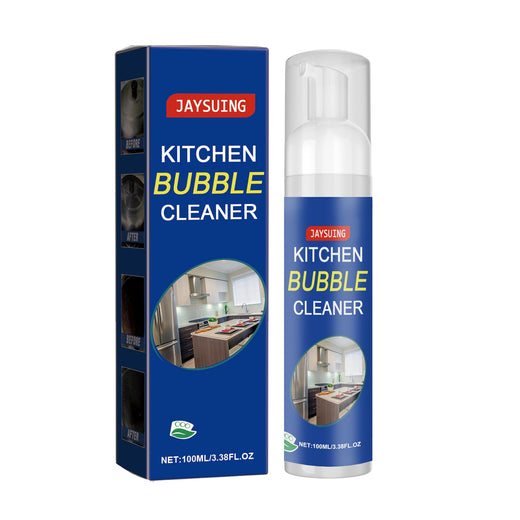
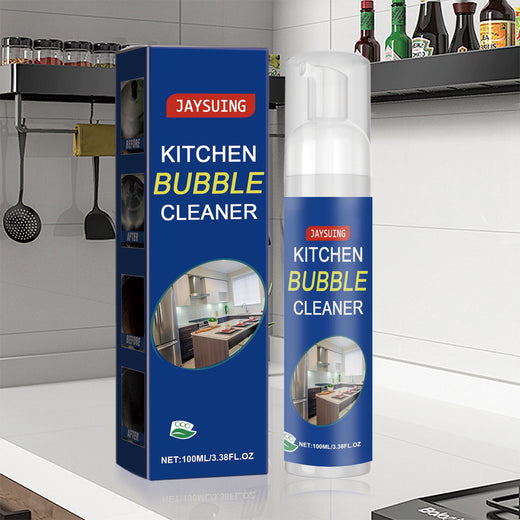
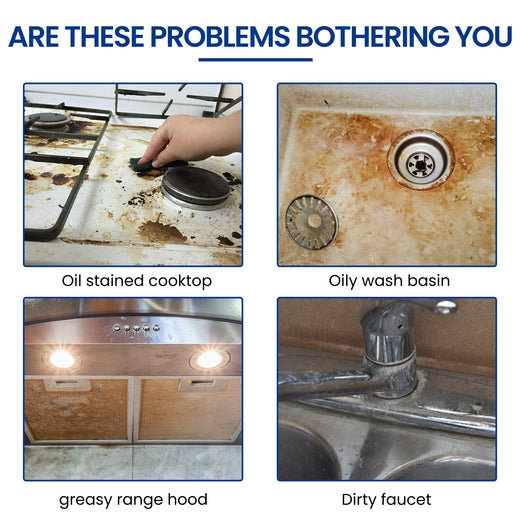
Start by identifying the problem on your appliance, pan, sink, or cookware. For fingerprints and light smudges, choose a stainless steel cleaner and polish or a spray designed for a clean, glossy finish. Heavy grease may be easier to tackle with a kitchen cleaning powder kit or kitchen cleaning foam. Burnt residue, rust marks, and stubborn discoloration call for a stainless steel cleaning cream, while scale and rust deposits may suit the stainless steel cleaner spray. Check the product directions before use, especially on brushed, coated, black, or decorative stainless steel. If you are cleaning a pan, confirm that the product is intended for cookware and rinse it thoroughly after cleaning.
Stainless steel cleaner types compared
Cream cleaners are useful when you need controlled scrubbing on burn marks, rust, or baked-on residue. Powders can be practical for heavy grease and larger kitchen-cleaning tasks, but they should be mixed and used exactly as directed to avoid unnecessary abrasion. Foam is convenient for spreading over greasy surfaces, while a stainless steel cleaner spray offers quick coverage for rust, scale, and routine appliance cleaning. A cleaner and polish is the better fit when fingerprints are the main issue and you want a more even-looking finish after wiping. A dedicated stainless steel cleaner cloth can help remove residue and reduce lint, but it does not replace a suitable cleaner for burnt or heavily soiled surfaces.
What to look for in a stainless steel cleaner
Look for a formula that matches the surface and soil instead of choosing only by the word “polish.” For appliances, prioritize products that address fingerprints, grease, and streaks. For cookware, choose a product labeled for pans or kitchen surfaces and follow its rinsing instructions. If you are comparing a natural stainless steel cleaner or a stainless steel cleaner DIY method, consider whether it can remove the specific residue without leaving a film. A clear usage direction, suitable application method, and compatibility guidance are more useful than a broad promise to clean everything. Also consider the format: spray is convenient for vertical doors, cream gives more control on marks, and powder may be useful for heavier kitchen messes.
How to use stainless steel cleaner for a streak-free finish
Remove loose crumbs and dust first, then test the cleaner on a small, less visible area. Apply the product to the cloth or surface as directed, and work with the grain of brushed stainless steel rather than across it. Use a clean section of the cloth for the final wipe so grease and old residue are not spread back over the appliance. For sprays, avoid soaking switches, seams, vents, and other openings. Creams and powders may need extra wiping or rinsing, particularly on pans and food-contact surfaces. Finish with a dry stainless steel cleaner cloth or another clean, lint-free cloth. Do not combine different cleaners, and follow the label for contact time and removal.
What should you not use on stainless steel?
Avoid abrasive pads, steel wool, and harsh scraping tools that can leave visible scratches, especially on brushed finishes. Do not assume that a product suitable for a pan is suitable for a coated appliance door, and avoid applying cleaner to hot surfaces unless the directions specifically allow it. Chlorine-based products, strong acids, and mixed cleaning chemicals can damage finishes or create unsafe fumes, so never combine products. Even a mild household dish soap such as Dawn should be diluted and used according to the surface manufacturer’s care guidance; rinse and dry afterward to prevent residue. For black stainless steel or fingerprint-resistant coatings, check the appliance instructions before using polish, powder, or any abrasive cleaner.
Who is each stainless steel cleaning product for?
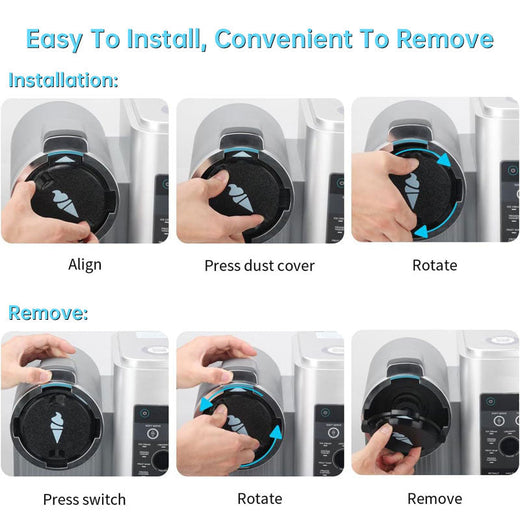
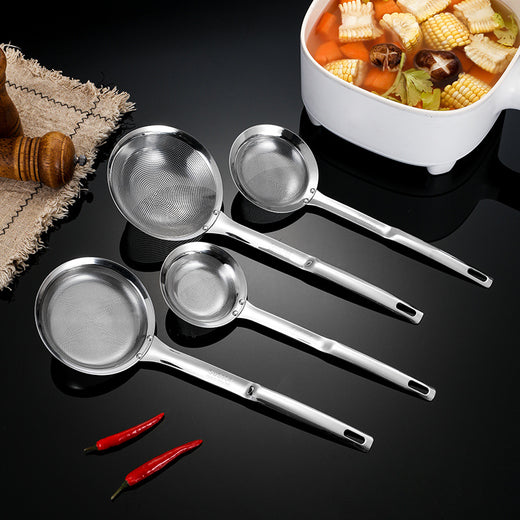
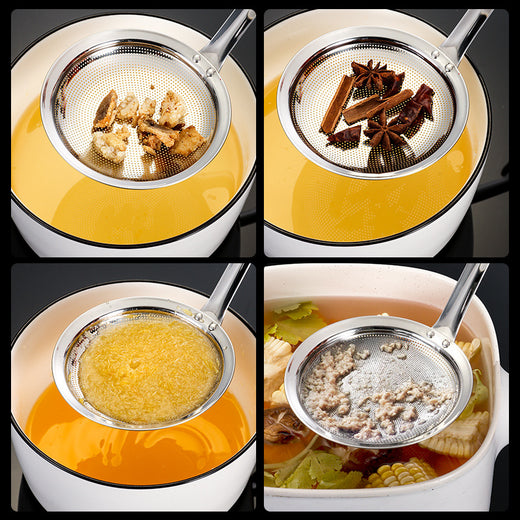
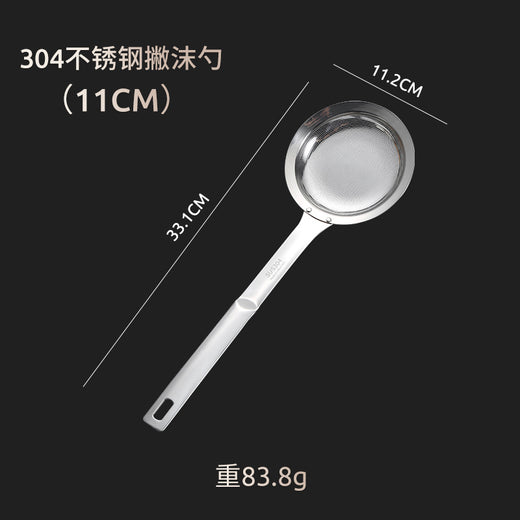
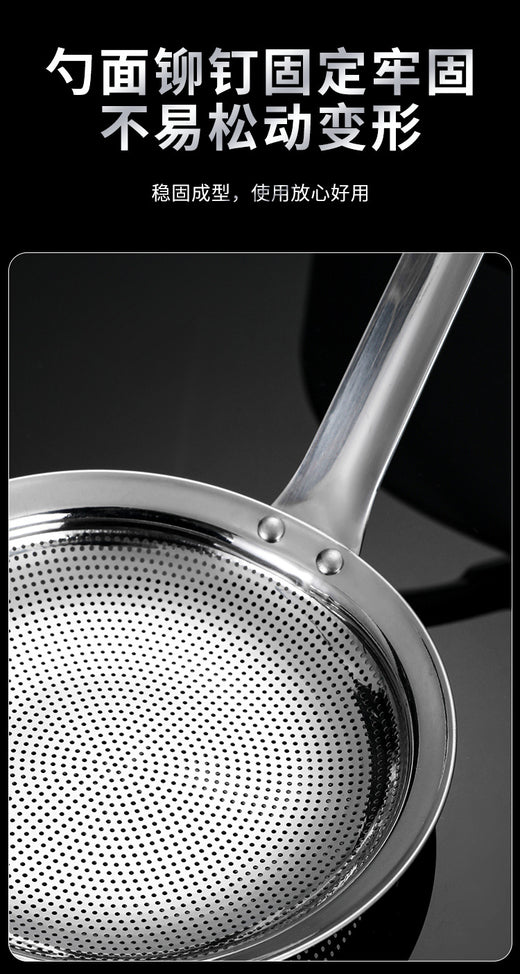
Choose the stainless steel cleaner and polish if your main concern is fingerprints, light smears, and restoring a more even shine on appliances. Select the stainless steel cleaner spray when rust or scale is the priority and you want a ready-to-apply format. Choose a cleaning cream for burnt residue, rust marks, or localized buildup on suitable surfaces. A kitchen cleaning powder kit or foam is better suited to broader heavy-grease jobs, depending on the surface directions. A stainless steel cleaner cloth is useful for final buffing and regular touch-ups. The skimmer set and dustproof cover in this category are kitchen accessories rather than surface cleaners, so they are not substitutes for a cleaner or polish.
Frequently asked questions
What is best to clean stainless steel with?
The best option depends on the residue and finish. Use a cleaner and polish for fingerprints and light smudges, a cream for burn marks or rust, and a spray for rust or scale when that format suits the surface. Always follow the product directions and wipe with the grain.
Can I use Dawn to clean stainless steel?
A small amount of diluted dish soap can be suitable for routine cleaning on many stainless steel surfaces, but check the appliance or cookware care instructions first. Rinse away soap residue and dry the surface to help prevent streaks or water spots.
What should you not clean stainless steel with?
Avoid steel wool, abrasive scouring pads, harsh scrapers, and cleaners that are not approved for the surface. Do not mix cleaning products, and use extra care with coated, black, or fingerprint-resistant stainless steel.
How to make stainless steel look new?
Remove grease and residue with a suitable stainless steel cleaner, working in the direction of the grain. Wipe away the cleaner completely, then buff with a clean, dry cloth. A polish can help create a more uniform appearance after cleaning, but it will not hide deep scratches or coating damage.
How to make stainless steel look like black stainless steel?
A cleaner or polish cannot change standard stainless steel into black stainless steel. Black stainless steel is a different finish or coating, so do not apply paint, dye, or unapproved treatments to an appliance without checking the manufacturer’s guidance.
How do you restore shine to dull stainless steel?
First remove grease, scale, and old product residue with a cleaner suited to the surface. After rinsing or wiping as directed, use a stainless steel cleaner and polish with a clean cloth, following the grain. If dullness comes from scratches, corrosion, or damaged coating, cleaning may improve the appearance but cannot fully restore the original finish.