LED Therapy Masks | Red Light Facial Light Therapy
5 items
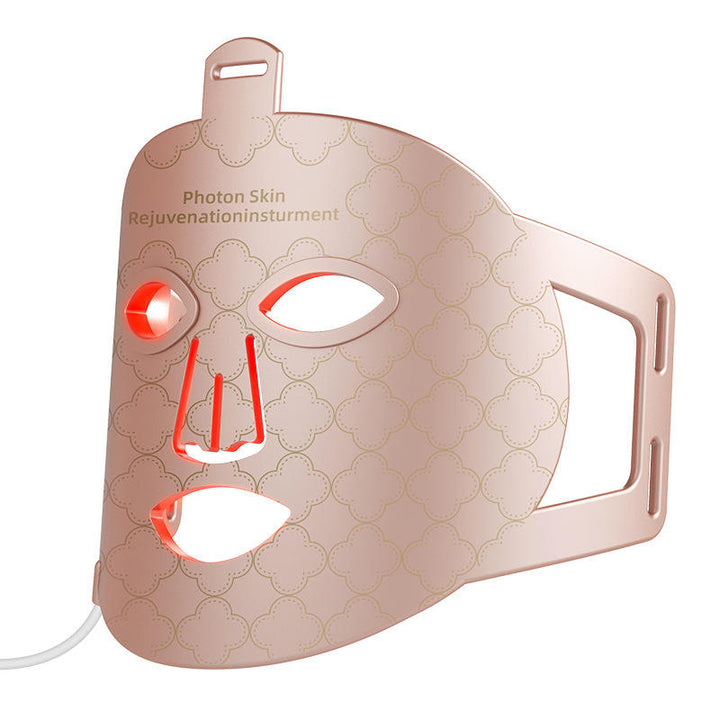
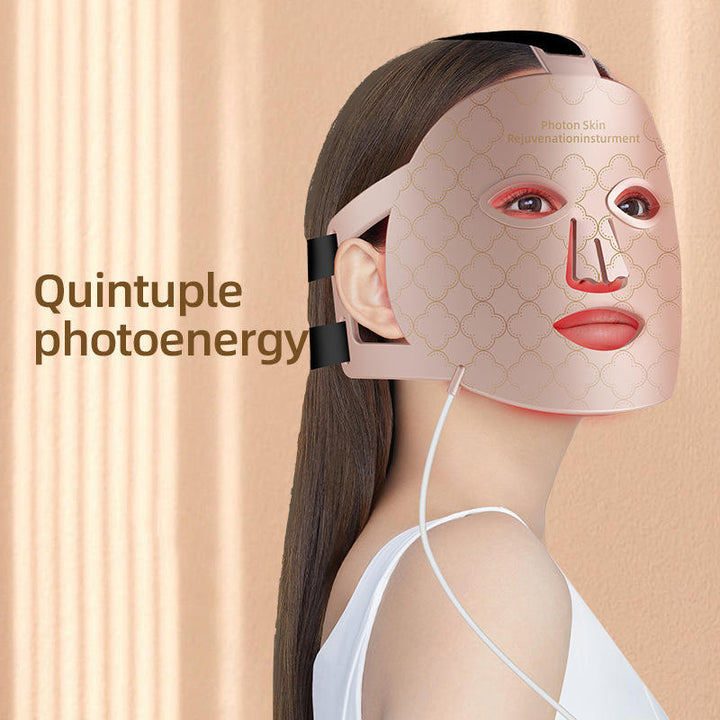



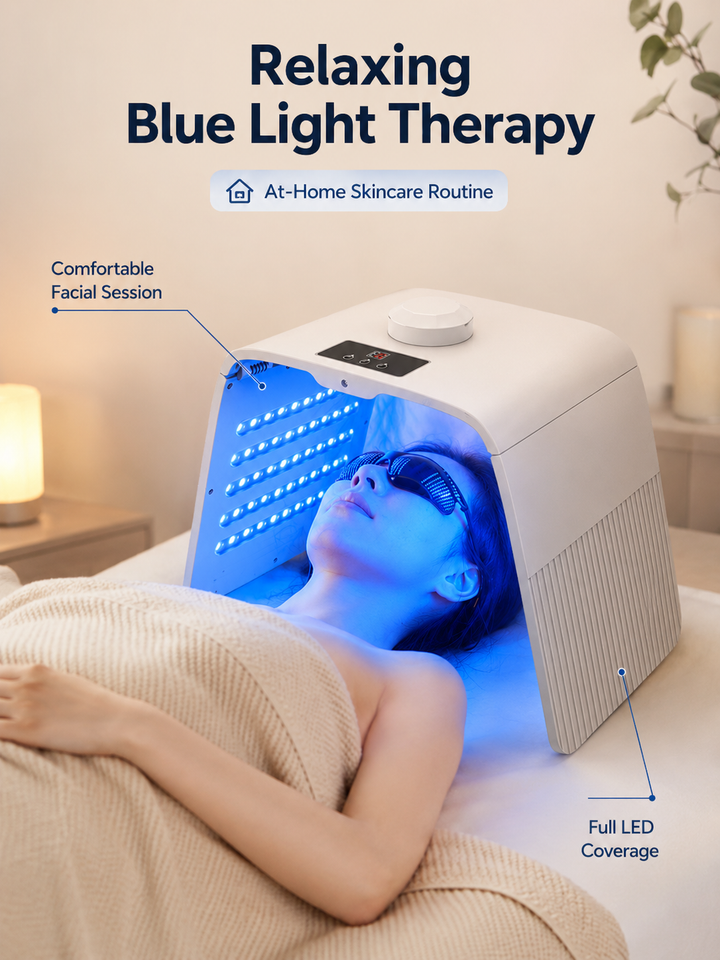
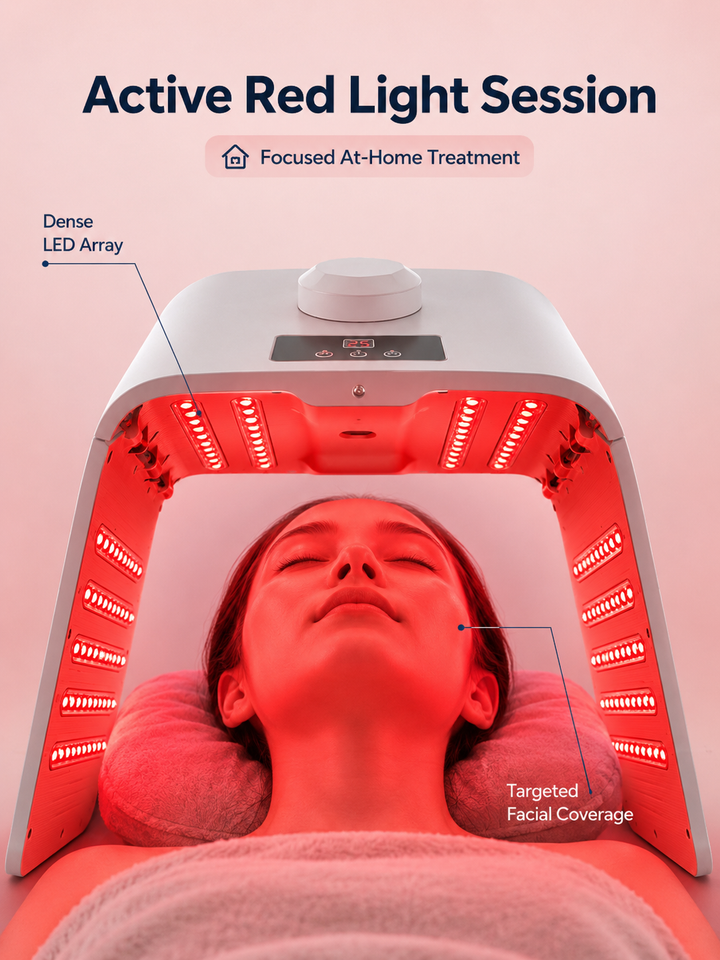
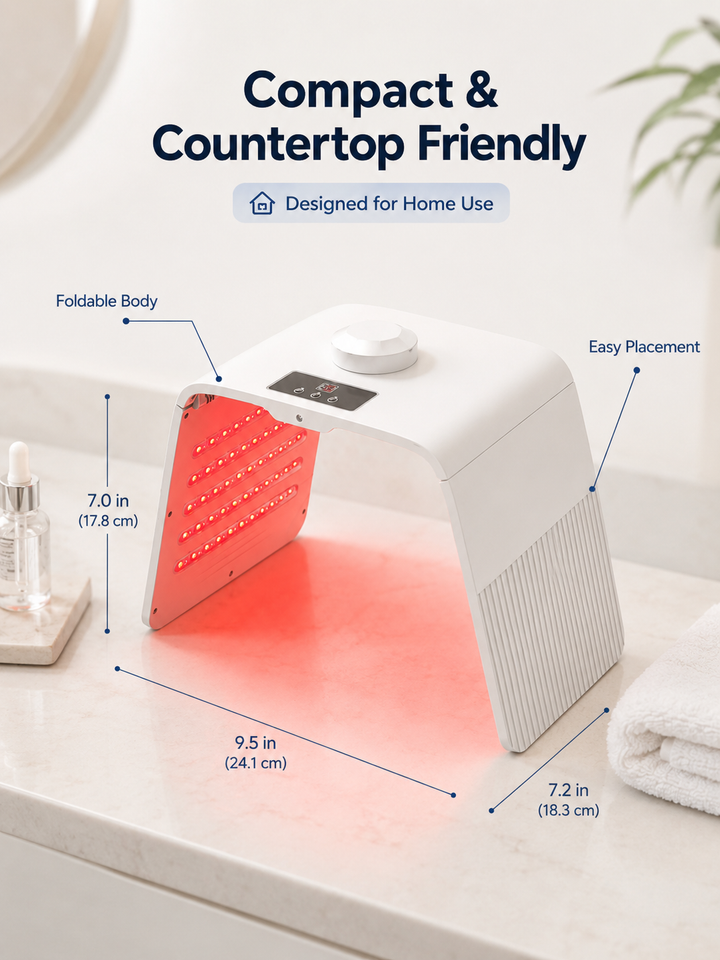

LED therapy masks use colored light, often including red and near-infrared wavelengths, as part of an at-home skincare routine. This guide compares mask formats, settings, comfort features, and practical use so you can choose an LED face mask that fits your routine without treating it as a substitute for professional skincare advice.
How to choose the best LED therapy mask
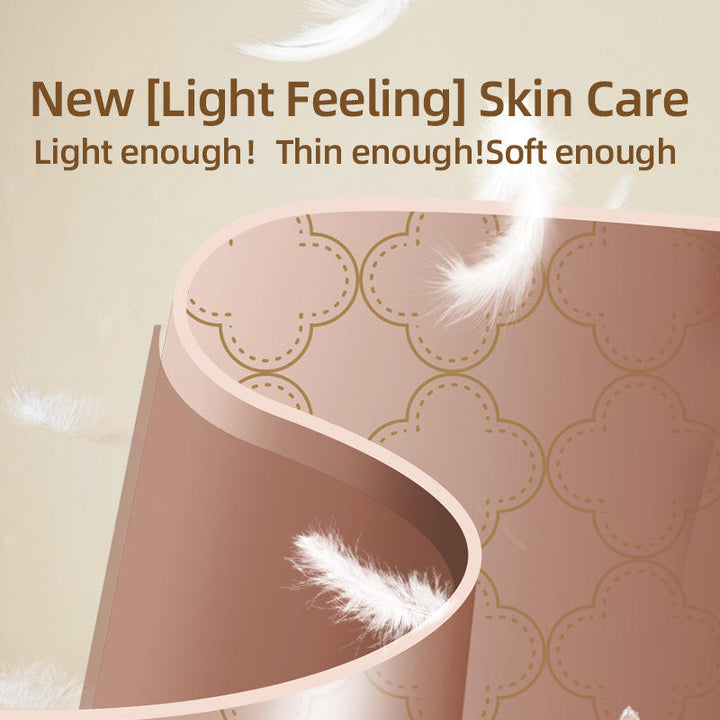
Start with the routine you can follow consistently. A mask designed for shorter sessions may suit busy mornings or evenings, while a rechargeable model can be easier to use away from an outlet. Check which wavelengths and colors are included, whether the controls let you select a setting, and whether the product is intended for facial use. A flexible mask may sit closer to the contours of your face; a rigid device can feel more structured. Also compare eye protection, strap adjustment, charging method, cleaning instructions, and the fit around your nose and cheeks. If you are comparing the best LED therapy masks, prioritize clear instructions and comfortable wear over the highest number of colors or beads alone.
LED red light, infrared, and 7-color masks compared
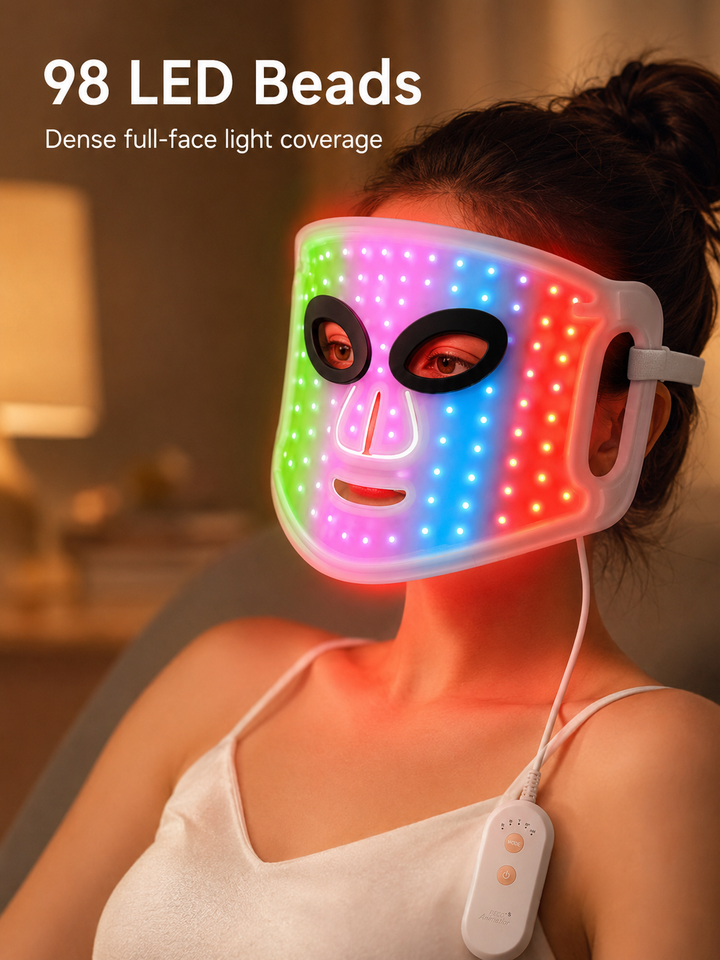
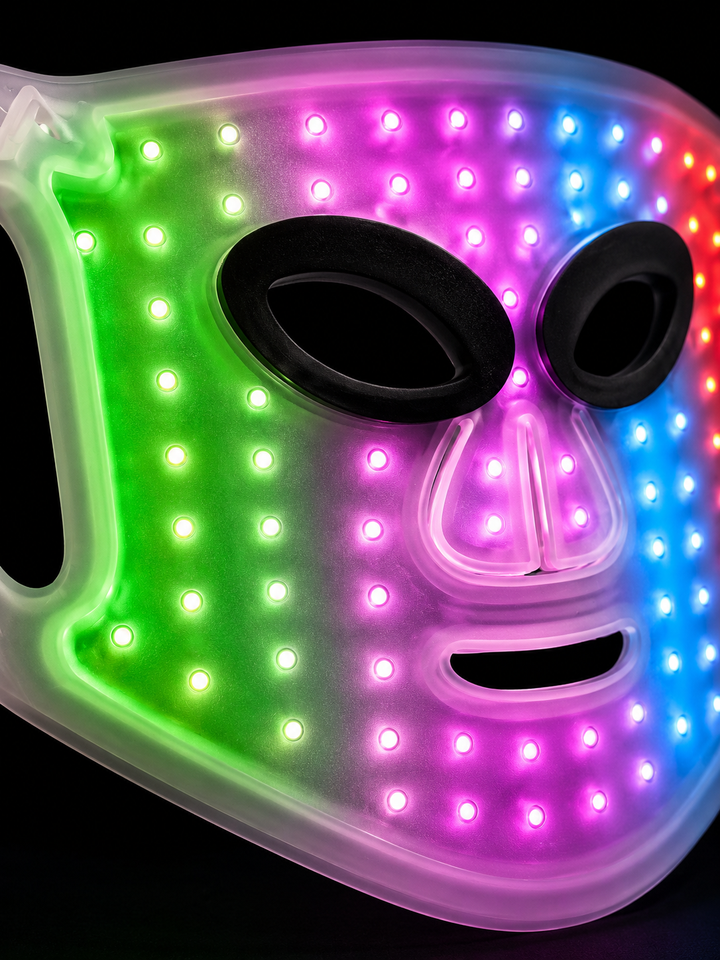
LED masks differ mainly by wavelength selection, coverage, construction, and session controls. Red-light masks focus on red LED settings, while some products add near-infrared or infrared wavelengths. A 4-wavelength, 98-bead mask offers multiple light options and broad facial coverage, but more settings do not automatically make it the right choice. A 7-color photon device may appeal if you want color-based modes in one unit. Read the product instructions to learn what each mode is intended for, rather than assuming every color provides the same result. “Infrared face mask benefits” are often discussed online, but wavelength, output, fit, and use instructions vary between products, so compare specifications instead of relying on the label alone.
What to look for in a dermatologist-style LED face mask
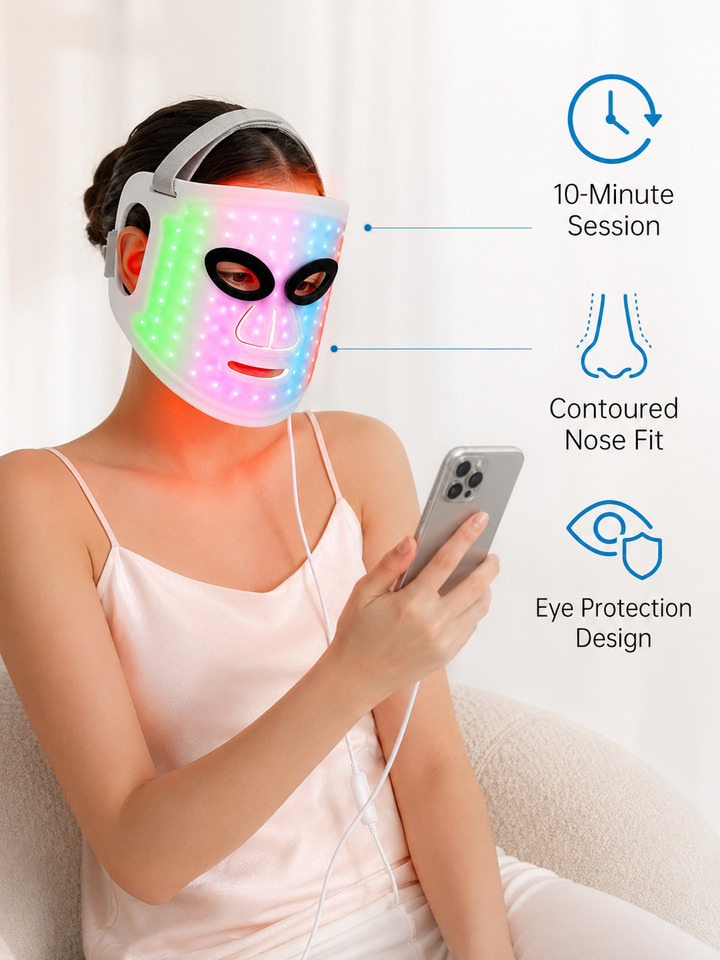
When shoppers search for the best LED face mask dermatologist recommendations, they usually want a product with understandable specifications and sensible safety guidance. Look for the listed wavelengths, recommended session length, treatment frequency, eye-safety instructions, and a clear explanation of the controls. A close, even fit can make the experience more consistent, while adjustable straps help prevent pressure on the face. Consider whether the mask is rechargeable, how long the battery lasts according to the product information, and whether the surface can be wiped clean. Avoid choosing solely because a listing promises dramatic results. If you have a light-sensitive condition, take photosensitizing medication, use prescription skincare, or have concerns about eye exposure, ask a qualified healthcare professional before use.
How to use an LED red light therapy face mask
Begin with clean, dry skin unless the product instructions say otherwise. Remove makeup, position the mask so the light sits over the intended facial areas, and secure it without overtightening the strap. Use the stated session length and mode; do not extend sessions simply because the light feels gentle. Keep your eyes protected as directed, particularly when using a bright setting. Afterward, follow your usual skincare routine and clean the mask according to its care instructions. Take note of any discomfort, unusual warmth, redness, or eye irritation and stop using the device if these occur. Consistency matters more than adding extra sessions. A “series 2” or upgraded model should still be used only according to its own instructions, since controls and recommended timing can differ.
What are the common LED mask mistakes
One common mistake is treating every LED face mask as interchangeable. Devices can use different wavelengths, power levels, coverage patterns, timers, and eye-protection requirements. Another is applying heavy makeup or products not intended for light exposure before a session, which can interfere with the routine or increase sensitivity for some users. Do not use a mask longer or more often than directed, share it without cleaning, or place it on irritated or broken skin unless a professional advises you to do so. Avoid assuming that red, blue, infrared, or multi-color modes have identical purposes. Finally, do not judge a product by bead count alone: fit, comfort, instructions, and regular use are equally important when comparing LED therapy masks.
Who are LED therapy masks suitable for
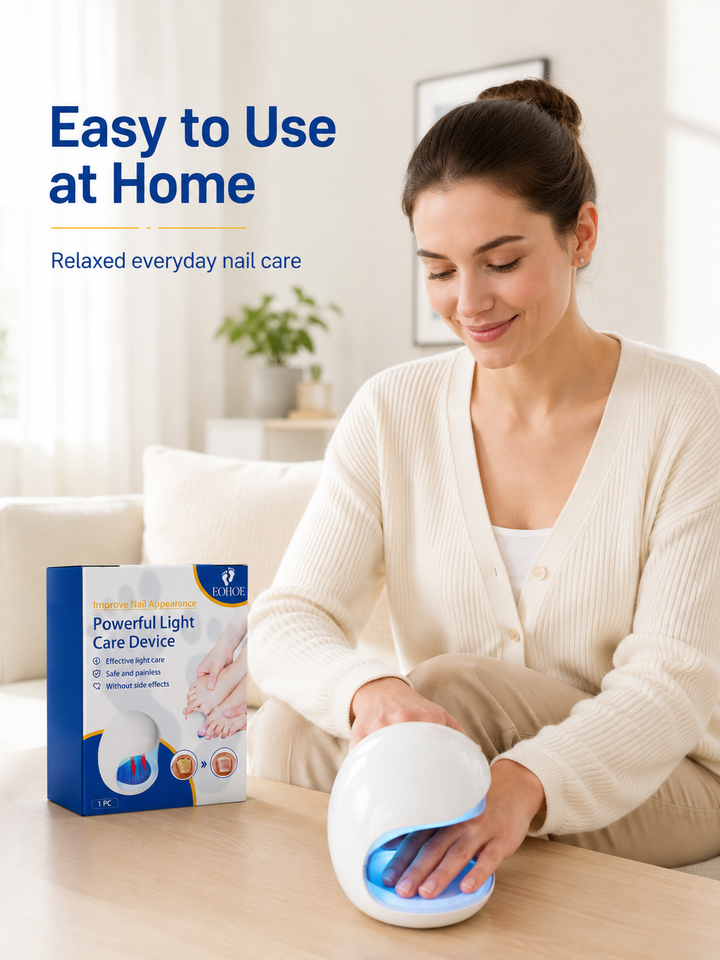
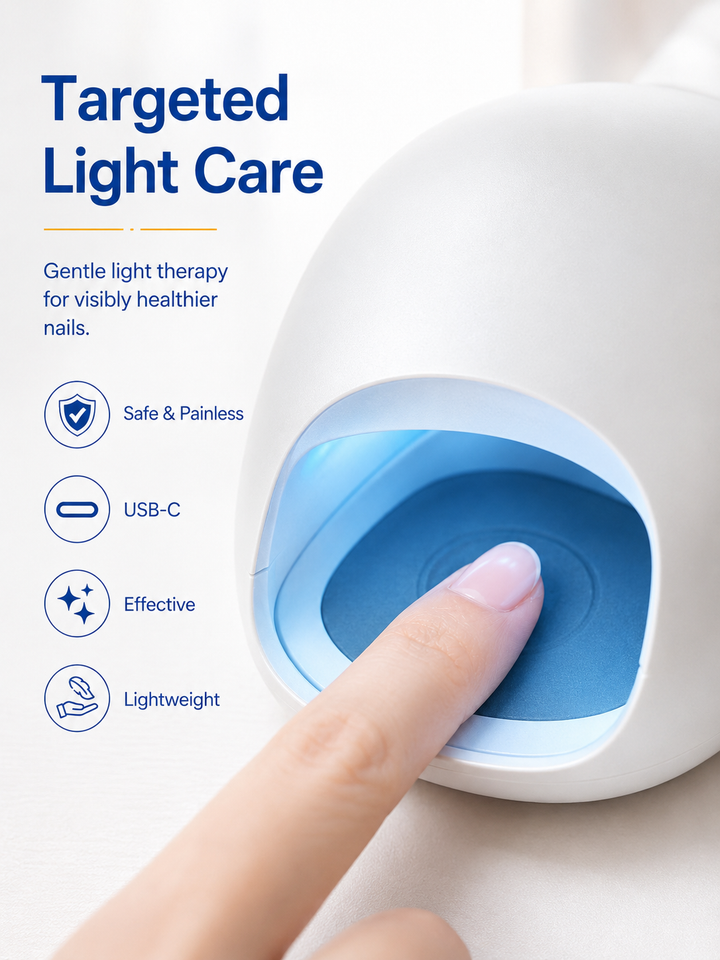
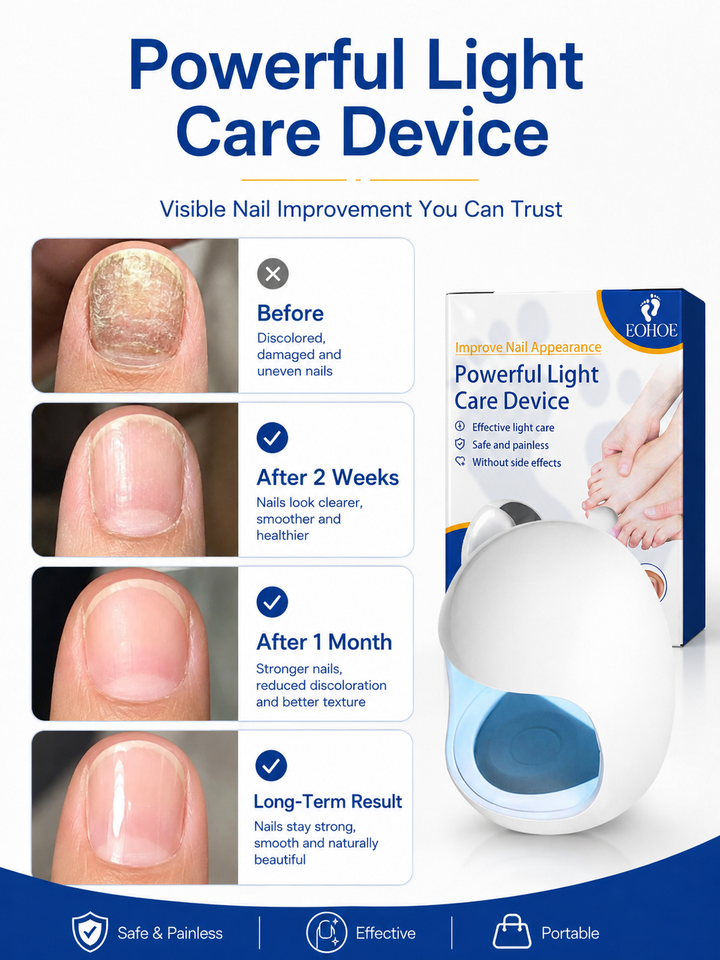
LED face masks may suit adults who want a convenient, non-invasive addition to a regular skincare routine and are comfortable following device instructions. They can be useful for shoppers who prefer home light therapy over a larger handheld device, especially when the mask includes a timer, adjustable fit, and rechargeable operation. They are not ideal for everyone. If you have eye concerns, significant light sensitivity, a condition affected by light, are taking photosensitizing medication, or are pregnant and unsure about use, seek professional guidance first. The same category may include unrelated light products, such as an LED nail light therapy device, so confirm that the product is specifically designed for facial use. Choose based on your skin routine and comfort rather than expecting guaranteed results.
Frequently asked questions
Does LED face mask therapy actually work?
Evidence and results can vary by wavelength, device design, usage, and individual response. Some people use LED masks as an at-home skincare complement, but a product page should not be treated as proof of a guaranteed outcome. Follow the device instructions and discuss expectations with a qualified professional if you have a specific skin concern.
Are LED face masks good for your skin?
They may be a convenient addition to a skincare routine when used as directed, but “good” depends on the device, your skin, and how you use it. LED masks are not a replacement for sunscreen, gentle cleansing, moisturising, or professional care. Stop if you experience discomfort, irritation, or eye symptoms.
What are the disadvantages of LED light therapy masks?
Potential drawbacks include upfront cost, the need for regular use, visible bright light, fit or strap discomfort, charging requirements, and cleaning. Some users may experience irritation or eye discomfort, and not every mask provides the same wavelengths or controls. Check the instructions and seek advice before use if you have light sensitivity or take photosensitizing medication.
Do dermatologists recommend LED masks?
Some dermatologists may discuss LED devices as one option within a skincare routine, but recommendations depend on the person, the device, and the skin concern. A dermatologist can help assess whether a mask is appropriate and explain precautions. Look for transparent specifications and safety instructions rather than relying only on a recommendation claim.
What is the downside of red light therapy?
Red-light devices can require repeated sessions and may not suit people with certain light sensitivities, eye concerns, or medication-related precautions. Results are not guaranteed, and different products can vary in wavelength, output, fit, and instructions. Stop using a device if it causes discomfort and ask a healthcare professional about any personal risks.
What does Mayo Clinic say about red light therapy?
Mayo Clinic information describes red-light therapy as an area with potential uses but notes that research, device quality, and long-term questions can vary by application. It is not a substitute for a diagnosis or treatment plan. For personal guidance, consult a qualified healthcare professional and use any LED mask only as directed.