
$79.90
Free delivery · 7–14 days
LED Facial Massager for At-Home Skin Rejuvenation Care


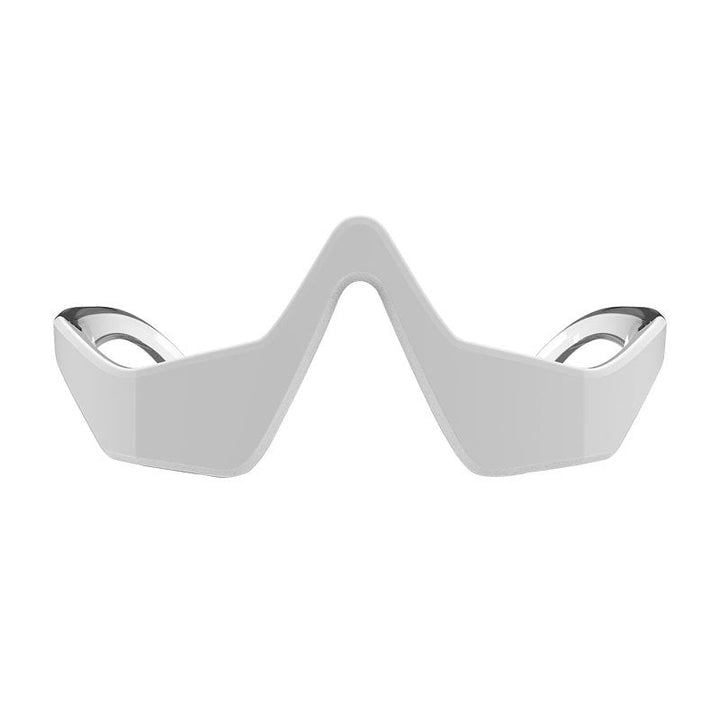


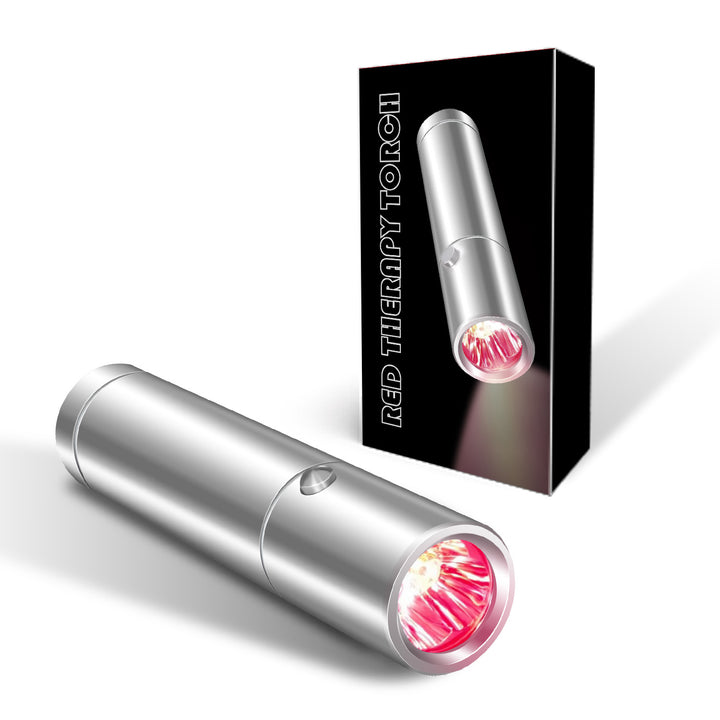
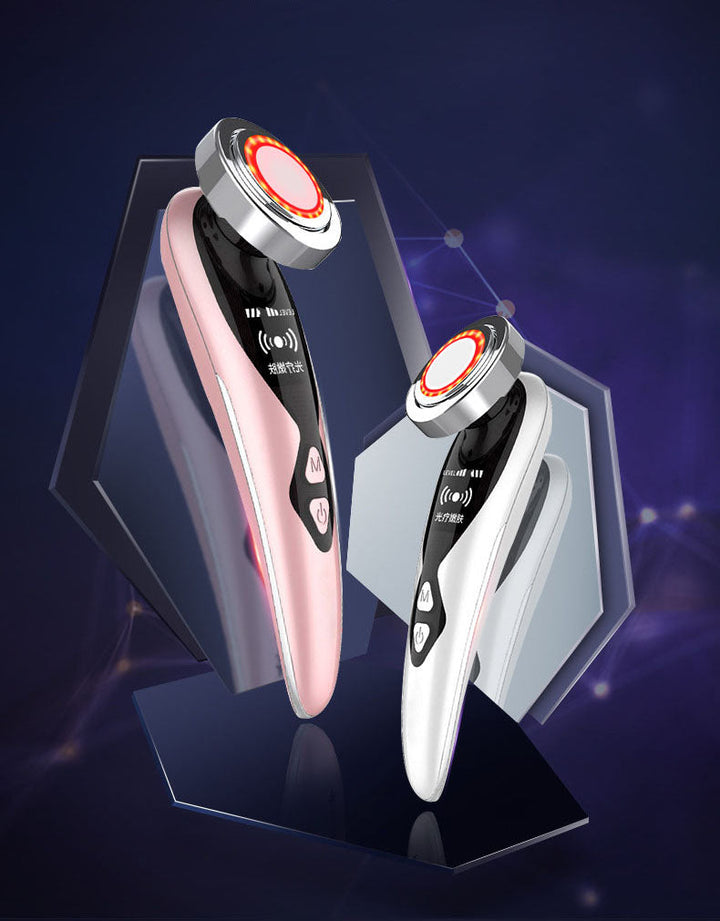
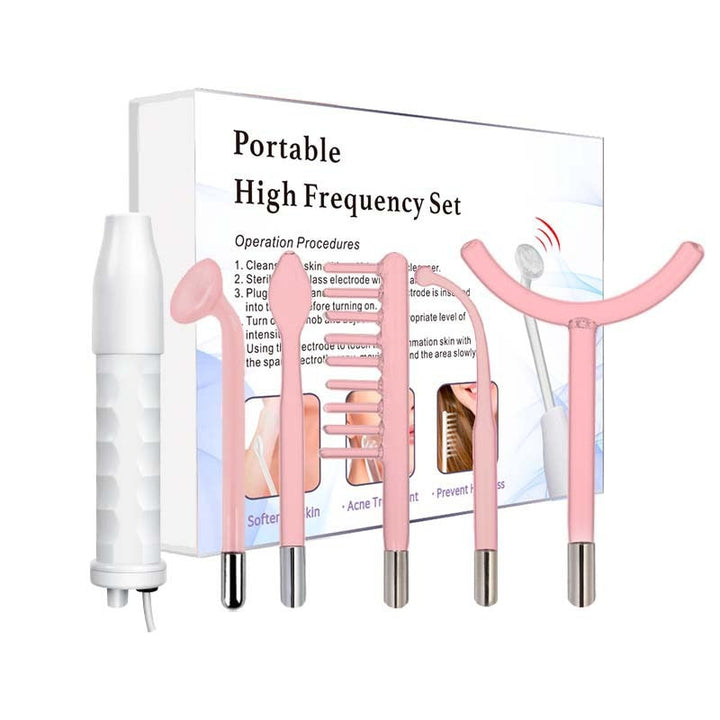

LED face masks and related facial devices use colored light, massage, heat, cleansing, or a combination of features for an at-home skin care routine. Use this guide to compare mask styles, understand practical features, and choose a device that fits your schedule and comfort preferences.
Start with the format you are most likely to use consistently. A full LED light therapy mask covers much of the face, while a 7-color mask offers different light settings for a more customizable routine. If you prefer hands-on care, consider an LED facial massager, red light face massager roller, or facial massager with red light therapy. A sonic LED facial brush combines cleansing with tri-light treatment, and a silicone cleansing brush adds heat and light to a face-washing routine. Check whether the device is cordless, rechargeable, adjustable, and comfortable to wear or hold. Also review the included instructions, recommended session length, eye protection guidance, and cleaning requirements before choosing among the best LED face masks for your needs.
LED masks are designed for hands-free coverage and can be convenient while you relax. A 7-color LED facial mask is suited to shoppers who want multiple light options, while a dedicated LED light therapy mask keeps the design focused on a simple face routine. LED facial brushes and silicone cleansing brushes are useful if cleansing is a priority; their contact with the skin may make them feel more interactive than a mask. Rollers and handheld massagers target selected areas, such as the jawline or cheeks, and allow you to control pressure and movement. Neck-and-face lifting devices extend treatment beyond the face. Compare coverage, contact style, controls, charging, and storage rather than assuming one format is automatically the most effective LED face mask.
Look for clear product information about the light colors or modes, operating controls, treatment area, power source, and cleaning instructions. A flexible mask or soft-contact design may sit more comfortably, while a handheld device can be easier to position around the eyes, nose, jaw, and neck. If you are comparing infrared face mask benefits, confirm that the product specifically lists infrared or near-infrared functionality instead of assuming every red-light device includes it. Read the full safety guidance, including eye protection, use around photosensitizing products, and restrictions for sensitive skin or specific conditions. For searches such as best FDA approved LED face mask, verify any regulatory wording on the product listing and manufacturer documentation; do not treat marketing language or customer reviews as proof of approval.
Begin with clean, dry skin unless the product instructions say it can be used with a cleanser or skincare product. Position a wearable mask securely without forcing it against the face, or glide a roller and handheld massager gently over the intended areas. Follow the device's stated session time and schedule rather than extending use for faster results. Keep LED surfaces, silicone heads, and charging contacts clean according to the care instructions. Use eye protection when directed, and stop if you notice discomfort, unusual warmth, irritation, or changes in vision. Before using an LED face mask, review the manual and ask a qualified health professional if you have a light-sensitive condition, take photosensitizing medication, or are unsure whether the device is suitable for you.
Common practical disadvantages include the upfront cost, the need for repeated use, charging or cable management, and the fact that a rigid mask may not fit every face shape comfortably. Bright light can feel unpleasant, and heat or pressure may bother some users. Side effects can include temporary redness, warmth, dryness, or irritation, although individual responses vary and product instructions should take priority. A handheld roller or massager may avoid some fit issues but requires more effort and consistent movement. Avoid using a device over broken or irritated skin unless its instructions specifically allow it. If discomfort persists, stop using it and seek appropriate professional advice. Do not select a device solely because it promises dramatic LED face mask before and after results.
LED face masks may suit shoppers who want to add a structured, at-home light-based device to their existing skin care routine without visiting a treatment location. Choose a hands-free mask if convenience matters, or a cleansing brush if you want to combine facial cleansing with light and sonic action. A neck-and-face device may appeal to anyone who wants coverage beyond the face, while a roller or massager can be easier to use on specific areas. These devices are not a replacement for diagnosis, prescribed treatment, or basic skin care such as gentle cleansing and sun protection. If you are comparing the best LED face mask dermatologist recommendations, use professional advice as a starting point and check the exact device's instructions, features, and safety information before buying.
LED face masks can provide a consistent, at-home light-based skin care routine, but results vary by device, use pattern, and individual skin. Check the stated light modes, instructions, and realistic product information rather than relying only on before-and-after photos. Consistent use as directed is more appropriate than extending sessions or expecting instant results.
Potential drawbacks include cost, repeated-use requirements, bright light, heat, charging, and an uncomfortable fit for some users. Masks may also need careful cleaning and eye protection. A handheld roller or massager can offer more control, but it is less hands-free.
There is no single most effective LED face mask for everyone. Compare light modes, face and neck coverage, comfort, controls, safety instructions, and how easily the device fits your routine. The most useful choice is one you can use correctly and consistently.
An LED face mask is designed to add light-based care to an at-home skin care routine. Depending on the model, it may also provide massage, heat, cleansing, or coverage for the neck. Check the individual product description because features and light settings differ.
Red-light devices can be inconvenient if they require regular sessions, charging, or uncomfortable positioning. Brightness, warmth, dryness, or irritation may occur for some users. Follow the product guidance, protect your eyes as directed, and stop use if you experience persistent discomfort.
Use the mask according to its own manual because recommended schedules differ between devices. Do not assume that longer or more frequent sessions produce better results. Start only when you understand the eye-safety, skin-sensitivity, and cleaning instructions.