Face Lifting Devices: LED Light Therapy for Skin Care
16 items
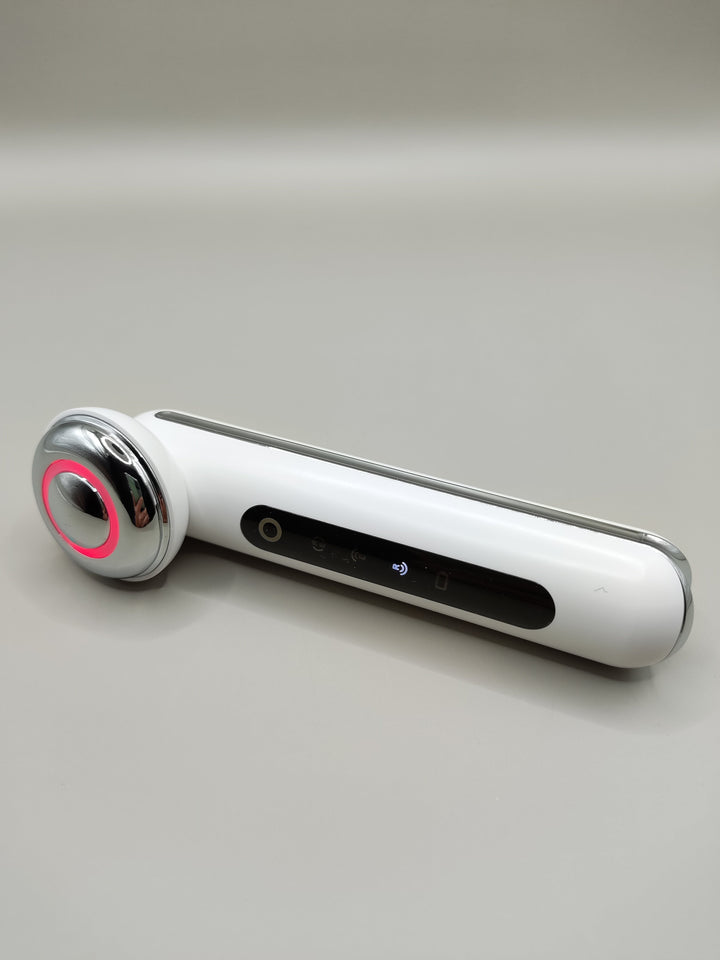
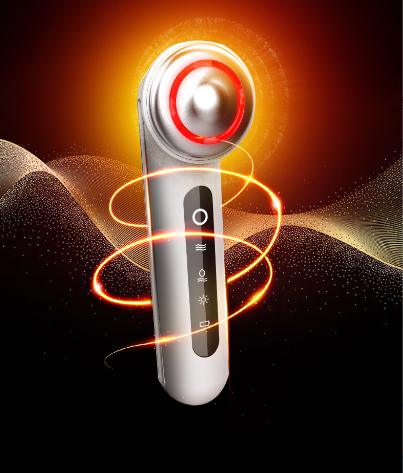

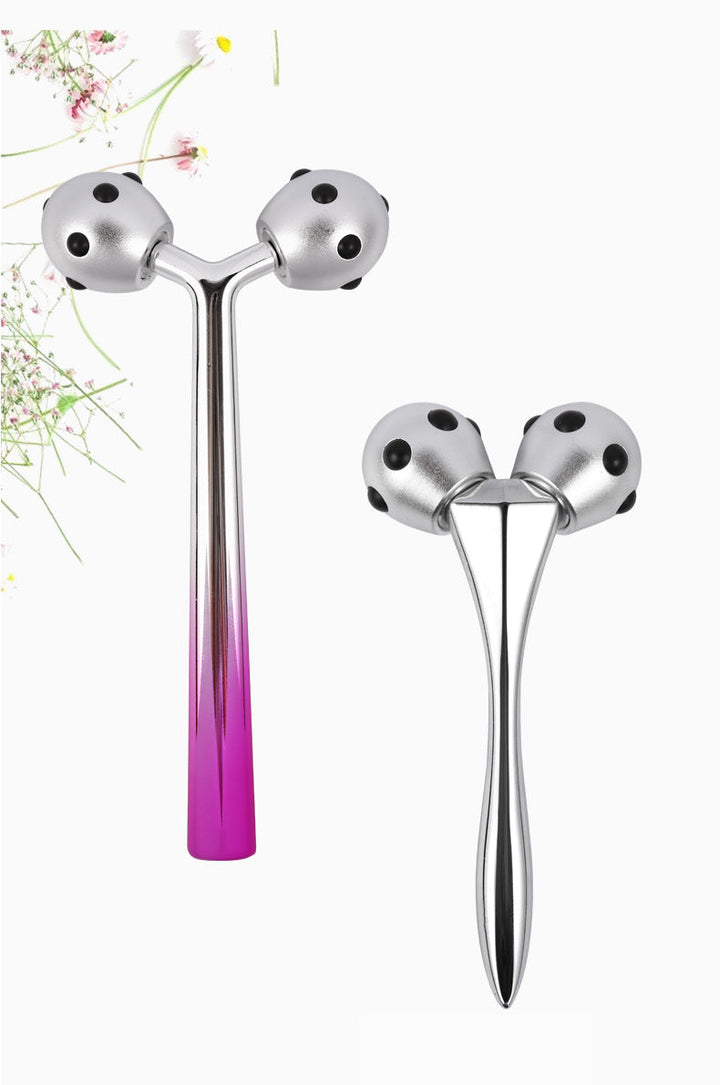
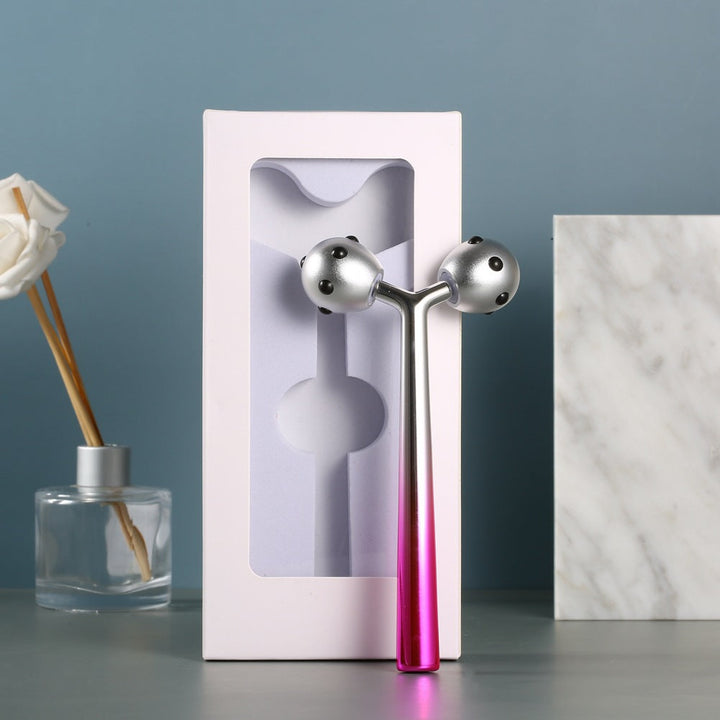
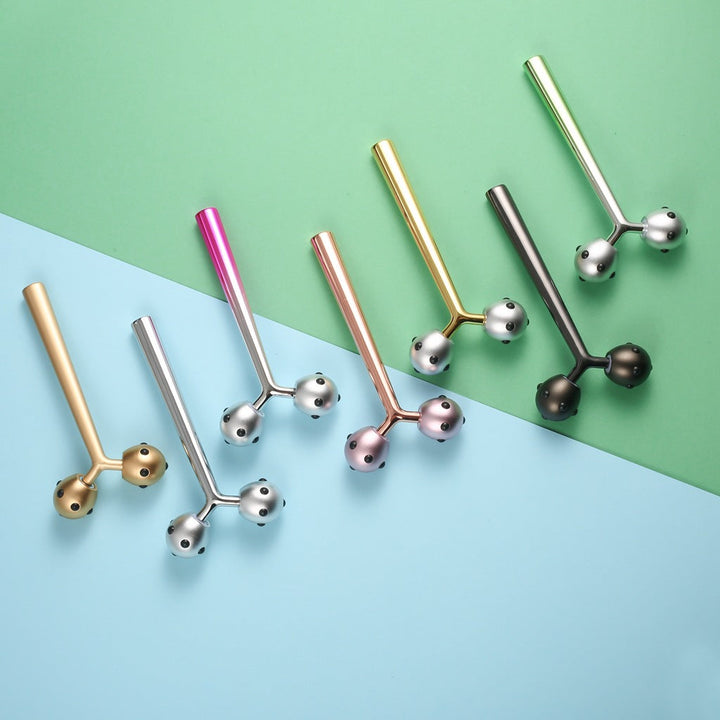


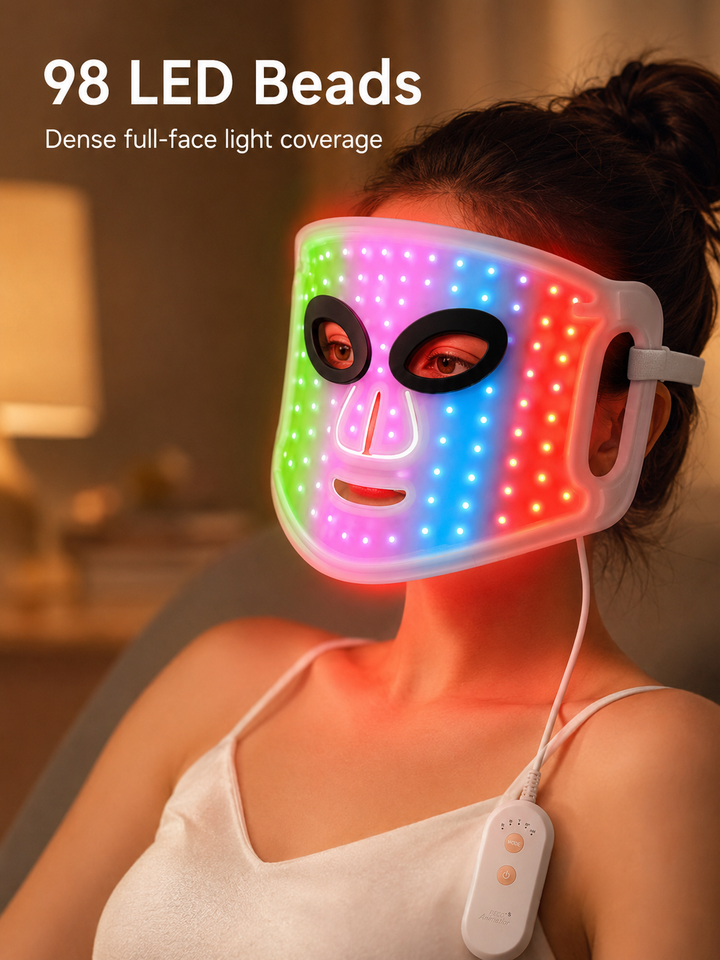
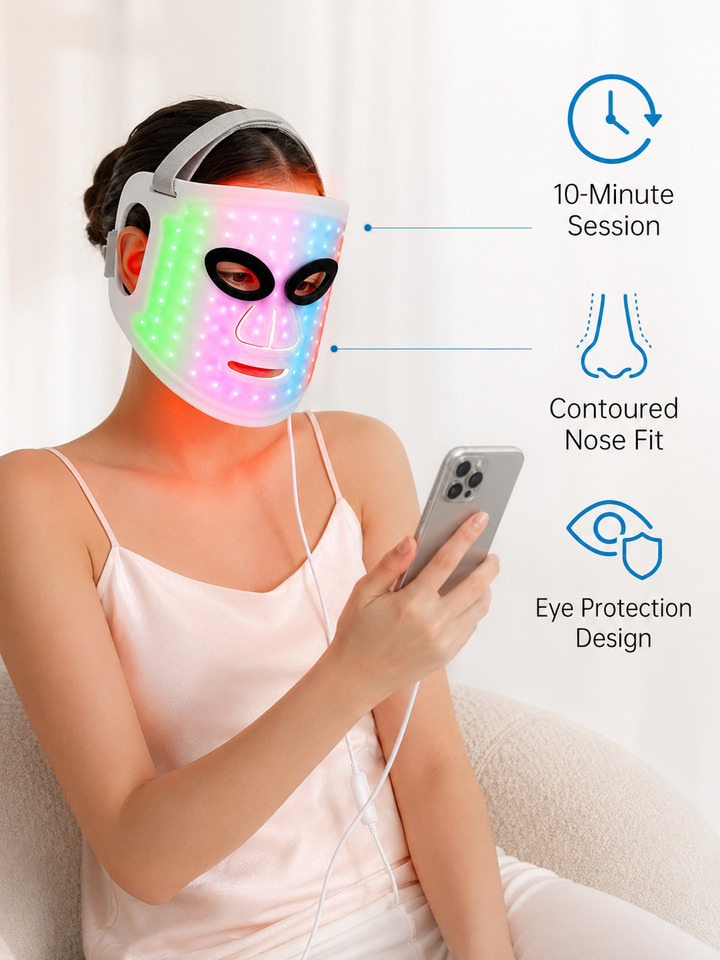
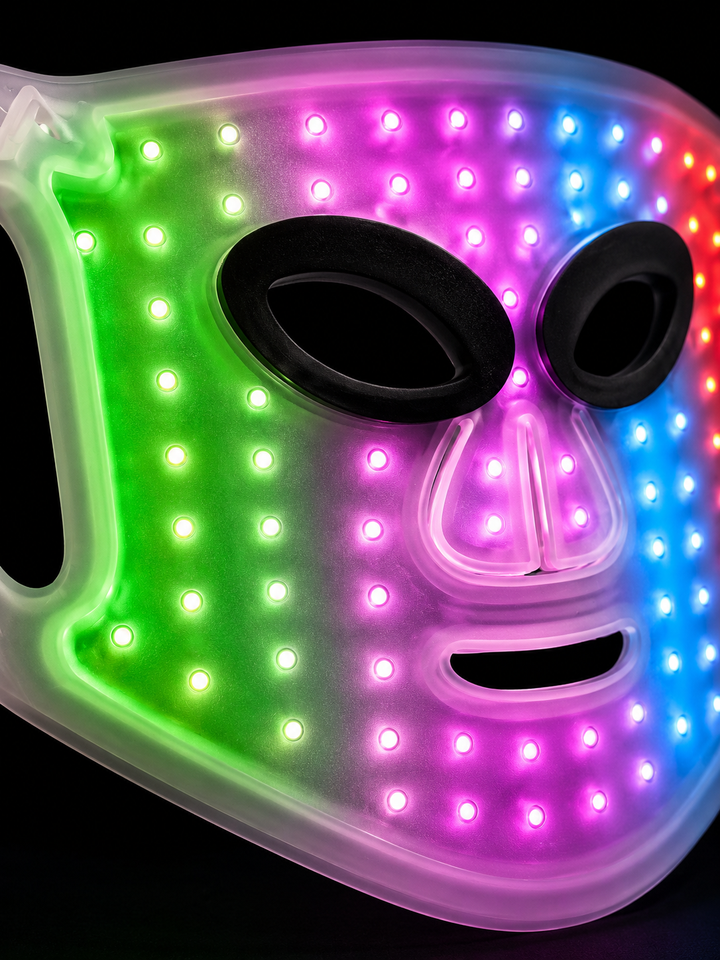


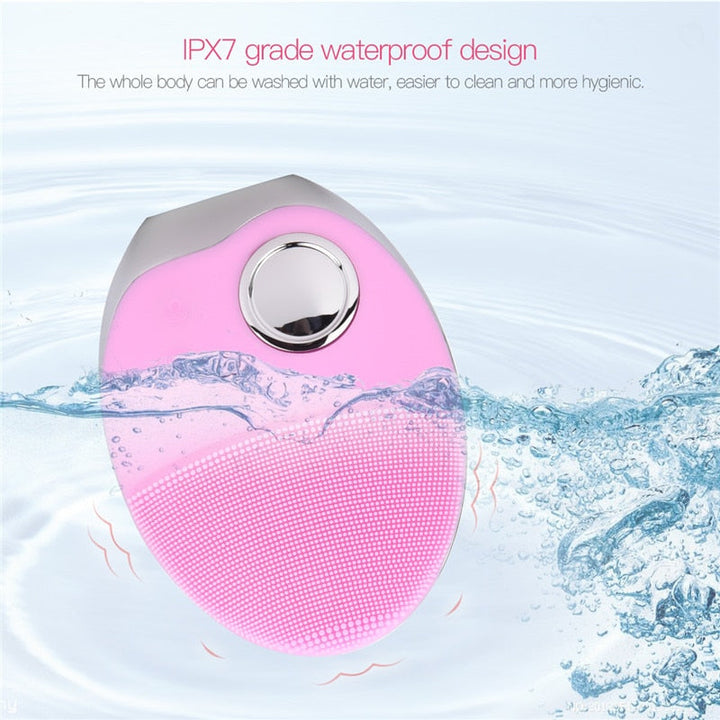
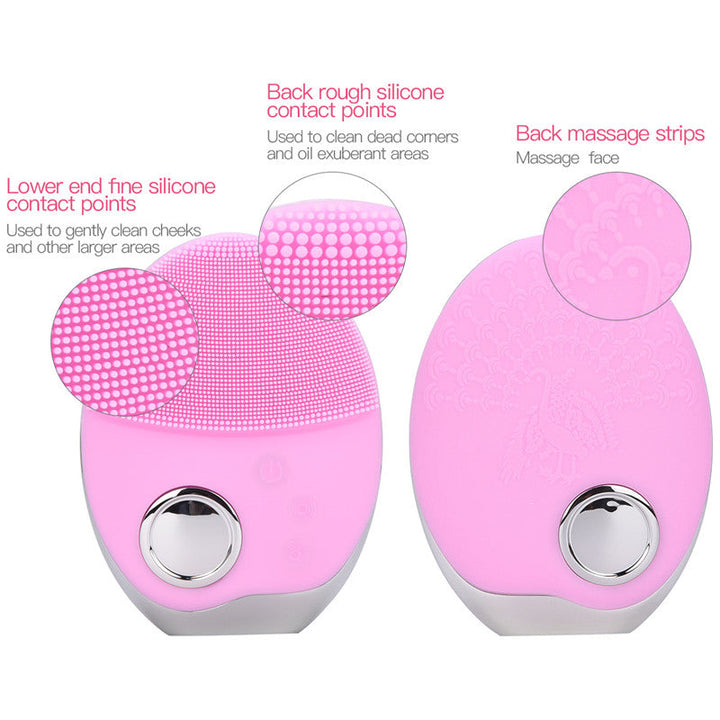
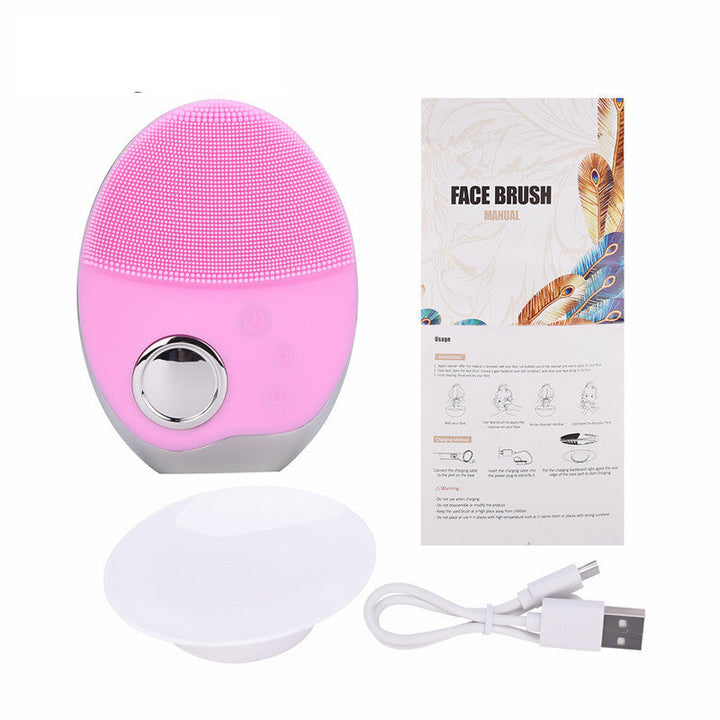

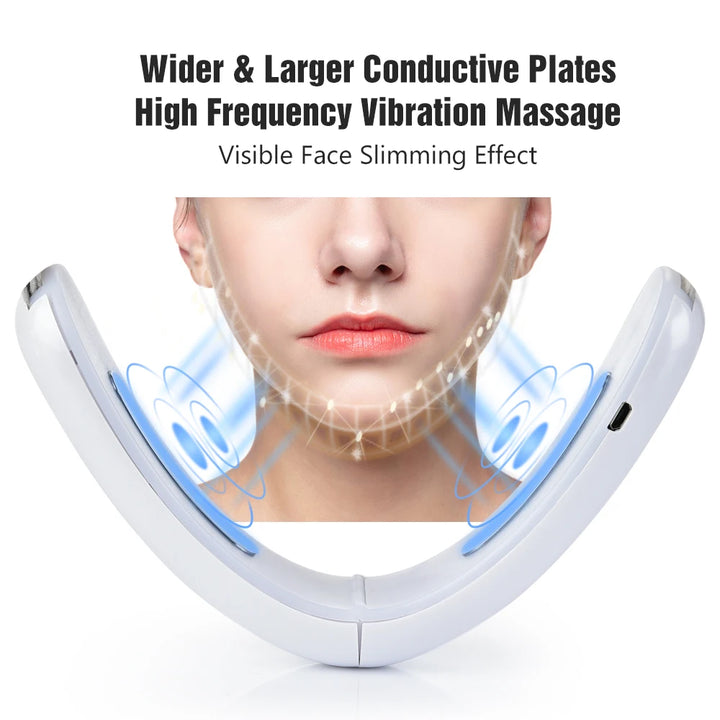
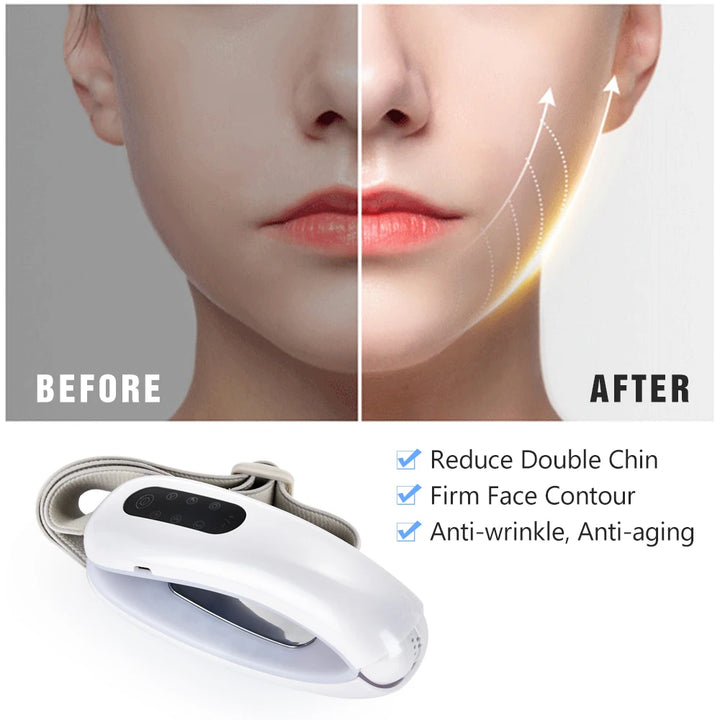
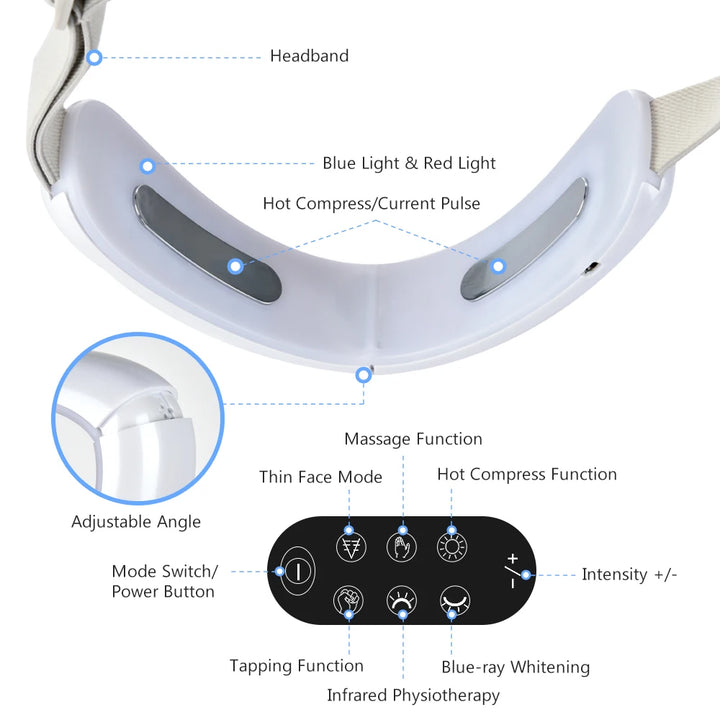

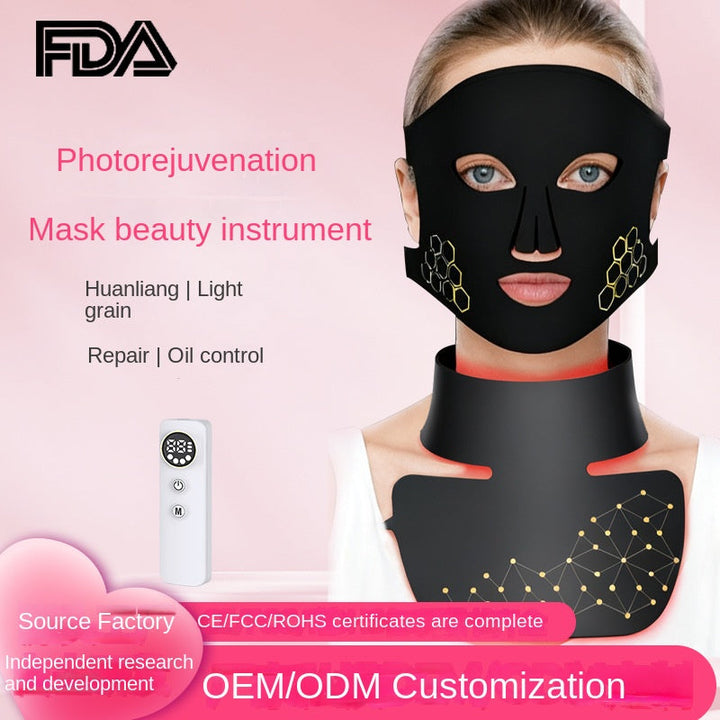
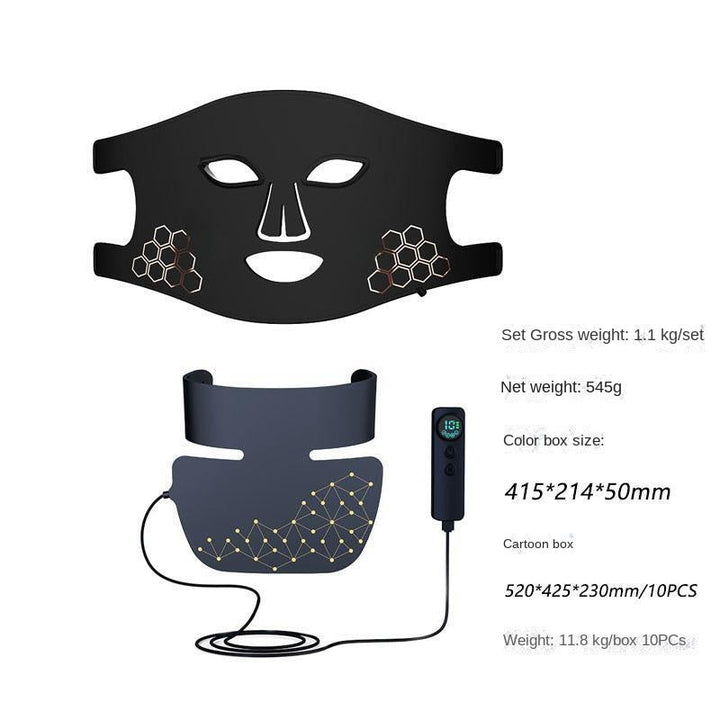
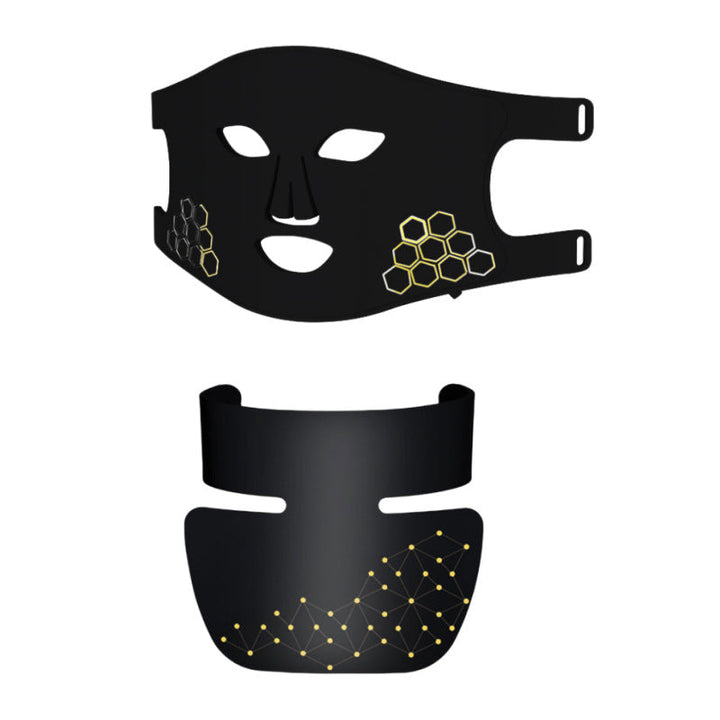

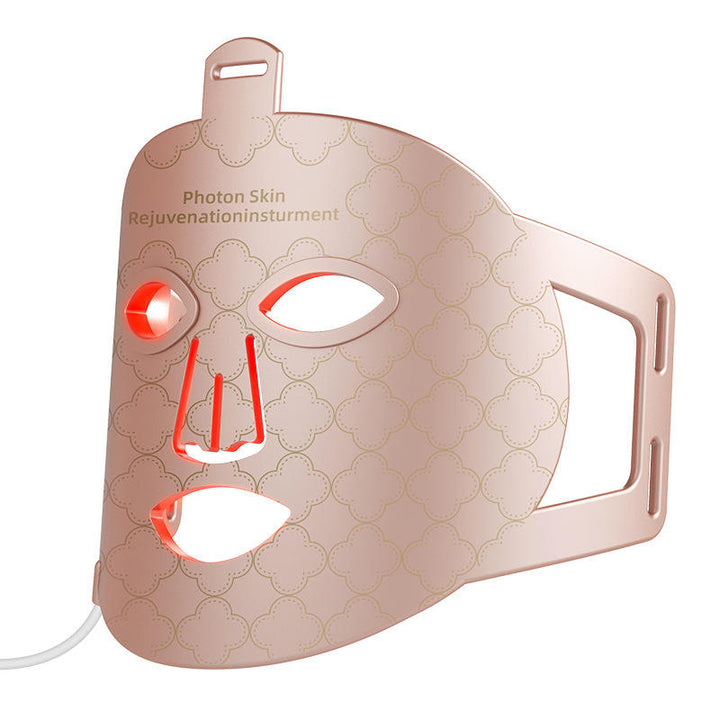
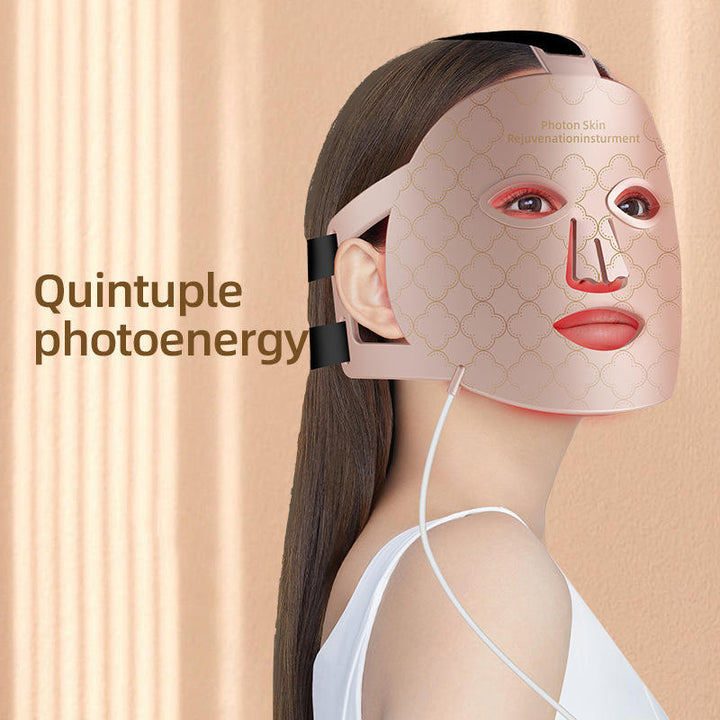


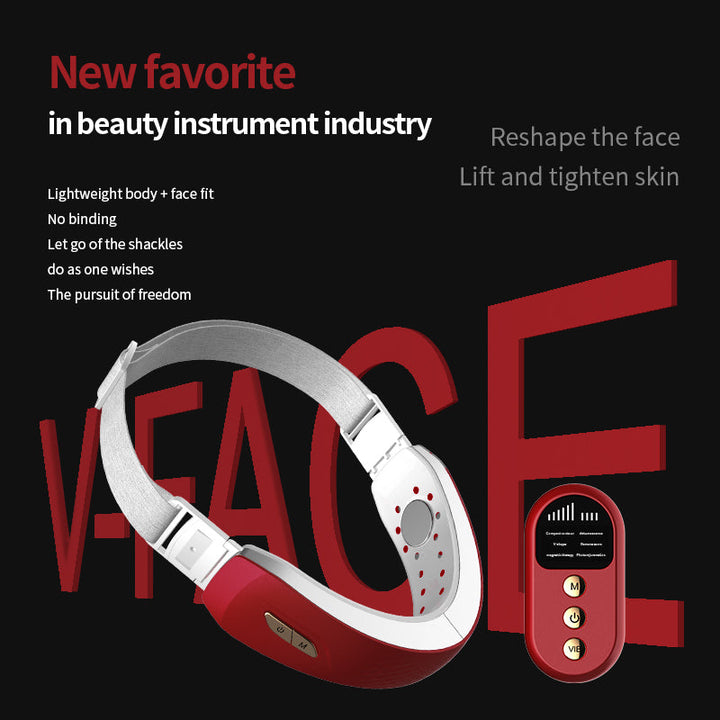
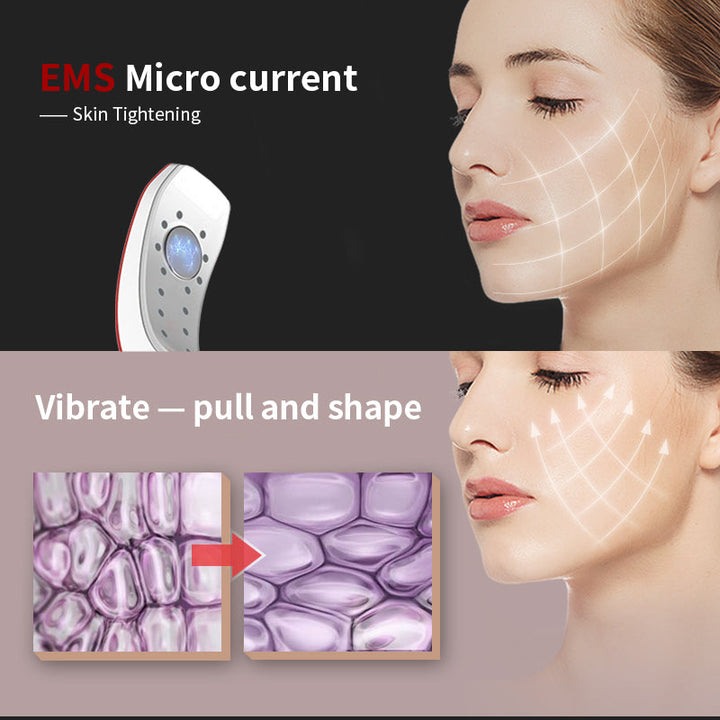
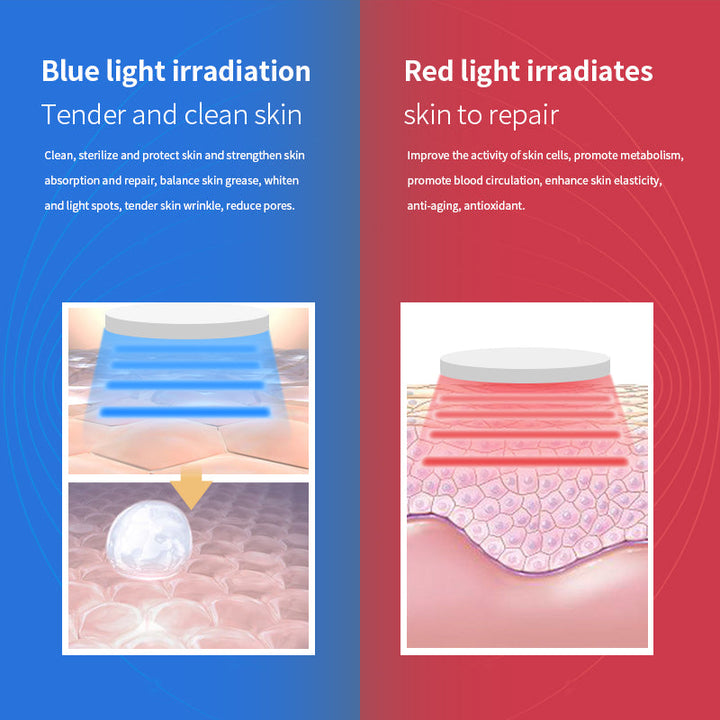


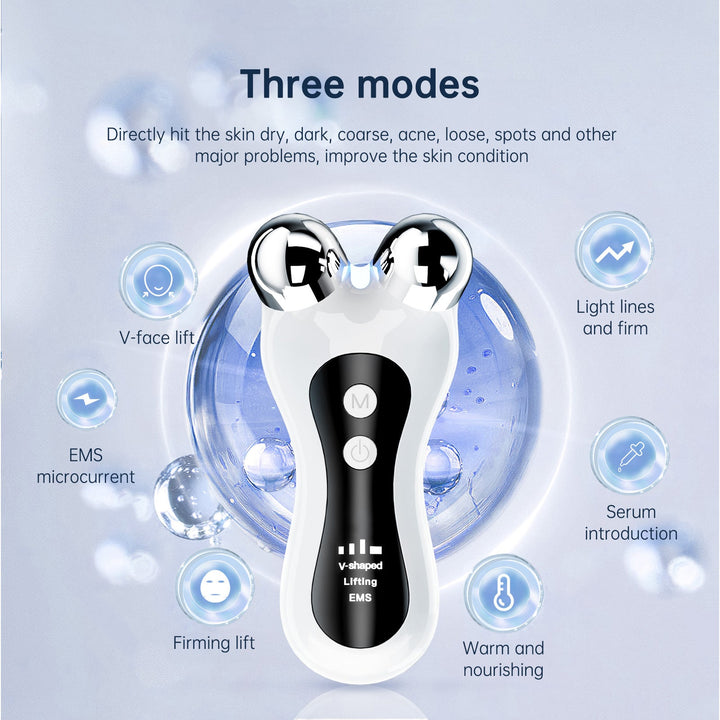
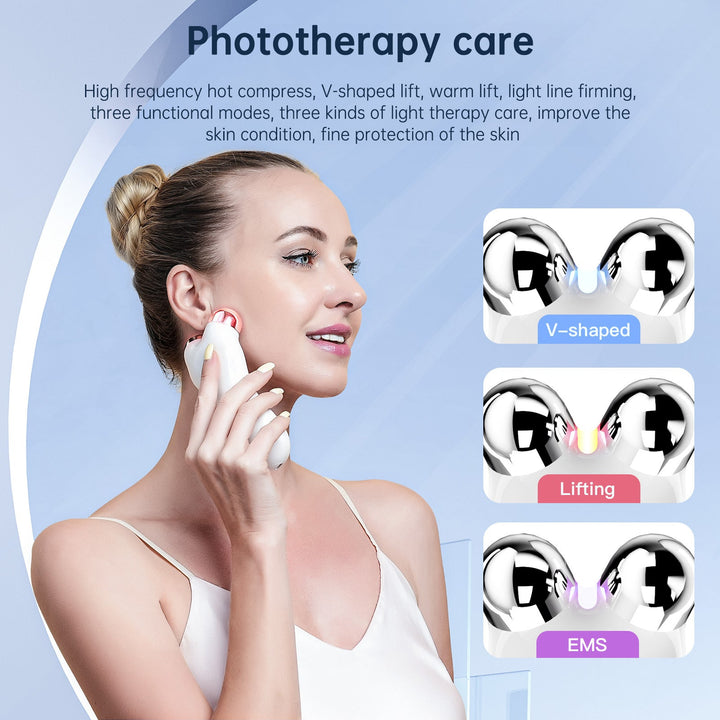

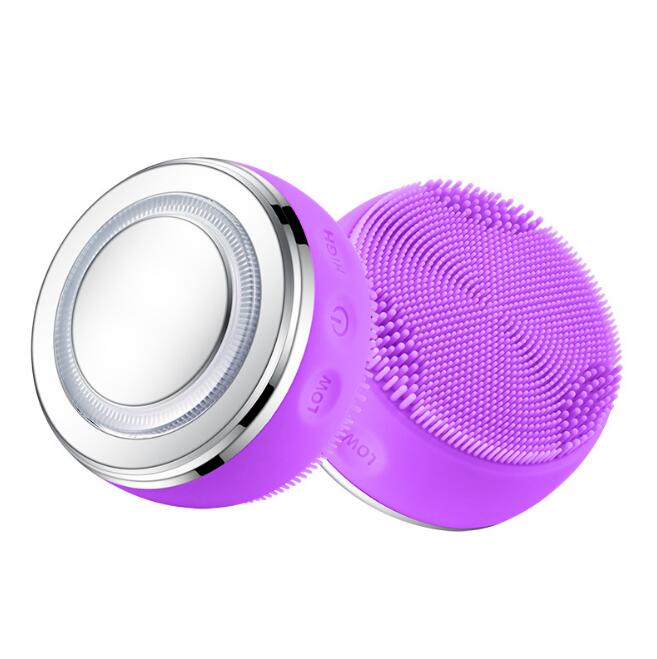
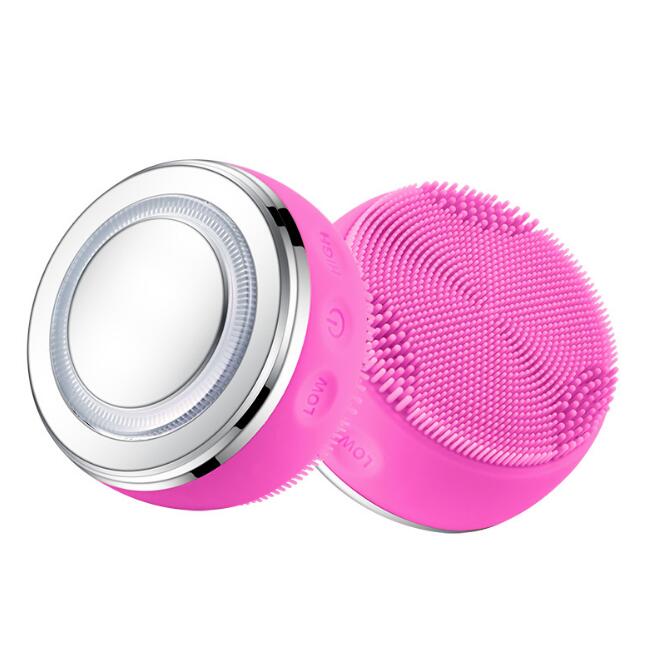


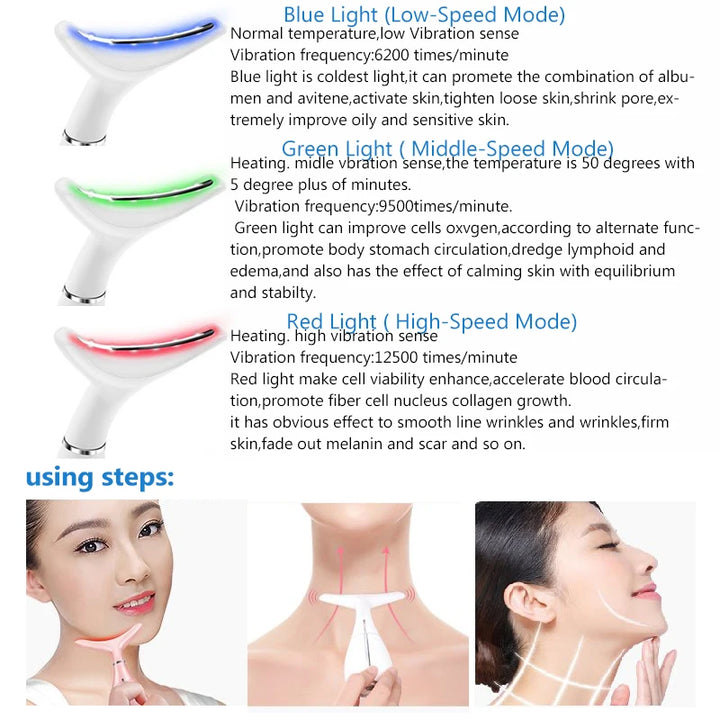
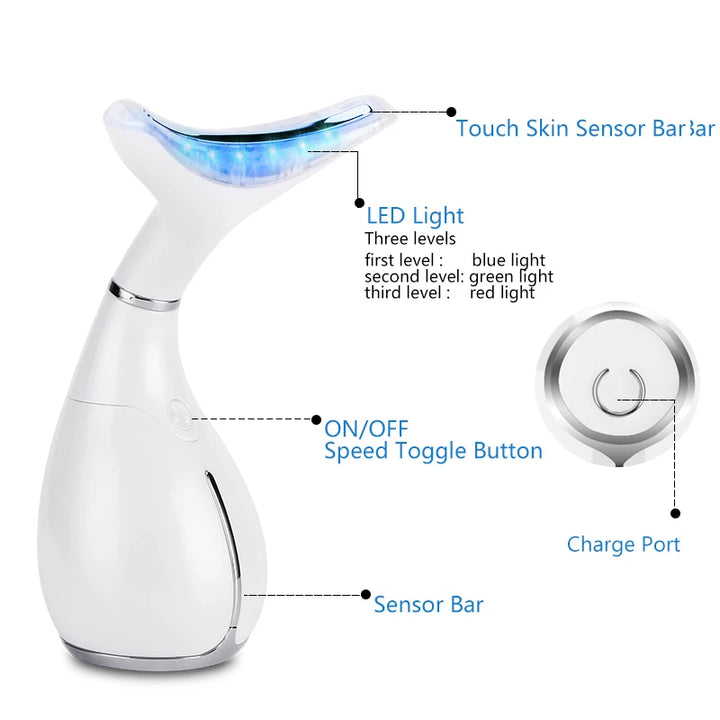
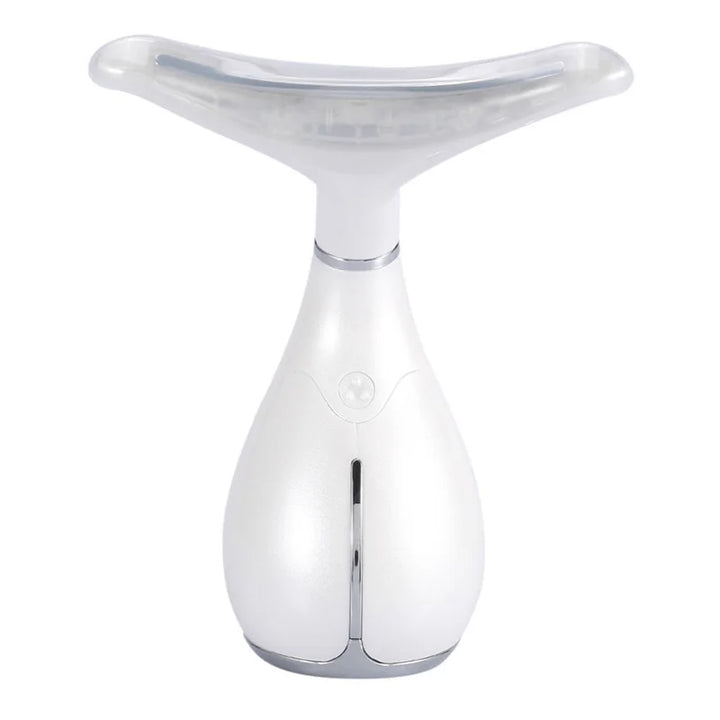

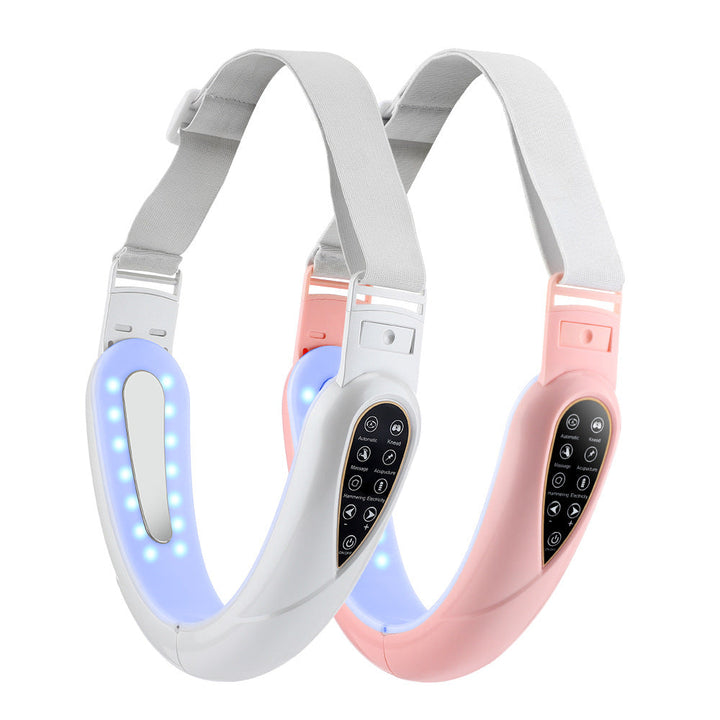
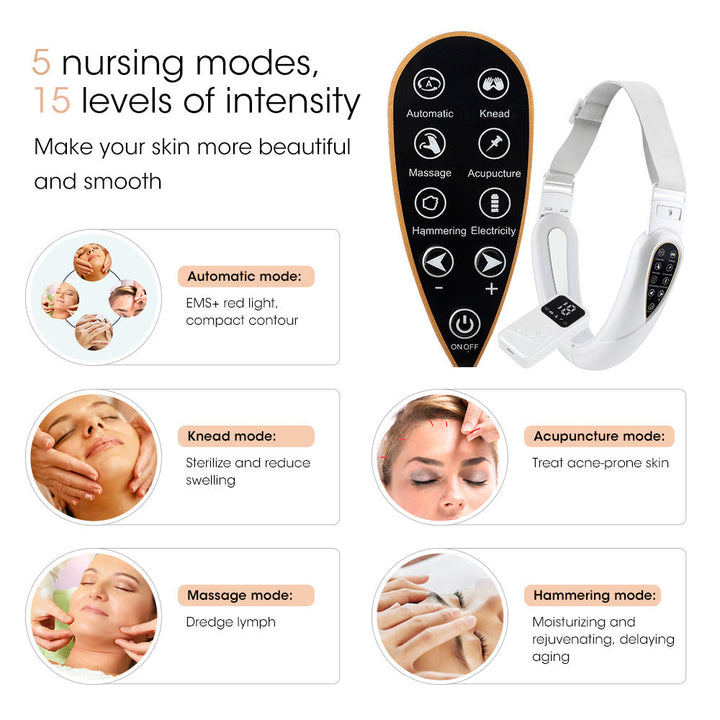
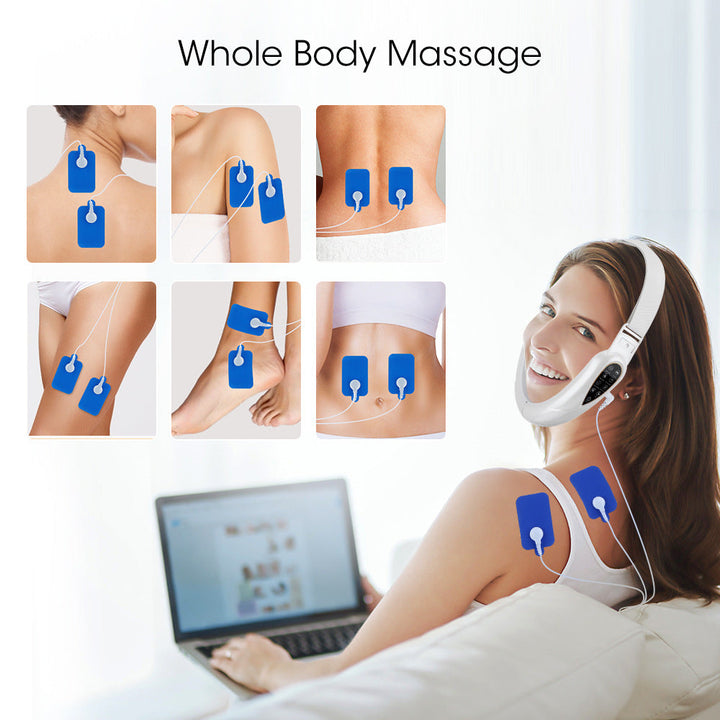

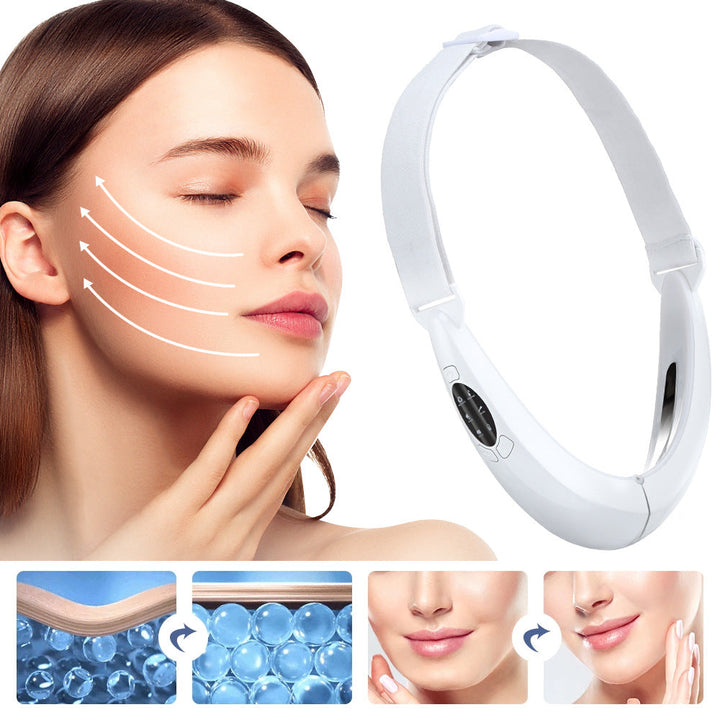
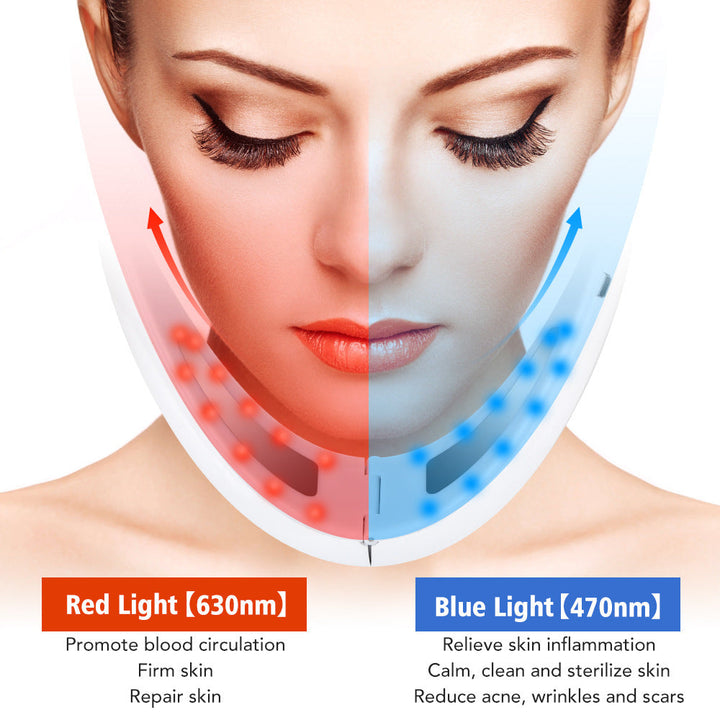
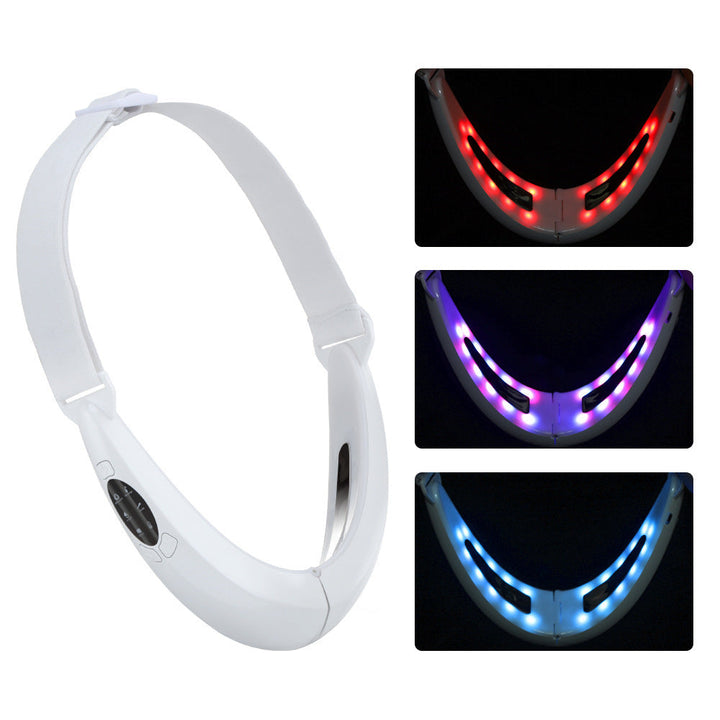
Face lifting devices combine at-home skincare routines with features such as LED light therapy, microcurrent, heat, cleansing, massage, or targeted jawline coverage. Compare the device type, treatment area, controls, and routine required so you can choose a practical option for your skin goals.
How to choose the best face lifting device
Start with the result and area you want to focus on. For a broader routine, the LED Light Therapy Neck & Face Lifting Device or LED Light Therapy Mask covers the face, while the Chin V-Line LED Light Therapy Belt is designed for the chin and lower face. If you want facial cleansing as well as light therapy, consider the Sonic LED Facial Brush or Silicone Facial Cleansing Brush. For a sculpting-focused routine, compare the Microcurrent Face Lifting Device, V-Face Skin Tightening Device, and Lifting Roller Face. Check whether the device needs charging, direct skin contact, conductive product, or regular cleaning. The best face lifting device is one that fits your schedule and feels comfortable enough to use consistently.
Which face lifting device types are compared?
LED devices use selected light modes as part of a skincare routine and include masks, face-and-neck designs, brushes, and a chin belt. A mask offers hands-free coverage, while a brush adds cleansing or sonic movement. Microcurrent devices are designed around facial toning and sculpting routines, such as the Microcurrent Face Lifting Device for the jawline. The Lifting Roller Face provides a manual massage-style experience, and the V-Face Skin Tightening Device focuses on the contours of the face. Heat can make a cleansing routine feel more comfortable, as with the Silicone Facial Cleansing Brush. Compare the format first: hands-free, handheld, rolling, or targeted. This makes it easier to narrow down a face lifting machine for skin tightening routines without expecting every device to work the same way.
What to look for in a face lifting device
Look for controls that are easy to understand, a treatment area suited to your priorities, and materials that are simple to wipe clean. For LED products, check the available light modes and whether the design covers your face, neck, or chin. A silicone brush may be useful if you want a low-maintenance surface, while a mask may suit hands-free use. For microcurrent or contouring tools, review the contact points, movement instructions, and whether the routine requires a compatible gel or serum. Also consider portability, charging, storage, and included accessories. Product pages can help you compare a face lifting device on Amazon-style shopping criteria—price, features, and reviews—but a higher price does not automatically make one device the best face lifting device for every user.
How to use a face lifting device at home
Begin with the instructions supplied with your selected device, since LED masks, brushes, rollers, and microcurrent tools have different steps. Cleanse your face first when the product is intended for use on clean skin. Apply any required conductive product before using a microcurrent device, and use light pressure with a roller or cleansing brush rather than dragging the skin. Keep LED eye protection and contact guidance in mind if the product instructions specify them. Start with the recommended routine instead of adding extra sessions or combining several devices at once. Clean and dry the device after use, especially around brush heads or contact surfaces. Take consistent, well-lit photos if you want a personal before-and-after comparison, and assess comfort and appearance over time rather than expecting an instant lift.
What are common face lifting device mistakes?
A common mistake is choosing a device for a trend rather than for the area and routine you can maintain. Another is using too much pressure with a roller or brush, moving a microcurrent tool without following its direction guide, or using LED equipment in a way that differs from the instructions. Do not assume that more frequent use will produce better results, and do not apply unsuitable products beneath a device. Mixing multiple active skincare products or several treatment devices can also make it difficult to identify what is working or causing discomfort. Keep the tool clean, charge it safely, and stop using it if the routine feels irritating. Reviews and face lifting device before-and-after photos can be useful for setting expectations, but individual results and timelines vary.
Who are face lifting devices best suited for?
These devices suit shoppers who want to add a structured facial massage, cleansing, LED, or contouring step to an at-home skincare routine. Choose a mask or face-and-neck device if broad coverage matters; choose the Chin V-Line LED Light Therapy Belt, Microcurrent Face Lifting Device, or V-Face Skin Tightening Device if your priority is the lower face and jawline. A brush may suit someone who wants cleansing built into the routine, while the Lifting Roller Face is a simple handheld option. If you are mainly concerned about sagging jowls, select a device designed to reach the chin and jawline, but keep expectations realistic: at-home tools are not the same as professional procedures. Review the instructions and consider professional advice if you have questions about whether a device is suitable for you.
Frequently asked questions
Do face lift devices really work?
Face lifting devices can support a regular skincare routine and may make skin look more refreshed, radiant, or temporarily more toned depending on the device and user. They are not the same as a surgical facelift, and results vary by product, skin, and consistency. Follow the device instructions and judge results over a realistic period rather than relying on a single use.
What is the most effective home face lift device?
There is no single device that is most effective for everyone. LED masks and face-and-neck devices suit broader coverage, while microcurrent tools, V-Face devices, and chin belts are more targeted to facial contours. Choose the option whose treatment area, routine, and controls match your priorities and that you are likely to use consistently.
Which device is best for face lifting?
The best choice depends on whether you want LED light therapy, cleansing, massage, or a jawline-focused routine. Consider the LED Light Therapy Mask for hands-free facial coverage, the LED Light Therapy Neck & Face Lifting Device for face and neck coverage, or the Microcurrent Face Lifting Device for a sculpting-focused routine. Compare instructions, comfort, maintenance, and coverage before buying.
Do face lift devices work for sagging jowls?
Some at-home devices are designed to target the chin, lower face, or jawline, including the Chin V-Line LED Light Therapy Belt, Microcurrent Face Lifting Device, and V-Face Skin Tightening Device. They may support the appearance of more defined contours as part of a consistent routine, but they cannot be expected to replicate a surgical facelift. Results vary, so review the product instructions and use the device as directed.
What at-home device is best for sagging jowls?
For a jowl-focused routine, start by comparing devices that specifically cover the chin and jawline rather than a face-only mask. The Chin V-Line LED Light Therapy Belt is targeted to the chin, while the Microcurrent Face Lifting Device is designed around tightening and sculpting the jawline. The V-Face Skin Tightening Device is another option to compare by comfort, routine, and coverage.
What device does Jennifer Aniston use on her face?
Public figures may mention different skincare tools over time, but celebrity use is not a reliable way to select a face lifting device. Focus instead on the technology, target area, instructions, and routine that suit your needs. This category includes LED masks, cleansing brushes, rollers, microcurrent tools, and chin-focused devices for different at-home preferences.