
$119.90
Free delivery · 7–14 days
168 LED Photon Mask for Red Light Facial Therapy


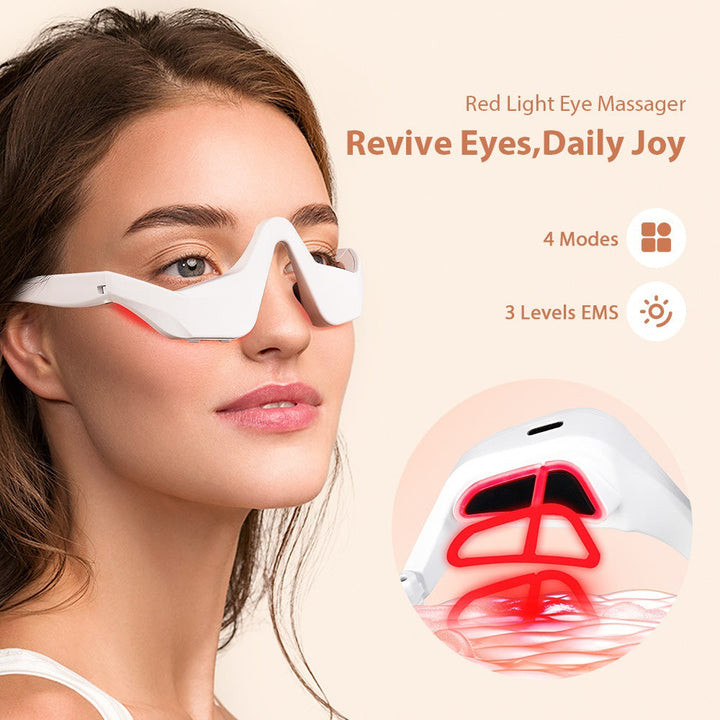


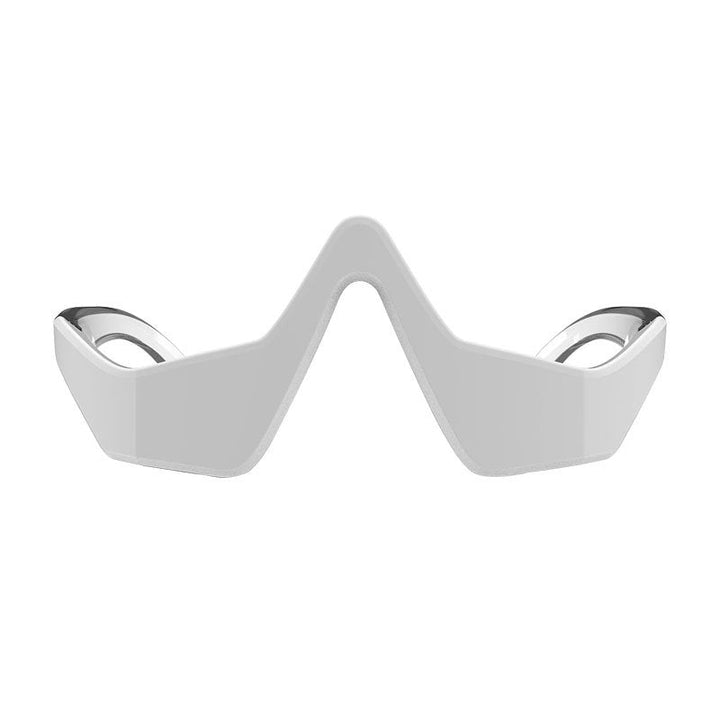

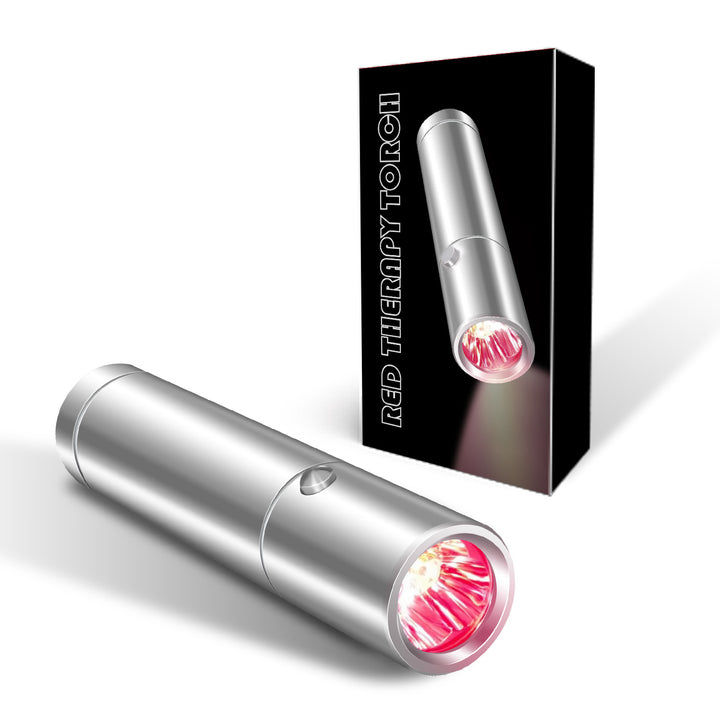
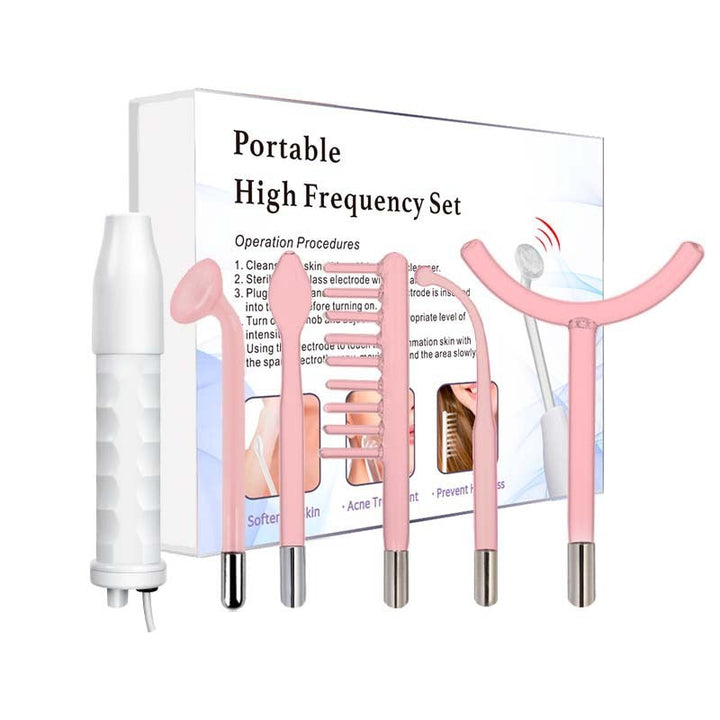
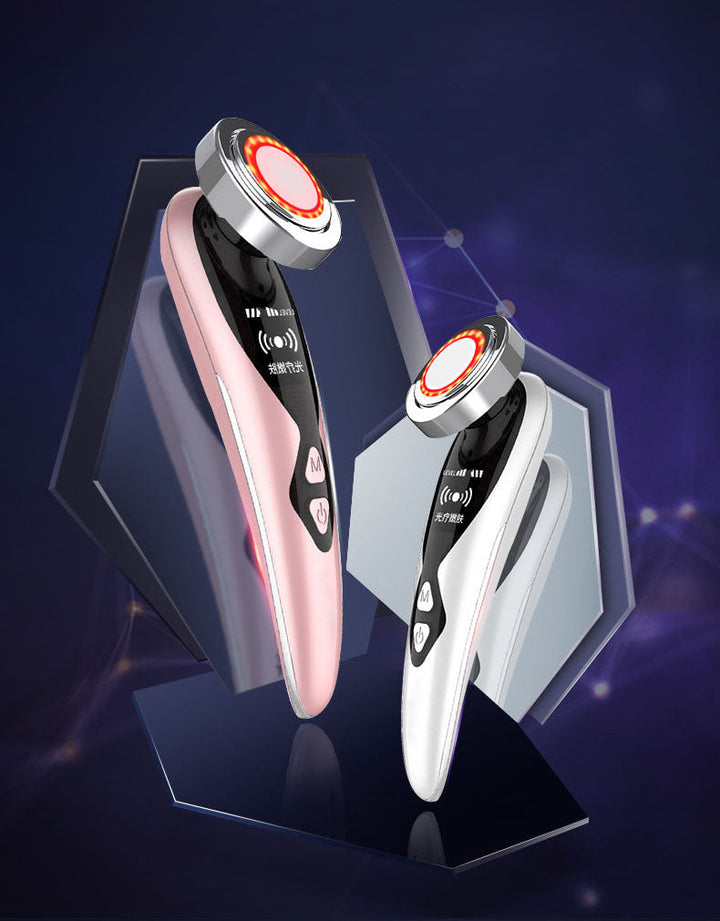

Explore LED therapy devices designed for at-home skincare routines, facial massage, cleansing, and targeted use around the face, neck, and chin. This category includes red light masks, tri-light tools, LED rollers, cleansing brushes, and flexible belts so you can compare formats, features, and everyday convenience in one place.
Start with the area you want to use it on and how much time you want to spend. Full-face LED masks provide broad coverage, while a red light face massager or roller is easier to guide around the jawline and cheeks. Neck-and-face devices are designed for a larger connected area, and a chin V-Line LED light therapy belt focuses on the lower face. If cleansing is part of your routine, consider a silicone facial cleansing brush with LED and heat functions. For hands-free use, look for a mask or belt with a secure fit and simple controls. Check the product instructions for session guidance, charging needs, included eye protection, and cleaning requirements before choosing.
LED therapy products differ mainly by coverage, light settings, and added features. Red light masks and face devices are intended for a consistent facial routine, while tri-light tools offer more than one color setting. A 7 color LED light therapy chart can help you compare the listed colors, but color names alone do not tell you which device will feel most comfortable or fit your goals. Rollers and facial massagers add manual movement, whereas masks and belts are more hands-free. Cleansing brushes combine surface cleansing with light and, in some models, heat. Compare the treatment area, controls, fit, portability, and care instructions rather than choosing only by the number of light colors.
Look for clear product information about the LED settings, treatment area, operating controls, and recommended use. A comfortable mask should sit securely without making routine movement difficult, while a roller or massager should have an easy-to-hold shape and a surface that can be cleaned. For LED therapy at home, practical details matter: rechargeable operation, an automatic timer, adjustable straps, and a compact storage design can make regular use simpler. If you are comparing red light therapy and infrared LED devices, check which light modes are actually included and whether the product is intended for the face, neck, chin, or body. Also review warnings, eye-safety guidance, return terms, and compatibility with your skincare routine.
Begin by reading the device instructions and checking that the face, neck, or chin area is clean and dry unless the product says otherwise. Position a mask, belt, or handheld tool as directed, select the intended light mode, and follow the recommended session guidance rather than extending use automatically. Keep the LEDs and contact surfaces clean, especially after using a cleansing brush or facial massager. Avoid looking directly into bright LEDs and use the supplied eye protection when the instructions call for it. Do not apply products that the device instructions advise against. After LED light therapy, continue with your normal gentle skincare steps and protect your skin from unnecessary sun exposure.
A common mistake is choosing a device by color count alone instead of checking fit, coverage, controls, and intended use. Another is using a face mask on the neck or a chin belt across the entire face when the product is designed for a specific area. Do not assume that longer or more frequent sessions are better; follow the supplied instructions. Avoid using a dirty roller, brush, or mask, and do not share a device without cleaning it properly. Review the warnings before use if you have light sensitivity, take medication that increases light sensitivity, or have an eye-related concern. Stop using the device if it causes discomfort and seek professional guidance when appropriate.
LED therapy devices may suit shoppers who want a convenient, appearance-focused skincare tool at home and prefer a repeatable routine. A full-face mask can suit someone who wants hands-free coverage, while a roller or facial massager may appeal to shoppers who prefer direct control. A cleansing brush is useful for those who want to combine cleansing with a light feature, and a neck or chin device may suit targeted routines. Results and comfort can vary, so review the product details and instructions before buying. LED therapy is not a substitute for professional evaluation or treatment. If you have a condition affected by light, use light-sensitive medication, or are unsure whether a device is appropriate, ask a qualified healthcare professional first.
LED devices use selected light settings on the skin as part of an at-home skincare routine. Products in this category are designed for uses such as facial care, cleansing, massage, and targeted work around the face, neck, or chin. Follow the individual product instructions for its intended use.
Possible concerns include eye discomfort, skin sensitivity, warmth, or irritation, depending on the device and the user. Read all warnings, use eye protection as directed, and avoid use if the instructions say the device is unsuitable for you. Stop if you experience discomfort and ask a qualified healthcare professional if you have light sensitivity or use medication that increases it.
The cost of an LED facial varies by provider, location, treatment format, and whether it is part of a wider skincare service. At-home LED masks and handheld devices have a one-time purchase price, while professional facials are typically priced per appointment. Compare the device features and ongoing convenience with the services available locally.
LED therapy is a real device category, but results can vary by product, light settings, routine, and individual skin. Product descriptions should not be treated as a guarantee of a specific before-and-after result. Choose a device with clear instructions, use it consistently as directed, and set realistic appearance-related expectations.
Do not continue using the device beyond its recommended session or apply products that its instructions advise against. Avoid rubbing the skin aggressively, keep the device clean, and follow your usual gentle skincare routine. Protect your skin from unnecessary sun exposure and stop use if irritation or discomfort develops.
LED light therapy is a real type of light-based skincare device, including masks, rollers, brushes, and belts. However, product quality, settings, fit, instructions, and user expectations differ, so not every device or claim should be treated as equivalent. Review the specifications and safety guidance rather than relying only on dramatic marketing photos.