
$74.90
Free delivery · 7–14 days
Red Light Face Massager Roller — Firmer Jawline, Reduced


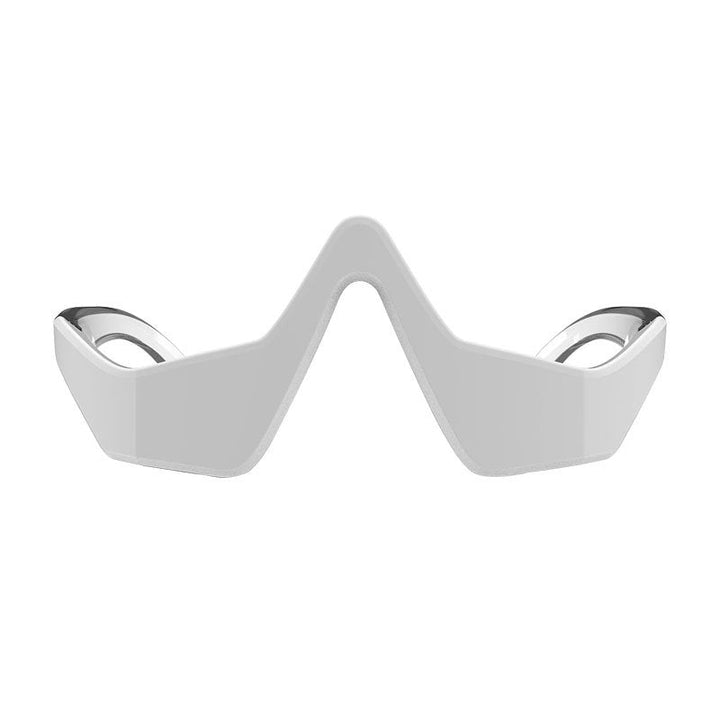


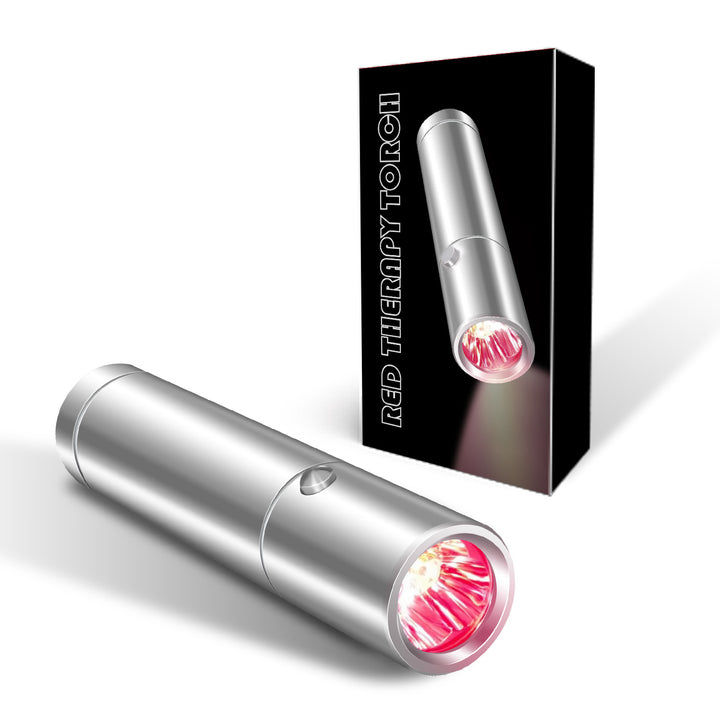
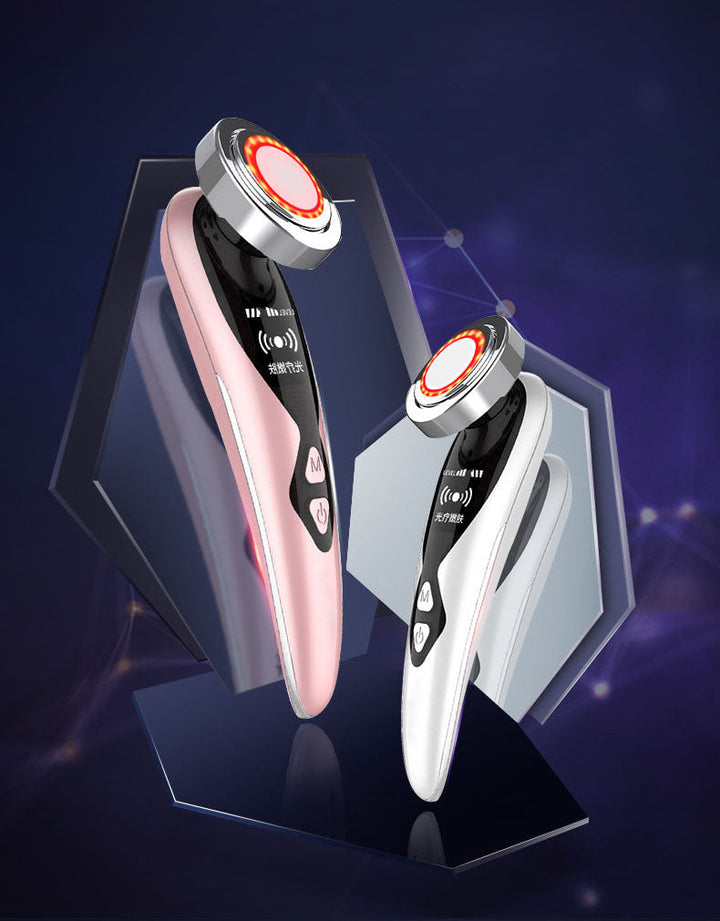


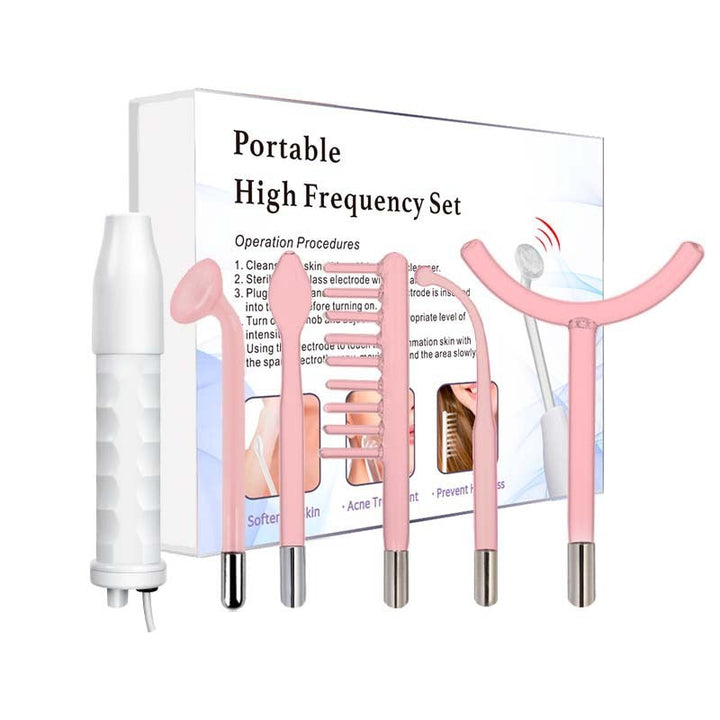


LED masks and related red light skincare devices are designed to add light-based care to your routine, with options for the face, neck, eyes, jawline, and cleansing. Compare light modes, fit, comfort, controls, and intended use before choosing the best red light therapy mask for your needs.
Start with the area you want to treat and how consistently you expect to use the device. A full-face LED light therapy mask is suited to an easy, hands-free routine, while a neck and face lifting device extends coverage below the jaw. If cleansing is also a priority, a silicone facial cleansing brush with LED light therapy and heat combines steps. Look for clearly described light settings, a comfortable fit, simple controls, and a rechargeable or easy-to-manage power system. Flexible silicone can sit close to the skin, while a handheld massager gives you more control over specific areas. For eye-area concerns, choose an eye massager designed for that zone rather than using a full-face device over closed eyes.
Full-face LED masks are the most direct choice for shoppers searching for LED masks or an LED face mask, because they cover much of the face in one session. Tri-light devices offer multiple light modes, which can suit shoppers who want more flexibility in their routine. Neck-and-face devices add coverage below the chin, while a chin V-line LED belt focuses on the lower face. Handheld red light rollers and facial massagers let you target the jawline or individual areas and can be easier to store than a mask. Eye massagers are designed for the under-eye area and may combine light with massage. Compare coverage and handling before comparing appearance or extra features.
Check the product description for the light colors or modes included, the treatment area, session controls, and whether protective eye coverage is provided or recommended. A mask should rest securely without pressing uncomfortably on the nose, cheeks, or eyes. Consider whether you prefer a flexible silicone design, a structured mask, or a handheld tool. A timer or automatic shutoff can make sessions easier to repeat, while cordless operation can be useful if you move around during use. If you are specifically looking for the best FDA-approved LED face mask, verify the exact regulatory information for the individual product rather than assuming every LED device has the same status. Also review cleaning instructions, charging details, and return terms.
Begin with clean, dry skin unless the product instructions say otherwise. Remove makeup, skincare residue, and anything that could block contact with the treatment area. Position the LED mask or device according to its instructions, select the intended mode, and use the built-in timer or recommended session length. Do not stare directly into LEDs, and use any supplied eye protection as directed. Afterward, clean the device with the method recommended for its materials, especially around areas that touch the skin. Consistency matters more than adding extra sessions, so follow the product guidance rather than extending use. Stop if the device feels uncomfortably hot or irritating, and check with a healthcare professional before use if you have concerns about light sensitivity or an eye condition.
A common mistake is choosing a device for the wrong area: a face-only mask will not provide the same coverage as a neck-and-face model, and an eye massager is not a substitute for full-face care. Another is buying based only on the phrase "red light" without checking light modes, fit, controls, or instructions. Using the device over makeup can reduce contact with the skin and make cleaning harder. Shoppers also sometimes use a mask more often or for longer than directed, expecting faster results. Keep the device clean, store it away from heat and moisture, and avoid sharing it without proper cleaning. Finally, do not treat marketing language such as "firmer" or "radiant" as a guarantee; results and suitability can vary.
LED masks can suit adults who want a convenient, non-invasive-looking addition to a regular skincare routine and are willing to follow the instructions consistently. They may appeal to shoppers focused on the appearance of fine lines, uneven-looking tone, dullness, or general skin maintenance, without replacing cleansing, moisturising, and sun protection. A full-face mask works well for hands-free coverage, while a roller, facial massager, or chin belt may suit someone who prefers targeted control. People with light sensitivity, eye concerns, photosensitive conditions, or medicines that increase light sensitivity should seek professional advice before use. If you are choosing a device for someone else, check fit, controls, cleaning needs, and whether the design allows comfortable use around the eyes.
LED masks can support the appearance-focused goals described by the product, such as skin looking more radiant or firmer, when used as directed. Results are not guaranteed and can vary by person, device, routine, and consistency. They should be viewed as a skincare accessory rather than a replacement for professional care.
There is no single best LED face mask for everyone. A sensible choice has clear instructions, comfortable coverage, suitable eye guidance, straightforward controls, and product information that accurately explains its intended use. If you have a skin or eye condition, ask a qualified healthcare professional which features and precautions are appropriate for you.
An LED mask delivers selected light modes to the skin during a timed session. Depending on the device, it may be designed to support the appearance of brighter, smoother, or firmer-looking skin. Check the individual product description because light colors, coverage, and additional features differ.
Some dermatology professionals may discuss red light devices as an optional part of a skincare routine, but recommendations depend on the person, device, and intended use. A professional can also help identify precautions for light sensitivity, medicines, or eye concerns. Follow the device instructions and do not assume that every LED mask is equivalent.
Potential downsides include the purchase cost, the time needed for repeated sessions, discomfort from a poor fit, and difficulty keeping the device clean. Some users may experience warmth or skin or eye discomfort, particularly if instructions are not followed. Stop using a device if it causes irritation and seek professional advice when you have concerns.
Health information sources commonly note that red light therapy is still an area where device quality, intended use, and evidence can vary. For current guidance, consult the source directly and discuss personal questions with a qualified healthcare professional. Product marketing should not be treated as a diagnosis, treatment plan, or guarantee of results.